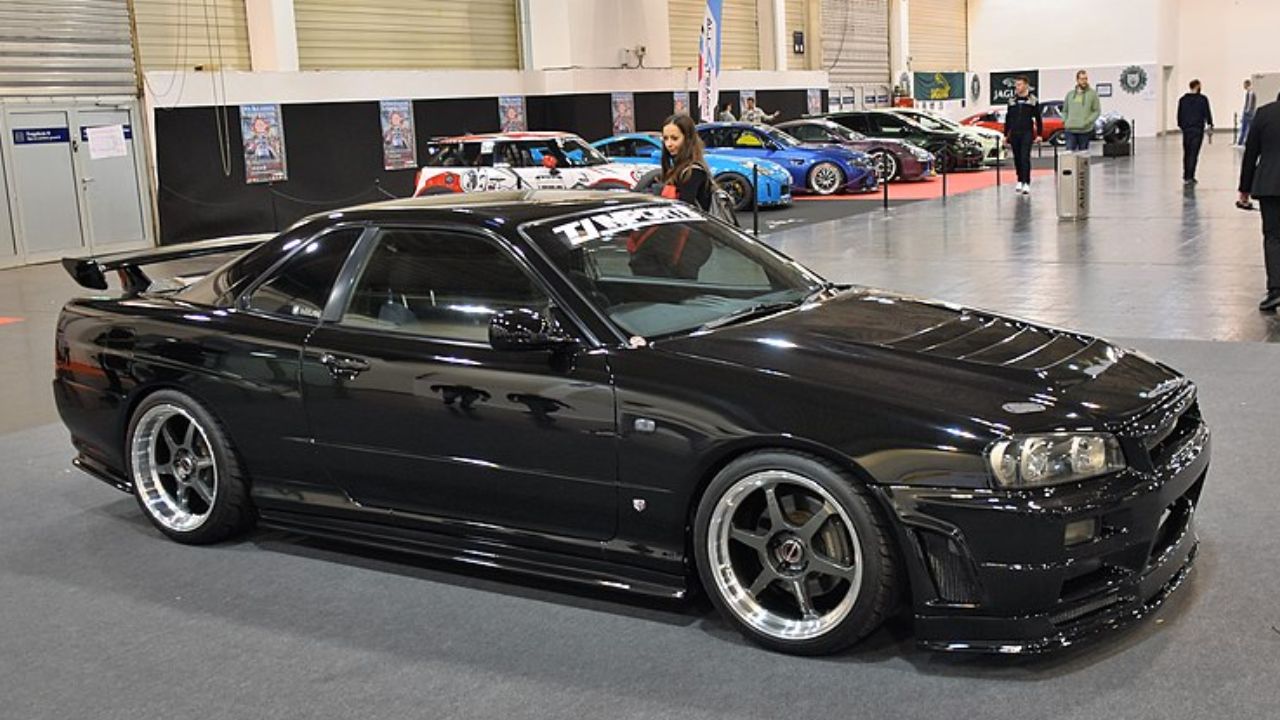
Japanese sports cars did not simply copy European exotics or Detroit muscle; they quietly rewrote the rulebook on how fast cars should be engineered, priced, and driven every day. Through a mix of obsessive reliability, clever engineering, and tuner-friendly design, they turned performance from a rarefied luxury into something that could be bought, modified, and used without drama.
That shift began decades ago and still shapes how modern performance cars are conceived, from turbocharged four-cylinders to hybrid supercars. Tracing how these machines rose from underdogs to benchmarks helps explain why so many enthusiasts still measure new models against classic badges from Japan.
From budget coupes to engineering laboratories
In the 1970s and 1980s, Japanese manufacturers were largely known for compact, efficient cars. Sports models existed, but they were often seen as cheaper alternatives to European brands. That perception began to fracture as companies like Nissan, Toyota, Mazda, and Honda treated their coupes as rolling test beds for advanced technology that could later filter into mainstream models.
Cars such as the Nissan Skyline GT-R and the Toyota Supra fused turbocharging, sophisticated multi-link suspensions, and increasingly capable electronic aids with the everyday usability of a family sedan. These were not temperamental weekend toys; they started in winter, tolerated traffic, and still delivered performance that challenged far more expensive rivals.
Lesser known models played a role as well. The Nissan 200SX, often overshadowed by its more famous siblings, offered rear-wheel drive balance, a willing turbocharged engine, and a chassis that responded eagerly to upgrades. As one analysis of this forgotten sibling notes, its combination of affordability and tuning potential helped anchor a generation of grassroots motorsport builds.
By the early 1990s, Japanese sports cars were no longer simply cheaper options. They were often the technological leaders, using features like four-wheel steering, active aerodynamics, and advanced engine management at prices that undercut European competitors.
How Japanese performance changed expectations
The key shift was not just that Japanese sports cars were fast. They also redefined what buyers could reasonably expect from a performance car in daily life. Reliability, fuel efficiency, and comfort were no longer trade-offs; owners could have all three, along with serious pace.
Honda’s approach with the NSX crystallized this change. The mid-engine layout and aluminum construction delivered supercar dynamics, yet the car behaved with the civility of a Civic in traffic. Service intervals were sensible, visibility was excellent, and the controls felt light and precise. That formula pressured European makers to improve usability and reliability in their own high-end models.
At the other end of the price spectrum, cars like the Mazda MX-5 Miata proved that light weight and balance could matter more than raw power. The Miata’s modest output, combined with a carefully tuned chassis and low mass, showed enthusiasts that joy on a back road did not require a huge engine or exotic materials. That philosophy has influenced everything from modern hot hatches to compact rear-drive coupes.
Japanese brands also leaned into tuning culture. Engines like Nissan’s RB26DETT, Toyota’s 2JZ-GTE, and Mitsubishi’s 4G63 were overbuilt from the factory, with strong internals and conservative factory tunes. Owners quickly discovered that these powerplants could handle large increases in boost and power with relatively simple modifications. That realization turned Japanese sports cars into platforms rather than finished products and reshaped the aftermarket industry worldwide.
Global cross-pollination with American and European performance
As Japanese sports cars gained credibility, they began to influence thinking far beyond their domestic market. American manufacturers, long focused on large-displacement V8s, started to experiment with smaller, turbocharged engines and more sophisticated chassis tuning in response to the success of compact Japanese coupes and sedans.
There were even moments when Japanese engineering nearly rewrote American performance from within. One detailed look at a proposed engine program describes how a Japanese-designed powerplant, if adopted by a major U.S. manufacturer, could have significantly altered the trajectory of domestic sports cars. The analysis of this unrealized engine swap underscores how seriously American companies studied Japanese solutions for power, packaging, and durability.
In Europe, the influence was more subtle but still visible. German and Italian brands had long dominated the high-performance space, yet the rise of reliable, high-output Japanese turbo engines and user-friendly sports cars pushed them to modernize electronics, improve quality control, and broaden their lineups. The idea that a high-performance car could serve as a daily driver without constant maintenance became an expectation rather than a bonus feature.
Motorsport amplified this cross-pollination. Japanese touring cars, rally specials, and endurance racers showcased technologies that later appeared in road cars, such as advanced all-wheel-drive systems and active differentials. Once these systems proved effective in international competition, they began to influence engineering priorities across the industry.
Why the Japanese formula resonates even more today
Modern performance buyers live with constraints that were less pressing in the 1980s. Urban congestion, emissions regulations, and high fuel prices all shape what enthusiasts can realistically own and drive. The Japanese template of lighter weight, efficient turbocharging, and integrated electronics fits that reality better than brute-force horsepower alone.
Contemporary sports cars that succeed globally often echo the traits that defined Japanese icons. Many pair smaller, high-output engines with sophisticated suspension tuning and driver-assistance systems that keep the car approachable. They also lean on modular platforms that can share components with mainstream models, which keeps costs down and helps justify continued development.
There is also a cultural dimension. The tuner heritage of Japanese sports cars, from drift scenes to time-attack competitions, has created a shared language for enthusiasts. Adjustable coilovers, remappable engine control units, and bolt-on turbo kits are now standard parts of the performance conversation. That culture makes performance feel participatory and iterative rather than fixed at the factory gate.
Digital media has amplified this appeal. Classic Japanese sports cars feature heavily in video games, streaming content, and social platforms, which keeps their image alive for younger audiences who may never have seen a new Skyline GT-R or Supra in a showroom. Their blend of relatability and aspirational performance continues to set the tone for what many enthusiasts want from a fast car.
Where Japanese-inspired performance heads next
The next chapter of performance will be shaped by electrification and increasingly strict emissions standards, yet the core lessons from Japanese sports cars remain relevant. Efficiency, modularity, and everyday usability will matter even more as regulators and consumers push for cleaner transport without giving up driving enjoyment.
Hybrid systems already offer a clear bridge. Pairing a smaller combustion engine with electric assistance mirrors the long-standing Japanese preference for compact, efficient powerplants that punch above their weight. Electric motors can fill torque gaps, smooth out power delivery, and allow downsized engines to operate in their most efficient ranges, all while preserving the responsive feel that drivers expect from a sports car.
Lightweight construction will also return to the foreground. Batteries add mass, which threatens agility, so manufacturers are revisiting materials and packaging strategies that echo the original Japanese focus on weight reduction. The same philosophy that made the MX-5 engaging at modest speeds can help future electric or hybrid coupes feel lively without chasing extreme power figures.
Software tuning is likely to become the new frontier for enthusiasts. Just as previous generations experimented with boost controllers and fuel maps, the next wave will manipulate drive modes, torque distribution, and energy recovery strategies. Japanese brands that once built overengineered turbo engines may now win loyalty through open, well-documented control systems that invite responsible modification.
Finally, the global market is more fragmented and competitive than ever, yet the template that Japanese sports cars established still offers a clear path. Cars that combine attainable pricing, durability, and genuine driver engagement can carve out loyal followings even in a world dominated by crossovers and electric commuters. If the past is any guide, the most influential performance cars of the next era will not simply be the fastest on paper. They will be the ones that, like their Japanese predecessors, make high performance feel practical, approachable, and endlessly worth personalizing.
More from Fast Lane Only
- Unboxing the WWII Jeep in a Crate
- 15 rare Chevys collectors are quietly buying
- 10 underrated V8s still worth hunting down
- Police notice this before you even roll window down
*Research for this article included AI assistance, with all final content reviewed by human editors