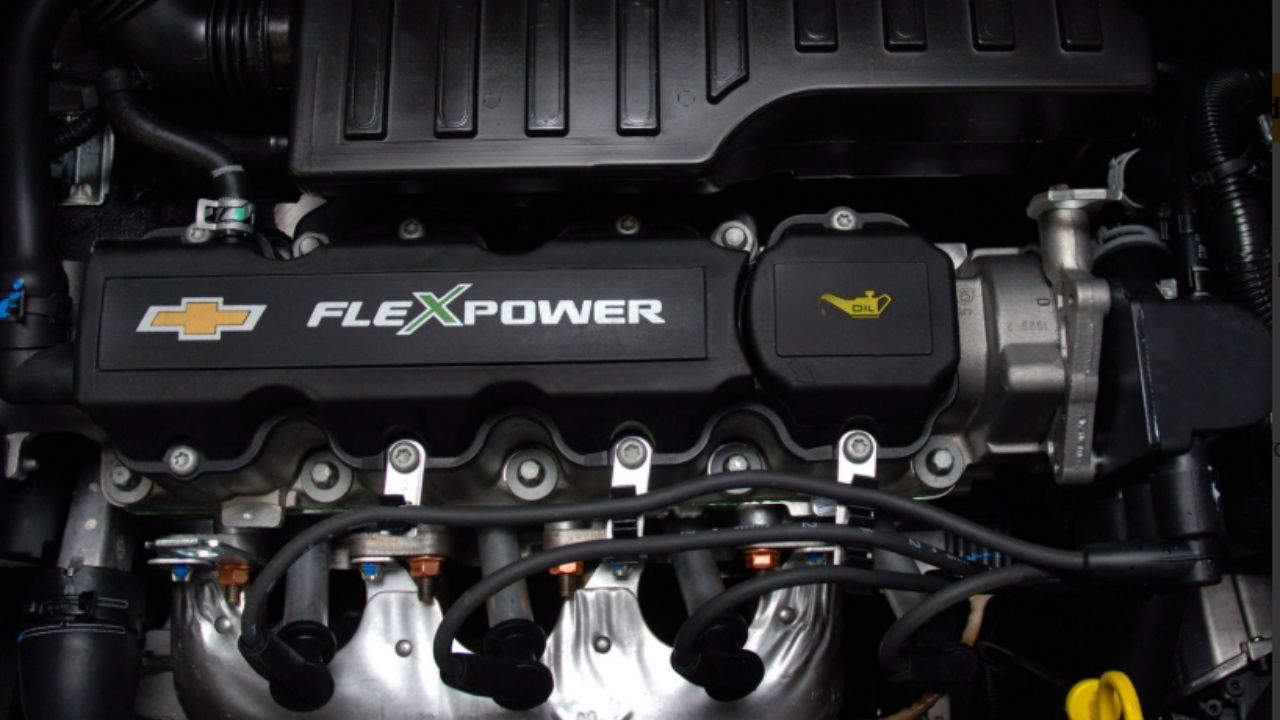
Some engines are remembered for their power, others for their sound. A smaller group earns a different kind of fame: the quiet respect that comes from starting every morning for decades in the hands of ordinary drivers. One of those unsung survivors is General Motors’ 1.8 FlexPower, an unflashy four‑cylinder that became a workhorse of Brazilian streets and a case study in how conservative engineering can outlast fashion.
The story of this engine shows how a carefully judged design, updated just enough to stay relevant, can keep a mainstream car platform alive long after rivals have moved on. At a time when hybrids, turbos and electric motors dominate marketing, this old‑school layout still shapes how engineers think about durability and trust.
How GM’s 1.8 FlexPower evolved without losing its core
The 1.8 FlexPower did not start life as a flex‑fuel engine. It grew out of GM’s long‑running Family I four‑cylinder architecture, a simple cast‑iron block with an aluminum head and a single overhead camshaft. In Brazil, that base was adapted into a 1.8‑liter unit that could run on gasoline or ethanol, then later on blends of both, giving the FlexPower name real meaning in a country where ethanol is part of daily life.
Engineers kept the basic geometry conservative. The block used thick cylinder walls and a sturdy crankshaft, and the valvetrain relied on relatively low specific output rather than chasing high‑rev horsepower. According to Brazilian technical coverage of the 1.8 FlexPower, that combination of modest compression, robust internals and forgiving engine mapping helped the unit tolerate poor fuel quality, irregular maintenance and heavy urban use.
Rather than radical redesigns, GM made incremental improvements. The engine received updated fuel injection to handle changing ethanol blends, revised ignition to reduce knocking, and small friction reductions to trim consumption. Yet the fundamentals stayed the same, which meant parts interchangeability across years and models. Owners could find components easily, independent mechanics understood the layout, and fleets could keep large numbers of cars running without specialized tools.
That continuity paid off. The 1.8 FlexPower powered millions of compact sedans, hatchbacks and small utilities in Brazil, quietly building a reputation for reaching high mileages without internal overhaul. It never led performance charts, but it became a reference for durability in its market segment, the kind of engine that taxi drivers and ride‑share operators recommended to one another.
Why this conservative formula still matters in a turbocharged era
Modern engine development is dominated by turbocharging, direct injection and complex emissions hardware. The logic is clear: smaller‑displacement, boosted engines can deliver strong torque and lower official consumption figures. Even so, the long life of the FlexPower shows why many buyers still value simplicity over cutting‑edge technology.
Turbocharged engines can be extremely reliable when designed with care. Some brands have invested heavily in reinforced blocks, advanced cooling and precise fueling to make sure their boosted motors survive high loads. Enthusiast analyses of bulletproof turbo engines often highlight manufacturers that overbuild components and avoid chasing extreme specific output. The philosophy is not far from what GM applied to its naturally aspirated 1.8, only with modern boost layered on top.
What sets the FlexPower story apart is where it operated. In Brazil, engines must cope with a wide range of ethanol and gasoline blends, long distances between service visits and hot, congested cities. An engine that can start on cold ethanol mornings, idle in traffic for hours and then pull a loaded car on rough highways needs generous safety margins. The FlexPower’s modest compression ratio and sturdy bottom end created that margin, which is why owners report engines that run for years with only basic maintenance.
There is also a cultural dimension. In markets where cars are kept for a decade or more, an engine’s reputation becomes a form of currency. Taxi fleets and small businesses often buy based on what has already survived in the field. By proving itself in high‑mileage service, the 1.8 FlexPower extended the commercial life of the compact models it powered. Even as newer turbocharged rivals arrived, many buyers preferred the known quantity.
That dynamic is not unique to GM. Classic V8s such as small‑block Chevrolets and Ford Windsor units earned a similar status in North America, where their simple architecture and abundant parts kept them relevant long after production ended. Detailed retrospectives of classic V8 engines describe how overbuilt internals, low‑stress tuning and decades of incremental refinement allowed those engines to live on in hot rods, boats and industrial equipment. The FlexPower played a comparable role in a different displacement class and geography.
Lessons from other machines that refuse to die
The survival of GM’s 1.8 is part of a broader pattern in mechanical design. When engineers find a layout that balances performance, cost and reliability, they often reuse it across generations. That reuse can be literal, with old tooling updated, or conceptual, with new engines borrowing bore spacing, combustion chamber shapes or crank layouts from their predecessors.
Motorcycles provide a vivid example. Ducati has recently reached back to earlier engine concepts to shape its modern line‑up, blending heritage with contemporary electronics and emissions controls. Coverage of how Ducati resurrects decades‑old designs shows that the company keeps returning to the character of its classic V‑twin and single‑cylinder engines, even as it adds liquid cooling, ride‑by‑wire throttles and advanced safety systems. The core layout remains familiar because riders trust its feel and long‑term behavior.
Cars and bikes that rely on such proven engines often gain a second life in the used market. Enthusiasts seek them out precisely because they know what to expect. Parts catalogs remain thick, online forums collect decades of troubleshooting experience, and independent garages can diagnose issues without factory diagnostic laptops. That ecosystem becomes a moat around the design, protecting it from obsolescence.
The GM 1.8 FlexPower sits squarely in that category. Its architecture is well understood, its quirks are documented and its weaknesses are manageable. For owners, that predictability matters more than the latest cylinder deactivation trick. For automakers, it shows the value of long product cycles that refine a solid base instead of chasing novelty for its own sake.
How a classic layout shapes the next generation
As regulators tighten emissions rules and cities push toward electrification, engines like the 1.8 FlexPower face a clear sunset. Flex‑fuel technology helped reduce dependence on pure gasoline, but it does not erase tailpipe emissions. In many urban centers, the next wave of small cars will be hybrid or fully electric, with software playing a larger role than mechanical layout.
Yet the design lessons from this long‑running engine are not fading. Engineers working on new powertrains still study how older units handled abuse, temperature swings and inconsistent maintenance. The idea of building in generous thermal capacity, using materials that tolerate marginal lubrication and designing for easy service remains relevant in a world of high‑voltage batteries and compact turbo hybrids.
There is also a transitional reality. In markets where charging infrastructure grows slowly and vehicle prices remain sensitive, combustion engines will share roads with electric models for many years. Carmakers that can offer hybrid systems paired with proven, durable engines may find a receptive audience. A small, naturally aspirated flex‑fuel unit operating in an efficient load band within a hybrid system could extend the principles of the FlexPower into a lower‑emission era.
For enthusiasts and used‑car buyers, the legacy is more immediate. As newer models add complexity, interest in straightforward, serviceable classics tends to rise. Stories of engines that crossed 300,000 kilometers without major surgery feed that interest. The 1.8 FlexPower, like the old V8s and iconic motorcycle twins, will likely keep running in the background of Brazilian mobility long after its last new installation leaves the factory.
More from Fast Lane Only
- Unboxing the WWII Jeep in a Crate
- 15 rare Chevys collectors are quietly buying
- 10 underrated V8s still worth hunting down
- Police notice this before you even roll window down
*Research for this article included AI assistance, with all final content reviewed by human editors