Some cars built half a century ago still feel oddly familiar on modern roads. Slip behind the wheel of the right 1970s coupe or sedan and the driving position, control layout, and even the way the chassis responds can seem closer to a current car than to a rolling antique. That sensation is not nostalgia. It reflects a decade when engineering, safety regulation, and global competition quietly pulled the industry toward the template that still shapes everyday cars.
How the 1970s quietly set the modern car template
The 1970s are remembered for chrome bumpers, vinyl roofs, and vivid paint, yet under the surface the decade was defined by regulation and crisis. Safety rules in the United States and Europe pushed manufacturers toward features that now feel basic: energy-absorbing structures, better crash protection around the cabin, and standardized control layouts. The push for front crumple zones and stronger passenger cells meant engineers had to think more systematically about how a car behaved in a collision, which in turn encouraged more rigid bodies and more predictable handling.
Meanwhile, the oil shocks forced a new focus on efficiency. Engines that had been tuned mainly for raw power were suddenly recalibrated for economy and emissions. Carburetors grew more complex, with feedback systems and early electronic controls that foreshadowed full engine management. Gear ratios became taller, aerodynamics started to matter, and lighter materials began to replace heavy stampings. Many of these changes were invisible to buyers, yet they created cars that cruise at highway speeds with a relaxed engine note and fuel consumption that still makes sense today.
Chassis engineering also took a decisive step forward. Independent front suspension was already common, but more manufacturers adopted independent rear layouts or at least better-located live axles. Power steering and front disc brakes spread across mainstream price points. The result was a generation of cars that track straight at speed, stop with confidence, and communicate clearly enough through the wheel that a modern driver does not need to relearn basic instincts.
Design, ergonomics, and the first hints of digital thinking
Beyond hardware, the 1970s reshaped how drivers interact with cars. Earlier dashboards often scattered switches and gauges with little logic. As safety research highlighted distraction, designers moved toward clearer instrument clusters, standardized stalk controls for lights and wipers, and more intuitive pedal placement. Many 1970s cars place the driver in a position that feels surprisingly close to current practice: upright enough for visibility, with a reach to the wheel and pedals that suits a wide range of body types.
Cabin packaging also evolved. Hatchbacks, sliding rear seats, and split-fold rear backrests appeared in larger numbers, especially in European and Japanese models. Those ideas are now taken for granted in crossovers and compact cars. When a 1970s family hatch offers a flat load bay and configurable seating, it can feel less like a classic and more like a stripped-back version of a present-day commuter.
Even the first traces of digital technology began to appear. Some late 1970s models experimented with electronic fuel injection, on-board diagnostic connectors, and digital clock displays. These systems were primitive by current standards, and often unreliable, yet they signaled a shift from purely mechanical thinking to the electronic architecture that defines modern vehicles. For a driver used to contemporary cars, finding a trip computer or early warning light system in a 1970s cabin makes the age gap feel smaller.
Performance cars that bridge eras
Nowhere is the time warp more striking than in performance models. Several 1970s sports cars and muscle machines deliver acceleration and chassis balance that still feels relevant on modern roads. Their steering might be heavier and their brakes less powerful, but the basic recipe of a strong engine, rear-wheel drive, and a reasonably sophisticated suspension has not changed much.
Enthusiasts often point to specific 1970s icons as benchmarks that still stand up well. Some of the classic muscle cars from that period combine long-legged gearing with torquey V8s, so they cruise at contemporary highway speeds with ease. While their official power figures dropped during the decade as measurement standards changed and emissions controls arrived, real-world performance often remained comparable to earlier cars, only with better stability and refinement.
Sports coupes from Japan and Europe followed a similar path. They adopted wind-tunnel-tested bodies, lighter construction, and more precise rack-and-pinion steering. The result is a driving experience that, while less insulated than a new car, still feels fundamentally modern in how the chassis responds to inputs. A driver used to a current compact coupe can adapt quickly to many of these 1970s machines, which helps explain why they appeal so strongly to younger collectors.
Why these cars resonate with drivers now
Modern traffic and infrastructure highlight the strengths of well-engineered 1970s cars. Speed limits, lane widths, and congestion patterns mean that outright performance matters less than stability, visibility, and comfort. Cars from this era often hit a sweet spot: fast enough to keep up, compact enough to park easily, and simple enough to maintain without specialized equipment.
For many enthusiasts, that balance feels more usable than either earlier classics or some newer performance cars. Pre-1970s vehicles can demand constant attention, with vague steering, weak brakes, and cramped cabins. Newer high-performance models, in contrast, can feel overpowered for public roads and heavily filtered by electronics. A sorted 1970s car often lands in the middle, with enough feedback to be engaging and enough refinement to be relaxing on a long drive.
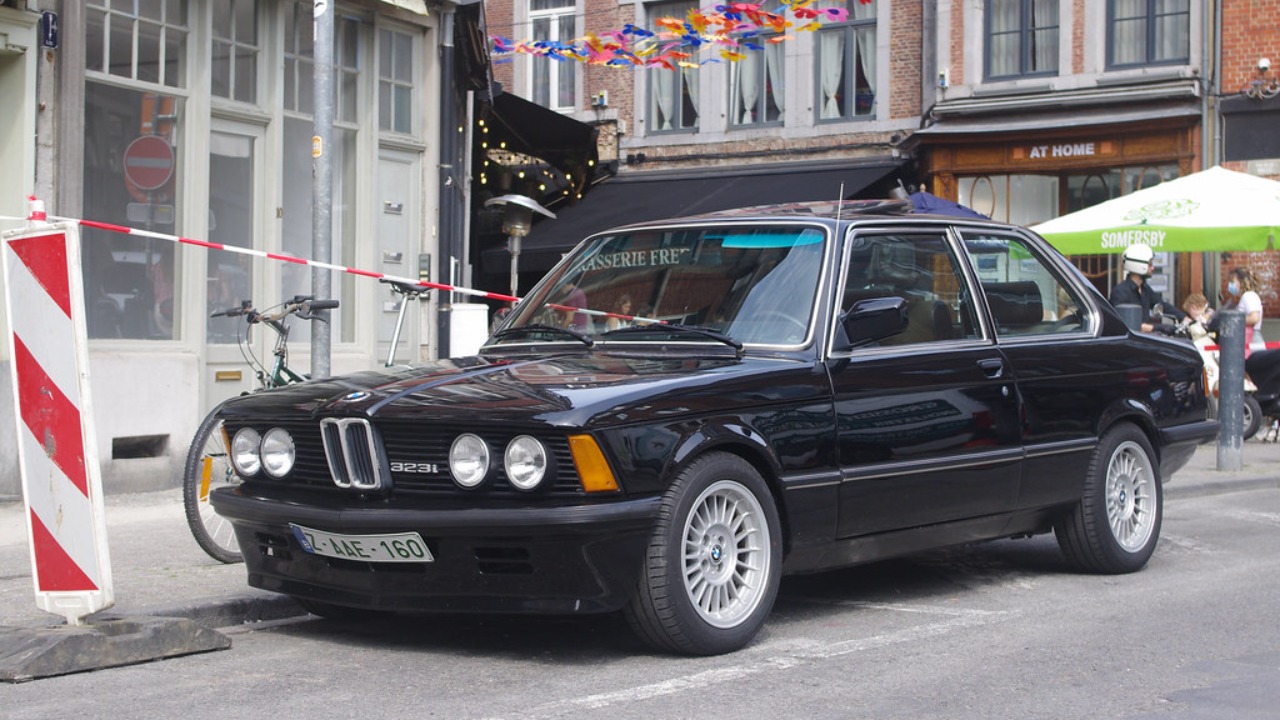
There is also a cultural dimension. The 1970s produced some of the most recognizable automotive shapes, from wedge-shaped exotics to clean, boxy sedans. Those lines translate well to current tastes that favor honesty and simplicity over excessive ornament. When paired with relatively modern proportions and glass areas that still provide good outward visibility, these cars feel less like museum pieces and more like viable daily companions.
Affordability has played a role too, although that is changing. For years, 1970s models sat in the shadow of 1960s legends and 1980s nostalgia favorites, which made them accessible entry points for younger buyers. Many owners discovered that once basic mechanical issues were sorted, these cars slotted into daily life more easily than expected. That lived experience has helped reshape the reputation of the decade from a low point to a kind of hidden golden age.
How the 1970s influence current engineering choices
Automakers still lean on lessons learned in the 1970s. The idea that a car should protect occupants in a crash, sip fuel responsibly, and still deliver satisfying performance was forged under the pressures of that decade. Today, those goals are baked into every new model program. Modular platforms, downsized turbocharged engines, and advanced driver assistance systems all build on the same foundation of safety, efficiency, and usability.
Designers also continue to revisit 1970s cues. Clean beltlines, simple surfacing, and upright glass are reappearing in new models that aim to balance retro charm with practicality. Inside, the current move toward physical controls for key functions, after a period of screen overload, echoes the ergonomic clarity that many 1970s dashboards pursued. The underlying idea is similar: put the essential controls where the driver can find them by instinct, not by hunting through menus.
Even the shift toward electrification carries a faint echo of the 1970s energy crises. Then, as now, engineers were asked to rethink the powertrain around new constraints. While the technology is very different, the mindset of squeezing more usefulness from each unit of energy, and designing cars that make sense in a resource-conscious world, has clear roots in that earlier period.
What might come next for these “surprisingly modern” classics
The future of 1970s cars sits at an interesting crossroads. On one hand, rising values and tightening environmental rules could push them further into hobbyist territory. On the other, their blend of analog feel and modern-enough usability makes them prime candidates for sympathetic upgrades. Owners are already fitting discreet fuel injection, better lighting, and improved cooling systems that enhance reliability without erasing character.
More from Fast Lane Only
- Unboxing the WWII Jeep in a Crate
- 15 rare Chevys collectors are quietly buying
- 10 underrated V8s still worth hunting down
- Police notice this before you even roll window down
*Research for this article included AI assistance, with all final content reviewed by human editors