Japan’s long-running obsession with precision, reliability and refinement created a performance era that reached far beyond horsepower charts. From the turbocharged sports cars of the 1990s to the quiet revolution in motorcycles, electronics and software, Japanese companies rewrote the rules for how performance is defined, measured and sold. That legacy is now shaping how global industries think about talent, technology and even accounting for value.
As the world shifts toward software-centric products and stricter financial transparency, the habits forged in Japan’s performance peak are being reinterpreted for a new age. The culture that once produced screaming engines and flawless assembly lines is now influencing how firms manage code, intellectual property and human capital.
From peak horsepower to system-level performance
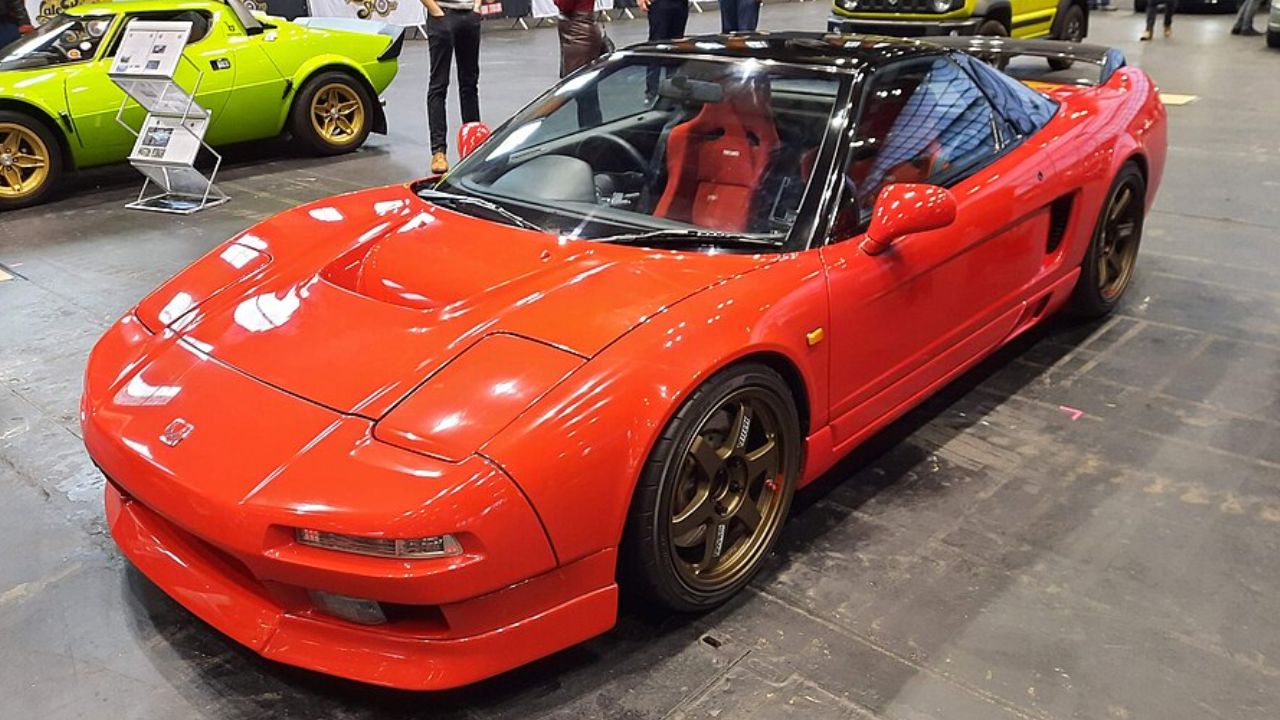
Japan’s defining performance era began with machines that became global benchmarks. In cars, models such as the Nissan Skyline GT-R, Toyota Supra and Honda NSX showed that high output could coexist with everyday reliability. In motorcycles, Japanese manufacturers used scale and process discipline to move from small domestic producers to global leaders in both volume and technology.
A global study of the motorcycle sector describes how the industry moved from a postwar boom to a greener, more innovation-driven phase, highlighting the central role of Japanese brands in that shift. The report tracks how companies like Honda, Yamaha, Suzuki and Kawasaki used patents, modular platforms and export strategies to dominate the market and then pivot toward cleaner powertrains and advanced electronics, turning motorcycles into a test bed for new forms of mobility innovation.
In this context, performance stopped being only about top speed. It became a system property that blended engine efficiency, manufacturing quality, cost control and user experience. Japanese automakers then carried this mindset into the current wave of software-defined vehicles, where the most valuable upgrades arrive through code rather than hardware changes.
Analysis of the auto sector’s shift to software shows how vehicles are turning into rolling computers, with centralized architectures and continuous updates. This transition, often described as the move to software-defined hardware, rewards companies that already know how to integrate electronics, sensors and control systems into a cohesive whole. Japanese manufacturers, who spent decades refining engine management and safety systems, are now applying the same discipline to AI-driven features and connectivity.
Workplace discipline and youth expectations
The performance era was not only mechanical. It also rested on workplace structures that prized loyalty, long tenures and incremental improvement. Lifetime employment and seniority-based promotion helped companies sustain knowledge and quality, but they also created rigid hierarchies that are now under pressure.
Recent reporting on Japanese workplaces shows how younger workers are questioning long hours, opaque evaluation systems and limited flexibility. Surveys of employees in their 20s and 30s describe frustration with traditional expectations around presenteeism and slow career progression, even as many still value stability and training. These tensions are visible in sectors that once symbolized high performance, where young staff weigh the prestige of established employers against the promise of more agile environments and better work-life balance.
That generational shift matters because the original performance model relied on a steady pipeline of engineers and operators willing to commit their entire careers to one company. As expectations change, firms that built their dominance on meticulous process control must now compete on culture as well as technology.
Accounting for performance in a software-heavy world
The financial side of Japan’s performance story is also being rewritten. Traditional industrial champions are grappling with new accounting standards that treat revenue, contracts and performance obligations differently, especially when products blend hardware, software and services.
The introduction of IFRS 18, which replaces earlier revenue and presentation rules, pushes companies to separate operating and non-operating income more clearly and to explain their performance in a way that aligns with how management actually runs the business. Guidance on IFRS 18 adoption highlights the need for clearer disaggregation of income and expenses, new subtotals in the statement of profit or loss and more transparent narrative reporting around performance metrics.
For Japanese manufacturers moving into subscription software, over-the-air updates and mobility services, these changes cut to the core of how success is reported. Revenue that once came from a one-time sale of a vehicle or machine may now arrive over years as digital features are activated or renewed. Investors will expect more granular explanations of what drives margins, how software development costs are treated and how recurring income compares with traditional product lines.
This shift reinforces a broader trend that began in Japan’s performance peak: the idea that what matters is not just output, but how clearly it can be measured, repeated and communicated. Accounting standards are catching up with a business reality that Japanese firms have been living for decades, where the line between product and service is increasingly blurred.
High-performance teams instead of just high-performance machines
While factories and products once carried the performance label, the focus is now moving to teams. Global research into IT organizations describes how modern high-performance groups are defined less by individual brilliance and more by alignment, psychological safety and disciplined delivery practices.
Studies of technology departments show that top-performing teams share traits such as clear product ownership, strong collaboration between business and IT, and a culture that supports experimentation without sacrificing reliability. Guidance on high-performance IT teams stresses the importance of cross-functional skills, continuous learning and outcome-based metrics instead of purely technical benchmarks.
Japanese companies that once concentrated performance in specialized engineering units are adapting by building more integrated digital teams. The same mindset that perfected lean manufacturing is being repurposed to create agile software squads, with daily stand-ups replacing some of the formal meetings of the past and code reviews standing in for mechanical inspections.
However, the cultural legacy of deference and hierarchy can slow this transition. Younger Japanese developers and designers often seek flatter structures and faster feedback loops than their predecessors experienced. Firms that manage to combine the discipline of the old performance era with the autonomy of modern product teams are likely to gain an edge in both innovation and retention.
Global competition in high-performance computing
Japan’s performance story now extends deep into computing power. The country has a long history in supercomputers, but the global race for exascale systems has intensified competition and shifted expectations for what counts as leadership.
Analysis of high-performance computing describes how exascale machines are becoming essential infrastructure for fields such as climate modeling, drug discovery and advanced manufacturing. Reports on exascale leadership point to a small group of countries investing heavily in these platforms, treating them as strategic assets rather than niche research tools.
For Japanese industry, access to such computing power is not an abstract prestige project. It directly affects the ability to simulate complex engines, optimize battery chemistries and train AI models that control vehicles and factories. The same pursuit of reliability and efficiency that shaped earlier performance eras now drives investment in data centers, cooling technologies and specialized chips.
Where Japan’s performance legacy goes next
The next chapter of Japan’s performance influence will likely be written in software and services rather than in raw mechanical output. As vehicles and motorcycles continue to evolve into connected platforms, the definition of a high-performance product will expand to include cybersecurity, data privacy and seamless integration with digital ecosystems.
Japanese firms are already rethinking how they design platforms so that new functions can be added by software without extensive hardware changes. The concept of software-defined hardware, once confined to infotainment systems, is spreading across powertrains, safety features and driver assistance. That approach aligns with global expectations for products that improve over time and that can support new business models such as pay-per-use features or fleet-based subscriptions.
More from Fast Lane Only
- Unboxing the WWII Jeep in a Crate
- 15 rare Chevys collectors are quietly buying
- 10 underrated V8s still worth hunting down
- Police notice this before you even roll window down
*Research for this article included AI assistance, with all final content reviewed by human editors