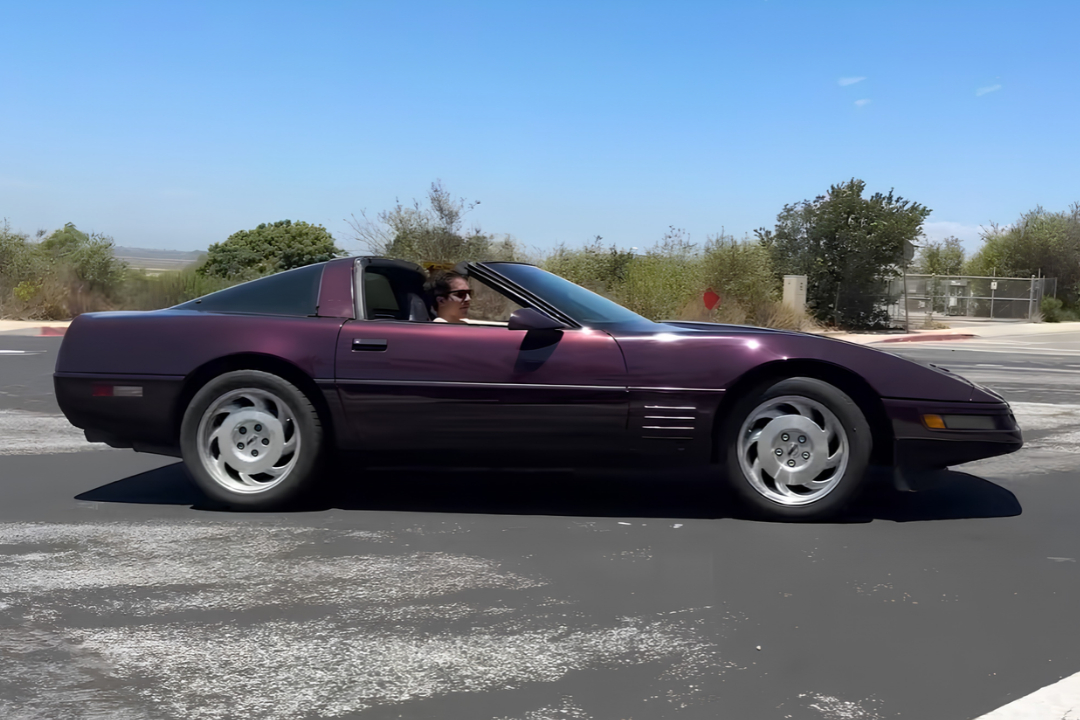
Modifying a car for enhanced performance has become a go-to hobby for car enthusiasts. While the allure of boosting horsepower and improving aesthetics is undeniable, these modifications can significantly impact car insurance rates. Performance mods introduce new risks that insurance companies must evaluate, potentially leading to increased premiums for the vehicle owner.
Understanding Performance Modifications
Performance modifications can transform a car’s capabilities and appearance. Common modifications include turbochargers, suspension upgrades, and body kits. Turbochargers enhance engine power by forcing extra air into the combustion chamber, while suspension upgrades improve handling and ride comfort. Body kits, although primarily aesthetic, can also enhance aerodynamics. It is essential to differentiate between cosmetic and performance-enhancing modifications, as the latter tends to have a more substantial impact on insurance rates.
The appeal of performance mods lies in their ability to enhance vehicle speed and handling. A 2022 Ford Mustang GT, for instance, can be fitted with a supercharger to significantly boost horsepower, turning it into a track-ready beast. Additionally, personalization plays a crucial role, allowing owners to express their unique style through modifications like custom paint jobs or aftermarket wheels.
Impact on Insurance Premiums
Performance modifications often lead to increased risk, translating into higher insurance premiums. Modifications can elevate the likelihood of accidents or theft, as more powerful engines and flashy appearances may encourage reckless driving or attract unwanted attention. For example, a 2019 Subaru WRX STI with a turbo upgrade might be seen as a higher risk for insurers due to the increased speed capabilities.
Insurance companies view modified cars as higher-risk investments for several reasons. Enhanced performance can strain vehicle components, leading to more frequent repairs or failures, which, in turn, can result in more claims. Different insurers handle modified vehicles in varied ways. Some may refuse coverage altogether, while others might impose stricter terms or higher premiums. It is essential to understand an insurer’s stance on modifications before making any changes to your vehicle.
Specific Modifications and Their Effects
Engine and exhaust system modifications can significantly impact insurance rates. Increasing a car’s horsepower through engine modifications, such as installing a turbocharger or a nitrous oxide system, can lead to higher premiums. A 2020 Chevrolet Camaro ZL1 with an aftermarket exhaust system may face increased rates due to the enhanced performance and altered emissions profile.
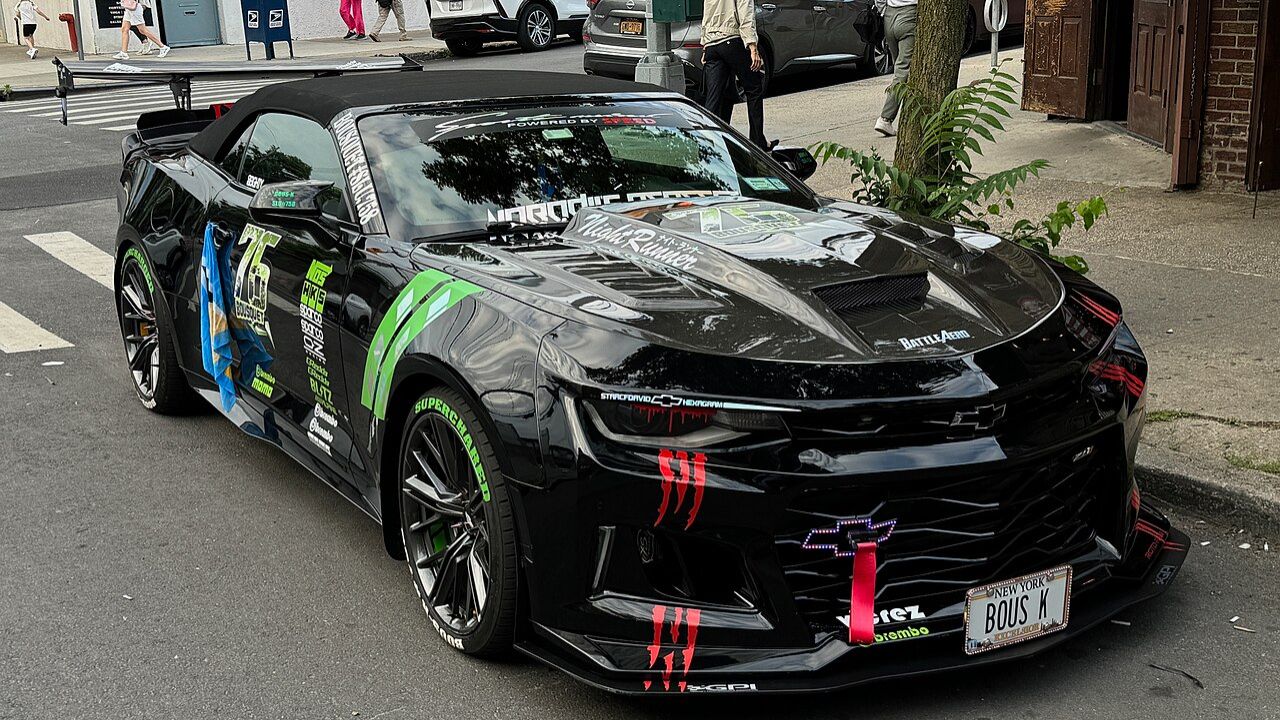
Suspension and brake upgrades also influence insurance considerations. Improved suspension systems can enhance vehicle control, potentially reducing accident risk. However, insurers may still view these modifications as a sign of aggressive driving intent. Performance brake systems, such as those installed on a 2021 BMW M4, can provide better stopping power, but insurers assess whether these upgrades indicate a propensity for high-speed driving.
Navigating Insurance for Modified Cars
When it comes to insuring a modified car, disclosure and honesty with insurers are crucial. Failing to report modifications can lead to denied claims or policy cancellations. For instance, if a 2018 Dodge Charger owner installs a supercharger without informing the insurer, they may face significant consequences in the event of an accident or claim.
Finding the right insurer for a modified vehicle can be challenging. Some insurers specialize in covering modified cars and offer tailored policies that account for performance enhancements. Comparing policies and examining coverage details are essential steps in securing the best protection for your modified vehicle. It is advisable to seek out insurers who understand the unique needs of modified car owners.
Mitigating Insurance Costs
There are strategies to mitigate the increased insurance costs associated with performance modifications. Leveraging safe driving records can help offset higher premiums. Insurers often offer discounts for drivers with clean records, which can be a valuable asset for owners of modified vehicles like a 2017 Honda Civic Type R.
Professional installation and maintenance of modifications can also influence insurance rates. Having modifications installed by certified professionals ensures that they meet safety standards, potentially reducing perceived risk. Regular maintenance and documented service records can further demonstrate a commitment to safety, which may positively impact insurance premiums.
Additionally, exploring other discounts and incentives that may be available, such as bundling multiple policies or installing anti-theft devices, can further reduce insurance costs. For example, a 2023 Audi RS6 owner might benefit from discounts for installing a GPS tracking system, which can deter theft and provide peace of mind.
Like Fast Lane Only’s content? Be sure to follow us.
Here’s more from us:
*Created with AI assistance and editor review.