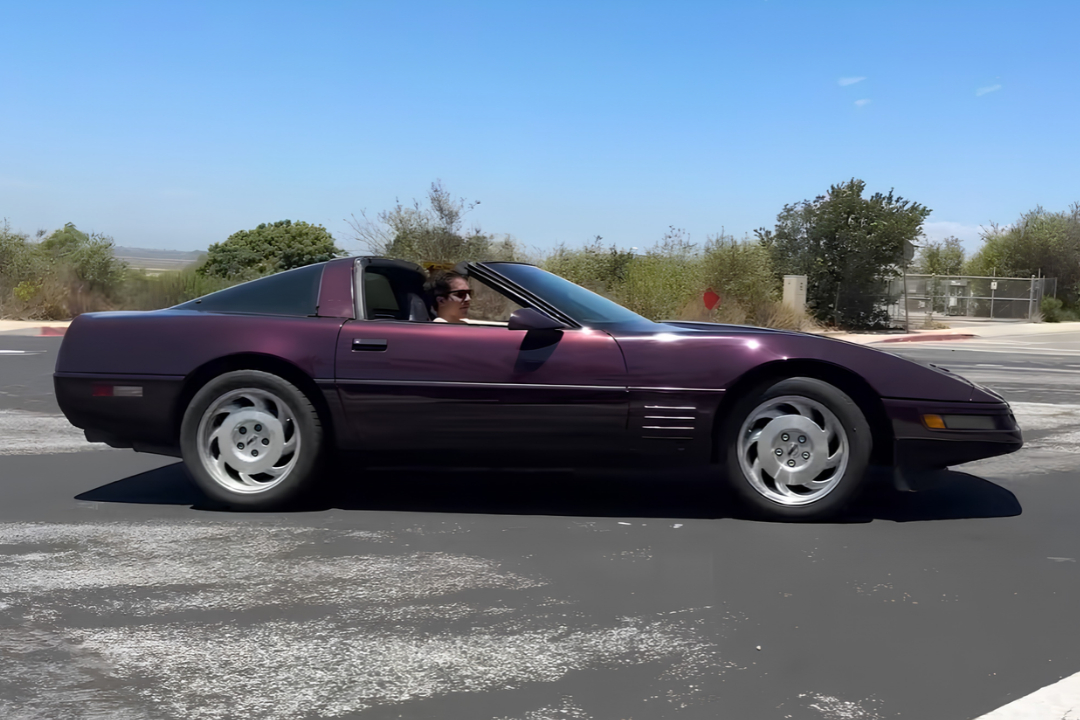
Rust is one of the most common and damaging issues faced by antique and vintage car owners. Protecting these treasured vehicles from corrosion is crucial to maintaining their value, appearance, and performance. Effective strategies for preventing rust ensure these cars remain in pristine condition for years to come.
Understanding the Causes of Rust
The formation of rust is a chemical process where iron reacts with oxygen in the presence of moisture, resulting in iron oxide. This reaction is particularly detrimental to antique and vintage cars, whose metal parts are often more susceptible due to age and wear. Rust can spread quickly, compromising both the aesthetics and structural integrity of the vehicle. Understanding this process is the first step in implementing effective prevention measures.
Environmental factors play a significant role in the development of rust. High humidity levels accelerate corrosion, as moisture in the air provides the perfect medium for rust formation. Additionally, salt, often used on roads during winter months, can exacerbate the problem by increasing the conductivity of water, thus speeding up the oxidation process. Pollutants in urban areas can also contribute, as they may contain sulfur and nitrogen compounds that form acids when mixed with water, attacking the metal surfaces of cars.
Identifying vulnerable areas on your vehicle is crucial for targeted rust prevention. Common spots include the undercarriage, wheel wells, and fender edges, where moisture and debris tend to accumulate. Older cars, like the 1965 Ford Mustang or the 1957 Chevrolet Bel Air, are particularly prone to rust in these areas due to their classic construction and materials. Regular checks of these parts can help in spotting early signs of rust.
Regular Maintenance and Inspection
Establishing a routine for regular maintenance and inspection is key to preventing rust. Frequent cleaning helps remove dirt, salt, and other potentially corrosive substances from the car’s surface. Washing the car at least once a month, or more frequently if driving conditions are harsh, can mitigate rust formation. Pay special attention to the undercarriage and hidden areas where moisture might linger.
Spotting early signs of rust can significantly reduce repair costs and maintain the vehicle’s value. Look for small blisters under the paint, which often indicate rust forming beneath. Surface rust is another common sign and can appear as small, rough patches on the metal. Catching rust at this stage allows for easier treatment and prevents further damage.
There are times when professional evaluation is necessary, especially if rust has penetrated deeper layers of the car’s structure. Experts can provide a thorough inspection and recommend appropriate treatments. Many vintage car owners turn to specialized workshops that focus on classic models, ensuring that restoration and maintenance work is performed with the necessary expertise and care.
Protective Measures and Treatments
Applying protective coatings and sealants is one of the most effective rustproofing techniques. Products like wax and specialized rustproofing sprays create a barrier between the metal surfaces and the environment, reducing the risk of oxidation. A popular choice among vintage car enthusiasts is the application of a ceramic coating, which offers long-lasting protection and enhances the vehicle’s sheen.
Proper storage is crucial in minimizing exposure to moisture, which is a primary catalyst for rust. Storing antique cars in a climate-controlled garage can significantly reduce the risk. Dehumidifiers are also beneficial in maintaining optimal humidity levels. For those who lack indoor storage, investing in a high-quality car cover designed to repel water and allow for air circulation can be a practical alternative.
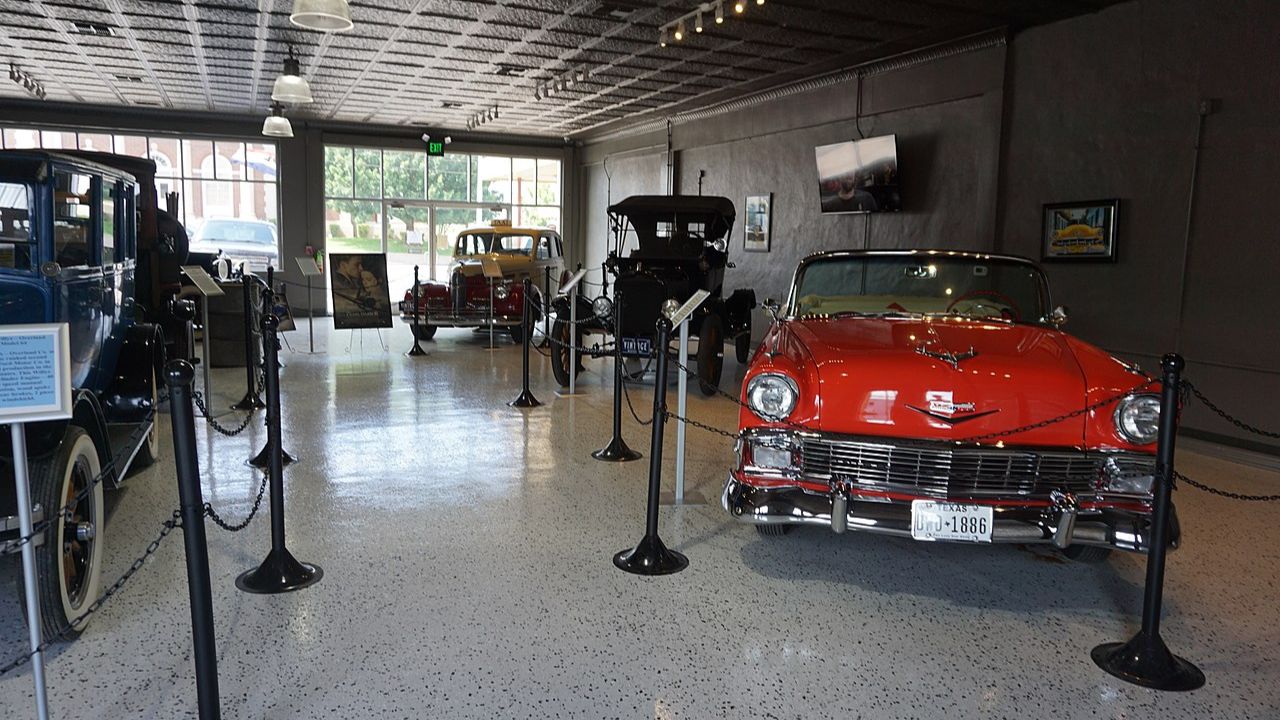
Innovative products and technologies have emerged in recent years, offering enhanced rust prevention capabilities. For instance, electronic rust protection systems, which emit a weak electric current through the car’s body, are gaining popularity for their ability to slow down the oxidation process. While these systems require an initial investment, they can be a worthwhile addition to the rust prevention arsenal.
Restoration and Repair Options
When rust damage occurs, assessing whether to undertake DIY repairs or seek professional restoration is important. Minor surface rust can often be sanded down and treated with rust-inhibiting primer and paint. However, extensive rust damage, especially on structural components, should be handled by professionals who specialize in vintage car restoration to ensure safety and maintain the vehicle’s value.
Choosing the right materials for repairs can also influence the long-term resistance of the vehicle to rust. Opting for stainless steel or using galvanization techniques during repairs can enhance the durability of the repaired sections. This approach is particularly useful for areas frequently exposed to moisture and road debris, ensuring they stand up to the elements over time.
Having a long-term strategy for maintenance and rust prevention can save both time and money. Keeping a maintenance log to track inspections and treatments helps in planning future care activities. Additionally, staying informed about the latest advancements in rust prevention technologies can provide new options for maintaining the vehicle’s condition.
Lifestyle Adjustments for Car Enthusiasts
Driving habits significantly affect a vehicle’s exposure to conditions that promote rust. Avoiding driving in wet, salty, or heavily polluted environments can help reduce risk. If driving in such conditions is unavoidable, promptly washing the car afterward is crucial to prevent salt and pollutants from lingering on the metal surfaces.
Seasonal considerations are essential in adjusting care practices for antique and vintage cars. During winter, when roads are often salted, it’s wise to limit driving and focus on proper storage and maintenance. In contrast, summer months may require more frequent cleaning to remove dust and debris.
Engaging with car clubs and forums can provide valuable resources and support for vintage car owners. Communities often share tips, offer advice, and organize workshops on car care, including rust prevention. Being part of such networks can enhance one’s knowledge and provide access to trusted professionals for maintenance and restoration services.
Like Fast Lane Only’s content? Be sure to follow us.
Here’s more from us:
*Created with AI assistance and editor review.