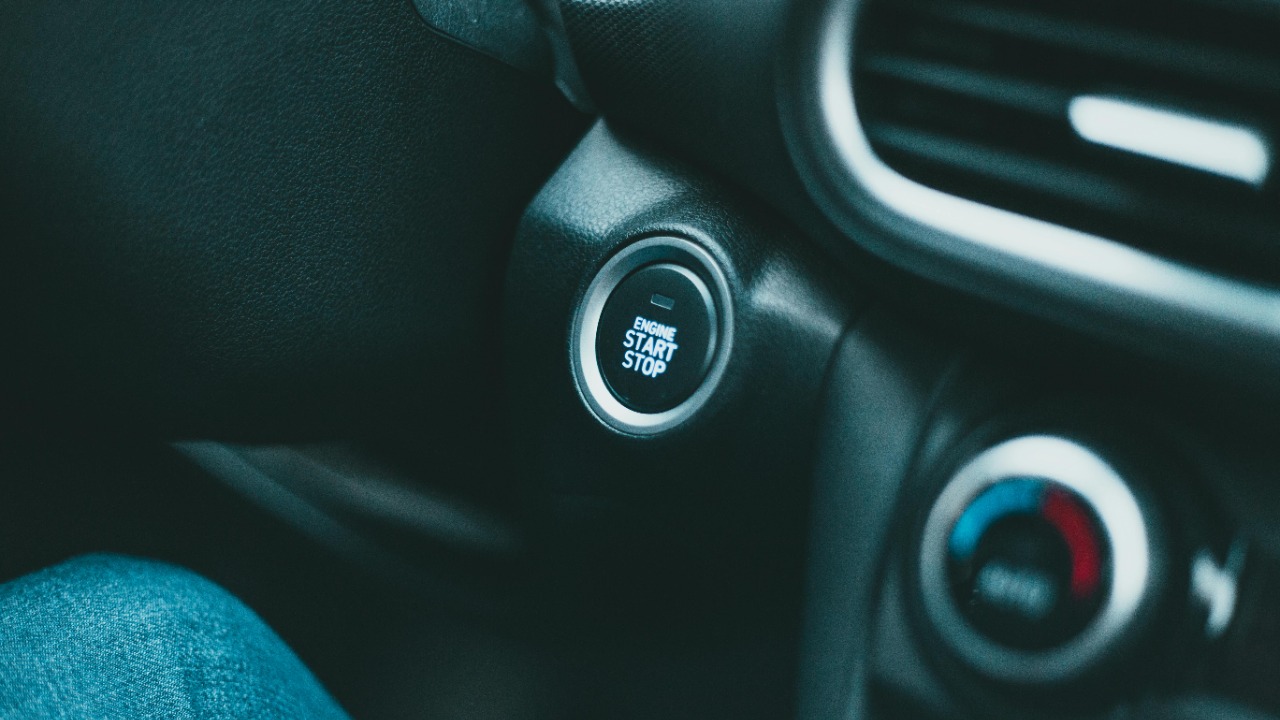
Every time your engine cuts at a red light and fires back up when traffic moves, you might wonder how much extra punishment those restarts create. Automakers know you ask that question, and they have quietly redesigned engines, starters, batteries, and software so that frequent stop-and-restart cycles do not grind your powertrain into an early rebuild.
Rather than simply switching the ignition off and on, modern systems choreograph where the engine stops, how quickly it spins back to life, and how oil, fuel, and electricity support that moment. A look under the hood shows how much engineering is aimed at avoiding extra wear instead of just chasing a marginal fuel economy number.
Why engineers worry about start-stop wear in the first place
Drivers have heard for years that the hardest moment in an engine’s life is the first crank after a cold soak, when oil has drained down and metal surfaces meet with little protection. That history fuels the fear that if you add dozens of extra starts to every commute, you automatically shave years off engine life. Engineers working on start-stop had to confront that legacy and separate old carbureted behavior from modern, tightly managed systems.
They also had to deal with the fact that the basic architecture of a traditional starter and lead-acid battery was never meant for hundreds of cycles per day. A conventional starter might see a few turns in a city drive, while a start-stop car can rack up far more engagements. Technical discussions of engine stop-start systems point out that this concern pushed suppliers to rethink mechanical wear, electrical load, and thermal stress from the ground up rather than bolting a software trick onto an old design.
How the basic start-stop system works around engine stress
Before you can judge wear, you need to understand what the system actually does. When you brake to a halt and keep the pedal down, the control unit watches coolant temperature, cabin demand, battery charge, and other signals. If conditions look right, it cuts fuel and spark and lets the engine come to rest, then waits for your foot to move to the accelerator or for steering input before commanding an instant restart. Descriptions of the start-stop system explain that this logic grew out of European efforts to reduce fuel use and emissions in city testing cycles, where many engines spend a quarter of their time idling.
From your perspective, the process feels simple, but in the background the control unit is careful about when it intervenes. If the engine is still cold, if the air conditioning is working hard, or if the battery charge is marginal, the system will often skip the stop entirely. Guidance on start-stop characteristics highlights that calibration, not just hardware, is a major tool to avoid harsh operation, because the system simply refuses to engage when it would create discomfort or mechanical risk.
Stronger starters, smarter gearing, and cleaner restarts
To keep repeated cranking from chewing up components, you get a different kind of starter than the one in older cars. High-cycle units use reinforced bearings, upgraded brushes or brushless designs, and heavier wiring so they can survive far more engagements. Technical breakdowns of mechanical wear issues describe how the gear ratio between the starter-drive pinion and the flywheel ring gear is optimized to minimize impact, which reduces the shock load you would otherwise deliver to the teeth on every start.
Control units also know exactly where the crankshaft stopped, which lets them place the pistons in a position that favors a quick, clean restart. With improved engine position sensors and precise fuel and spark timing, the engine can fire almost immediately instead of grinding through several revolutions. That speed matters for wear, because the faster the engine reaches stable idle, the less time it spends in a marginal lubrication state where bearings and rings see the most stress.
Why your battery and charging system look different
Pop the hood on a recent Ford Escape, Jeep Grand Cherokee, or BMW 3 Series with start-stop and you often find an absorbed glass mat or enhanced flooded battery instead of a basic flooded unit. These batteries are built for deeper cycling and higher cranking demand, and some, such as a Mighty Max Battery in Group Size 48, advertise high cold cranking amps and reserve capacity specifically for start-stop duty. That extra capability keeps voltage from sagging during frequent restarts, which protects not just the starter but also sensitive electronics.
The charging system evolves as well. You are not just relying on a simple alternator that tops the battery whenever the engine happens to be spinning. Descriptions of stop-start charging systems describe high-output alternators, sometimes paired with a starter-generator unit between the engine and transmission, that can recapture energy during deceleration and quickly replenish the battery. By keeping the electrical system in a healthy window, engineers avoid the low-voltage situations that used to shorten starter and solenoid life.
Oil, lubrication strategy, and engine design changes
To keep metal from touching metal during those extra starts, you rely on more than just a better starter. Engineers specify low-viscosity oils that flow quickly at moderate temperatures, so the film rebuilds on bearings and cam lobes almost as soon as the crankshaft moves. Some technical discussions of automaker strategies note that many original equipment manufacturers pair start-stop with deeper oil sumps and careful temperature monitoring, which keeps lubricant in a range where it can protect surfaces even during frequent restarts.
Inside the engine, you also benefit from tighter clearances, improved surface finishes, and in some designs small accumulators that hold oil under pressure for the next start. When you combine those mechanical tweaks with precise control of fuel and spark, the engine can reach stable idle with fewer revolutions, which shortens the time spent in boundary lubrication. Technical coverage of flywheel design also points out that revised inertia and ring gear profiles help engines spin up more smoothly, trimming both mechanical shock and energy use during each start.
More from Fast Lane Only