Throughout automotive history, certain vehicles have transcended their roles as mere transportation tools to become cultural icons. These cars shaped not only the auto industry but also the lifestyle and culture of their respective eras. Let’s take a journey through time and explore fifteen cars that defined entire decades and left an indelible mark on society.
1920s: Ford Model T
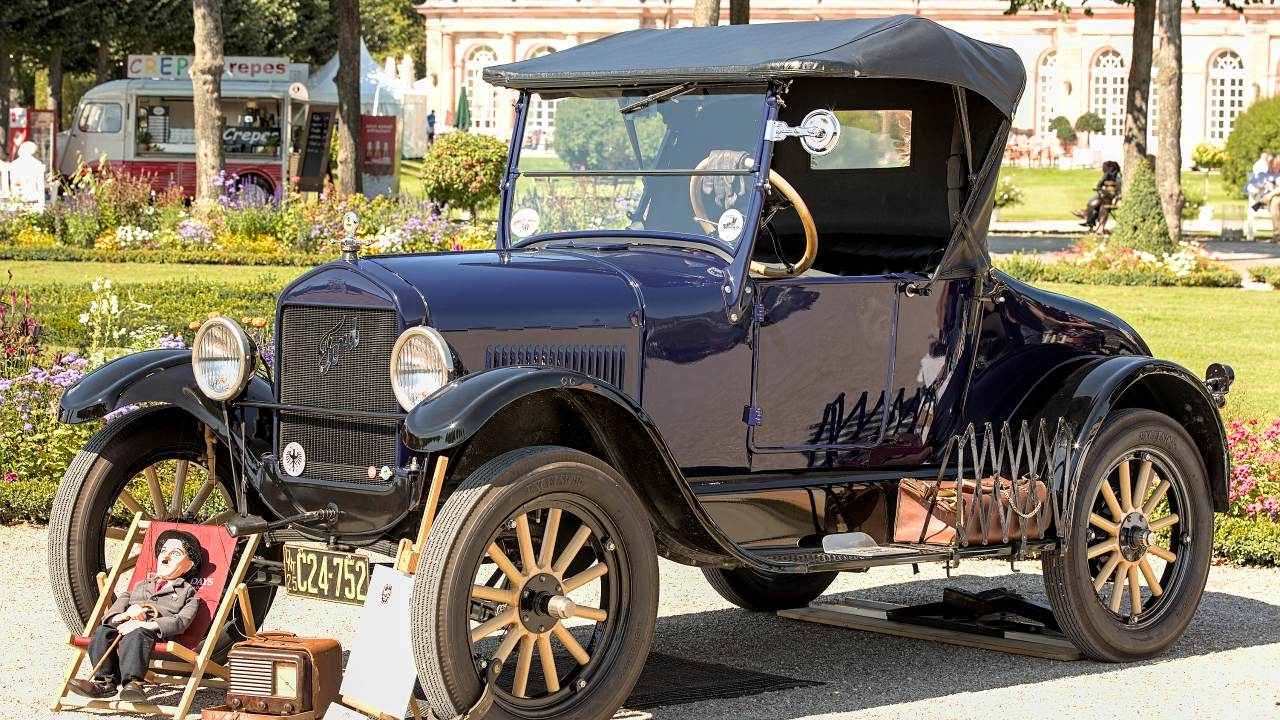
The Ford Model T, introduced by Henry Ford in 1908, became the defining vehicle of the 1920s due to its affordability and revolutionary manufacturing process. By the 1920s, it had become a symbol of mobility and independence for the average American. The Model T’s assembly line production reduced costs, making car ownership possible for the masses and reshaping the American landscape with roads and highways.
Ford’s Model T wasn’t just a vehicle; it was a cultural phenomenon. It influenced the way cities and towns were developed, as people could now live further from their workplaces. The Model T’s impact on the economy was profound, creating new industries and jobs related to automotive travel.
1930s: Cadillac V16
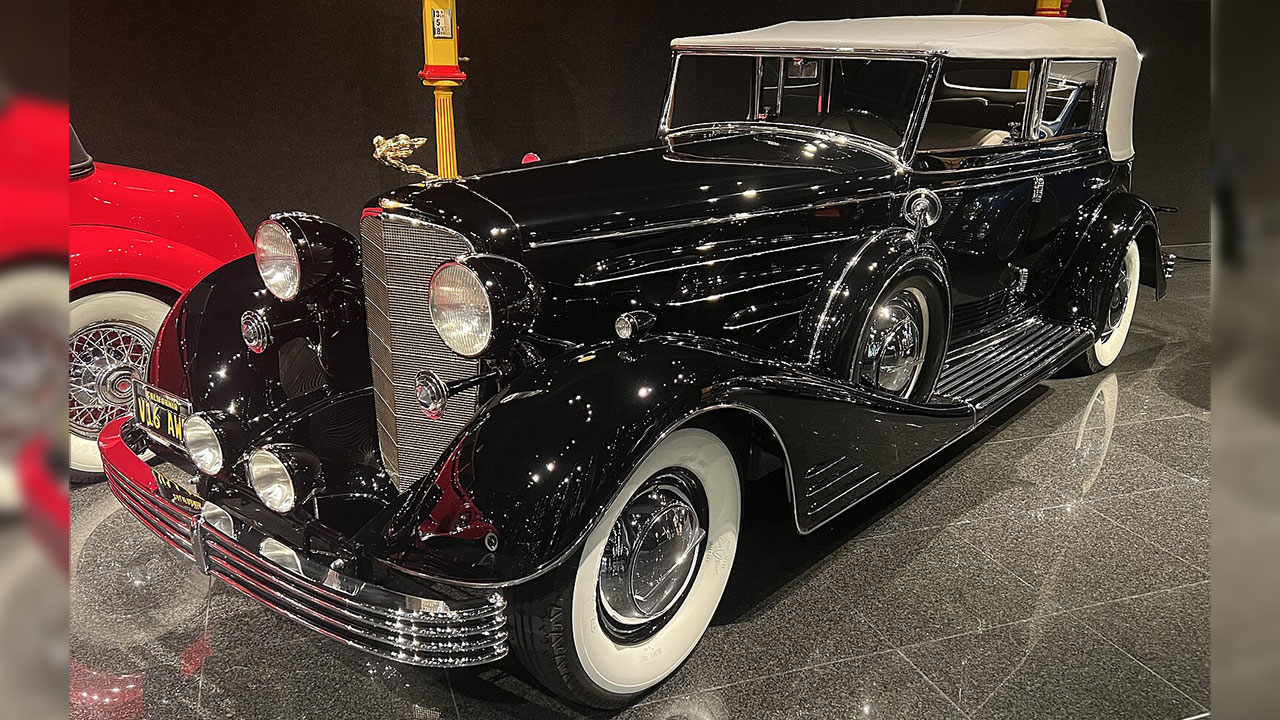
In the 1930s, the Cadillac V16 represented the epitome of luxury and engineering excellence. Launched in 1930, the V16 was the first production car to have a V16 engine, offering unprecedented power and smoothness. Its opulent design and superior build quality made it a favorite among the elite, embodying the aspirations and excesses of the pre-Depression era.
The Cadillac V16 set a new standard for luxury automobiles, influencing future generations of high-end vehicles. Despite the economic challenges of the Great Depression, it remained a symbol of success and ambition, characterized by its grandeur and attention to detail.
1940s: Jeep Willys MB
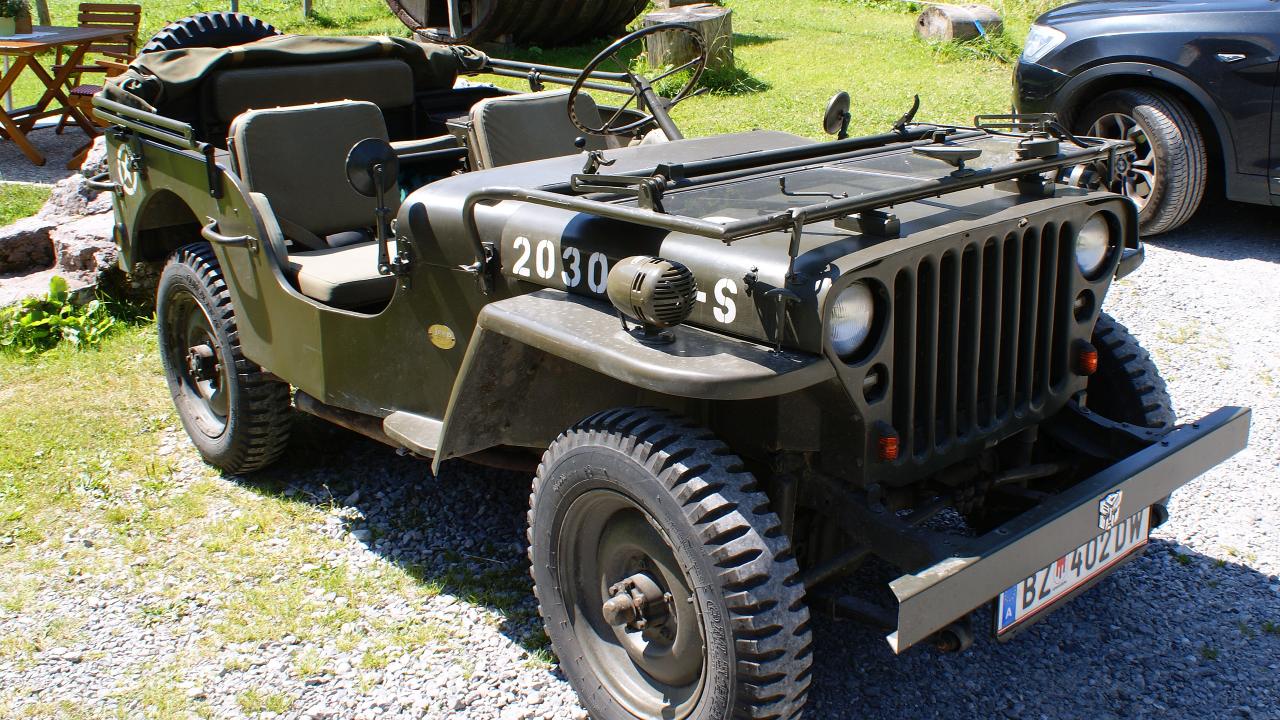
The Jeep Willys MB is often credited as the vehicle that won World War II. Its rugged design, four-wheel drive, and versatility made it indispensable to Allied forces. Developed in the early 1940s, it became an icon of American ingenuity and resilience. After the war, its civilian version, the CJ, laid the foundation for the modern SUV market.
The Jeep’s utilitarian design and off-road capabilities made it popular among post-war consumers looking for adventure and reliability. Its influence extends to today’s off-road vehicles, which owe much to the original Willys MB.
1950s: Chevrolet Bel Air
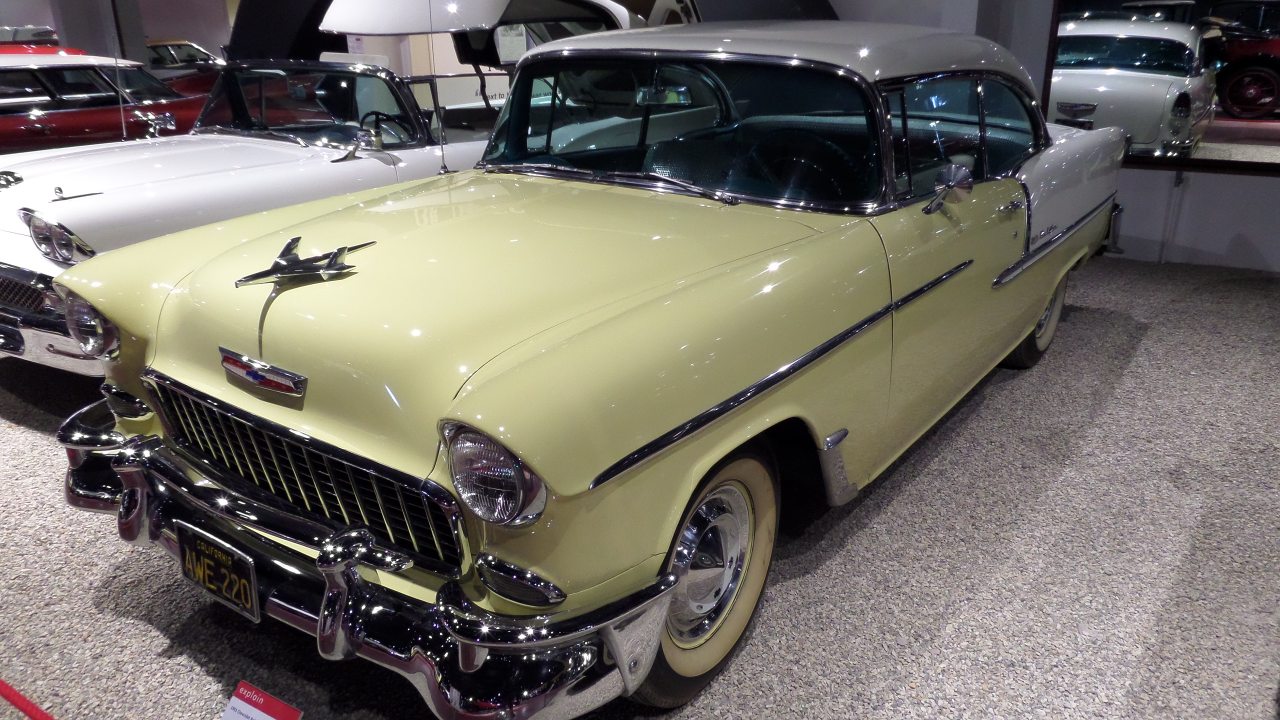
During the 1950s, the Chevrolet Bel Air epitomized the era’s optimistic spirit and booming economy. With its stylish design, chrome accents, and powerful V8 engine, the Bel Air became a symbol of American prosperity and innovation. It was a car that families aspired to own, reflecting the newfound post-war affluence.
The Chevrolet Bel Air’s impact on car culture continues to this day, celebrated in classic car shows and cherished by collectors. It represented a time when American automotive design was at its most flamboyant and influential.
1960s: Ford Mustang
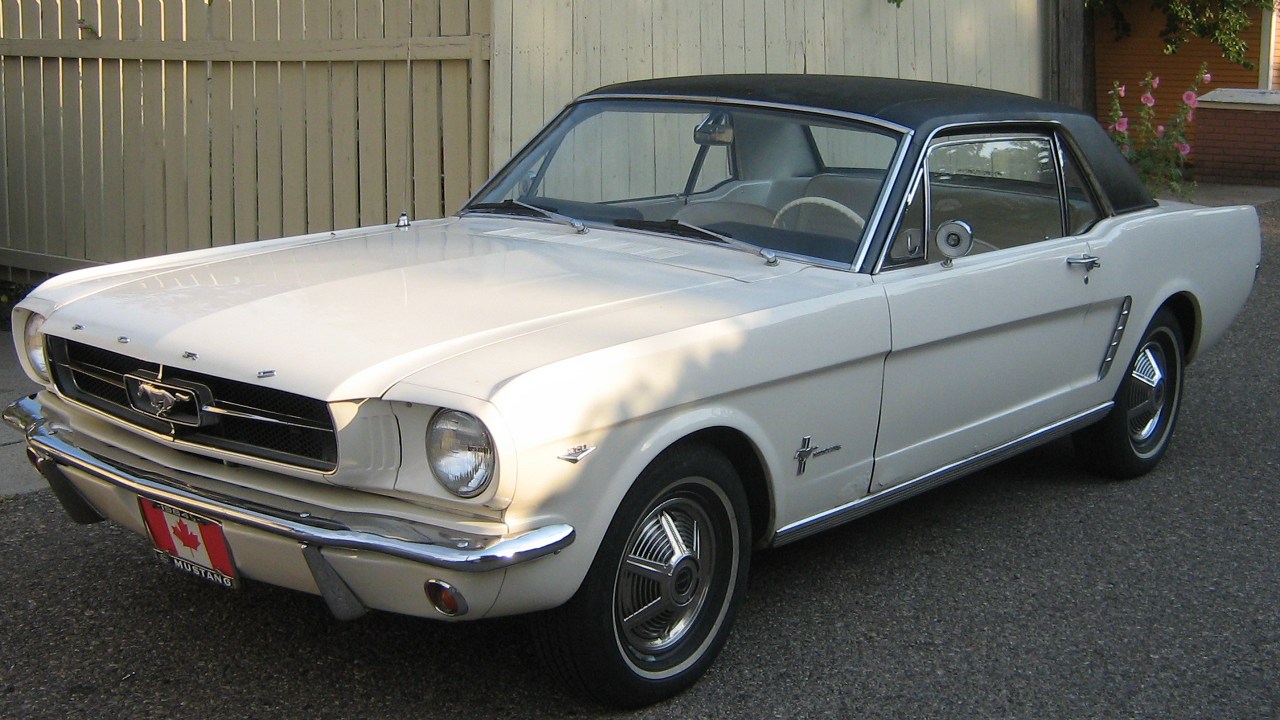
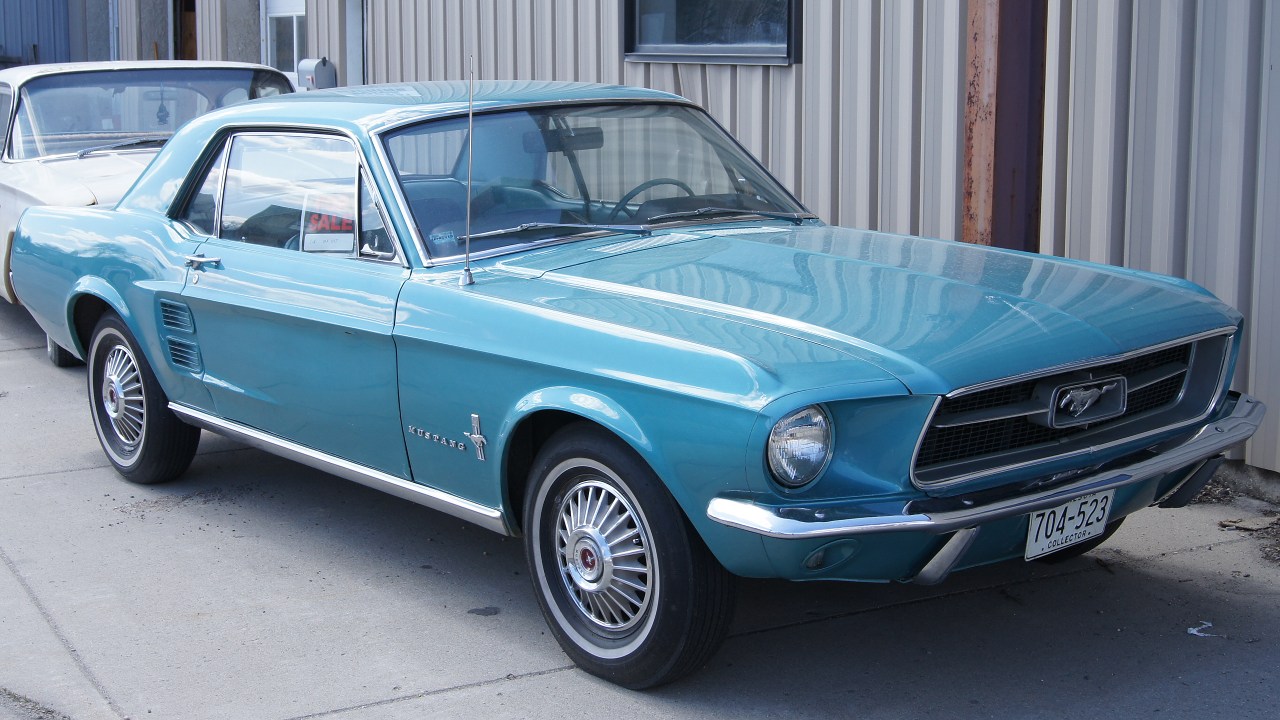
The 1960s saw the birth of the pony car, led by the iconic Ford Mustang. Launched in 1964, the Mustang captured the imagination of a generation with its sporty design and affordable price. It became synonymous with freedom and rebellion, thanks in part to its appearances in movies and pop culture.
The Mustang’s success sparked a new segment in the automotive market and inspired competitors like the Chevrolet Camaro and Dodge Challenger. Its influence is still felt today, with the Mustang remaining a symbol of American muscle and performance.
1970s: Volkswagen Beetle
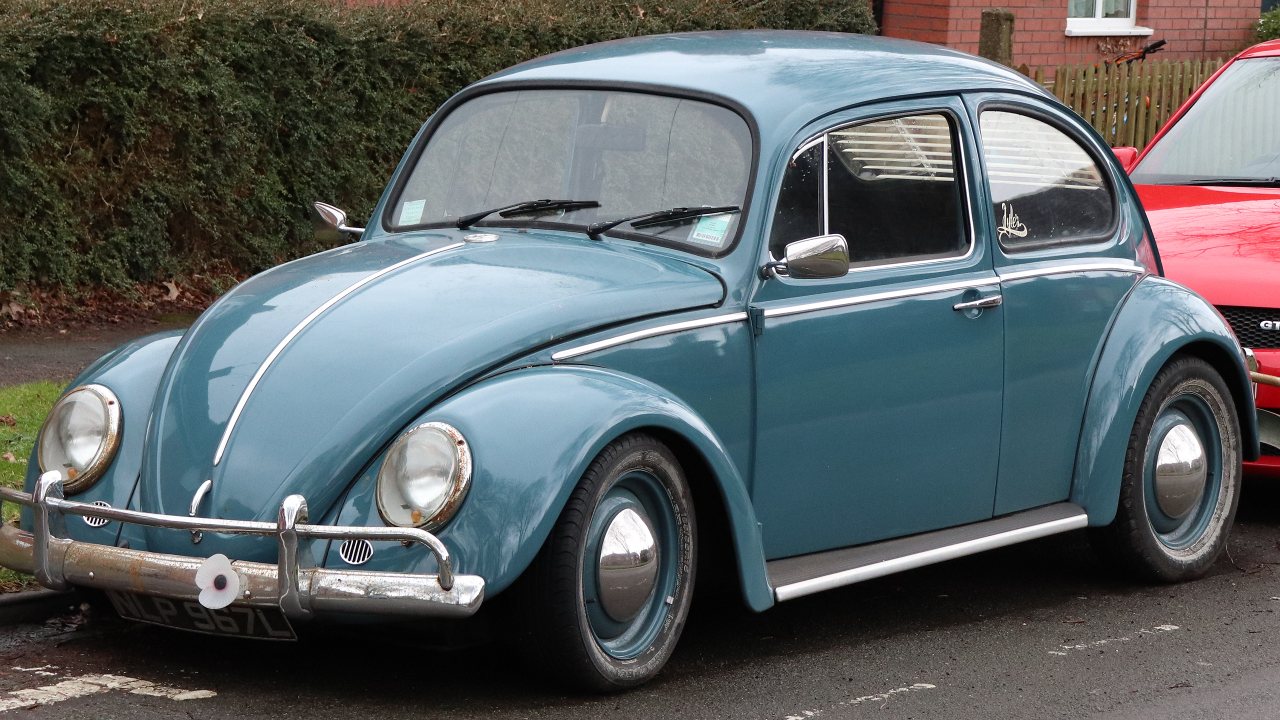
The Volkswagen Beetle, or “Bug,” became a cultural icon in the 1970s, though its roots stretch back to the 1930s. Its simple, reliable design made it a favorite among young people and counterculture movements. The Beetle’s affordability and quirky charm helped it become the best-selling car of its time.
Its influence went beyond its practicality, as it became a symbol of peace and love during the tumultuous era. The Beetle’s enduring legacy is evident in its continued popularity and the nostalgia it evokes among enthusiasts worldwide.
1980s: BMW 3 Series (E30)
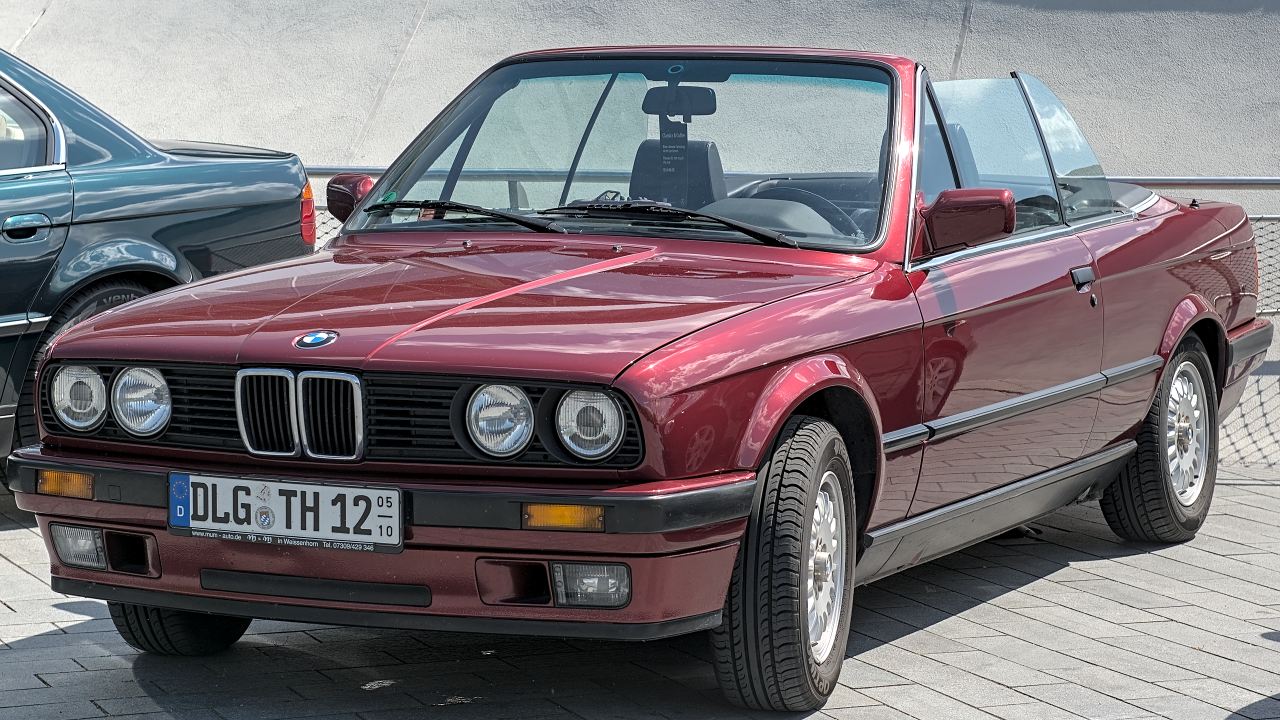
The BMW 3 Series (E30) was the quintessential car of the 1980s, embodying the era’s focus on performance and precision. Launched in 1982, the E30 quickly became a favorite among driving enthusiasts for its balanced handling and sporty design. It set new standards for compact sports sedans and cemented BMW’s reputation for engineering excellence.
The E30’s influence is visible in today’s luxury sports cars, many of which strive to replicate its blend of performance and practicality. Its impact on the automotive industry is still felt, with the 3 Series remaining a cornerstone of BMW’s lineup.
1990s: Toyota Corolla
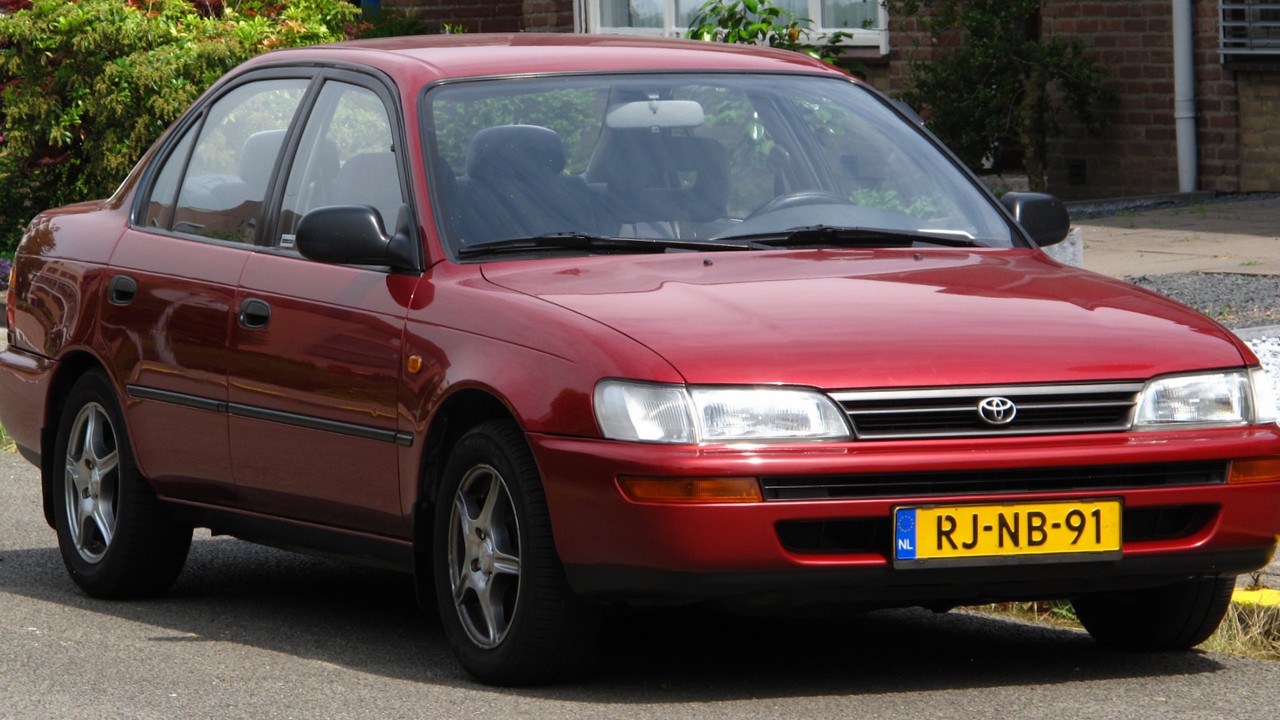
In the 1990s, the Toyota Corolla became synonymous with reliability and practicality. As a compact car, it offered excellent fuel efficiency and low maintenance costs, making it a favorite among families and commuters. Its reputation for dependability helped it become the best-selling car globally during the decade.
The Corolla’s impact on the automotive world cannot be overstated, as it set benchmarks for build quality and longevity. Its success influenced car manufacturers worldwide to prioritize reliability and efficiency in their compact offerings.
2000s: Toyota Prius
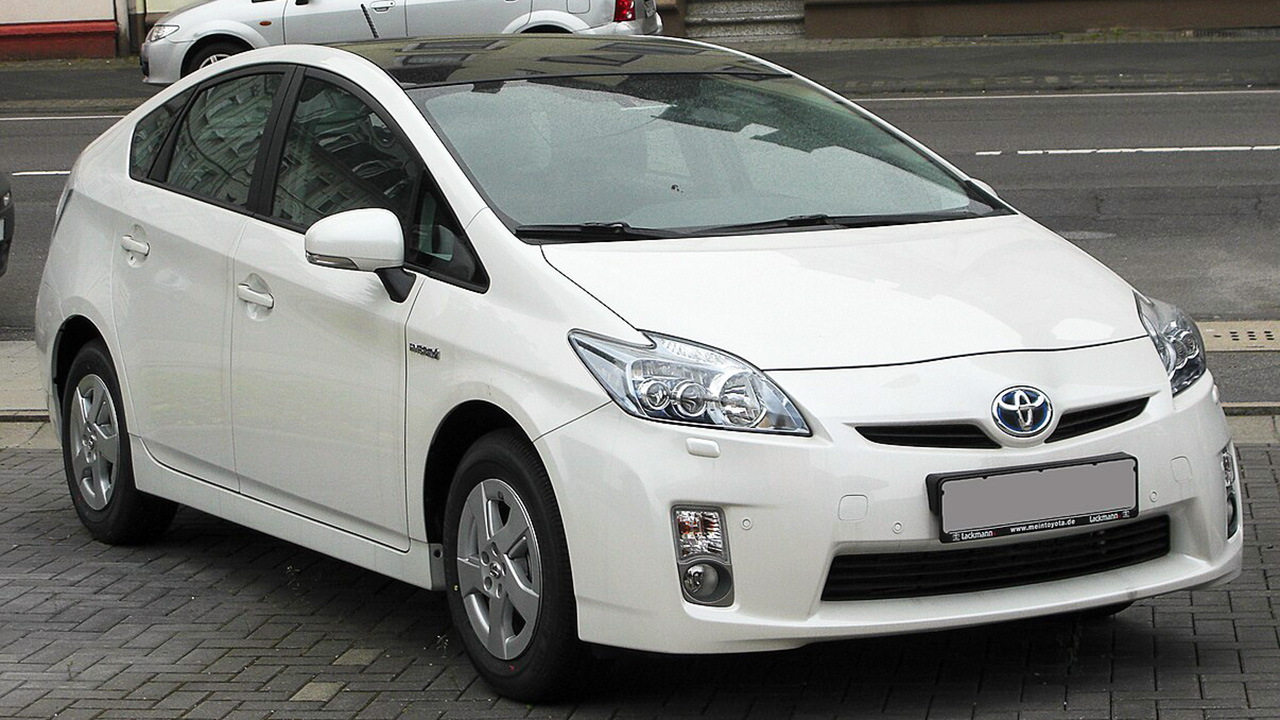
The Toyota Prius revolutionized the automotive industry in the 2000s by popularizing hybrid technology. Introduced in 1997 and gaining prominence in the 2000s, the Prius became the poster child for eco-friendly driving. Its efficient hybrid powertrain appealed to environmentally conscious consumers and paved the way for future alternative fuel vehicles.
The Prius’s success demonstrated that sustainability and practicality could coexist in the automotive world. Its influence is seen in the widespread adoption of hybrid and electric vehicles, which continue to gain traction as concerns about climate change grow.
2010s: Tesla Model S
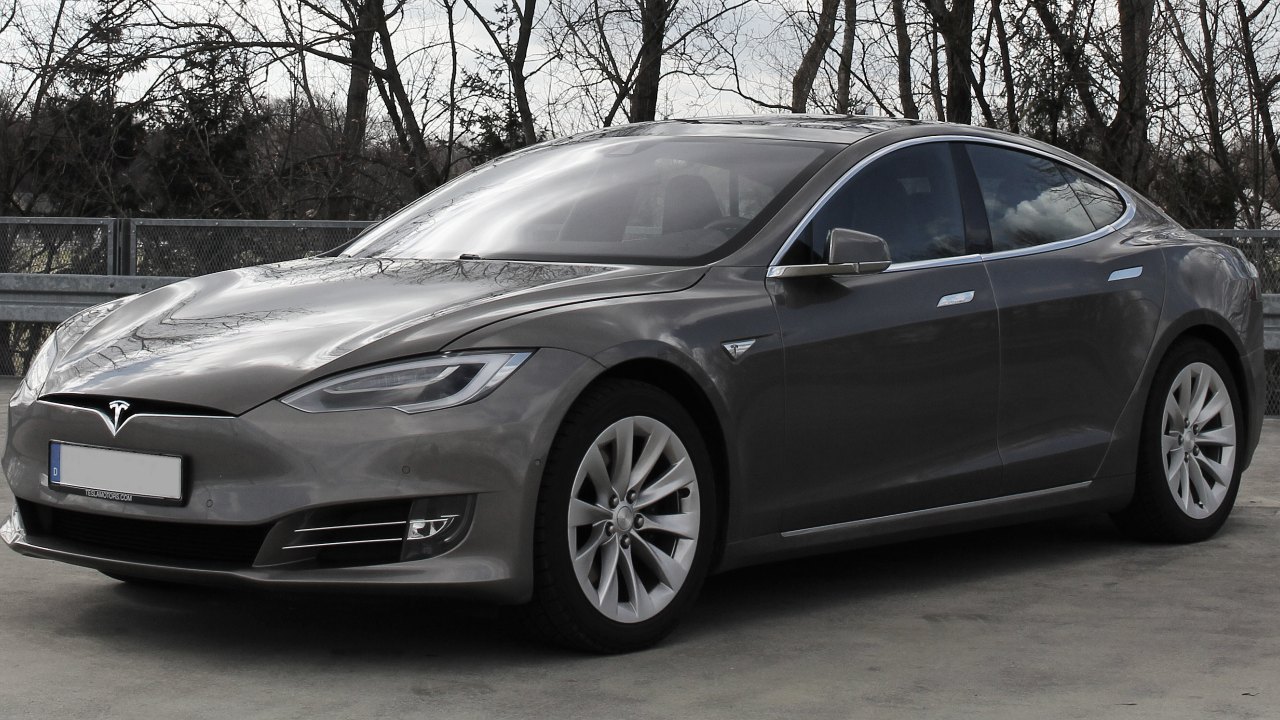
The Tesla Model S, launched in 2012, redefined the electric vehicle market in the 2010s. With its impressive range, cutting-edge technology, and sleek design, the Model S proved that electric cars could be both practical and desirable. It challenged traditional automakers to innovate and pushed the boundaries of what was possible in automotive technology.
The Model S’s impact extends beyond its technological advancements, as it helped shift public perception of electric vehicles from niche products to mainstream contenders. Its influence is evident in the growing number of electric models offered by major manufacturers today.
2020s: Rivian R1T
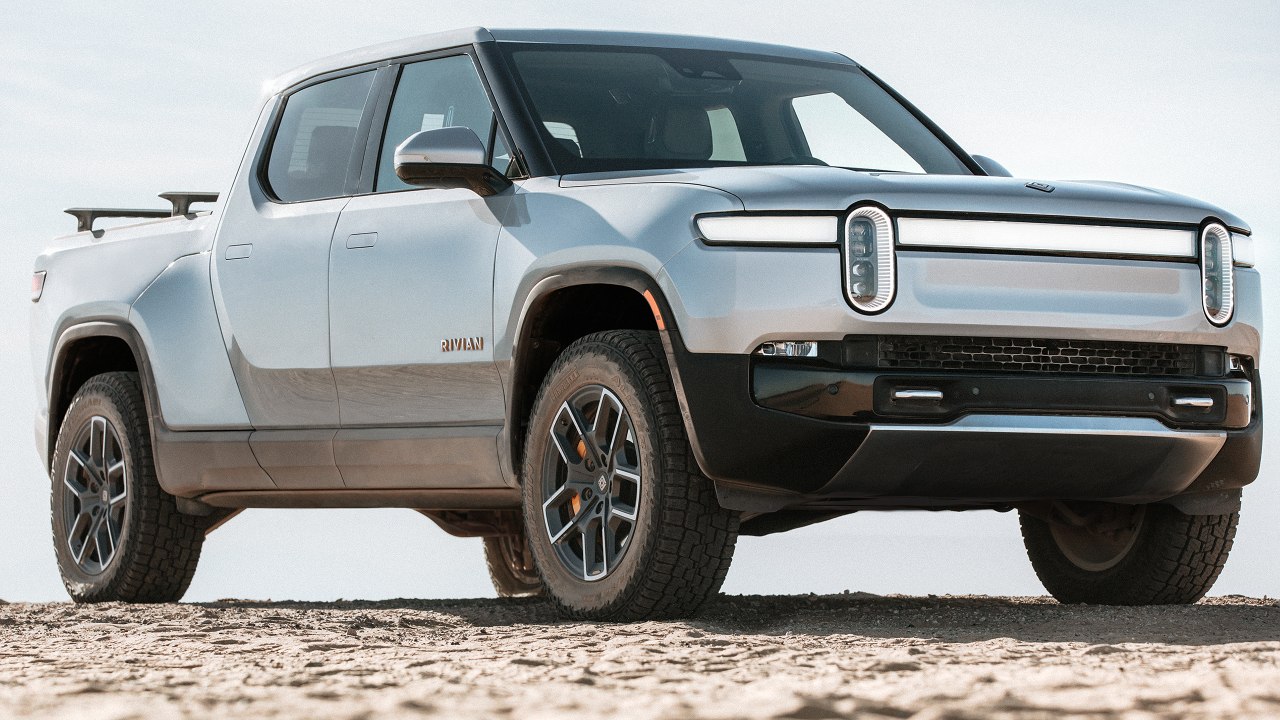
The Rivian R1T is poised to shape the 2020s automotive landscape with its innovative approach to electric trucks. Launched in 2021, the R1T combines rugged capability with sustainable technology, appealing to adventurers and eco-conscious consumers alike. Its impressive range and off-road capabilities set it apart in the burgeoning electric pickup market.
The R1T’s success reflects a growing trend towards sustainable adventure vehicles and highlights the increasing importance of environmental responsibility in automotive design. Its influence is likely to inspire future electric truck developments as the market evolves.
Luxury and Performance: Ferrari 250 GTO
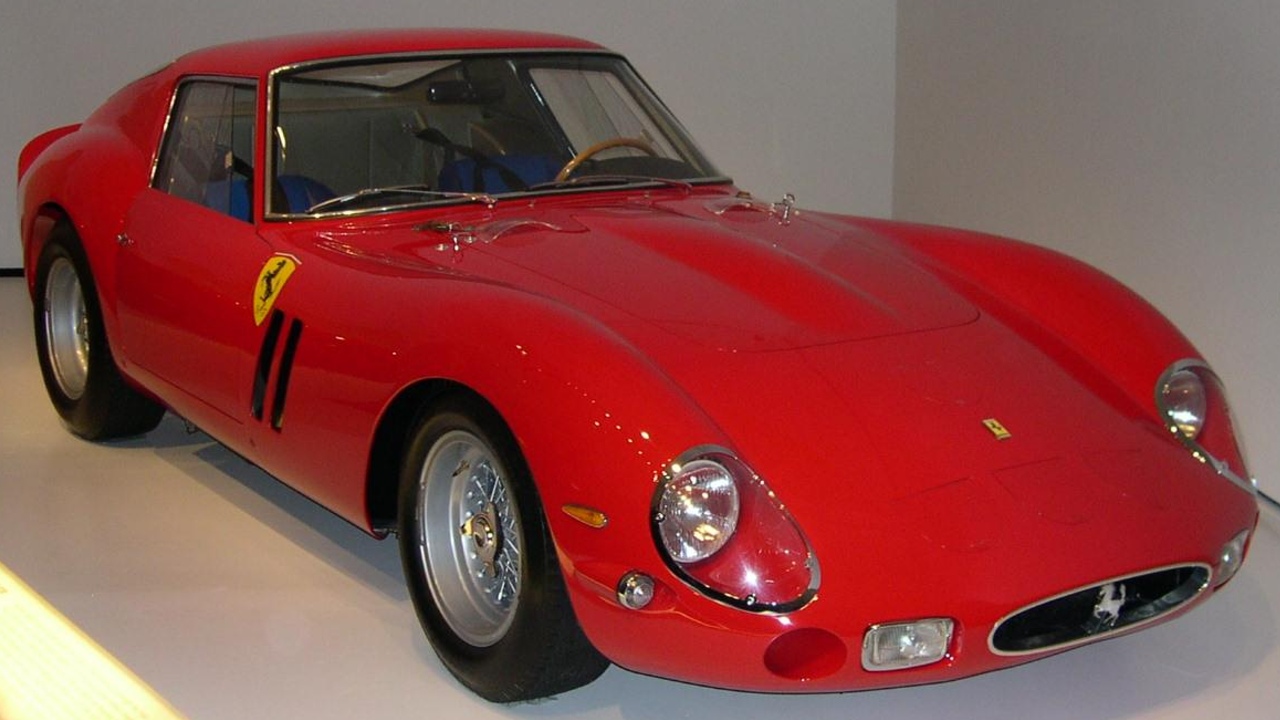
The Ferrari 250 GTO is widely regarded as the pinnacle of luxury and performance in the automotive world. Produced between 1962 and 1964, the 250 GTO was a racing legend, combining stunning design with unparalleled engineering. Its rarity and success on the track have made it one of the most coveted and valuable cars in history.
The 250 GTO’s influence is seen in the continued pursuit of performance excellence by luxury car manufacturers. Its legacy lives on in the world of high-performance vehicles, where beauty and power remain paramount.
Off-Road Adventures: Land Rover Defender
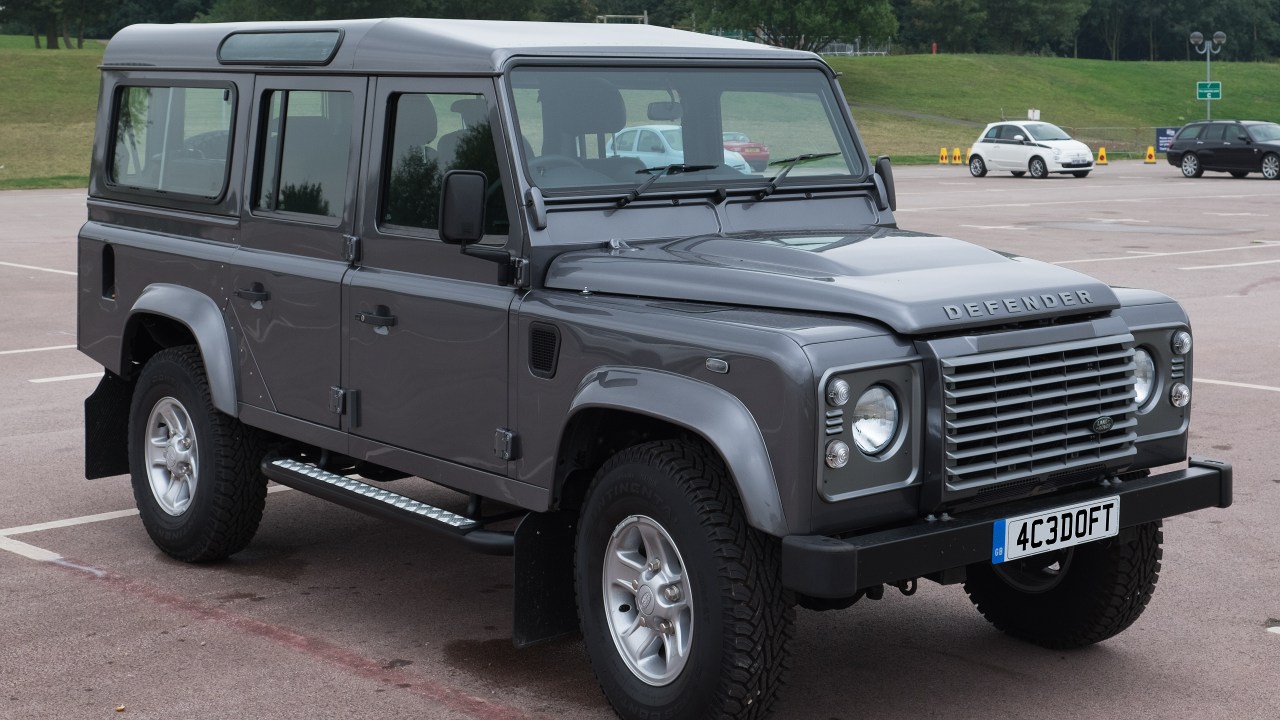
The Land Rover Defender has been the go-to vehicle for off-road adventures since its introduction in 1948. Known for its rugged durability and unmatched off-road capabilities, the Defender has been a favorite among explorers and adventurers for decades. Its utilitarian design and ability to conquer challenging terrains have made it an icon of exploration.
The Defender’s impact on the off-road vehicle market is undeniable, inspiring generations of SUVs and 4x4s. Its legacy continues with the modern version, which pays homage to the original while incorporating contemporary technology and comfort.
Family and Practicality: Chrysler Minivan
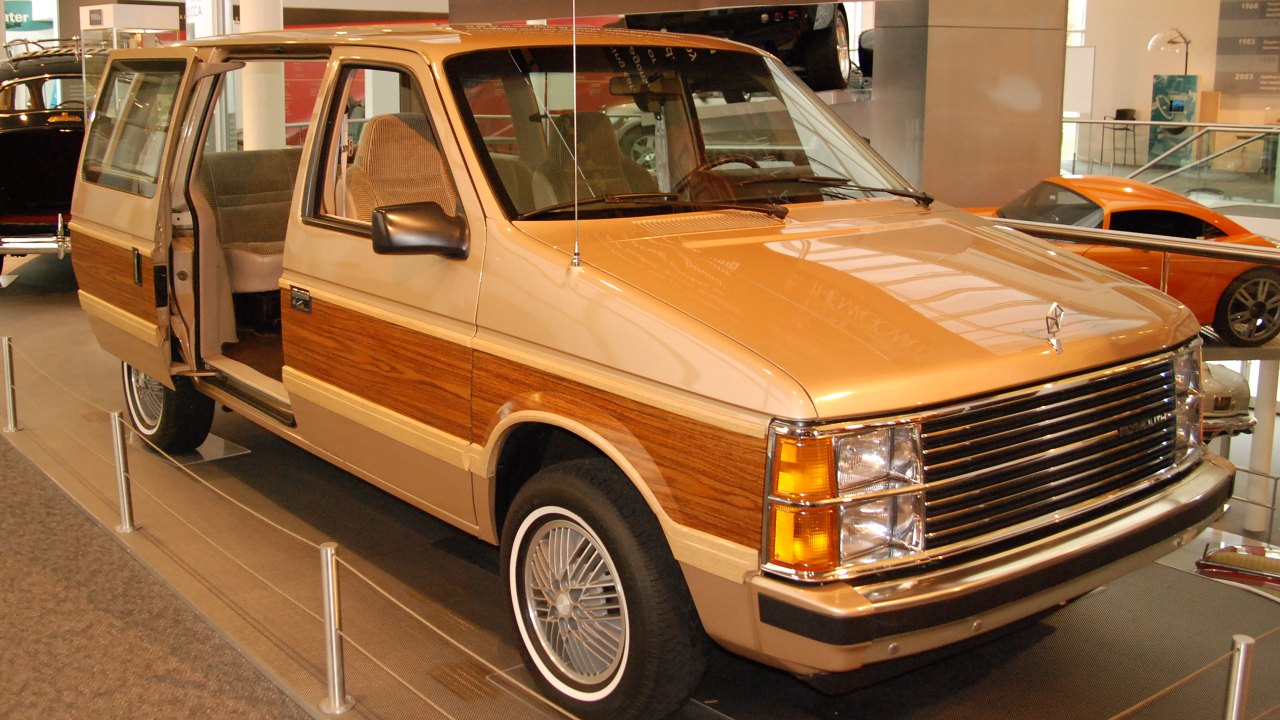
The Chrysler Minivan, launched in 1984, transformed family transportation by introducing the minivan concept to the mainstream. Its spacious interior, sliding doors, and versatility made it an instant hit with families seeking practicality and comfort. The minivan became the quintessential family vehicle, offering a new level of convenience for parents and children alike.
The Chrysler Minivan’s influence is evident in today’s family vehicles, many of which borrow design elements and features from the original. Its legacy endures as a symbol of practicality and innovation in automotive design.
Iconic Design: DeLorean DMC-12
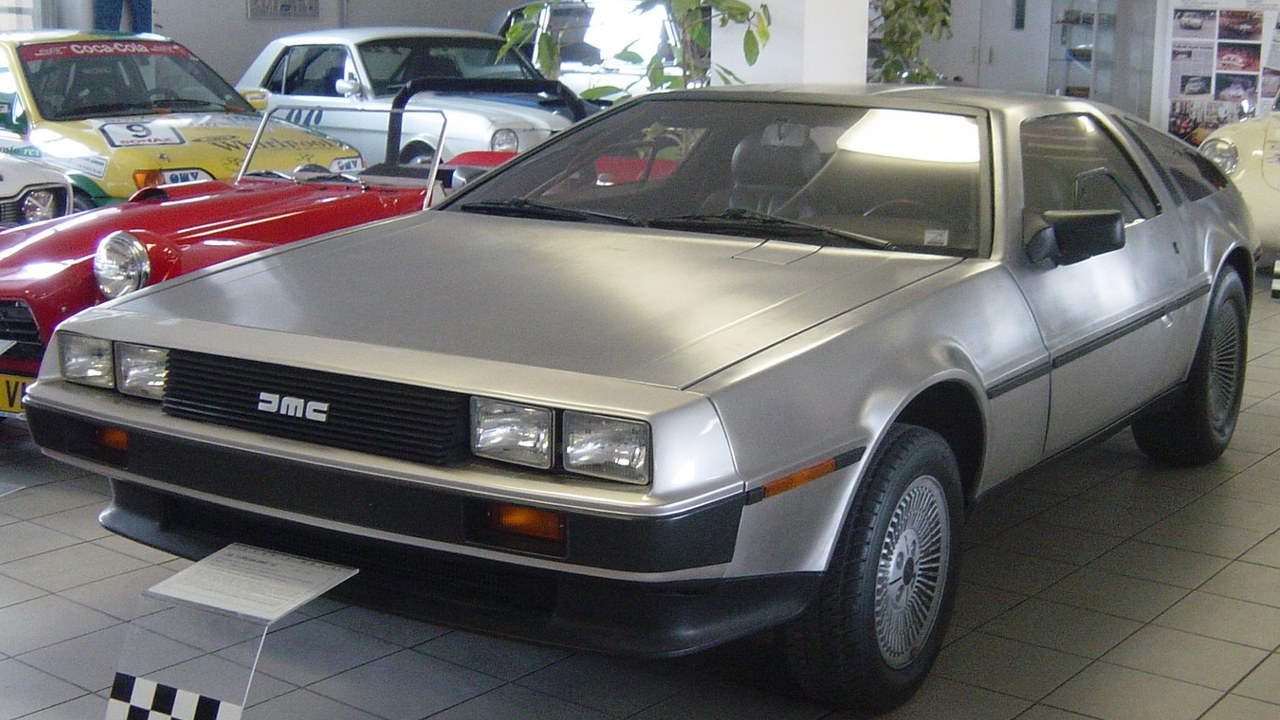
The DeLorean DMC-12, with its distinctive gull-wing doors and stainless-steel body, became an icon of 1980s design and pop culture. Though its production run was short-lived from 1981 to 1983, the DMC-12 gained legendary status after its appearance in the “Back to the Future” film series. It captured the imagination of a generation and remains a symbol of futuristic automotive design.
The DeLorean’s influence extends beyond its unique aesthetics, as it continues to inspire designers and enthusiasts with its bold and unconventional approach. Its legacy lives on as a testament to creative innovation in the automotive industry.
Like Fast Lane Only’s content? Be sure to follow us.
Here’s more from us:
*Created with AI assistance and editor review.