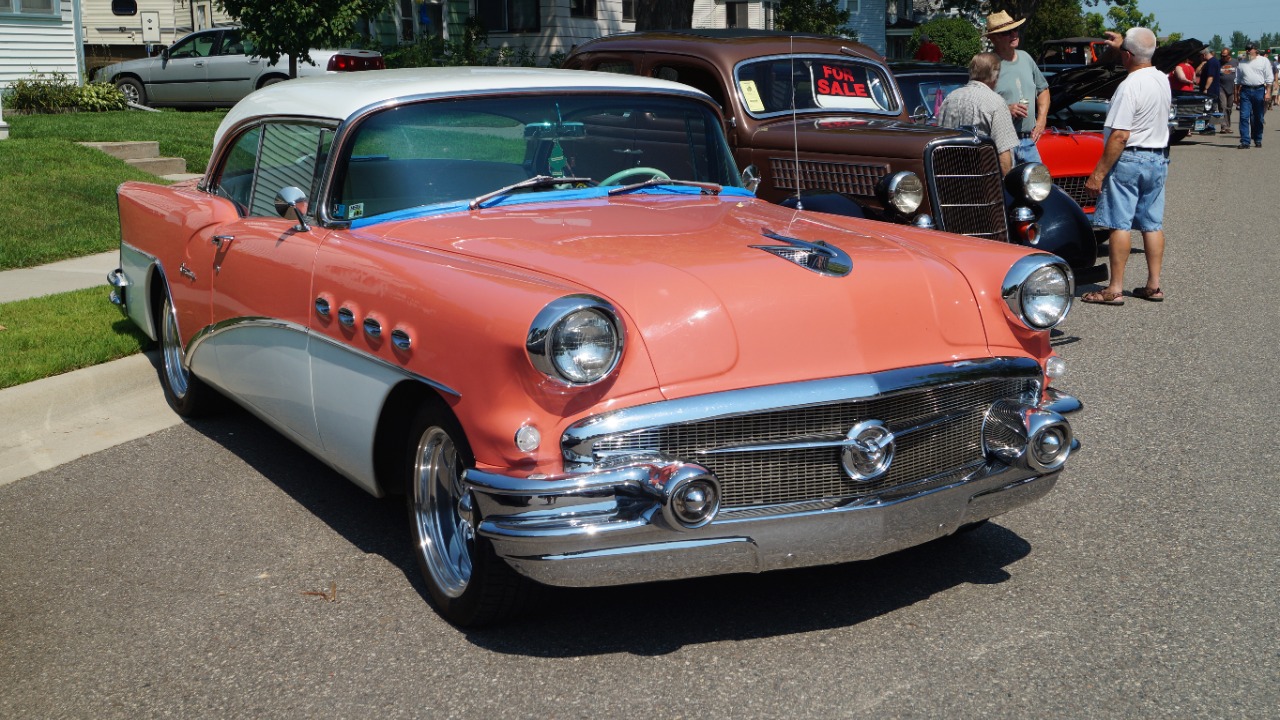
The 1956 Buick Century did not become a legend on nostalgia alone. It earned its standing by combining serious performance, fashionable design, and a social presence that fit mid‑fifties America perfectly. When I look at this car, I see a model that backed up its bold name with real substance on the road and in the showroom.
From Series 60 roots to a mid‑fifties sweet spot
To understand why the 1956 Buick Century feels so complete, I start with its lineage. The name itself goes back to the original Buick Century, which debuted as the Series 60 and quickly became known for pairing a big engine with a shorter, lighter body. That basic formula, a powerful drivetrain in a relatively trim package, set the tone for what the badge would mean for decades. By the mid‑fifties, Buick was refining that idea into something more polished, using the body of the Buick Special as a starting point and then turning the wick up for buyers who wanted more than entry‑level comfort.
By 1956, the Century sat in a carefully judged spot in Buick’s hierarchy, above the more modest Special but below the lavish Roadmaster. The company had already shown it could think ahead with futuristic show cars that appeared in General Motors traveling Motorama, where experimental features like a small screen on the dashboard hinted at a brand comfortable with innovation. The Century translated that forward‑looking attitude into a production car that felt modern without being fragile, a balance that still shows in the way collectors talk about it today.
Power that matched the nameplate
Reputation in the fifties was not built on styling alone, and the Century’s mechanicals gave it real credibility. Buick’s V8 family was already strong, and period coverage of a sibling model describes a 322 cubic inch Fireball engine with Its 322 cubic inch Fireball V8 producing 255 horsepower and 341 pound‑feet of torque. Those figures, 255 horsepower and 341 pound‑feet, were serious numbers for a family car, and they give a clear sense of the performance envelope Buick was working with across the line. The Century shared that basic hardware, which meant its name was not just marketing; it had the muscle to keep up with the era’s traffic and then some.
What makes that output more impressive to me is how it fit into the broader 1956 Buick range. Contemporary descriptions of the 1956 Buicks note that the Special made 225 horsepower while the other models, including the Century, stepped up to 255. That 225 to 255 spread shows Buick deliberately using power to differentiate trims, and it underscores why the Century felt like a step up from the Special without reaching into Roadmaster territory. When a car sits in the middle of a lineup yet still delivers the stronger engine tune, it naturally builds a following among drivers who care about how a car feels when you lean into the throttle.
Design, Riviera glamour, and the social life of a Century
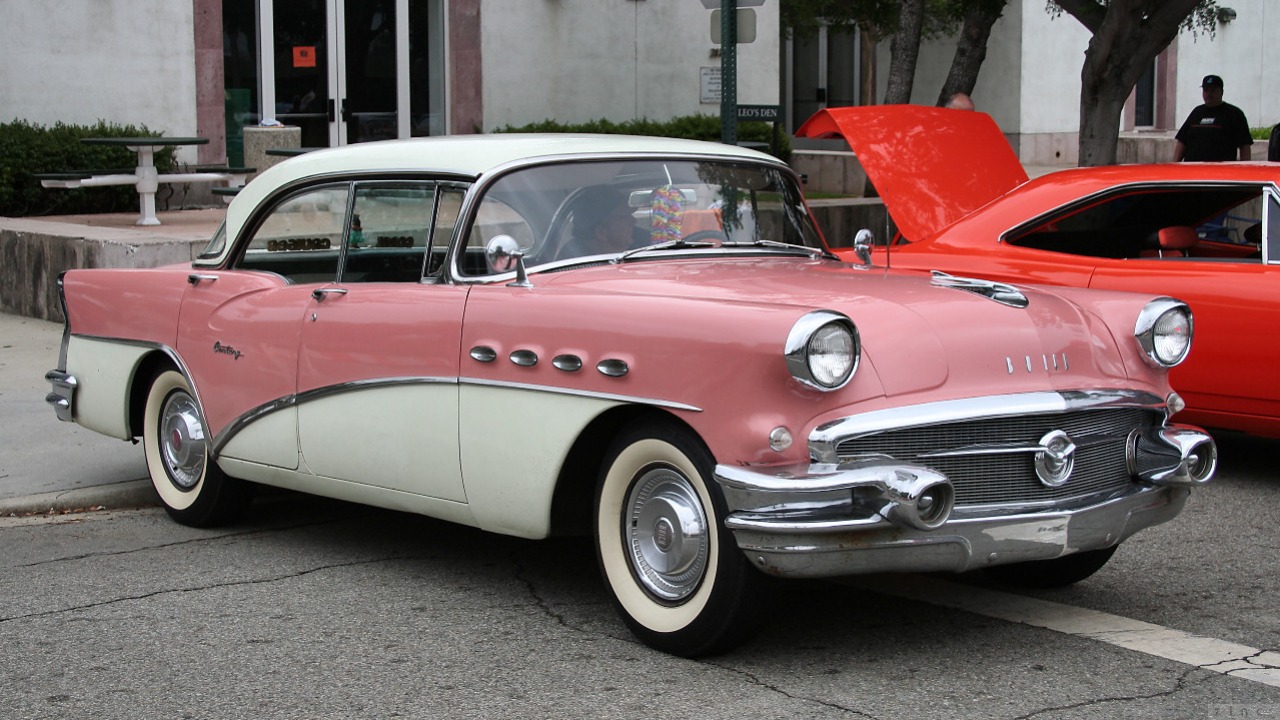
Performance alone would not have made the 1956 Century such a social statement, and this is where the Riviera body styles come in. Mid‑year in 1955, Buick introduced a four‑door hardtop that it called the Century “Riviera,” a sleek roofline shared with a companion Mid Buick Century Riviera and Along Oldsmobile body that gave buyers a pillarless profile without sacrificing practicality. By 1956, that look had settled in as one of the most fashionable ways to arrive at a restaurant, a drive‑in, or a suburban cocktail party. The Riviera roof, with its generous glass and flowing lines, made the Century feel lighter and more modern than a traditional sedan, even though it rode on essentially the same chassis.
Writers who have spent time with a surviving Curbside Classic Buick Century Riviera Four Door Hardtop describe the mid‑fifties as a moment when buyers wanted See And Be Seen, and the Century delivered exactly that. The car’s long, low stance, the sweep of its side trim, and the way the hardtop framed its passengers turned it into a rolling living room for people who valued social amenities, not raw speed alone. When I picture a Century pulling up to a drive‑in, I see a car that made its occupants feel important without tipping into the ostentation of the biggest Buicks, and that balance is a big part of why its reputation still feels earned rather than inflated.
How the Century fit among Special, Super, and Roadmaster
Context inside the Buick family also helps explain why the Century stands out. The Special was the entry point, with its 225 horsepower engine and a mission to deliver Buick style at a more accessible price. Above it, the Super and Roadmaster leaned into size and luxury, with the Roadmaster in particular becoming a symbol of how much America loved things big. Period sales figures for a 1956 1956 Buick Roadmaster sedan note that Just over 16,000 were sold, a reminder that the market rewarded that scale even in a softer economy. The Century slotted between these extremes, sharing much of the power and presence of the upper models while keeping its footprint and price closer to the middle.
From my perspective, that middle‑child status is exactly what made the Century so honest. It did not pretend to be the biggest or the most opulent, yet it quietly borrowed the stronger engine tune and the Riviera glamour that buyers associated with higher trims. At the same time, it stayed more agile and approachable than a full‑size Roadmaster, which made it attractive to younger families and drivers who still enjoyed taking the long way home. When enthusiasts today compare a Century to a Special or a Super, they are really weighing how much they value that blend of performance, style, and practicality, and the Century consistently comes out looking like the car that got the mix right.
Why the 1956 Century still feels deservedly admired
Looking back now, I see the 1956 Century as the moment when Buick’s long experiment with the Century nameplate finally clicked. The original Series 60 concept of a powerful engine in a shorter body was still there, but it had been wrapped in Riviera styling that spoke to the mid‑fifties desire for modernity and social visibility. The drivetrain figures, from the 322 cubic inch Fireball V8 to the 255 horsepower rating shared with other upper‑line Buicks, meant the car could back up its looks when the light turned green. At the same time, the Century did not chase extremes; it stayed within the bounds of what an everyday driver could afford and live with, which is often where the most enduring reputations are forged.
When I weigh all of that, the Century’s standing among enthusiasts feels less like mythmaking and more like a fair assessment of what the car actually was. It sat in a lineup where the Buicks Special offered 225 horsepower at the entry level and the Roadmaster sold in Just over 16,000 examples to buyers who wanted maximum size, yet the Century quietly delivered much of the same power and presence in a more balanced package. Add in the Riviera hardtop’s See And Be Seen character and the brand’s willingness to experiment in venues like General Motors traveling Motorama, and the 1956 Century comes into focus as a car that truly earned the respect it enjoys today, one honest mile at a time.