By the mid-1960s, the American automotive industry was obsessed with performance.
Horsepower figures were climbing rapidly, muscle cars were appearing in showrooms across the country, and younger buyers increasingly gravitated toward vehicles that promised speed and excitement. Manufacturers competed aggressively for attention, often focusing on acceleration numbers and racing credentials as the primary measures of success.
Yet not every buyer wanted a traditional muscle car.
Many consumers appreciated performance, but they also wanted comfort, refinement, and a sense of exclusivity. They wanted a car that felt special without sacrificing sophistication. For these buyers, personal luxury coupes offered an appealing alternative.
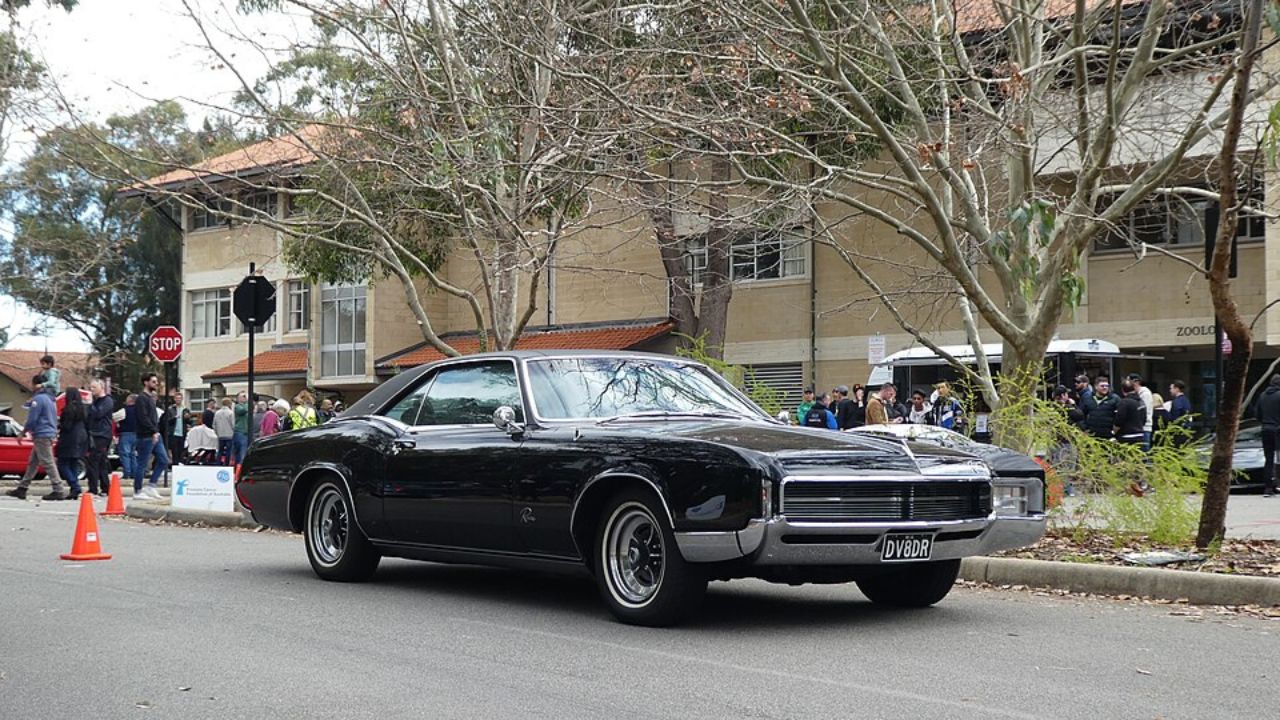
Few vehicles demonstrated the potential of that formula better than the 1967 Buick Riviera.
From its introduction in 1963, the Riviera had challenged conventional ideas about luxury automobiles. It combined elegant styling with strong performance and a distinctly individual character. By 1967, Buick had refined the concept even further, creating a vehicle that proved excitement and luxury could coexist remarkably well.
The Riviera wasn’t trying to be a muscle car.
It was showing that there was another path to automotive excitement.
And in many ways, that made it even more interesting.
The Riviera Was Already Different
When Buick introduced the Riviera in 1963, it immediately stood apart from most American luxury cars.
Traditional luxury vehicles of the era tended to be large, formal, and conservative. They emphasized comfort and prestige but often lacked the visual drama and driver engagement that appealed to enthusiasts. Buick recognized that some buyers wanted something different.
The Riviera filled that gap.
It offered luxury, but it also delivered style and personality. The car felt modern and sophisticated without becoming detached from the driving experience. Buyers appreciated the fact that it looked distinctive and drove with confidence.
By 1967, the Riviera had already earned a strong reputation.
The challenge was maintaining that momentum while competitors increasingly entered the personal luxury segment.
Fortunately, Buick understood exactly what made the car special.
The Styling Still Turned Heads
One of the Riviera’s greatest strengths remained its appearance.
Even four years after its debut, the second-generation Riviera continued attracting attention wherever it went. The 1967 model retained the sharp lines, elegant proportions, and dramatic presence that had helped define the car from the beginning.
The design managed to feel both sophisticated and athletic.
Its long hood, clean body sides, and carefully sculpted roofline created a silhouette unlike anything else in Buick’s lineup. While many luxury cars emphasized size above all else, the Riviera focused on proportion and balance.
This approach gave the car lasting appeal.
The Riviera looked expensive and exclusive without relying on excessive ornamentation. Buyers appreciated that confidence.
The styling made a statement before the engine even started.
Buick Refused to Choose Between Luxury and Performance
Many manufacturers treated luxury and performance as separate categories.
A customer could buy a comfortable luxury car or a powerful muscle car, but finding both qualities in a single vehicle often proved difficult. Buick approached the situation differently with the Riviera.
The company believed that premium buyers still enjoyed driving.
As a result, the Riviera offered strong engine choices that delivered impressive performance while maintaining the comfort and refinement expected from a Buick. The goal was not to create a race car. The goal was to create a luxury coupe that felt rewarding behind the wheel.
This philosophy resonated with buyers.
They didn’t have to sacrifice excitement in order to enjoy premium features and comfort.
The Riviera successfully bridged the gap.
The 430 V8 Delivered Effortless Power
One of the key ingredients in the Riviera’s formula was Buick’s 430-cubic-inch V8.
Introduced for 1967, the engine became one of the most respected powerplants in Buick’s history. It produced abundant horsepower and, perhaps more importantly, tremendous torque.
The character of the engine suited the Riviera perfectly.
Rather than requiring high engine speeds to deliver performance, the 430 generated effortless power throughout the rev range. Drivers could enjoy smooth acceleration and confident passing ability without needing to push the car aggressively.
This matched the Riviera’s personality.
The car felt powerful, but never frantic.
It delivered performance with sophistication rather than aggression.
That distinction helped define the driving experience.
Comfort Enhanced the Experience
Part of what made the Riviera exciting was the fact that it remained comfortable.
Many performance-oriented vehicles of the era asked owners to accept compromises in ride quality, noise levels, or overall refinement. The Riviera largely avoided those sacrifices.
Buick engineers understood that comfort and excitement were not mutually exclusive.
The car provided a composed ride, supportive seating, and a well-appointed cabin that encouraged long-distance travel. Owners could enjoy spirited driving when desired and relaxed cruising when circumstances called for it.
This versatility expanded the Riviera’s appeal considerably.
The car excelled in multiple roles.
That flexibility became one of its greatest strengths.
The Interior Felt Special
Stepping inside a 1967 Riviera reinforced the sense that this was not an ordinary automobile.
The dashboard design, instrumentation, materials, and overall presentation reflected Buick’s commitment to creating a premium experience. Every detail seemed carefully considered.
The cabin felt personal.
Unlike larger luxury sedans that often emphasized passenger accommodation above all else, the Riviera focused heavily on the driver. Controls were positioned thoughtfully, and the overall layout encouraged engagement.
This driver-oriented approach contributed to the car’s excitement.
Owners felt connected to the vehicle.
The Riviera wasn’t simply transporting them.
It was involving them.
It Offered an Alternative to Muscle Cars
The Riviera’s appeal became particularly clear when compared to contemporary muscle cars.
Vehicles like the Pontiac GTO and Chevrolet Chevelle SS attracted enormous attention, but they targeted a different audience. Those cars prioritized performance above almost everything else.
The Riviera pursued a broader mission.
It delivered strong acceleration and impressive road manners while also providing luxury, comfort, and exclusivity. Buyers who wanted excitement without the compromises often associated with muscle cars found the Riviera particularly attractive.
This unique positioning helped the car carve out its own identity.
It wasn’t competing directly with muscle cars.
It was offering an alternative vision of performance.
Personal Luxury Was Becoming a Major Trend
The Riviera’s continued success reflected changing consumer preferences.
As the 1960s progressed, more buyers began seeking vehicles that combined style, comfort, and individuality. Personal luxury cars addressed these desires effectively, and the segment expanded rapidly as a result.
Buick played an important role in that growth.
The Riviera helped demonstrate that personal luxury coupes could be exciting, desirable, and emotionally engaging. The car proved that buyers wanted more than transportation.
They wanted vehicles with personality.
The Riviera delivered that in abundance.
Its influence helped shape the future of the segment.
Rivals Took Notice
The Riviera’s combination of style and performance did not go unnoticed by competitors.
Manufacturers throughout the industry recognized that Buick had identified a successful formula. As a result, more companies invested in personal luxury coupes that emphasized individuality alongside comfort.
The Riviera helped establish expectations for the segment.
Buyers increasingly demanded distinctive styling, strong performance, and premium features in the same package. Cars that failed to offer this combination often struggled to compete.
Buick had helped redefine the category.
The Riviera became one of its most influential examples.
Collectors Still Understand the Appeal
Today, enthusiasts continue appreciating the 1967 Riviera for many of the same reasons buyers admired it when new.
The styling remains elegant, the 430 V8 remains highly respected, and the overall driving experience still feels distinctive. Collectors recognize that the Riviera represents an important chapter in American automotive history.
The car succeeded because it understood balance.
It delivered luxury without becoming dull and performance without becoming crude.
Few vehicles achieve that combination as effectively.
The Riviera did.
The Luxury Coupe That Refused to Be Boring
Looking back, the 1967 Riviera’s success becomes easy to understand.
Buick recognized that many buyers wanted excitement, but not necessarily in the form of a traditional muscle car. The company responded by creating a luxury coupe that engaged drivers while maintaining comfort and sophistication.
The formula worked brilliantly.
The Riviera felt special because it offered something genuinely different.
Excitement on Buick’s Terms
The 1967 Buick Riviera kept proving personal luxury could be exciting because it blended elegant styling, effortless V8 performance, premium comfort, and driver-focused design into a package that stood apart from both traditional luxury cars and contemporary muscle machines.
Rather than choosing between refinement and excitement, Buick successfully combined the two. The Riviera showed that a luxury coupe could deliver strong performance, memorable styling, and genuine driving enjoyment without sacrificing the qualities that made it comfortable and desirable.
More than half a century later, the Riviera remains one of the best examples of personal luxury at its peak.
Not because it followed trends.
Because it created its own.
More from Fast Lane Only