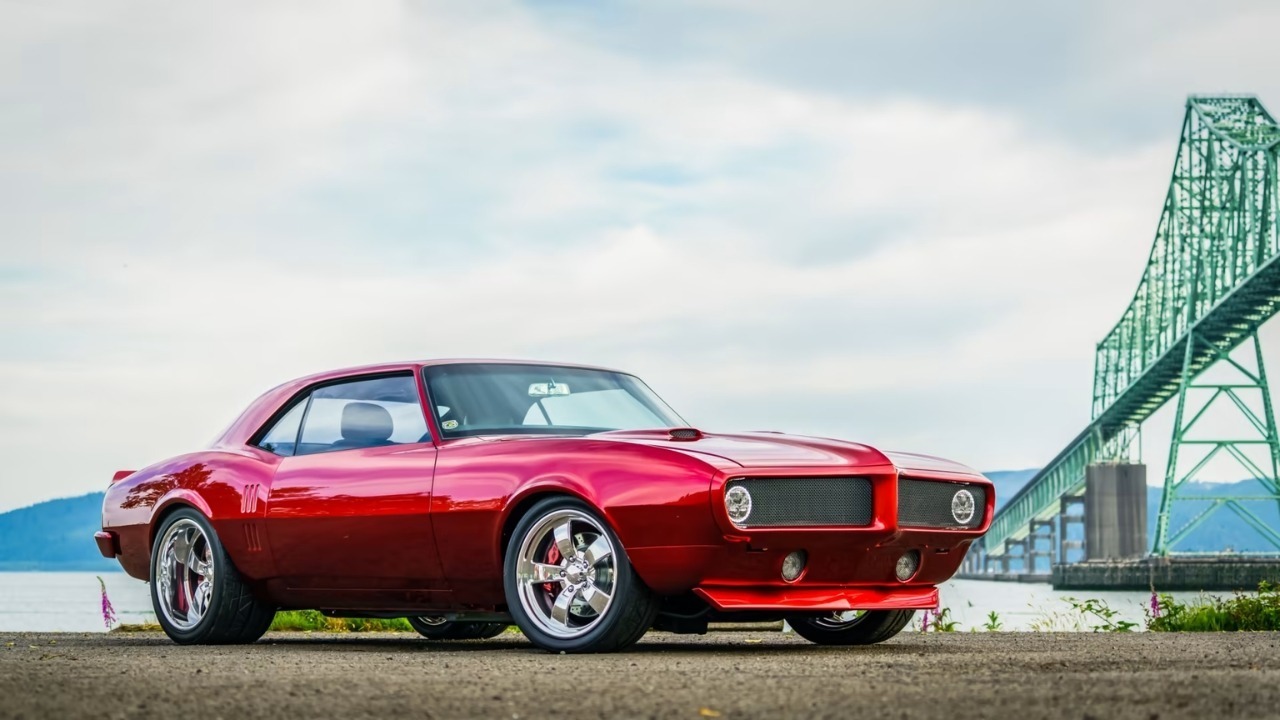
When the 1968 Pontiac Firebird arrived in showrooms, it faced a challenge that would follow it throughout much of its existence.
The car shared its basic platform with the Chevrolet Camaro, one of General Motors’ most successful performance models. Both vehicles were developed from the same F-body architecture, debuted within months of each other, and targeted the same growing pony car market that had exploded after the success of the Ford Mustang.
To many casual observers, the Firebird looked like little more than a Camaro wearing Pontiac badges.
That perception wasn’t entirely surprising. The two cars shared significant engineering and many structural components. Yet Pontiac never intended the Firebird to be a duplicate of Chevrolet’s pony car. From the beginning, the division worked hard to create a vehicle with its own personality, performance philosophy, and customer appeal.
By 1968, those efforts were becoming increasingly successful.
The Firebird wasn’t simply surviving beside the Camaro—it was developing a loyal following of buyers who appreciated its unique blend of styling, engineering, and performance. While the two cars remained closely related, Pontiac’s version offered characteristics that set it apart from its corporate cousin.
Those differences helped establish an identity that continues to resonate with enthusiasts more than half a century later.
Pontiac Needed a Pony Car of Its Own
The Firebird existed because Pontiac understood the importance of the pony car market.
After the Mustang’s spectacular success, nearly every major manufacturer scrambled to develop a competitor. General Motors initially moved cautiously, but eventually approved the F-body program that would produce both the Camaro and Firebird.
Pontiac executives knew they couldn’t simply rely on Chevrolet to represent the corporation in this rapidly growing segment.
The division had spent much of the 1960s cultivating a performance-oriented image through vehicles such as the Pontiac GTO. Buyers increasingly associated Pontiac with excitement, innovation, and speed. A dedicated pony car was essential if the brand wanted to maintain that reputation.
The Firebird became the answer.
However, Pontiac also recognized that competing against the Camaro required more than a different grille and unique emblems.
The car needed its own character.
Pontiac’s Styling Team Made Important Changes
Although the Firebird and Camaro shared their underlying structure, Pontiac designers worked carefully to create a distinct visual identity.
The most obvious difference appeared at the front of the vehicle. Pontiac adopted a unique nose design featuring a split grille arrangement that aligned with the division’s broader styling themes. The treatment immediately distinguished the Firebird from its Chevrolet counterpart.
The changes extended beyond the grille.
Different trim details, lighting elements, and badging helped reinforce the separation between the two models. While the overall proportions remained similar, the Firebird projected a slightly more refined and sophisticated image.
This approach reflected Pontiac’s broader brand strategy.
The company wasn’t trying to out-Camaro the Camaro.
It was trying to offer something different.
Pontiac Engines Changed the Driving Experience
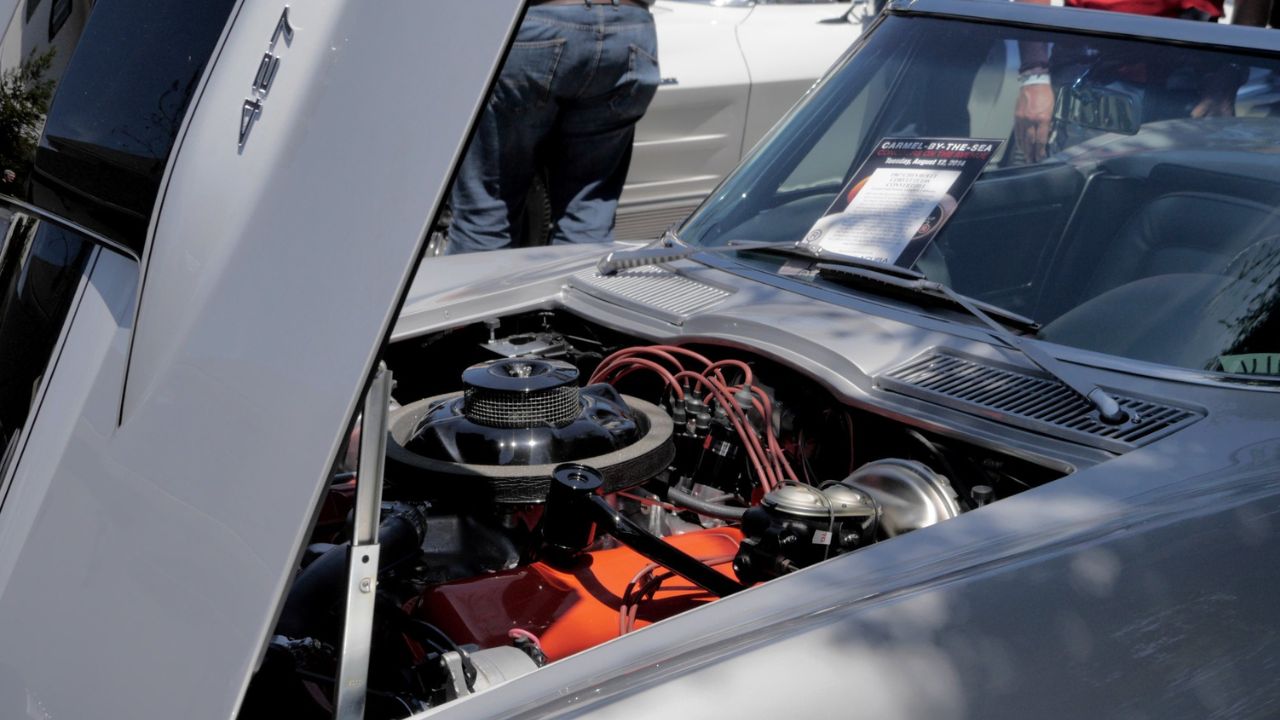
Perhaps the most significant distinction between the Firebird and Camaro involved what sat under the hood.
Rather than relying exclusively on Chevrolet engines, Pontiac installed many of its own powerplants in the Firebird. This decision dramatically influenced the car’s personality and performance characteristics.
Pontiac’s V8 engines had developed a strong reputation during the 1960s. Known for their abundant torque and smooth power delivery, they offered a driving experience that differed noticeably from some Chevrolet counterparts.
The Firebird therefore felt like more than a cosmetic variation.
Its engine choices gave it a distinct mechanical identity.
For many enthusiasts, that difference mattered tremendously.
The car drove like a Pontiac because it was powered by Pontiac engines.
The 400 Engine Added Serious Credibility
One of the most important options available in the 1968 Firebird was Pontiac’s respected 400-cubic-inch V8.
This engine already enjoyed strong credibility thanks to its use in the GTO and other high-performance Pontiac models. Installing it in the lighter Firebird created a compelling performance package that appealed directly to enthusiasts.
The combination produced impressive acceleration and strong real-world performance.
More importantly, it connected the Firebird to Pontiac’s broader performance legacy. Buyers understood that the same division responsible for some of the era’s most respected muscle cars had infused the Firebird with similar engineering values.
The 400-equipped Firebird wasn’t simply competing in the pony car segment.
It was bringing genuine muscle car credentials into the category.
That distinction helped it stand out.
Pontiac Targeted a Slightly Different Customer
Another factor that shaped the Firebird’s identity was Pontiac’s understanding of its audience.
While Camaro buyers often prioritized youthful styling and broad affordability, Pontiac frequently positioned its products slightly higher in the market. The division emphasized sophistication alongside performance, appealing to customers who wanted excitement without sacrificing refinement.
The Firebird reflected this philosophy.
Interior materials, available options, and overall presentation often leaned toward a more upscale experience. Buyers could enjoy strong performance while also benefiting from features and finishes that reinforced Pontiac’s premium image within General Motors.
This positioning helped reduce direct competition with the Camaro.
The two cars occupied similar spaces but appealed to somewhat different priorities.
The Firebird Embraced Pontiac’s Performance Culture
By 1968, Pontiac’s performance reputation was one of the strongest in Detroit.
The division had built considerable credibility through successful products and innovative marketing. Performance wasn’t merely a feature—it had become a central part of the brand’s identity.
The Firebird benefited enormously from this association.
Buyers often viewed the car as part of a larger family of Pontiac performance vehicles. The connection to models such as the GTO enhanced the Firebird’s image and gave it credibility beyond its own sales figures.
This broader context helped establish the car’s personality.
The Firebird wasn’t an isolated product.
It belonged to a performance-oriented brand with a clear vision.
Styling Evolution Improved the Formula
Although the Firebird’s first generation remained relatively young in 1968, Pontiac continued refining the design.
Subtle updates helped keep the car competitive while preserving the visual characteristics that distinguished it from the Camaro. The company understood the importance of maintaining a recognizable identity in a crowded market.
The Firebird’s styling struck an appealing balance between aggression and elegance.
It looked sporty without becoming overly dramatic. The design possessed enough personality to attract attention while remaining sophisticated enough to age gracefully.
Many enthusiasts still consider the first-generation Firebird one of Pontiac’s most attractive creations.
Its visual identity remains strong today.
Buyers Appreciated the Differences
One reason the Firebird successfully established its own identity is that buyers recognized and valued the distinctions.
People who purchased Firebirds often did so deliberately rather than simply settling for a Camaro alternative. They appreciated Pontiac’s engines, styling, and overall approach to performance.
This loyalty helped create a dedicated community around the model.
Owners frequently viewed the Firebird as something special—a car that combined the best aspects of the pony car segment with Pontiac’s unique performance philosophy.
That sense of identity strengthened over time.
The Firebird earned its own following rather than borrowing someone else’s.
The Shadow of the Camaro Never Fully Disappeared
Despite its successes, the Firebird always lived alongside the Camaro.
The relationship was unavoidable because of the shared platform and simultaneous development. Enthusiasts often compared the two cars, and those comparisons continue today.
Yet the existence of those comparisons actually highlights how successfully Pontiac differentiated its product.
If the Firebird had truly been identical to the Camaro, there would be little reason for debate. Instead, enthusiasts continue discussing the merits of each because they offer genuinely different experiences.
The Firebird’s individuality survived despite the shared architecture.
That achievement deserves recognition.
Collectors Value Its Unique Character
Modern collectors increasingly appreciate the qualities that separated the Firebird from its Chevrolet cousin.
While both vehicles enjoy strong followings, many enthusiasts are drawn specifically to Pontiac’s interpretation of the pony car formula. The unique engines, styling details, and brand identity create a distinctive ownership experience.
The Firebird represents an alternative path.
It demonstrates how manufacturers can build unique products even when sharing significant engineering resources.
That lesson remains relevant today.
More Than Pontiac’s Camaro
Looking back, the 1968 Firebird succeeded because Pontiac refused to settle for a simple rebadging exercise.
The division invested effort into creating meaningful differences that extended beyond appearance. Unique engines, distinctive styling, premium positioning, and strong ties to Pontiac’s performance culture helped establish an identity that buyers could immediately recognize.
Those decisions paid off.
The Firebird became its own car.
The Pony Car With a Pontiac Soul
The 1968 Pontiac Firebird found its own identity beside the Camaro because Pontiac understood that shared architecture did not have to result in shared personality.
Through distinctive styling, respected Pontiac engines, upscale positioning, and a clear connection to the division’s broader performance heritage, the Firebird developed characteristics that separated it from its Chevrolet sibling. Buyers could see the differences, feel the differences, and appreciate the differences.
More than fifty years later, the Firebird remains one of the most respected pony cars of its era.
Not because it tried to copy the Camaro.
Because it worked hard to be something else.
And in the end, that made all the difference.More from Fast Lane Only
Police notice this before you even roll window down
Unboxing the WWII Jeep in a Crate