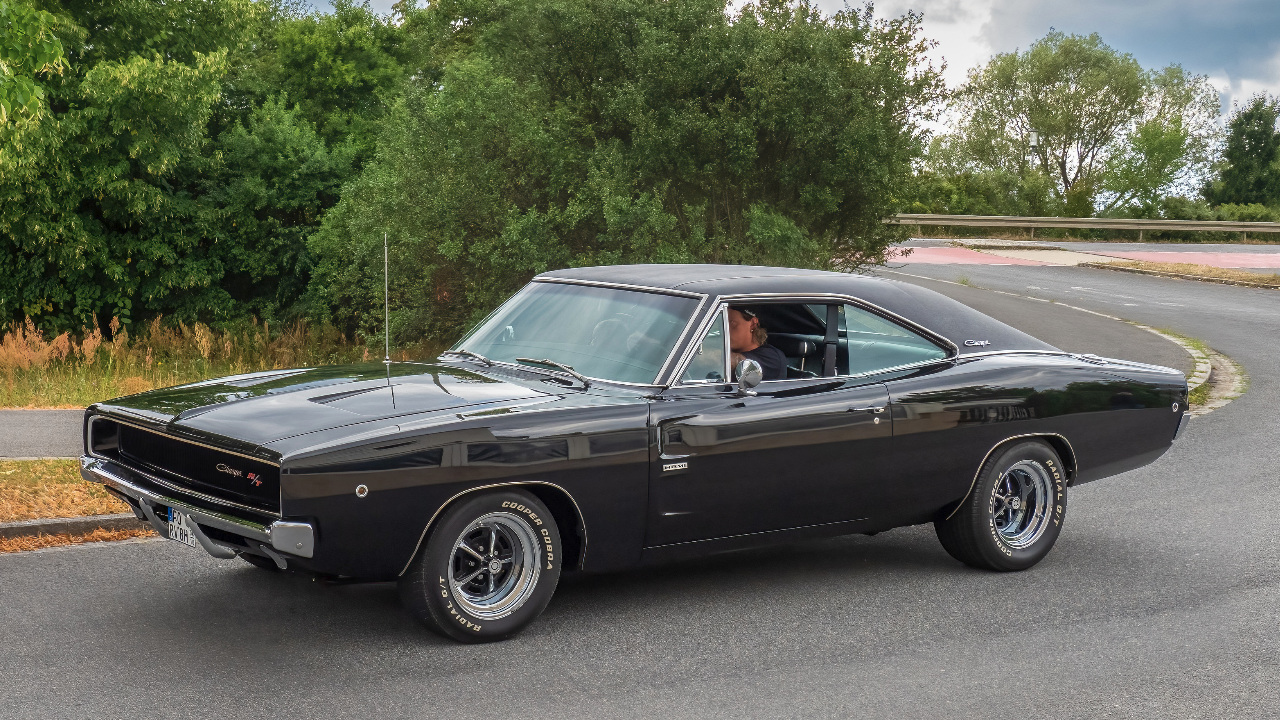
The 1970 Dodge Charger R/T stands as a testament to American automotive design, marrying power and style to create a muscle car icon. Its distinct features and performance capabilities have solidified its status as one of Mopar’s defining designs, influencing generations of car enthusiasts and collectors alike.
Design Evolution of the Charger
The Dodge Charger has a rich lineage that dates back to its debut in 1966. Originally conceived as a prototype for a new breed of performance vehicles, the Charger quickly carved out its niche in the muscle car segment. The first-generation models featured a fastback design that was both sporty and practical, paving the way for the more aggressive aesthetics of the later models. By 1970, the Charger was undergoing a significant evolution, transitioning into its second generation with a design that would set the standard for future muscle cars.
The 1970 model introduced an elongated body shape that emphasized a low, wide stance, contributing to its aggressive look. One of the most notable changes was the front grille, which featured a split design that was both bold and functional. This fresh approach not only improved airflow but also gave the Charger a distinctive identity on the road. The iconic “Coke bottle” shape, a hallmark of the era’s design trends, was also more pronounced in this model, enhancing its aerodynamic profile and visual appeal. The influence of contemporary design trends, such as the muscle car boom and the rise of pop culture icons, played a key role in the Charger’s aesthetic appeal, making it a sought-after vehicle among enthusiasts.
Performance Features of the 1970 Charger R/T
Under the hood, the 1970 Dodge Charger R/T offered a selection of powerful engines that solidified its reputation as a performance machine. The standout options included the legendary 426 HEMI and the formidable 440 Magnum engines. The 426 HEMI engine, with its hemispherical combustion chamber design, produced a staggering 425 horsepower, allowing the Charger R/T to accelerate from 0 to 60 mph in just over six seconds. This impressive performance placed it among the fastest cars of its time and made it a favorite on both the street and the racetrack.
Performance specifications of the Charger R/T were not just limited to raw horsepower. The car was engineered to handle the rigors of high-speed driving, with enhancements to its suspension and braking systems. Compared to competitors like the Ford Mustang and Chevrolet Camaro, the Charger R/T boasted superior handling characteristics, thanks in part to its wider track and lower center of gravity. This combination of power and handling made the Charger R/T a formidable presence in the muscle car arena, appealing to drivers who demanded both speed and control.
Cultural Impact and Popularity
The cultural impact of the Dodge Charger R/T extends far beyond its performance specifications. It has been immortalized in various media, most notably in films and television shows. One of the most iconic representations is in the television series “The Dukes of Hazzard,” where the Charger, affectionately known as the “General Lee,” became a symbol of rebellion and adventure. Its appearances in movies such as “Bullitt” and “Fast & Furious” further cemented its status as a pop culture icon, drawing new generations of fans to the model.
In the 1970s, the Charger R/T played a pivotal role in shaping muscle car culture. Car enthusiasts embraced the vehicle not only for its performance but also for its striking design and presence on the road. The Charger became a symbol of freedom and the American spirit, resonating with a generation that valued individuality and power. Today, the Charger R/T continues to influence automotive enthusiasts and collector markets, with its legacy reflected in the thriving community of Mopar fans who cherish these classic vehicles.
Mopar’s Marketing Strategy
Mopar’s marketing strategy during the late 1960s and early 1970s was pivotal in establishing the Charger R/T as a leading contender in the performance market. The company employed targeted advertising campaigns that highlighted not only the vehicle’s power but also its stylish design. Television commercials, print ads, and sponsorship of racing events all contributed to a robust marketing approach aimed at performance-oriented consumers. The advertisements often showcased the Charger R/T in action, emphasizing its capabilities on the track and the street.
Mopar positioned the Charger R/T against its primary competitors, such as Ford and Chevrolet, by focusing on its unique features and superior performance. The Charger’s reputation was further enhanced by its success in motorsports, where it competed in various racing formats, including NASCAR. The Charger’s dominance on the track translated into increased visibility and desirability in the consumer market. As a result, the Charger R/T became synonymous with high performance and American ingenuity, solidifying its place in automotive history.
The Charger R/T Legacy
The legacy of the 1970 Dodge Charger R/T is evident in its continued relevance within the automotive landscape. As a classic muscle car, it holds a special place in the hearts of collectors and enthusiasts. Notable collectors, such as George Barris, who famously customized vehicles for Hollywood, have championed the 1970 model, further enhancing its status as a collectible. Auctions frequently feature these vehicles, with well-preserved examples fetching significant sums, underscoring the Charger R/T’s enduring appeal.
In addition to its collector status, the Charger R/T has influenced subsequent models and modern muscle cars. Manufacturers have drawn inspiration from the Charger’s design and performance characteristics when developing contemporary vehicles. The Dodge Charger, which remains in production today, pays homage to its classic predecessor while incorporating modern technology and safety features. This connection between past and present ensures that the Charger R/T’s legacy will continue to inspire future generations of automotive enthusiasts.
Collectibility and Restoration Trends
The market value of the 1970 Dodge Charger R/T reflects its status as a highly sought-after collector’s item. Prices can vary significantly based on factors such as condition, originality, and provenance. Well-restored examples often fetch prices in the six-figure range at auctions, while project cars may still command a respectable price due to their potential for restoration. The demand for these vehicles has led to a vibrant collector community, with enthusiasts eager to own a piece of automotive history.
Restoration trends for the Charger R/T focus on maintaining originality while also embracing the potential for performance upgrades. Many enthusiasts seek out NOS (new old stock) parts or reproduction components to ensure their restorations stay true to the factory specifications. However, there is also a growing trend of modifying these classic cars for enhanced performance, with some owners opting for modern engine swaps or upgraded suspension systems. The debate between originality and modifications remains a passionate topic within the collector community, reflecting the diverse interests and priorities of Charger enthusiasts.
More from Fast Lane Only
- Unboxing the WWII Jeep in a Crate
- 15 rare Chevys collectors are quietly buying
- 10 underrated V8s still worth hunting down
- Police notice this before you even roll window down
*Research for this article included AI assistance, with all final content reviewed by human editors.