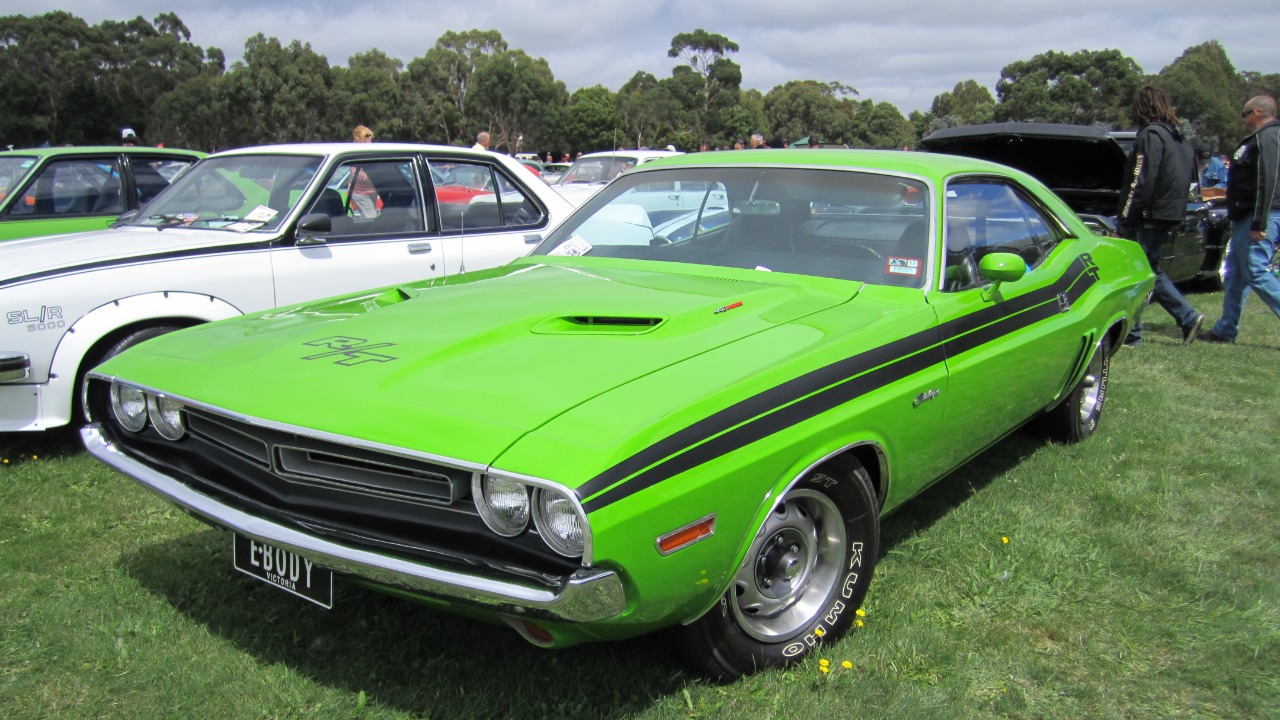
The 1971 Hemi Challenger arrived just as the original muscle-car wave was starting to ebb, yet it quietly reset expectations for what a street car could do with a factory warranty. Instead of shouting its significance with big production numbers or racing headlines, it slipped into history as a low-volume outlier that now looks like a turning point in how performance, collectability, and real-world drivability fit together.
Looking back at that car today, I see less of a museum piece and more of a hinge between two eras: the wild, underrated power of late‑60s Detroit and the more measured, emissions‑conscious performance that followed. The 1971 Hemi Challenger did not just chase quarter‑mile glory, it helped redefine what “top dog” meant in a world that was suddenly skeptical of big horsepower.
The last stand of the factory Hemi
By 1971, the Challenger R/T was already living on borrowed time, and the Hemi version felt almost defiant. The R/T package was on its final run, squeezed by changing buyer tastes and punishing insurance premiums that treated high-compression V8s like public enemies. In that climate, ordering a 426 Hemi in a Challenger was less a casual option-box tick and more a statement that you were willing to pay extra at the dealership, at the pump, and with your insurer just to have the most serious engine Chrysler would sell you.
That stubborn commitment to peak performance showed up in the production numbers. In the United States, total 1971 Hemi Challenger R/T output would amount to only 71 units, a figure that reads today like a rounding error compared with mainstream muscle cars of the period. That scarcity was not the result of some clever marketing ploy, it was the natural consequence of a market that had started to see big-block power as a liability rather than a selling point, even as a small group of buyers still insisted on having the most potent Challenger on the order sheet.
Underrated power and the Gross vs. net reality check
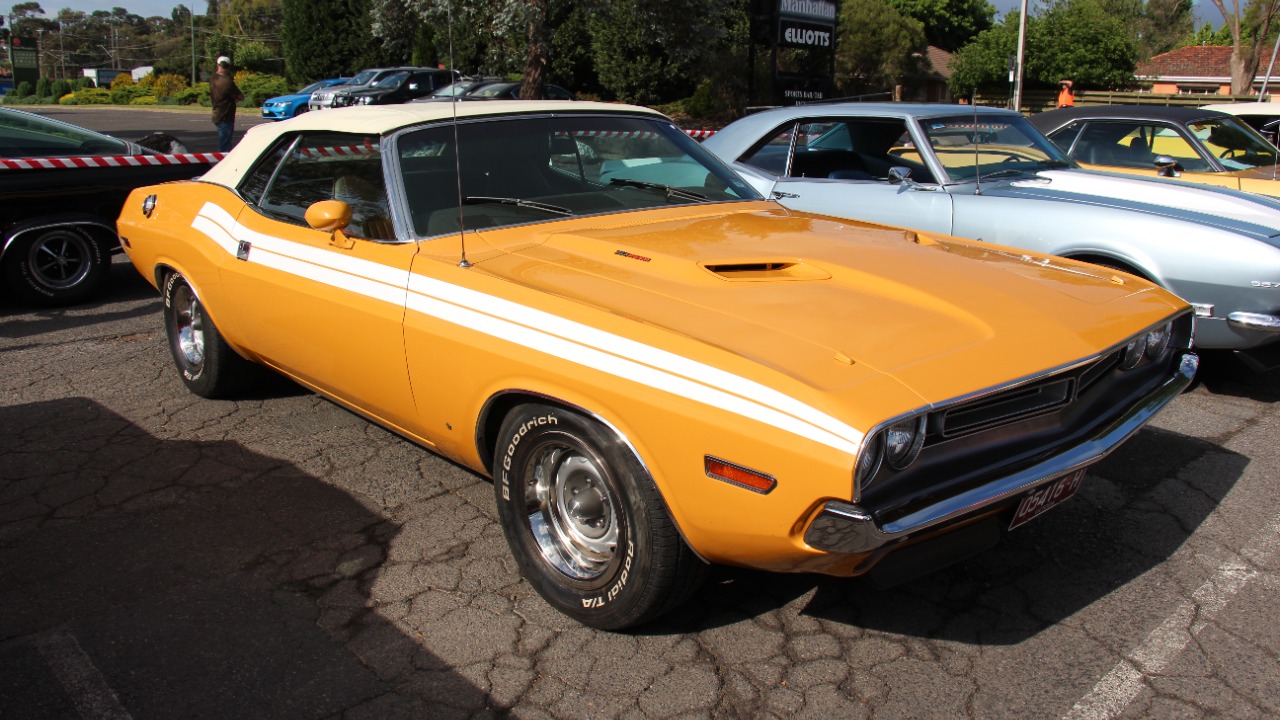
On paper, the 426 Hemi’s advertised horsepower in 1971 did not look dramatically higher than some of its big-block peers, and that has fueled endless bench‑racing debates. Part of the confusion comes from how output was measured. Period ratings leaned on the older “Gross” standard, which recorded engines on a test stand without accessories, full exhaust, or real‑world loads. When enthusiasts today compare those figures to modern “net” ratings, which factor in the full production setup, the numbers can look inflated if you do not account for the different yardsticks.
That context matters when I hear people wonder why 1970s muscle cars sometimes feel stronger than their spec sheets suggest. In one detailed discussion, a user posting in Sep pointed out that Some of the confusion comes from that Gross versus net measurement shift, which can make period ratings look like marketing fiction rather than engineering data. When I factor in that explanation, the Hemi Challenger’s reputation as a brutally quick street car lines up neatly with its era-correct Gross numbers, even if a modern dyno sheet would tell a more nuanced story.
From used car to blue-chip collectible
For years after the muscle era faded, a 1971 Dodge Challenger was just an old car with a thirsty engine and fading paint, not a guaranteed ticket to auction glory. That is part of what makes its current trajectory so striking. In today’s market, a typical 1971 Dodge Challenger in solid, driver‑grade condition is valued around $29,213, a figure that reflects how even “average spec” cars have been pulled upward by the model’s halo. That number is not about concours perfection or ultra‑rare options, it is about the baseline respect the market now gives any clean early‑seventies Challenger.
Layer a factory Hemi and R/T trim on top of that foundation and the story changes from appreciation to transformation. The same valuation data that pegs a standard car at $29,213 also tracks far higher results for the rarest configurations, underscoring how a handful of 1971 Hemi cars have become reference points for the entire E‑body segment. When I look at those figures, I see a car that started life as a niche choice for stubborn performance die‑hards and has ended up quietly rewriting what collectors are willing to pay for the last, hardest‑charging expressions of the muscle era.
How scarcity reshaped the Challenger’s legacy
What fascinates me most about the 1971 Hemi Challenger is how its tiny production run has ended up magnifying the whole model line. With only 71 Hemi R/Ts built, the odds of seeing one in the wild are slim, yet that very rarity has turned the car into a kind of myth that spills over onto every early‑seventies Challenger. When a casual buyer looks at a base V8 or even a six‑cylinder car today, the mental picture they carry is often shaped by the top‑spec Hemi they have seen in books, at shows, or on auction broadcasts, not by the more modest versions that actually filled most driveways.
That halo effect helps explain why a relatively ordinary Challenger can command a valuation in the $29,213 range while other period coupes with similar performance sit lower on the ladder. The Hemi R/T’s scarcity, combined with its role as the final, full‑strength expression of Chrysler’s big‑block performance, has effectively pulled the entire nameplate into a different tier of desirability. In that sense, the 1971 Hemi Challenger did not just rewrite performance rules on the street, it quietly rewrote the rules of how a single, ultra‑rare configuration can lift an entire model’s reputation decades after the last one left the factory.
Why the 1971 Hemi Challenger still matters on modern roads
When I think about how the 1971 Hemi Challenger fits into today’s performance landscape, I see a car that anticipated a lot of the tensions modern enthusiasts still wrestle with. It was brutally quick by the standards of its time, yet it arrived just as regulators, insurers, and fuel prices were starting to push the industry toward smaller, more efficient engines. That push‑pull between raw power and real‑world constraints feels familiar in an era of turbocharged four‑cylinders, hybrid assist, and looming emissions targets, even if the technology has changed completely.
What has not changed is the emotional pull of a machine that refuses to compromise on its core mission. The 1971 Hemi Challenger was never meant to be sensible, and that is exactly why it resonates so strongly now, from the $29,213 “driver” cars to the handful of 71 Hemi R/Ts that sit at the top of the market. In a world where performance is increasingly defined by software updates and drive‑mode menus, the Hemi Challenger’s legacy is a reminder that sometimes the most enduring rule‑breakers are the ones that did their talking with displacement, compression, and a very loud statement of intent.
More from Fast Lane Only: