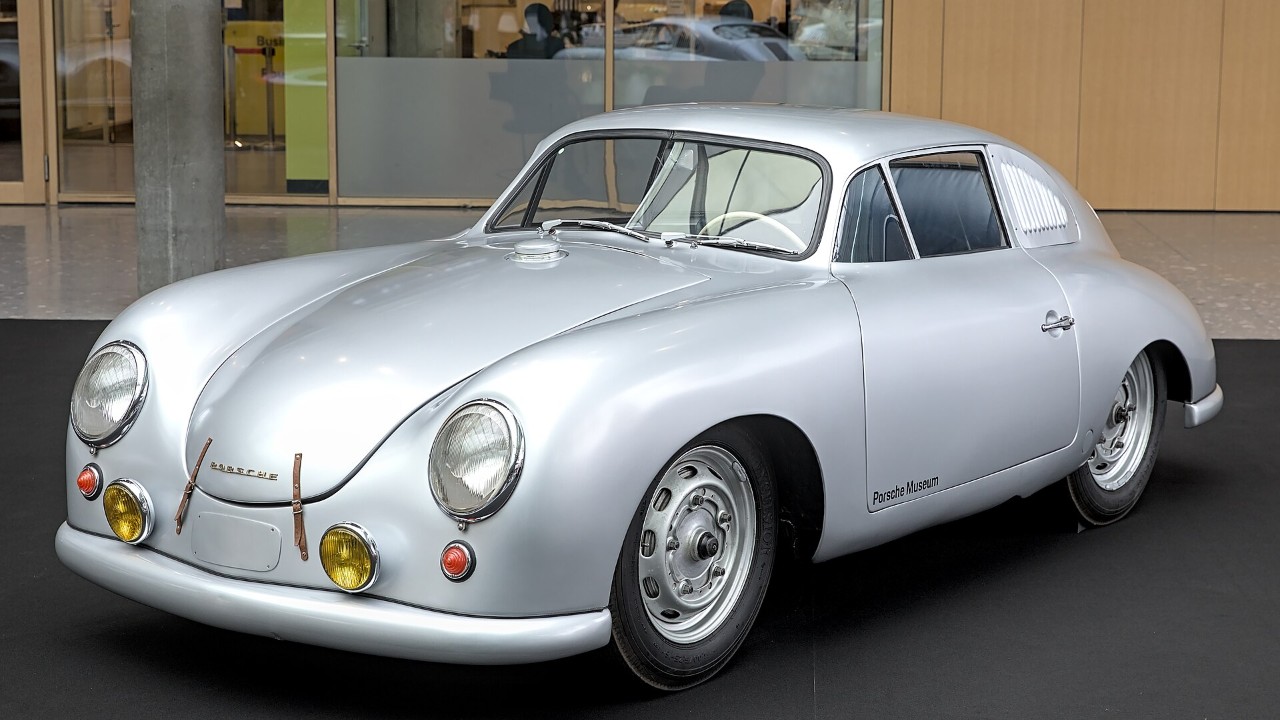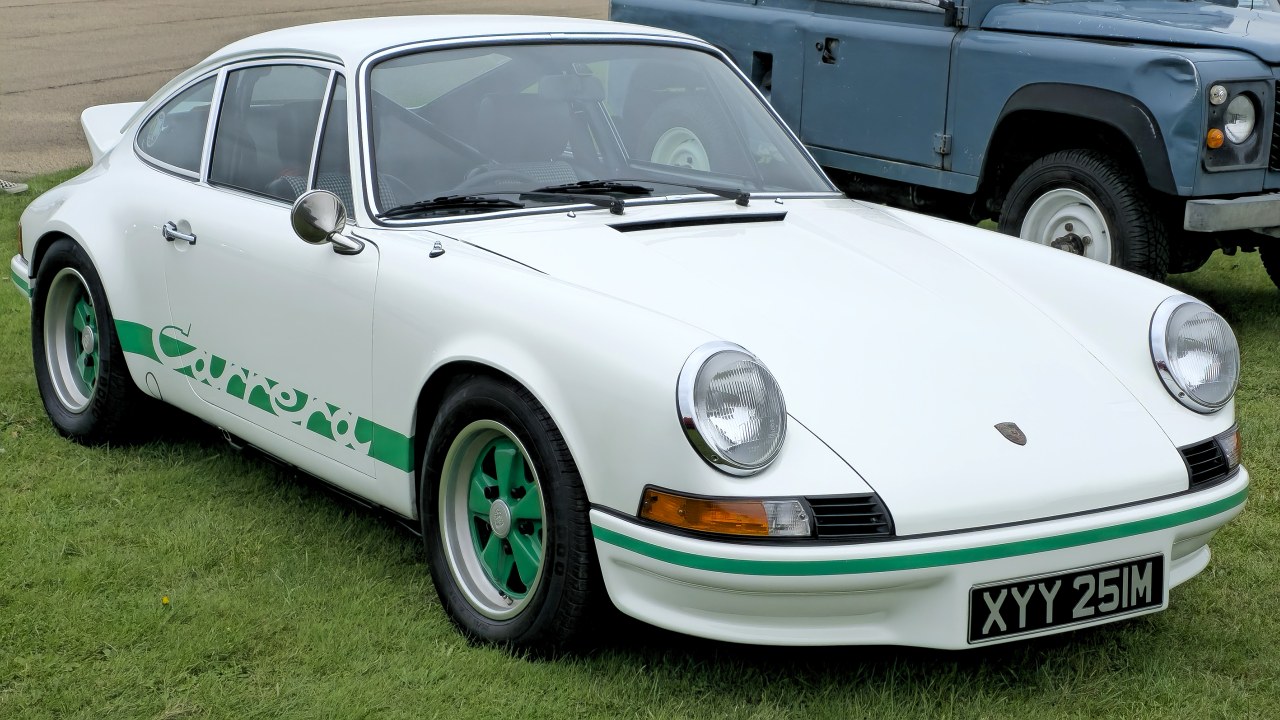
The 1974 Porsche 911 Carrera arrived just as safety and emissions rules threatened to blunt the character of performance cars, yet it emerged as one of the sharpest 911 variants of its era. Rather than surrendering to the so‑called malaise of the mid 1970s, Porsche used the new Carrera to prove that regulation did not have to mean resignation, preserving speed and feel while the rulebook tightened around it.
Regulations close in on the 911
By the early 1970s, complying with tougher safety and emissions standards had become a serious headache for sports car makers, and Porsche was no exception. New United States rules demanded that bumpers withstand a 5 mph impact without damage to the body, a requirement that threatened to distort the delicate lines of the 911 and add unwelcome weight. At the same time, emissions limits, especially in California, were squeezing the brand’s air‑cooled flat six, to the point that engineers briefly considered abandoning the 911 engine altogether, a crisis later recalled in period discussions of why Porsche almost gave up on the 911.
After 1973, Porsche also faced a customer base rattled by the brand’s scramble to meet California emissions regulations, which caused a visible shift in performance and sparked anxiety among purists who feared the 911 would be neutered. Earlier F‑Series cars had already shown their vulnerabilities, with magnesium engine cases and basic rust protection creating durability worries that could only be amplified if extra heat and hardware were added for emissions control. Against that backdrop, the 1974 model year was not just another update, it was a test of whether the 911 could adapt without losing the qualities that made it desirable in the first place.
From F-Series to G-Series: a structural reset
Model year 1974 brought a structural reset for the 911 that went far beyond cosmetic tweaks. The car moved from the earlier F‑Series to the new G‑Series platform, and one of the most visible changes was the adoption of so‑called “short hood” bodywork paired with impact bumpers designed to satisfy the 5 mph requirement. Instead of simply bolting on ungainly blocks, Porsche integrated shock absorbers and rubber bumper pads into the design, shortened the front hood, and added a rear reflector panel carrying the Porsche script, creating a cohesive look that has defined the rear visual signature of the 911 ever since.
Underneath, the engineering changes were just as deliberate. The engine size increased to 2687 cc, and the Carrera 2.7 used this displacement to deliver performance that kept faith with the outgoing cars while working within new constraints. Other changes included the start of the “short hood” generation with those 5 mph bumpers, but Porsche did a far better job than many rivals in making the safety hardware feel like part of the car rather than an afterthought. The result was a structure that met the letter of the law yet still looked and felt like a 911, setting the stage for the Carrera variant to carry the performance flag.
The Carrera 2.7: performance under pressure
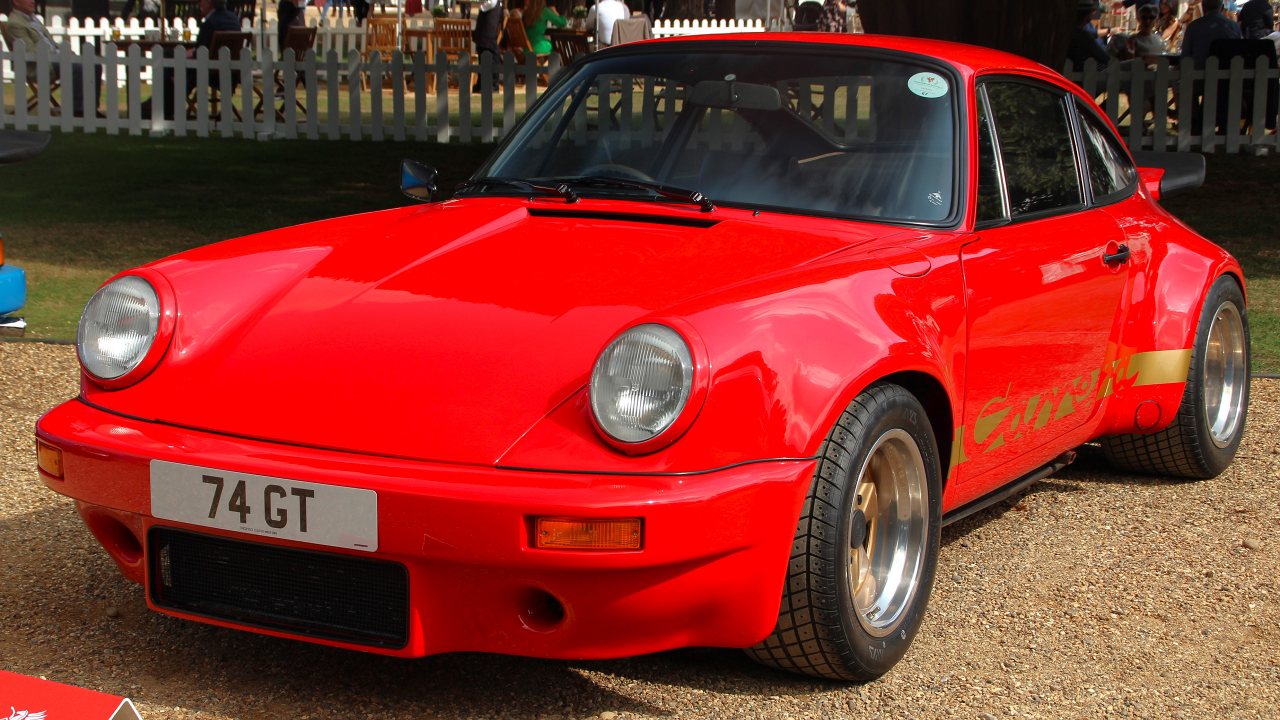
The 1974 Porsche 911 Carrera 2.7 sat at the top of this new lineup, and it had to prove that regulation‑era 911s could still be serious drivers’ cars. In European form, the Carrera used the same basic 2.7‑liter specification as the legendary 1973 Carrera RS, giving it a direct link to one of Porsche’s most celebrated road racers. Contemporary road tests described the 1974 911, 911S and Carrera 2.7 Liter as compelling sports cars rather than compromised survivors, a verdict that cut against the broader narrative of mid 1970s malaise and underscored how effectively Porsche had preserved performance.
For North American buyers, the story was more complicated. The Carrera 2.7 model produced for the North American market, often referred to as the Carrer, used a different engine setup with Bosch CIS fuel injection instead of the high strung MFI system, part of a broader shift captured in references to Carrera 2.7 MFI and CIS (1974–1976). This change helped the car meet emissions rules but also softened its edge compared with the European MFI version, a tradeoff that has shaped collector perceptions ever since. Even so, the North American Carrera retained enough power and character to stand apart from the regular 911 and 911S, keeping the badge meaningful at a time when many performance nameplates were fading.
Aerodynamics, spoilers and the “whale tail” era
As speeds climbed and regulations pushed engineers toward heavier bumpers and added equipment, aerodynamics became another front in the battle to keep the 911 stable and engaging. The Carrera 2.7 responded with one of the most distinctive visual signatures in Porsche history, the optional “whale tail” rear spoiler. This large, flat deck spoiler, offered on the 1974–75 Carrera 2.7 models, was developed to improve high speed stability and cooling, and it previewed the look that would later define the first 911 Turbo.
The whale tail did more than add drama to the silhouette. It was part of a holistic approach in which Porsche treated the new safety‑driven bodywork as an opportunity to refine airflow rather than simply patch around regulatory demands. In contrast to so many rivals’ hastily devised, somewhat awkward efforts, Porsche’s solution to the regulations was better integrated and more thoroughly engineered, which helped the Carrera maintain its composure at speed despite the extra mass of impact bumpers and emissions hardware. The spoiler, the short hood, and the reshaped bumpers together showed how the 911 could evolve visually and dynamically without losing its identity.
Durability, rust and the path to survival
Surviving tightening rules was not only about performance numbers, it was also about making sure the cars themselves endured. Earlier 911 F‑Series models had laid the foundation for the 911’s legacy, but their magnesium engine cases and rudimentary rust protection meant that corrosion and heat damage became familiar headaches, especially when emissions devices raised under‑hood temperatures. The 2.7‑liter engines of the mid 1970s, particularly those saddled with thermal reactors, later developed a reputation for head studs pulling out of the magnesium cases, a problem that would eventually push Porsche toward more robust solutions in the 911 SC era.
The 1974 Carrera 2.7 sat at a turning point in that evolution. While it still relied on the 2.7 architecture, the broader 1974 redesign brought improved rust protection that has been described as making it the most rust‑resistant 911 yet at that time, a significant step for long term survivability. The mid 1970s may be the years Porsche wishes it could forget in the United States, but the structural and corrosion improvements introduced with the G‑Series helped many of these cars, including the Carrera, endure far longer than their predecessors. That durability, combined with the car’s role in carrying the performance torch through a difficult regulatory era, explains why the 1974 Porsche 911 Carrera is now seen less as a compromised child of regulation and more as a pivotal link between the raw early 911s and the more refined generations that followed.
More from Fast Lane Only: