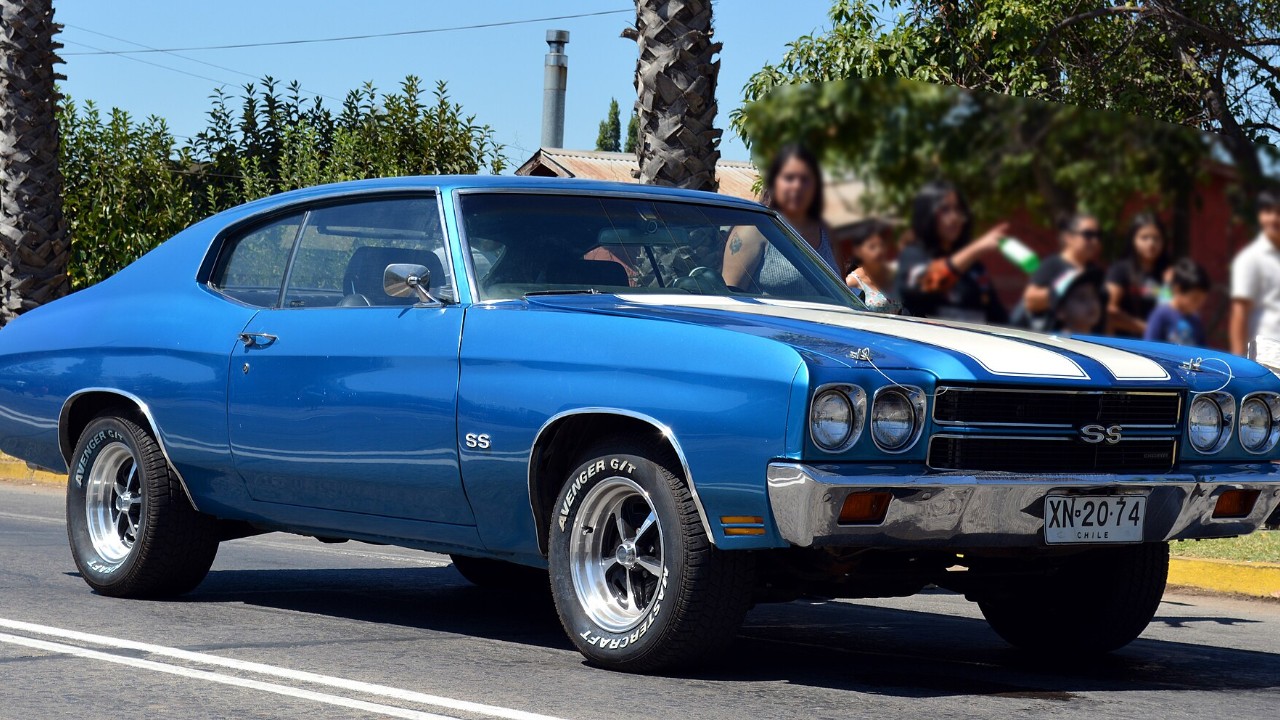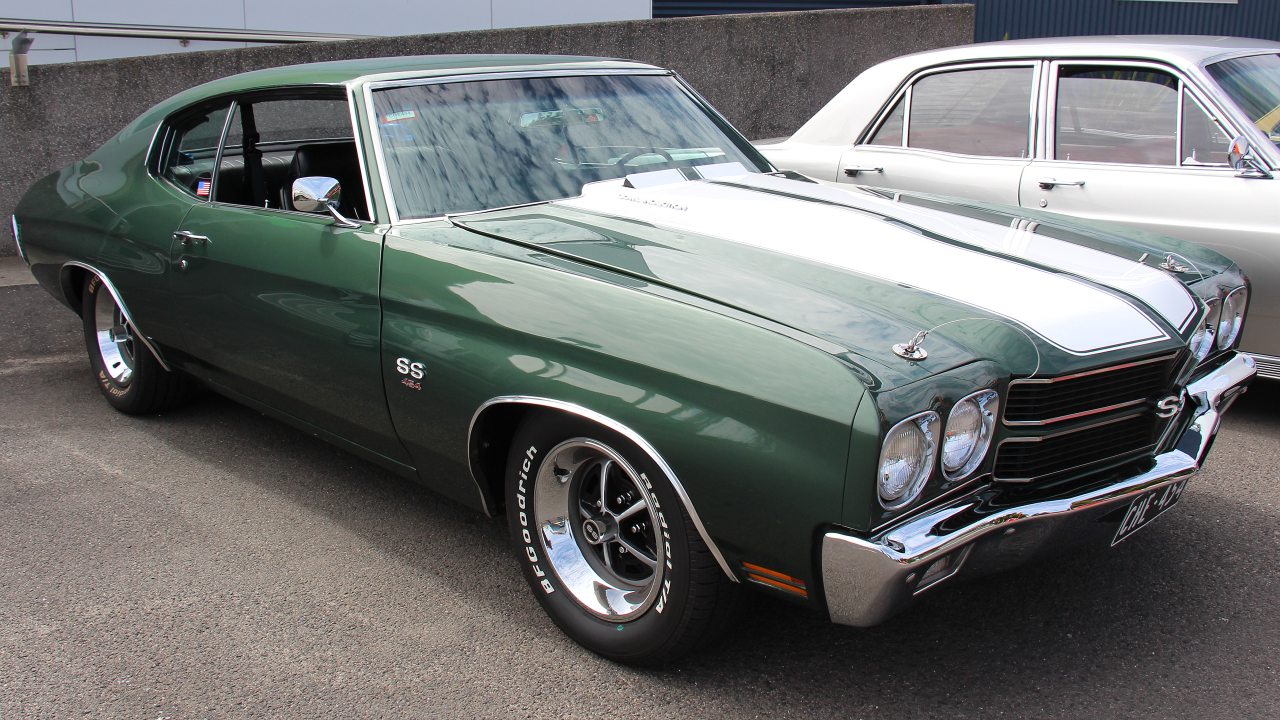
The 1970 Chevrolet Chevelle SS LS6 arrived at the exact moment American muscle cars hit their fiercest stride, combining brutal straight line speed with a clean, purposeful shape that still looks ready to pounce. When people talk about peak muscle, they are usually talking about the brief window when big displacement, aggressive styling, and factory rated horsepower all crested together, and the LS6 Chevelle sits right at that summit. I see that car as the point where the Chevelle line, and much of Detroit performance, reached maximum intensity before the rules and the market began to pull it back.
The 1970 Model Year as a Peak
By 1970, the Chevrolet Chevelle had evolved from a sensible mid size into one of the most feared street machines in America, and the SS LS6 package turned that evolution into a climax. The 1970 Model Year is widely described as a Peak in Power and Style for the Chevelle, with its crisply creased fenders, wide stance, and cowl induction hood signaling that this was no longer just a family car with a big engine but a purpose built muscle machine. That combination of a relatively simple, almost understated body with a brutally strong drivetrain is what makes the LS6 era feel like the high watermark rather than just another step in a long progression.
Contemporary histories of the 1970 Chevrolet Chevelle emphasize that this was the moment when styling, engineering, and market demand all lined up in favor of maximum performance. The car’s proportions, with a long hood, short deck, and broad rear haunches, framed the hardware that enthusiasts were really paying for, and the SS trim sharpened that look without tipping into gimmickry. When those accounts describe the 1970 Chevelle as the pinnacle of performance and part of the golden age of American muscle, they are capturing how the LS6 variant concentrated everything buyers wanted into a single, focused package.
The LS6 454: Numbers That Defined Peak Muscle
The LS6 engine is where the 1970 Chevelle SS truly crossed into legend, because its specifications pushed factory rated power to a level that still commands respect. Chevrolet took its existing big block and up sized their 396 375 HP L78 to 454 CID, called it the “LS6” and allowed it to advertise 450 HP. Those four numbers, 396, 375, 454, 450, tell the story of a manufacturer steadily escalating displacement and output until it reached a point that many enthusiasts still see as the outer edge of the classic muscle era. In a mid size chassis, that kind of power rating meant the LS6 Chevelle was not just quick, it was one of the most formidable street cars a buyer could order from a showroom.
Technical breakdowns of the 1970 to 1972 Chevelle SS 454 underline how serious that LS6 package was. Engine and Technical Specifications tables for the SS 454 highlight the big block Engine, its Configuration, its Displacement, and its Hors power rating, placing the LS6 at the top of the Chevelle performance hierarchy. The 454 cubic inch CID layout, heavy duty internals, and performance focused induction and exhaust systems were matched to driveline components that could survive repeated hard launches. When I look at those specifications side by side with earlier Chevelle engines, the LS6 stands out as the point where Chevrolet pushed the platform as far as it realistically could for street use.
Why 1970 Marked the Summit of the Muscle Era
Enthusiast historians often single out 1970 as the moment when the first generation of muscle cars reached their absolute peak, and the Chevelle SS LS6 is one of the clearest reasons why. Coverage of top Chevelles from that year notes that 1970 is often considered the peak year for the first generation of muscle cars, as the power numbers reach the highest levels before external pressures began to clamp down. The LS6 Chevelle, with its 454 CID and 450 HP rating, sits right at the center of that narrative, representing how far manufacturers were willing to go when raw acceleration was still the main selling point.
At the same time, broader histories of the 1970 Chevrolet Chevelle point out that this surge in performance was already brushing up against its limits. The same sources that describe the 1970 Model Year as a Peak in Power and Style also trace how the golden age of American muscle soon gave way to a Decline and Legacy phase, as regulations, insurance costs, and changing buyer priorities started to erode the market for such extreme factory performance. From my perspective, that context is crucial, because it shows that the LS6 Chevelle did not just happen to be powerful, it arrived at the last possible moment when a car like that could be built without compromise.

On the Street and in Enthusiast Memory
Period correct footage and modern features on surviving LS6 cars help explain why the 1970 Chevelle SS 454 still looms so large in enthusiast culture. When a red hot 1970 LS6 Chevelle screams past in video from collections like the Brothers, it is easy to envision how shocking that combination of noise, speed, and presence must have been when the car was new. The Chevelle’s relatively clean lines, especially in bright colors with black SS stripes, give it a visual punch that matches the way the LS6 engine revs and roars under load, and that sensory impact is a big part of why people still talk about this model as a benchmark.
Modern technical guides that revisit the 1970 to 1972 Chevelle SS 454 also keep the LS6 firmly in the spotlight. By laying out Engine and Technical Specifications in detail, from the big block’s Displacement to its Hors power rating and the heavy duty suspension and driveline components that supported it, they reinforce the idea that this was not just a styling exercise but a thoroughly engineered performance package. When I compare those specifications and real world impressions to other muscle cars of the era, the LS6 Chevelle consistently feels like the car that balanced brute force with enough refinement to be driven daily, which helps explain its enduring appeal.
Legacy of a Peak Year Chevelle
The legacy of the 1970 Chevrolet Chevelle SS LS6 rests on more than nostalgia, it is grounded in how decisively the car captured the essence of its era. Historical overviews of the Chevelle line describe the 1970 Model Year as a Peak in Power and Style and place the LS6 at the center of the golden age of American muscle, before charting the Decline and Legacy that followed. That framing matters, because it shows that the LS6 is not just a rare option code but a symbol of the moment when mid size American cars were pushed to their most extreme factory tune.
Looking back from today, with the benefit of detailed Engine and Technical Specifications and vivid period imagery, I see the 1970 Chevelle SS LS6 as the point where the muscle car idea reached full maturity. The progression from 396 375 HP L78 to 454 CID and 450 HP, the way the Chevelle’s styling sharpened without losing its basic practicality, and the recognition of 1970 as the peak year for first generation muscle all converge in this single model. That is why, when enthusiasts talk about when the Chevelle hit peak muscle, the conversation almost always comes back to the LS6, the car that turned a strong performer into a legend.
More from Fast Lane Only: