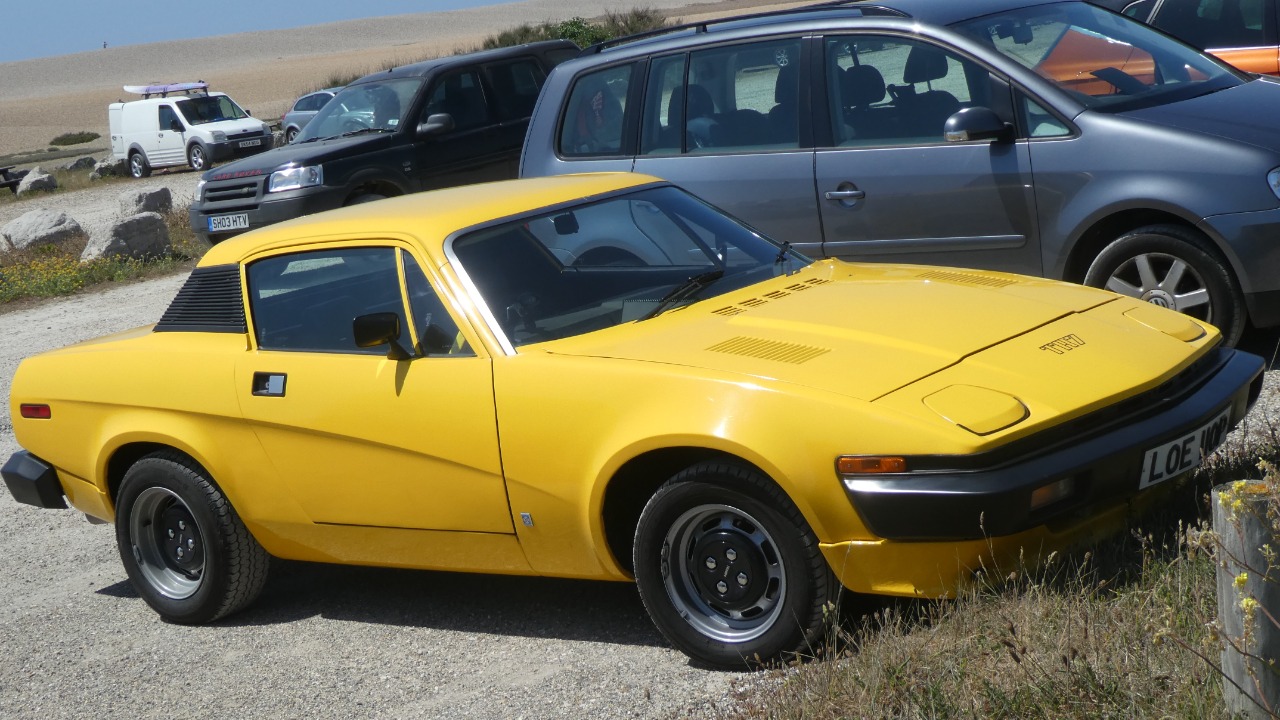
The 1976 Triumph TR7 marked a significant departure from the traditional design and ethos of the Triumph brand, leading to a polarized reception among automotive enthusiasts. With its innovative features and striking design, the TR7 challenged the conventions of its predecessors while facing criticism from those who cherished the classic styling of earlier models. The following sections delve into the history, design choices, and cultural impact of the TR7, illustrating its complex legacy within the British sports car tradition.
The Birth of the TR7: A New Direction for Triumph
The Triumph brand, founded in 1885, had long been synonymous with British sports cars. Models like the Triumph Spitfire and Triumph TR6 established a reputation for spirited performance and timeless aesthetics. However, by the mid-1970s, changing market trends and consumer expectations prompted a reevaluation of the brand’s direction. The oil crisis, economic recession, and rising competition from Japanese automakers forced British manufacturers to innovate or risk obsolescence.
In response, Triumph embarked on a new project that would become the TR7. The design brief focused on creating a vehicle that would appeal to a broader audience, particularly in the lucrative U.S. market. The TR7’s wedge shape was not merely a stylistic choice; it represented a shift towards a more modern, aerodynamic design that prioritized fuel efficiency and performance. This departure from traditional curves signaled Triumph’s willingness to embrace change, but it also set the stage for controversy among enthusiasts.
Breaking with Tradition: Design Choices and Innovations
The TR7’s design was one of the most significant aspects of its identity. Gone were the classic round shapes that had defined Triumph models for decades. Instead, the TR7 featured sharp angles and a low-slung profile, a dramatic shift that was both bold and polarizing. The wedge shape contributed to improved aerodynamics, enhancing performance and fuel economy—key considerations during an era of rising fuel costs.
Incorporating new materials and manufacturing techniques, such as unibody construction, further distinguished the TR7 from its predecessors. This approach not only reduced weight but also improved structural integrity. The result was a vehicle that handled better and offered a more comfortable ride. Additionally, the TR7 was equipped with a 2.0-liter engine that provided a balance of power and efficiency, allowing it to compete effectively in the sports car market against rivals like the Datsun 240Z and Mazda RX-7.
The Enthusiast Divide: Praise and Criticism
The TR7 received a mixed reception upon its debut. Many enthusiasts praised its innovative features, such as the spacious interior, large trunk space, and the option of a convertible roof. The car’s performance metrics, which included respectable acceleration and handling, garnered attention from automotive journalists. In reviews, the TR7 was often lauded for its practicality as a sports car, appealing to a new generation of drivers seeking both style and functionality.
However, not all feedback was positive. Traditionalists lamented the departure from the classic Triumph styling that had defined the brand for years. They criticized the TR7 for lacking the character and charm of earlier models, arguing that it felt more like a product of market research than a true sports car. This divide became evident at car shows and enthusiast gatherings, where debates over the TR7’s design and performance often ignited passionate discussions. Comparisons with contemporaries highlight this divide, as models like the Porsche 914 and Alfa Romeo Spider were celebrated for their classic aesthetics, while the TR7 was seen by some as an imposter in the sports car realm.
Marketing and Cultural Impact: The TR7 in Popular Culture
To promote the TR7 effectively, Triumph employed innovative marketing strategies aimed at capturing the attention of a diverse audience. The car was heavily advertised in both the U.S. and U.K., with campaigns that emphasized its modern design, performance capabilities, and affordability. Triumph sought to position the TR7 as a car for the masses, appealing to a younger demographic eager for a stylish and practical sports car.
During the late 1970s, the TR7 made appearances in various automotive media outlets, further solidifying its cultural significance. Magazines featured it prominently, and television commercials showcased its sporty image. The TR7 even found its way into popular culture, appearing in films and television shows of the era, which helped to build its reputation as a quintessential British sports car. A documentary about the TR7 highlights its impact on the automotive landscape during this time, illustrating how it captured the imagination of both enthusiasts and casual drivers alike.
Legacy and Longevity: The TR7’s Place in Automotive History
The TR7’s production lifespan lasted from 1976 to 1981, during which it underwent various updates and improvements. Despite the mixed reception, the TR7 found a niche audience, and its production numbers were respectable. As time passed, many enthusiasts began to appreciate the TR7 for its unique qualities and its role in the evolution of the Triumph brand. In recent years, there has been a resurgence of interest in the TR7 among collectors, with its distinctive design and historical significance now celebrated rather than criticized.
The TR7’s influence can be seen in subsequent models, as it paved the way for a new generation of sports cars that embraced modern design and engineering principles. The shift towards more angular aesthetics became a trend in the automotive industry, as manufacturers sought to balance style with performance. Today, the TR7 is often regarded as a symbol of a transitional period in British automotive history, bridging the gap between classic design and modern innovation. Books like “Triumph TR7: The Complete Story” provide detailed insights into the car’s history and enduring appeal.
Conclusion: A Polarizing Icon
The TR7 represents a dual legacy—one that embodies innovation while simultaneously sparking debate among automotive enthusiasts. Its forward-thinking design and features challenged the norms of the time, paving the way for future developments in the sports car segment. Even today, the TR7 captivates a diverse audience, from collectors to casual fans, who find fascination in its unique place in automotive history. As we reflect on the TR7, it’s clear that this polarizing icon has left an indelible mark on the landscape of British sports cars, ensuring its place in the hearts and minds of car enthusiasts for generations to come.
More from Fast Lane Only
- Unboxing the WWII Jeep in a Crate
- 15 rare Chevys collectors are quietly buying
- 10 underrated V8s still worth hunting down
- Police notice this before you even roll window down
*Research for this article included AI assistance, with all final content reviewed by human editors.