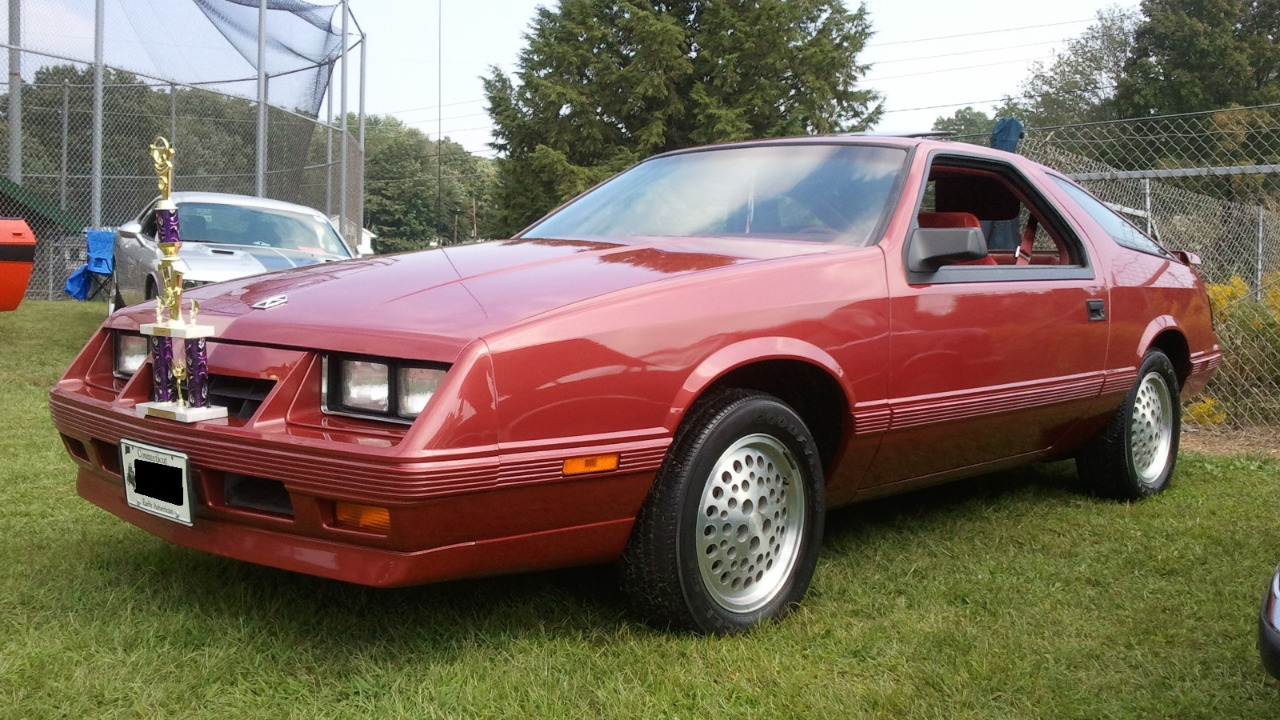
The 1985 Chrysler Laser was an ambitious attempt to redefine the American sport coupe segment, combining sleek design with innovative technology. As the automotive landscape shifted in the early 1980s, Chrysler set out to capture the hearts of performance enthusiasts with this model. This exploration delves into the key features, marketing strategies, and cultural impact of the Laser, shedding light on its legacy in the automotive world.
Historical Context of the 1985 Chrysler Laser
The early 1980s marked a transformative period in the American automotive industry. As fuel prices soared and consumer preferences shifted, manufacturers began to pivot towards sport coupes that offered a blend of performance and fuel efficiency. The Chrysler Laser emerged in this landscape as part of a broader trend towards compact, performance-oriented vehicles. Chrysler, which had gained a reputation for its K-car platform, was keen on expanding its portfolio with models that could appeal to a younger, more dynamic demographic.
Chrysler’s partnership with Mitsubishi played a crucial role in the development of the Laser. This collaboration allowed Chrysler to leverage Mitsubishi’s engineering prowess and experience in building sporty vehicles. The Laser was not just another model; it represented a strategic shift for Chrysler, positioning itself as a serious contender in the sport coupe market. By utilizing the K-car platform, Chrysler aimed to create a vehicle that was not only affordable but also packed with features that would entice performance-minded buyers.
Design and Engineering Features
The design of the 1985 Chrysler Laser was striking, characterized by its aerodynamic shape that emphasized speed and agility. The sleek body style, coupled with a low profile, contributed to its sporty aesthetic. Measuring approximately 181 inches in length and 68 inches in width, the Laser was compact yet spacious enough to provide comfort for its occupants. Its distinctive front fascia and integrated headlights added a modern touch that set it apart from other coupes of the time.
Under the hood, the Laser showcased several engineering innovations that elevated its performance capabilities. The use of lightweight materials in its construction not only enhanced fuel efficiency but also improved handling. The advanced suspension system, featuring MacPherson struts in the front and a multi-link setup in the rear, allowed for responsive steering and a smooth ride. Engine options included a turbocharged 2.2-liter four-cylinder, which produced 146 horsepower, and a 2.5-liter inline-four, offering a balance of power and fuel efficiency. These specifications positioned the Laser as a formidable competitor in its class.
Marketing Strategies and Target Audience
Chrysler’s marketing campaign for the Laser was as ambitious as the vehicle itself. The company aimed to capture the attention of younger consumers through a combination of innovative advertising and promotional events. Advertisements highlighted the Laser’s sporty design and performance features, appealing directly to a demographic that valued both aesthetics and capability. Chrysler utilized print media, television spots, and even sponsorship of motorsport events to create a buzz around the Laser.
The target audience for the Laser was primarily young professionals and enthusiasts seeking a stylish yet practical vehicle. Chrysler positioned the Laser as not just a car, but a lifestyle choice that represented freedom and adventure. The pricing strategy played a significant role in attracting buyers; starting at around $10,000, the Laser was competitively priced against rivals like the Ford Mustang and Chevrolet Camaro. This approach helped Chrysler carve out a niche in the sport coupe market, appealing to those who wanted performance without breaking the bank.
Comparative Analysis with Competitors
When comparing the Chrysler Laser to contemporaries such as the Ford Mustang and Chevrolet Camaro, several distinctions become evident. While the Mustang boasted a more powerful V8 engine option, the Laser offered a turbocharged alternative that appealed to those interested in fuel efficiency paired with spirited performance. The Chevrolet Camaro, known for its aggressive styling, targeted a slightly different audience focused on classic American muscle. In contrast, the Laser’s design leaned more towards modernity, aiming to attract a younger crowd.
In terms of consumer reception, the Laser found a dedicated following among those who appreciated its unique blend of sporty performance and everyday usability. While it may not have overshadowed the Mustang or Camaro in sales, it created a loyal fan base that recognized its value. The Laser’s distinctive features, such as its advanced suspension and turbocharged engine, contributed to its unique selling proposition, making it a noteworthy player in the sport coupe segment. For a visual comparison of these models, you can check out this gallery.
Legacy and Impact on American Automotive Culture
The legacy of the Chrysler Laser extends beyond its production years. As American sport coupes evolved in the decades following its release, the Laser’s influence can be seen in Chrysler’s subsequent models, including the Dodge Avenger and Chrysler Sebring. These vehicles incorporated elements that were initially showcased in the Laser, such as sporty designs and performance-focused engineering. The Laser helped to pave the way for a new generation of sport coupes that balanced style, performance, and practicality.
Moreover, the cultural significance of the Laser as a representation of 1980s automotive trends cannot be understated. It emerged during a time when personal expression through vehicles became increasingly important, and the Laser captured the essence of that movement. The car represented a shift in consumer preferences towards compact performance cars that were accessible to a wider audience. Its impact is documented in various automotive histories, illustrating how the Laser contributed to shaping the landscape of American sport coupes. For a deeper dive into the marketing strategies of this era, you can refer to the Immutable Laws of Marketing.
More from Fast Lane Only
- Unboxing the WWII Jeep in a Crate
- 15 rare Chevys collectors are quietly buying
- 10 underrated V8s still worth hunting down
- Police notice this before you even roll window down
*Research for this article included AI assistance, with all final content reviewed by human editors.