The 1980 Toyota Crown stands as a testament to Toyota’s early aspirations in the luxury vehicle market, showcasing the brand’s commitment to quality and sophistication long before it became synonymous with luxury. Its introduction not only marked a significant milestone for Toyota, but it also played a pivotal role in shaping consumer expectations and the automotive industry’s approach to luxury. As I delve into the significance of the Crown, I uncover how this model laid the groundwork for Toyota’s luxury ambitions and its lasting impact on the automotive landscape.
The Emergence of the Toyota Crown in the Luxury Market
The late 1970s and early 1980s were transformative years for the automotive industry. As consumer expectations for luxury vehicles were on the rise, automakers scrambled to enhance their offerings. The introduction of the 1980 Toyota Crown was a strategic move by Toyota to position itself against established luxury brands like Mercedes-Benz and BMW, which had long dominated the market. With the Crown, Toyota aimed to demonstrate that it could produce a vehicle that not only met but potentially exceeded the expectations of luxury car buyers.
Initial public and critical reception of the 1980 Crown was largely positive. Automotive enthusiasts praised its blend of comfort, style, and reliability. Magazines and reviewers noted the car’s elegant design and the thoughtful inclusion of features that catered to a more discerning clientele. This positive reception signaled that Toyota was on the right path in its quest for luxury, marking a significant shift in the brand’s identity and strategy.
Design and Features of the 1980 Toyota Crown
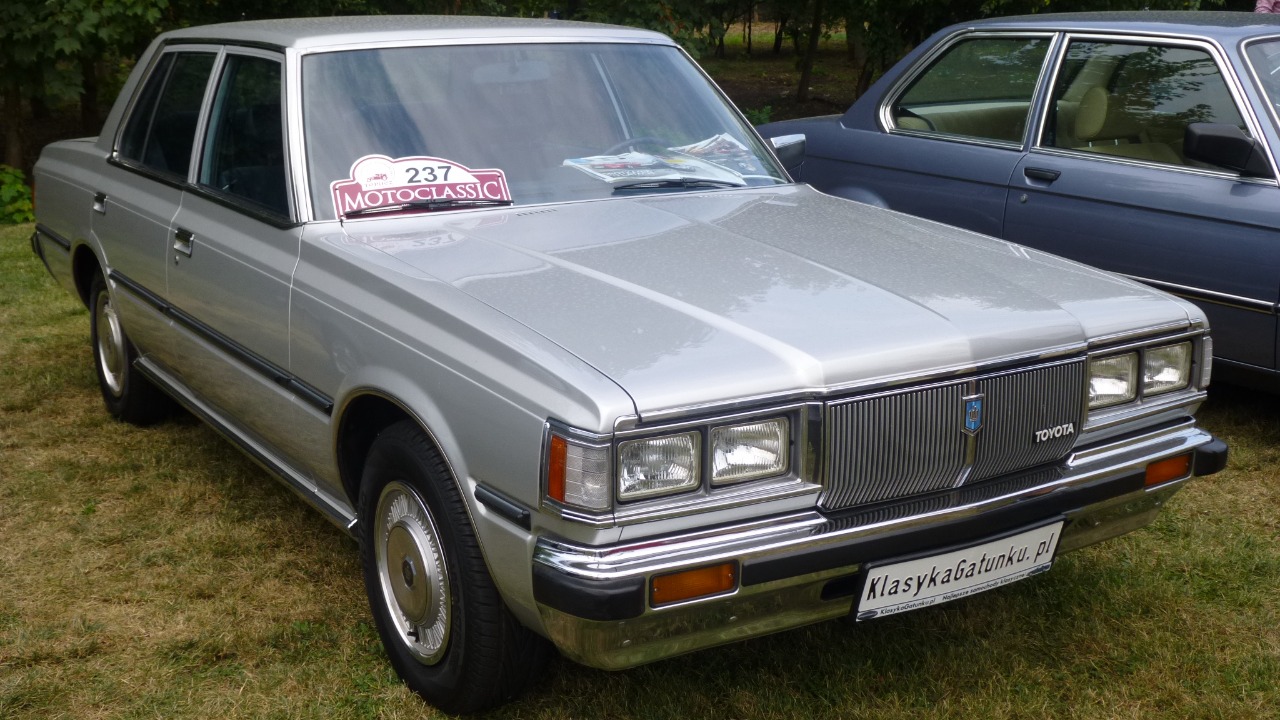
The aesthetic appeal of the 1980 Toyota Crown was one of its standout features. With its sleek lines and distinctive grille, the Crown exuded an air of sophistication. The exterior design was complemented by an interior that featured high-quality materials, from plush upholstery to polished wood accents. This attention to detail was not just about looks; it was a representation of Toyota’s commitment to quality and luxury.
Technologically, the 1980 Crown was ahead of its time. It introduced various innovative features, including advanced climate control systems, power-adjustable seats, and enhanced sound insulation. Safety features such as anti-lock braking systems were also part of the package, which was becoming increasingly important to consumers. When compared to competitors like the Lexus LS 400, which would later emerge as a direct rival, the Crown’s features stood out, showcasing Toyota’s ability to compete on multiple fronts in the luxury segment.
The Crown’s Role in Defining Toyota’s Luxury Identity
The 1980 Toyota Crown played a crucial role in shaping Toyota’s corporate identity. It marked the company’s transition from a manufacturer of reliable, economical vehicles to a serious contender in the luxury market. This shift was not merely about creating a luxury vehicle; it was about crafting a brand image that would resonate with consumers seeking prestige and comfort.
Moreover, the Crown laid the groundwork for future luxury models, including the establishment of the Lexus brand in the late 1980s. Lexus became synonymous with luxury, thanks in part to the foundational principles embodied by the Crown. The market positioning of the Crown also established Toyota’s presence in the luxury segment, setting the stage for a broader strategy that would see the company become a major player in the global automotive landscape.
Legacy and Cultural Impact of the 1980 Toyota Crown
The 1980 Toyota Crown has attained iconic status in Japanese culture. It has been celebrated not only for its luxury features but also for its significance in the history of Japanese automobile manufacturing. As a symbol of status and sophistication, the Crown has left an indelible mark on the automotive world, influencing both consumers and manufacturers alike.
Today, the 1980 Crown is highly collectible among classic car enthusiasts. Its nostalgia factor resonates with those who remember its heyday, and it remains a sought-after model at vintage car shows and auctions. The principles embodied by the Crown continue to influence modern luxury vehicles, with many of its features and design elements echoing in today’s high-end offerings from various manufacturers.
The Crown’s Global Reach and Influence
As Toyota sought to expand its presence beyond Japan, the Crown was one of the first models to be exported to international markets. Its appeal was not limited to Japanese consumers; it found a receptive audience in countries such as the United States, Australia, and parts of Europe. Modifications made for different markets helped the Crown adapt to varying consumer preferences, showcasing Toyota’s commitment to understanding and meeting the needs of global customers.
The Crown’s influence on luxury vehicle standards cannot be understated. It played a pivotal role in shaping global consumer expectations for luxury sedans. The combination of performance, comfort, and innovative features set a benchmark that many manufacturers still strive to achieve today. The legacy of the 1980 Toyota Crown is evident in how luxury vehicles are designed and marketed, as it laid the foundation for a new standard in the automotive industry.
For those interested in a deeper dive into the history and significance of the 1980 Toyota Crown, resources like this book and various articles highlight its evolution and impact within the automotive landscape. Whether you’re a car enthusiast or simply curious about luxury vehicles, the story of the Toyota Crown is one worth exploring. Its legacy continues to resonate with both consumers and manufacturers, reminding us of a pivotal moment in automotive history when luxury ambitions began to take shape.
More from Fast Lane Only
- Unboxing the WWII Jeep in a Crate
- 15 rare Chevys collectors are quietly buying
- 10 underrated V8s still worth hunting down
- Police notice this before you even roll window down
*Research for this article included AI assistance, with all final content reviewed by human editors.