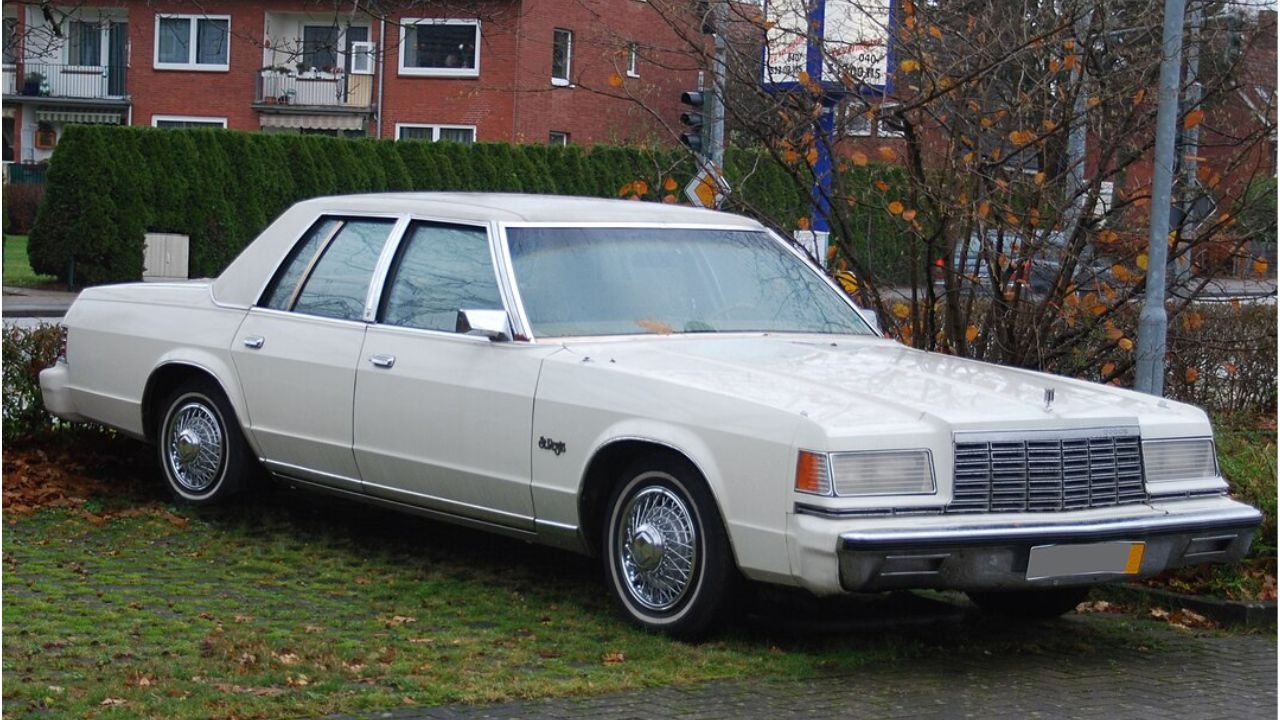
The 1979 Dodge St. Regis emerged as an unassuming yet effective vehicle for law enforcement, combining performance, comfort, and durability. Its popularity among police departments during its production years is a testament to how a vehicle can quietly influence public service while fulfilling essential operational needs.
Background of the Dodge St. Regis
The Dodge St. Regis made its debut in 1979, riding on the Chrysler Corporation’s R-body platform, which provided a solid foundation for full-size sedans. Designed as a traditional American car, the St. Regis featured a classic, boxy silhouette that was both functional and appealing. Its design was not just for aesthetic appeal; it was intended to provide ample interior space and comfort, a necessity for law enforcement officers who often spent long hours on patrol.
In the late 1970s, the market for full-size sedans was shifting, primarily due to the oil crisis that prompted a demand for more fuel-efficient vehicles. However, police departments were still looking for robust vehicles capable of handling the rigors of law enforcement. The St. Regis, therefore, found a niche where it could combine the traditional full-size sedan characteristics with the performance and reliability required for police work. The R-body platform allowed for various configurations, making it versatile enough to serve different law enforcement needs.
Performance Specifications
One of the standout features of the 1979 Dodge St. Regis was its engine options, which included the 318 cubic inch and 360 cubic inch V8 engines. The 318 engine produced approximately 150 horsepower, while the 360 offered a beefier output, around 245 horsepower. This range of power allowed police departments to choose a model that best suited their operational requirements, whether they needed a fuel-efficient vehicle for everyday patrols or a more powerful option for high-speed pursuits.
In terms of handling, the St. Regis was designed to provide a balanced driving experience. Its rear-wheel-drive configuration, coupled with a well-tuned suspension system, offered a level of agility that was essential for police officers during pursuit scenarios. Compared to contemporaneous police vehicles, such as the Ford Torino and Chevrolet Impala, the St. Regis held its ground in speed and agility, making it a competitive choice for law enforcement applications. Police officers found the vehicle responsive and capable of handling the demands of high-stress situations with confidence.
Comfort and Utility Features
The interior of the Dodge St. Regis prioritized officer comfort, featuring spacious seating and a well-thought-out layout. The roomy cabin provided enough space for officers to move around, reducing fatigue during long shifts. The seat materials were designed to withstand wear and tear, ensuring longevity and durability, which is crucial for vehicles that see heavy use. Additionally, the dashboard was intuitive, allowing officers to access controls without distraction, which is vital during high-pressure situations.
Another critical aspect of the St. Regis was its trunk capacity. With ample storage space, it could easily accommodate essential police equipment, such as firearms, radios, and emergency gear. Optional features like a spotlight and additional power outlets further enhanced its functionality for law enforcement use. This combination of comfort and utility made the St. Regis a practical choice for police departments, as it effectively met the diverse needs of officers on the job.
Durability and Reliability
The construction quality of the 1979 Dodge St. Regis was a significant factor in its adoption by police departments. Built with sturdy materials and a robust chassis, the St. Regis was designed to endure the rigors of daily patrol and high-speed pursuits. Reports from various police departments highlighted the vehicle’s reliability, with many officers noting its ability to withstand heavy use without significant mechanical issues.
Real-world testimonials from law enforcement agencies underscore the St. Regis’s reputation for longevity. Many departments reported that their vehicles remained operational for years, often exceeding 100,000 miles with proper maintenance. This reliability translated into lower maintenance costs, making the St. Regis a financially viable option for cash-strapped police budgets. The combination of quality construction and low maintenance needs solidified the St. Regis’s status as a dependable vehicle for law enforcement.
Police Package Modifications
The Dodge St. Regis was available with specific police package modifications that tailored the vehicle for law enforcement needs. These packages often included enhancements such as heavy-duty suspension systems, reinforced chassis, and specialized lighting and siren systems. These modifications allowed police departments to customize their St. Regis vehicles based on the specific requirements of their jurisdictions.
For example, some departments opted for additional features such as advanced communication systems or upgraded braking systems to improve response times during emergencies. The flexibility of the St. Regis in accommodating these modifications made it an appealing choice for various law enforcement agencies, allowing them to optimize the vehicle for their unique operational demands.
Impact on Police Culture
The Dodge St. Regis quickly became a symbol of authority and presence in the communities it served. During the late 1970s and early 1980s, the sight of a St. Regis patrolling neighborhood streets instilled a sense of security among citizens. The vehicle’s imposing design and police package modifications enhanced its visual impact, contributing to a perception of safety and law enforcement’s commitment to public service.
Anecdotes from police officers who drove the St. Regis often highlight the vehicle’s role in shaping police culture. Many officers appreciated the vehicle for its comfort and reliability, which allowed them to focus on their duties without the distraction of potential mechanical failures. Officer testimonials reflect a sense of pride in driving a vehicle that not only served a functional purpose but also represented the law enforcement community in a positive light.
Legacy and Collectability
Since its discontinuation, the Dodge St. Regis has been remembered in automotive culture as a unique representative of its era. Collectors and enthusiasts often seek out vintage police vehicles, and the St. Regis has gained recognition in these circles for its distinctive design and historical significance. Current market trends indicate a rising interest in classic police vehicles, with the St. Regis being a notable example of how automotive design can intersect with public service.
As collectors search for pieces of automotive history, the St. Regis has become a sought-after model, often appearing at car shows and auctions. Its legacy extends beyond its years of service as a police vehicle, influencing modern police vehicle designs that continue to prioritize performance, durability, and officer comfort. The St. Regis serves as a case study for understanding how vehicles can adapt to meet the evolving needs of law enforcement while leaving a lasting mark on automotive culture.
More from Fast Lane Only