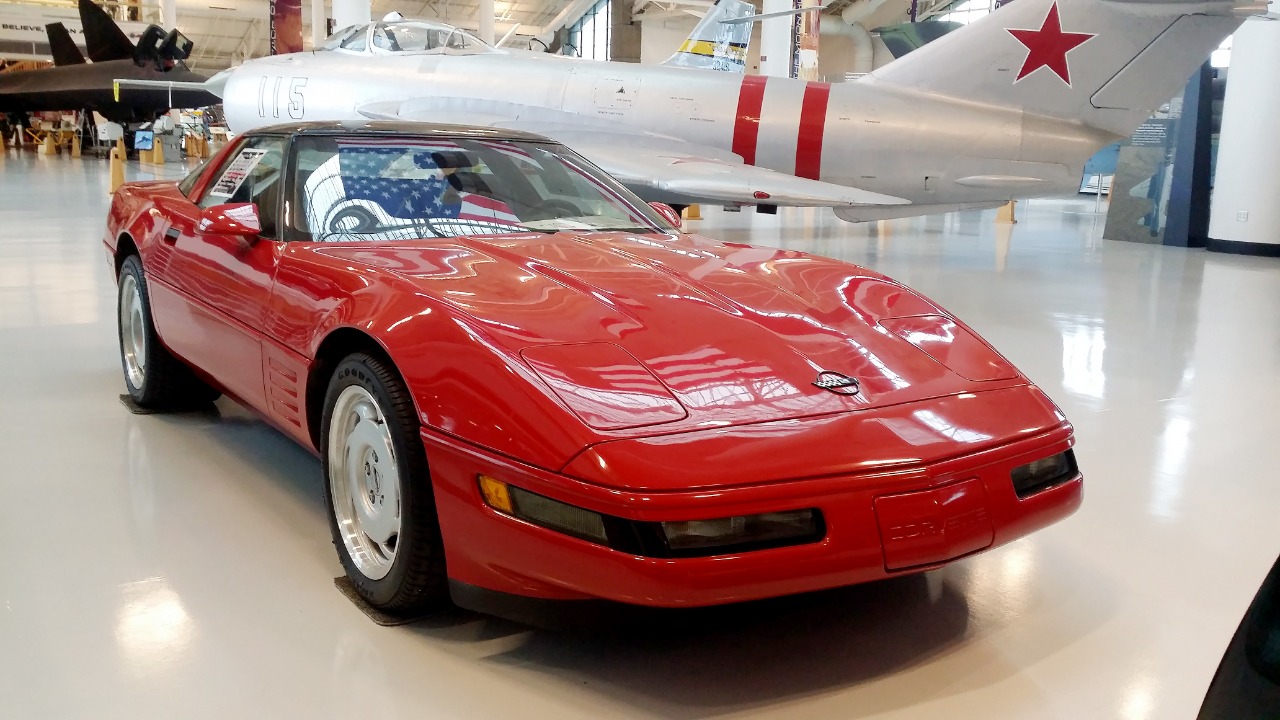
The 1990 Chevrolet Corvette ZR-1 was more than just a car; it was a bold statement from General Motors that signaled a resurgence of American sports cars in the global market. With its cutting-edge technology and impressive performance, the ZR-1 forced the automotive world to take notice.
The Legacy of the Corvette
The Chevrolet Corvette has long been regarded as a quintessential symbol of American automotive culture. Introduced in 1953, the Corvette captivated enthusiasts with its unique design and performance capabilities. Over the decades, it evolved through various generations, each model reflecting the technological advancements and the spirit of its time. However, by the 1980s, the Corvette’s appeal was waning. The C4 generation, launched in 1984, attempted to revitalize the brand but faced numerous challenges, including stiff competition from European sports cars and a perception that American cars were lagging behind in performance and innovation.
Before the ZR-1’s introduction, the Corvette’s image had become somewhat stagnant. Despite being a staple of American muscle, it struggled to maintain its relevance in a rapidly changing automotive landscape. The lack of new features and the increasing performance of competitors left many wondering if the Corvette could reclaim its status as a leader in the sports car segment. This backdrop of uncertainty set the stage for the arrival of the ZR-1, a model that would not only challenge perceptions but also redefine what an American sports car could be.
The Birth of the ZR-1
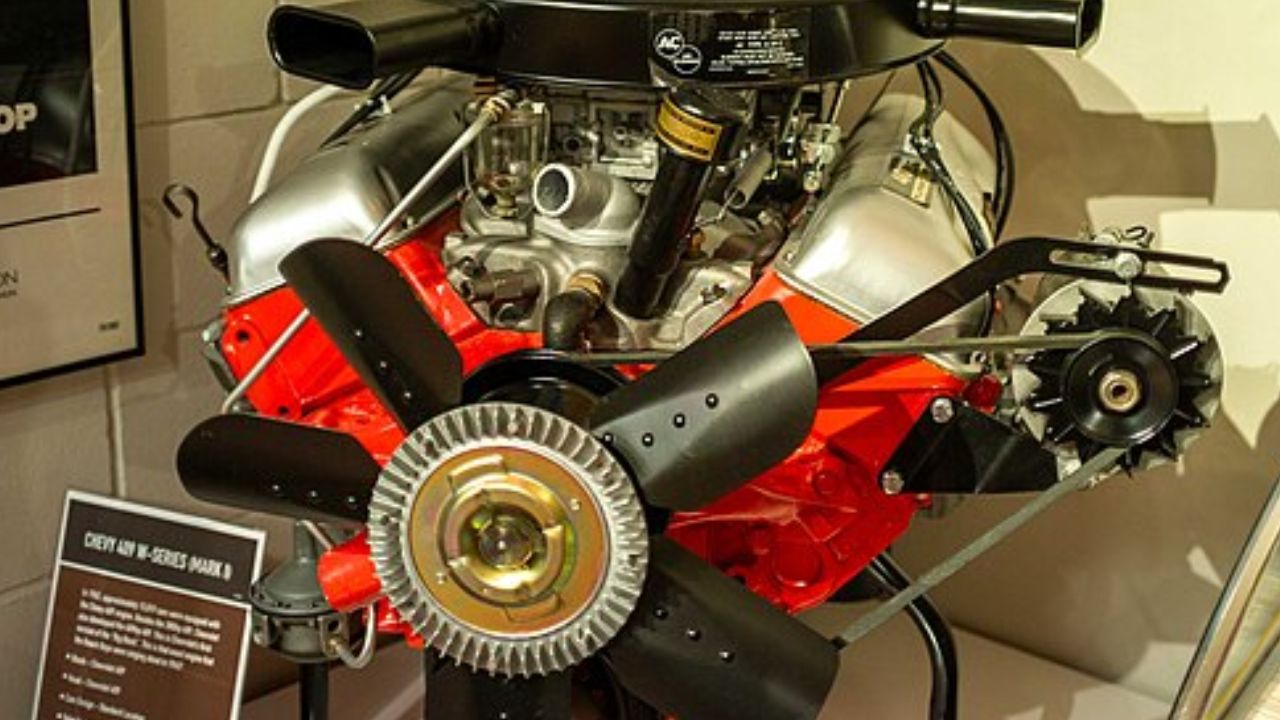
The Chevrolet Corvette ZR-1 was born out of a collaboration between General Motors and Lotus Engineering, a partnership that would prove pivotal in the ZR-1’s development. The goal was to create a high-performance variant of the Corvette that could compete with the best in the world. The culmination of this collaboration was the LT5 engine, a 5.7-liter V8 that produced an astonishing 375 horsepower, a figure that was groundbreaking for its time. This engine was equipped with a unique DOHC design, allowing for higher RPMs and greater efficiency compared to its predecessors.
In addition to raw power, the ZR-1 also focused on luxury and comfort, merging performance with everyday usability. Features such as leather seats, advanced sound systems, and a user-friendly control layout made the ZR-1 not just a track-ready machine but also a car that could be enjoyed on daily drives. The vision behind the ZR-1 was to offer enthusiasts a vehicle that delivered thrilling performance without sacrificing the driving experience, setting a new standard for future sports cars.
Technological Innovations
The ZR-1 introduced several technological innovations that would set new benchmarks for sports cars. One of the most notable advancements was its use of advanced materials. The ZR-1 employed a composite body structure, which not only reduced weight but also enhanced aerodynamics. This innovative approach allowed for improved handling and performance, a significant advantage over heavier, traditional designs.
Another groundbreaking feature was the ZR-1’s advanced engine management system, which optimized performance by adjusting fuel delivery and ignition timing in real-time. This technology was critical in achieving the ZR-1’s impressive acceleration and top speed, which could reach 180 mph. The impact of these innovations was felt across the automotive industry, as manufacturers began to adopt similar technologies in their vehicles, recognizing the importance of efficiency and performance in modern sports cars.
Market Reception and Impact
The launch of the ZR-1 at the 1989 Los Angeles Auto Show generated significant buzz and excitement. Initial public and media reactions were overwhelmingly positive, with many praising its striking design and impressive performance specifications. The ZR-1 quickly became a symbol of American engineering excellence, challenging the notion that European cars were superior in performance and innovation.
Sales figures for the ZR-1 were also impressive, with a total of 6,939 units sold during its production run from 1990 to 1995. The ZR-1’s performance against competitors, such as the Porsche 911 and Ferrari 348, established it as a serious contender in the global sports car market. This shift in consumer perception was crucial for American cars, helping to restore pride in domestic manufacturing and showcasing that American automakers could produce world-class vehicles.
Performance on the Track
The ZR-1’s prowess extended beyond the showroom, as it quickly made a name for itself on the racetrack. The car’s racing pedigree was highlighted by its participation in various competitions, including the IMSA GTP series, where it demonstrated its capabilities against some of the most renowned European sports cars. Professional drivers lauded the ZR-1 for its handling, power delivery, and overall driving experience, often comparing it favorably to its European counterparts.
Testimonials from enthusiasts and professional drivers alike emphasized the ZR-1’s exhilarating performance. The car’s lightweight construction and aerodynamic design allowed for exceptional cornering abilities, while the powerful LT5 engine delivered relentless acceleration. This combination made the ZR-1 not just a vehicle for cruising but a true contender on the racetrack, solidifying its place in automotive history as a performance icon.
Cultural Significance
The ZR-1 transcended its role as a mere automobile and became a cultural icon, frequently appearing in media, including movies and television shows. Its sleek design and impressive performance made it a favorite among filmmakers, who often used it to represent speed and power. This visibility helped cement the ZR-1’s status as a symbol of American automotive engineering prowess and contributed to its lasting legacy.
Car clubs and enthusiast groups have played a vital role in preserving the ZR-1’s legacy. These communities celebrate the car’s history and performance, organizing events and gatherings to share their passion and knowledge. The ZR-1 remains a popular topic in discussions about American performance cars, and its impact can still be felt in the automotive world today. For those interested in joining the conversation, the C8 Corvette Owners Group offers a space for enthusiasts to connect and share their experiences.
Challenges and Controversies
Despite its many successes, the ZR-1 faced challenges and controversies throughout its production. Initial production issues plagued the model, including delays and quality control concerns. These problems led to criticism from customers and media alike, with some questioning the reliability of the high-performance vehicle. Furthermore, the ZR-1’s pricing, which started at around $60,000, made it less accessible to the average consumer, leading to debates about the car’s value proposition.
The internal and external pressures faced during the ZR-1’s production shaped its trajectory. General Motors had to balance the desire for performance with the realities of production costs and market expectations. This tug-of-war ultimately influenced how the ZR-1 was positioned within the broader Corvette lineup, as well as its legacy. While some enthusiasts lamented the challenges, others recognized that these hurdles were part of what made the ZR-1’s achievements all the more remarkable.
The ZR-1’s Influence on Future Corvettes
The impact of the ZR-1 extends far beyond its production run, paving the way for subsequent Corvette models and innovations. Elements of the ZR-1’s design and engineering have been carried over into future generations of the Corvette, influencing everything from aerodynamics to engine performance. The legacy of the ZR-1 can be seen in models such as the C5 and C7, which incorporated many of the advancements pioneered by the ZR-1.
Moreover, the ZR-1 set a precedent for performance standards in the Corvette lineup. The introduction of the Z06 variant in later generations can be traced back to the ZR-1’s success, as Chevrolet sought to create higher-performance models that would continue to elevate the brand’s reputation. The innovations and lessons learned from the ZR-1 have had a lasting impact on the Corvette’s evolution, ensuring that it remains a competitive player in the sports car market.
The ZR-1 Today
Today, the 1990 ZR-1 is a sought-after collectible, with current market values reflecting its status as a classic American sports car. As enthusiasts continue to appreciate the ZR-1’s performance and design, restoration efforts are thriving, ensuring that this piece of automotive history is preserved for future generations. The ongoing community of ZR-1 owners and enthusiasts remains passionate about the car, sharing knowledge and experiences through various forums and gatherings.
Reflecting on the ZR-1’s place in automotive history, it is clear that it played a crucial role in reshaping perceptions of American sports cars. Its impact on modern sports cars is undeniable, as the ZR-1’s blend of technology, performance, and luxury set a new standard for what enthusiasts could expect from American automakers. The ZR-1 is not just a car; it is a symbol of innovation and a testament to the enduring legacy of the Corvette.
More from Fast Lane Only