The 1950s marked a transformative era in the automotive world, where innovation and style took center stage. While collectors often focus on rarity and monetary value, enthusiasts appreciate vehicles for their engineering, design, and cultural significance. Here’s a look at nine classic vehicles from the 1950s that enthusiasts respect more than collectors do, showcasing their unique attributes and the legacy they’ve created.
Ford Thunderbird

The Ford Thunderbird debuted in 1955 as a personal luxury car, standing out with its sleek lines and powerful V8 engine. Unlike traditional sports cars, it was designed for comfort and style, appealing to a broader audience. With a focus on aesthetics, it introduced features like porthole windows and a distinctive grille, making it a symbol of 1950s American automotive culture.
Enthusiasts appreciate the Thunderbird for its blend of performance and luxury, often favoring the 1957 model, known for its stunning design and advanced engineering. This vehicle not only redefined the American coupe but also influenced future models. Its significance lies not just in its specifications but in how it captured the spirit of freedom and adventure during the post-war era, making it a cherished piece of automotive history.
Chevrolet Bel Air
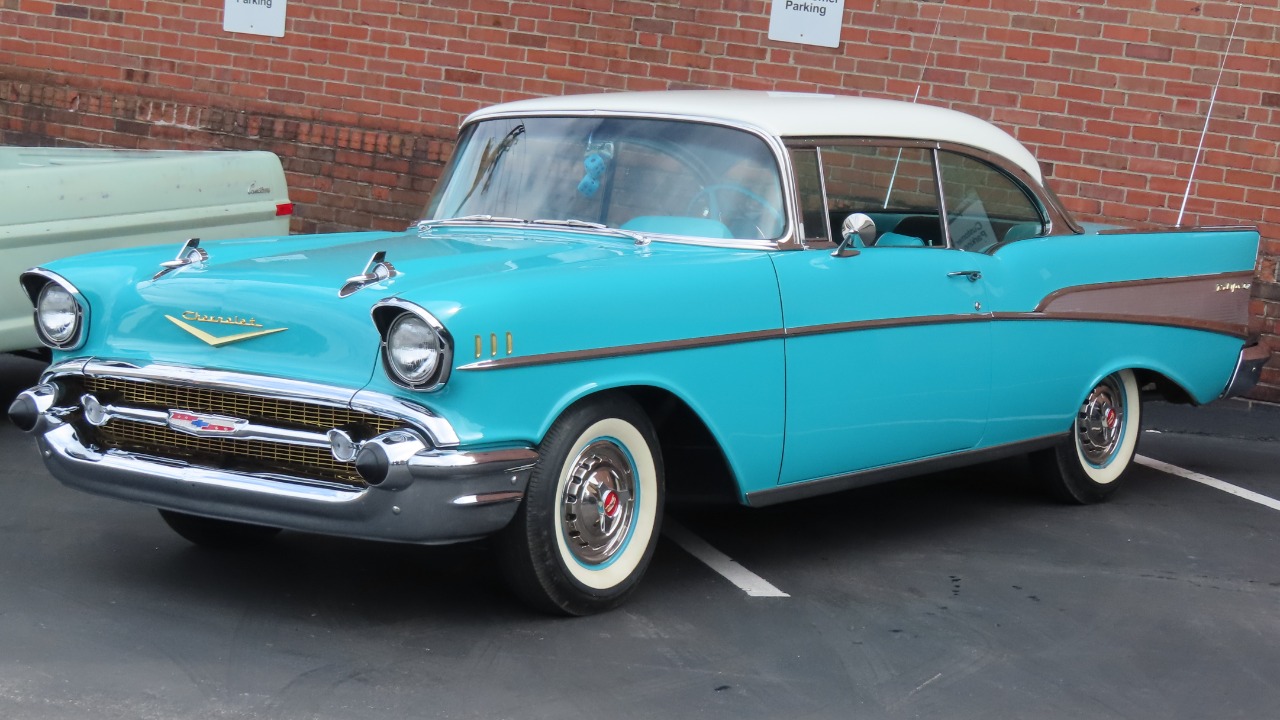
The Chevrolet Bel Air is an iconic representation of 1950s Americana, with its unmistakable tailfins and chrome accents. Debuting in 1950, the Bel Air quickly became a household name, celebrated for its stylish design and affordable price. Enthusiasts admire the 1957 model, which is often regarded as the pinnacle of 1950s design, featuring a two-tone color scheme and a powerful V8 engine.
Beyond its aesthetic appeal, the Bel Air represents the optimism and prosperity of the era. Its significance goes beyond mere collectibles; it embodies the American dream, making it a favorite among car enthusiasts who appreciate its historical context. The Bel Air’s legacy continues, influencing modern car designs and remaining a symbol of a bygone era that many hold dear.
Studebaker Avanti
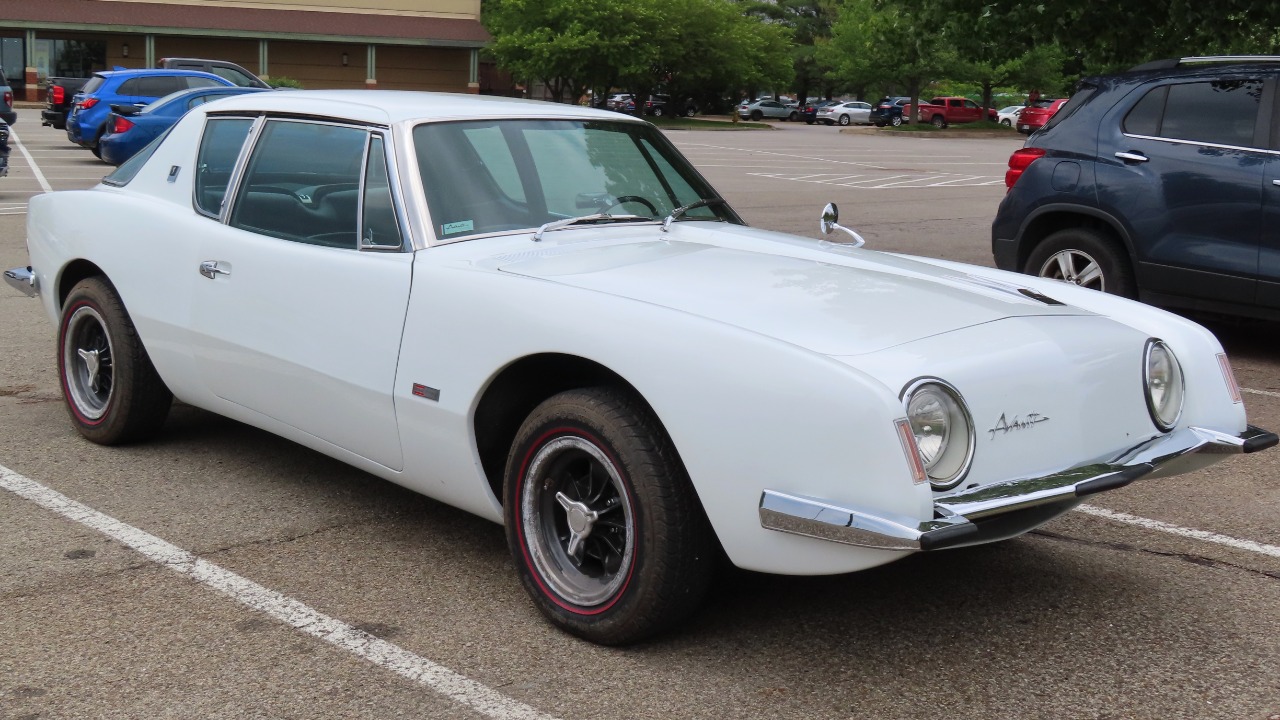
The Studebaker Avanti, launched in 1962, was ahead of its time, featuring a streamlined design and innovative engineering. While it technically falls just outside the 1950s, its development began in that decade, making it a vehicle of interest for enthusiasts. The Avanti was a bold step away from traditional designs, showcasing a fiberglass body and a supercharged V8 engine.
Car enthusiasts respect the Avanti for its groundbreaking design and performance, which challenged the status quo of American automobiles. It was an attempt by Studebaker to redefine luxury and performance, making it a beloved subject among those who appreciate forward-thinking automotive design. Its unique styling and performance capabilities keep it relevant in discussions about classic cars.
Hudson Hornet
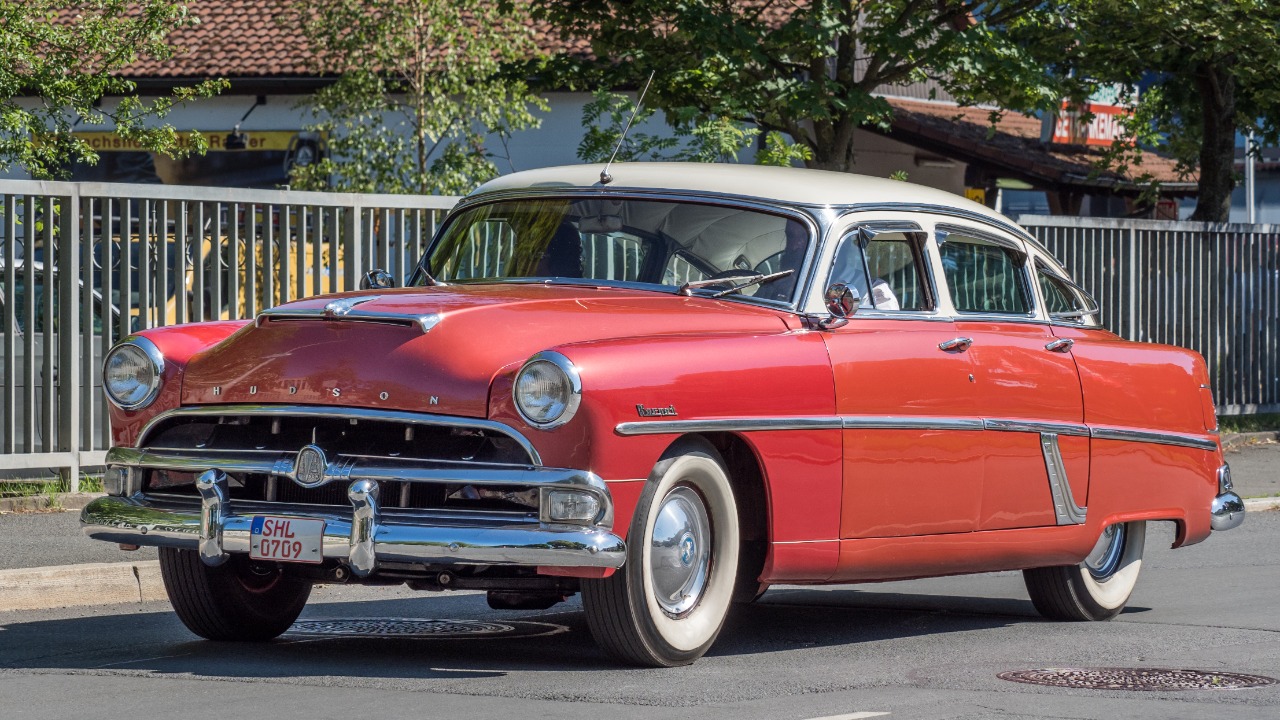
The Hudson Hornet is a classic vehicle that often flies under the radar among collectors. Produced from 1951 to 1954, the Hornet was renowned for its impressive engineering and racing pedigree. With its flathead six-cylinder engine and low center of gravity, it dominated NASCAR in the early 1950s, making it a favorite among racing enthusiasts.
Enthusiasts respect the Hornet for its innovative design and engineering, which included features like the “step-down” chassis for easier entry and exit. Its racing success and unique styling have made it a beloved classic, celebrated for its contributions to automotive history. The Hornet remains a testament to the creativity and ingenuity of American car manufacturers during a vibrant period in automotive design.
Chrysler 300
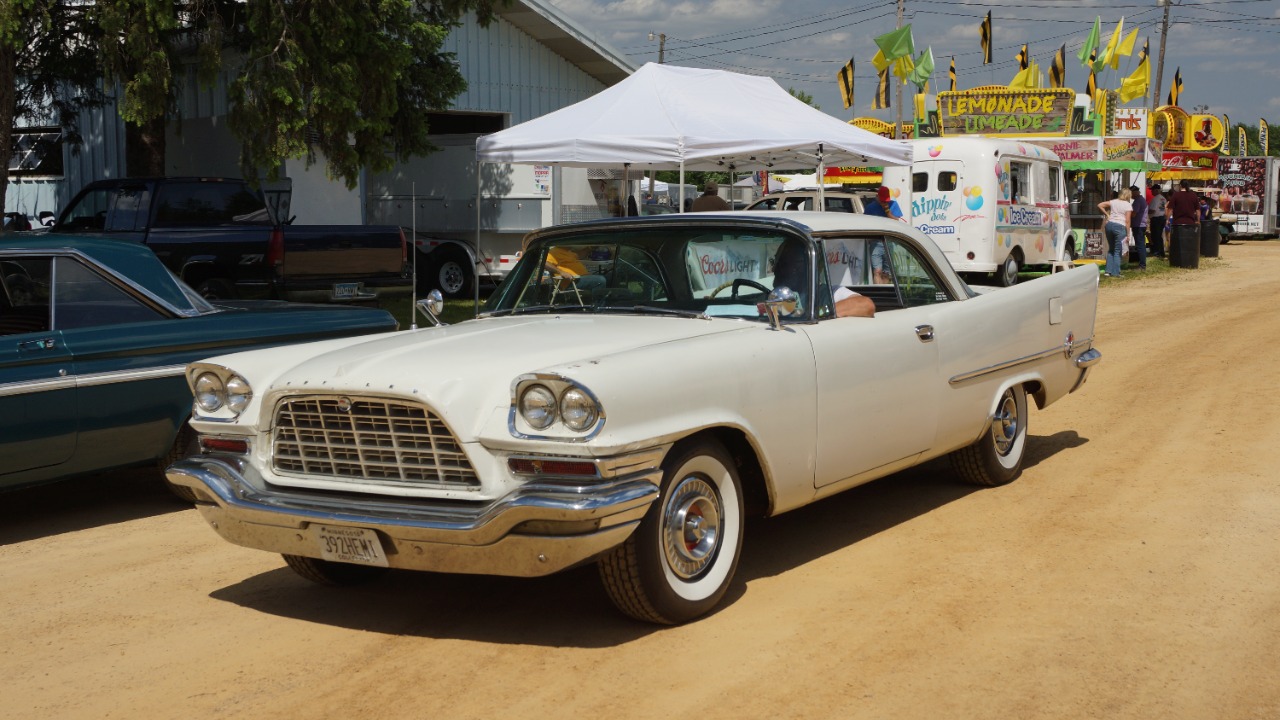
The Chrysler 300, often referred to as the “letter series,” was introduced in 1955 and quickly gained a reputation for its luxury and performance. With a powerful Hemi V8 engine, the 300 was designed to deliver both style and speed, making it a favorite among enthusiasts who value power as much as aesthetics. Its combination of elegance and performance set a new standard for American luxury cars.
Enthusiasts appreciate the Chrysler 300 not just for its capabilities but for its role in establishing a new genre of performance luxury vehicles. The 300C, introduced in 1957, is particularly revered, showcasing the marriage of high performance and stylish design. Its significance lies in how it influenced future luxury cars, making it a celebrated icon in the automotive world.
Plymouth Fury
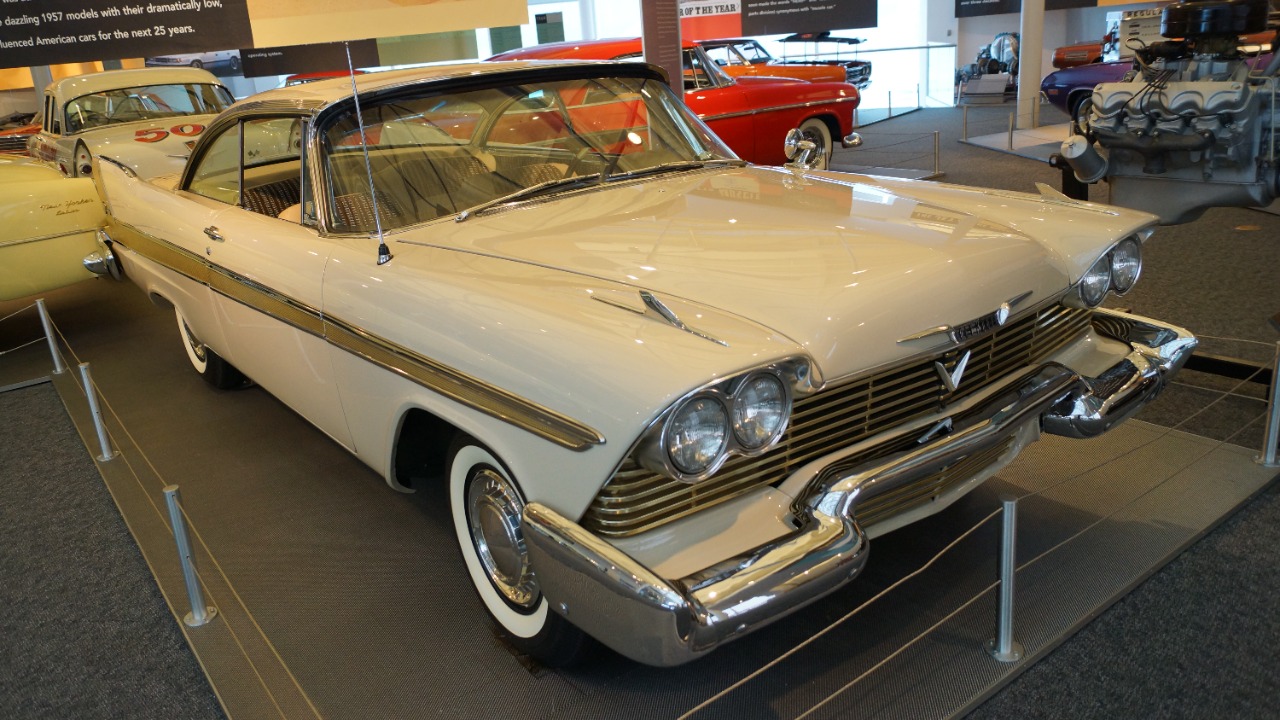
The Plymouth Fury is a classic vehicle that evokes nostalgia among car enthusiasts, particularly the 1958 model, which featured dramatic fins and vibrant color options. Originally marketed as a performance car, the Fury gained fame for its role in pop culture, prominently featured in Stephen King’s “Christine.” This connection has cemented its status among enthusiasts, who value its unique history and design.
While collectors may focus on rarity, enthusiasts respect the Fury for its cultural impact and distinctive styling. Its combination of performance and flair makes it a vehicle that represents an era of bold design choices in the automotive industry, embodying the spirit of the 1950s and its love for innovation and individuality.
Buick Riviera
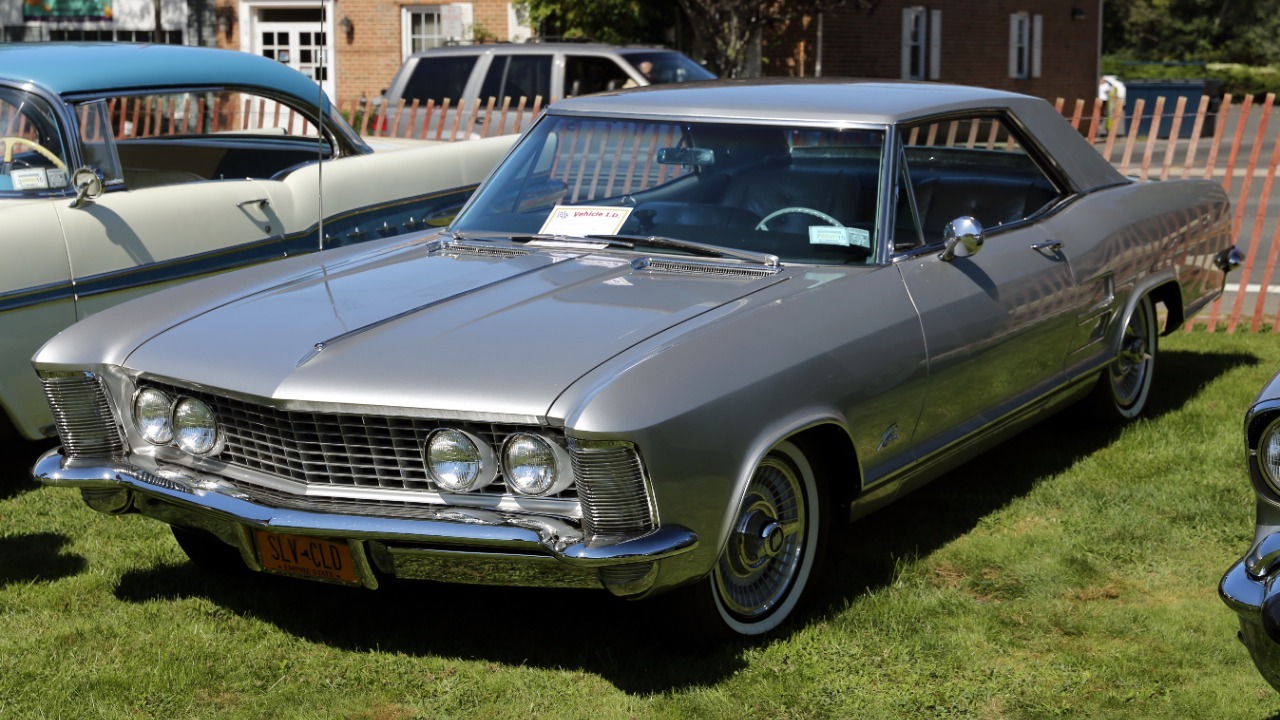
Introduced in 1963, the Buick Riviera was a luxury personal coupe that often gets overlooked in favor of more iconic vehicles from the 1950s. However, its design was heavily influenced by the trends of that decade, showcasing elegance and sophistication. The Riviera stood out with its distinctive lines and powerful V8 engine, appealing to enthusiasts who appreciate the finer aspects of automotive design.
Enthusiasts respect the Riviera for its blend of luxury and performance, along with its unique features like the “floating” roofline. Its design represents a shift towards more refined automotive styling and performance characteristics, making it a celebrated classic that deserves recognition beyond the collector market.
Nash Metropolitan
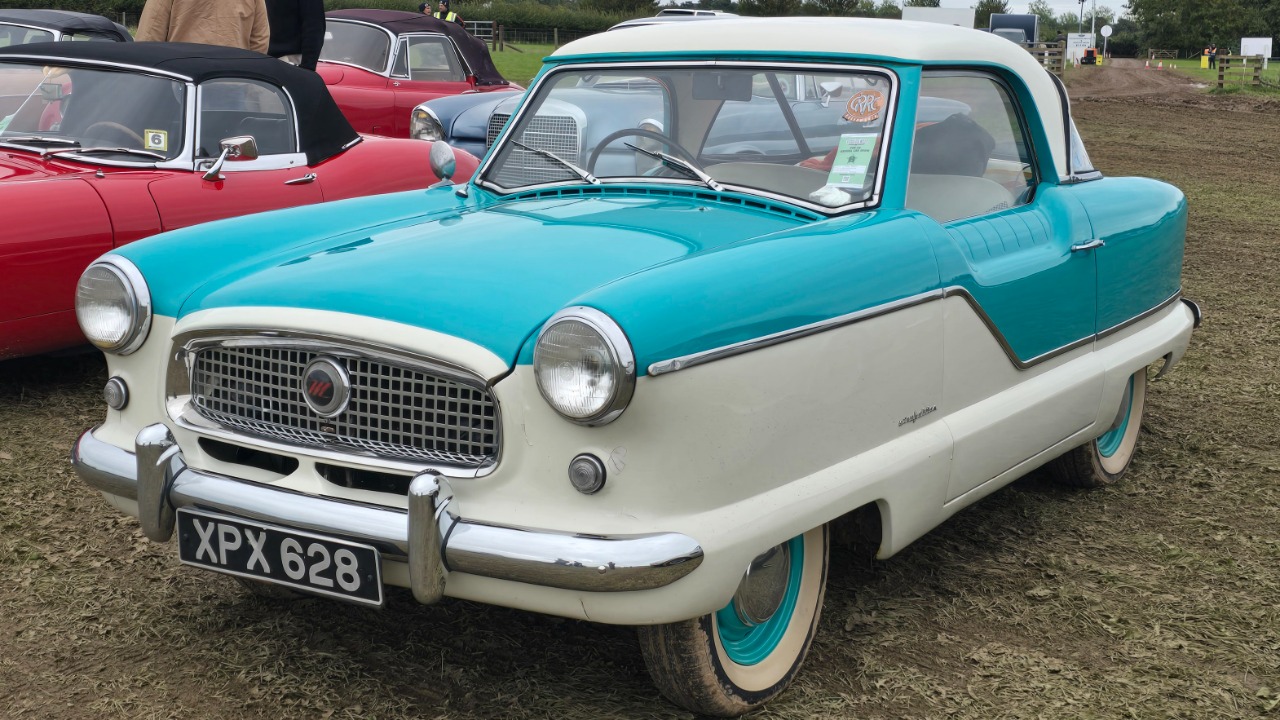
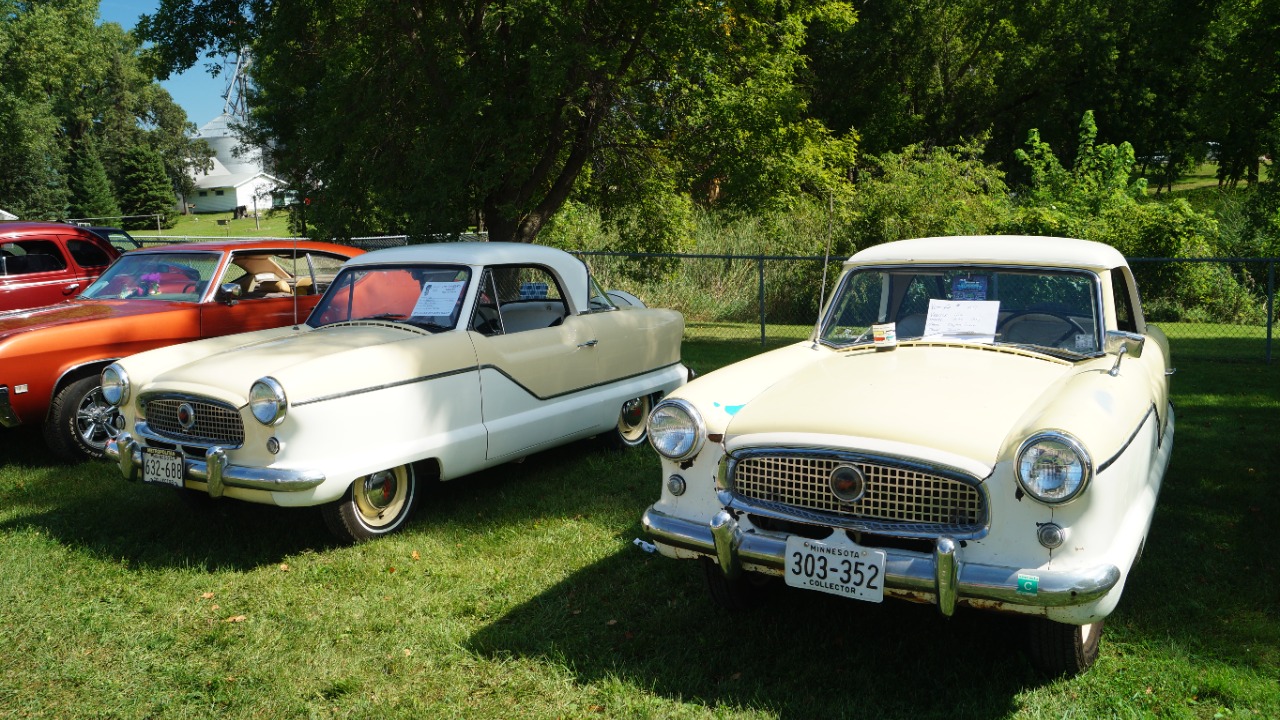
The Nash Metropolitan, produced from 1953 to 1961, is a compact car that often garners admiration from enthusiasts for its quirky design and practicality. Designed for the American market, it was one of the first subcompact cars, appealing to urban dwellers looking for an affordable vehicle. Its distinctive styling and compact size made it a fun option for city driving.
While collectors may not prioritize the Metropolitan, enthusiasts appreciate its historical significance and the role it played in shaping the compact car segment. Its unique design and functionality have made it a beloved choice for those who value individuality and practicality in classic cars, securing its place in automotive history.
Mercedes-Benz 300SL
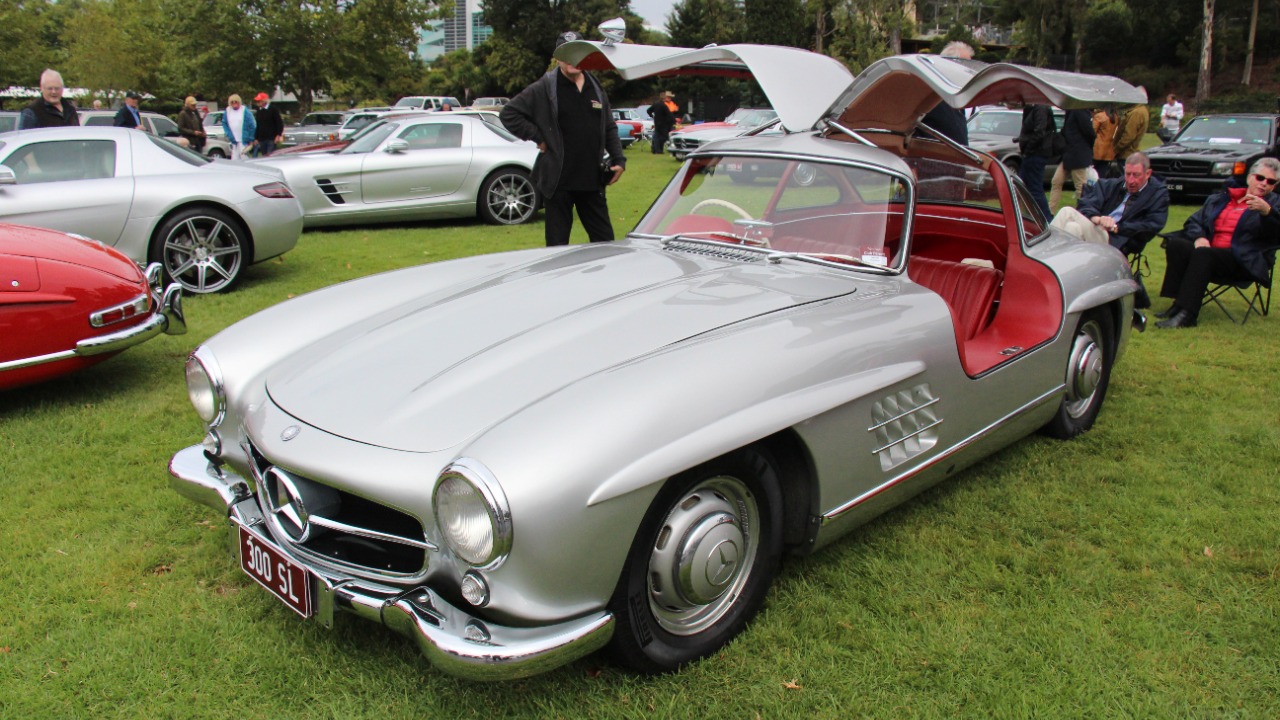
The Mercedes-Benz 300SL, introduced in 1954, is often celebrated for its stunning design and engineering prowess. Known for its iconic gullwing doors and advanced engineering, the 300SL was a standout in the luxury sports car market. Enthusiasts respect this model for its racing heritage, as it was derived from the successful W194 race car.
While collectors often seek out rarer models, the 300SL remains a favorite among enthusiasts who appreciate its performance and status as a symbol of post-war automotive excellence. Its influence can still be seen in modern sports cars, making it a timeless classic that continues to inspire awe and admiration in the automotive community.
More from Fast Lane Only
- Unboxing the WWII Jeep in a Crate
- 15 rare Chevys collectors are quietly buying
- 10 underrated V8s still worth hunting down
- Police notice this before you even roll window down
*Research for this article included AI assistance, with all final content reviewed by human editors.