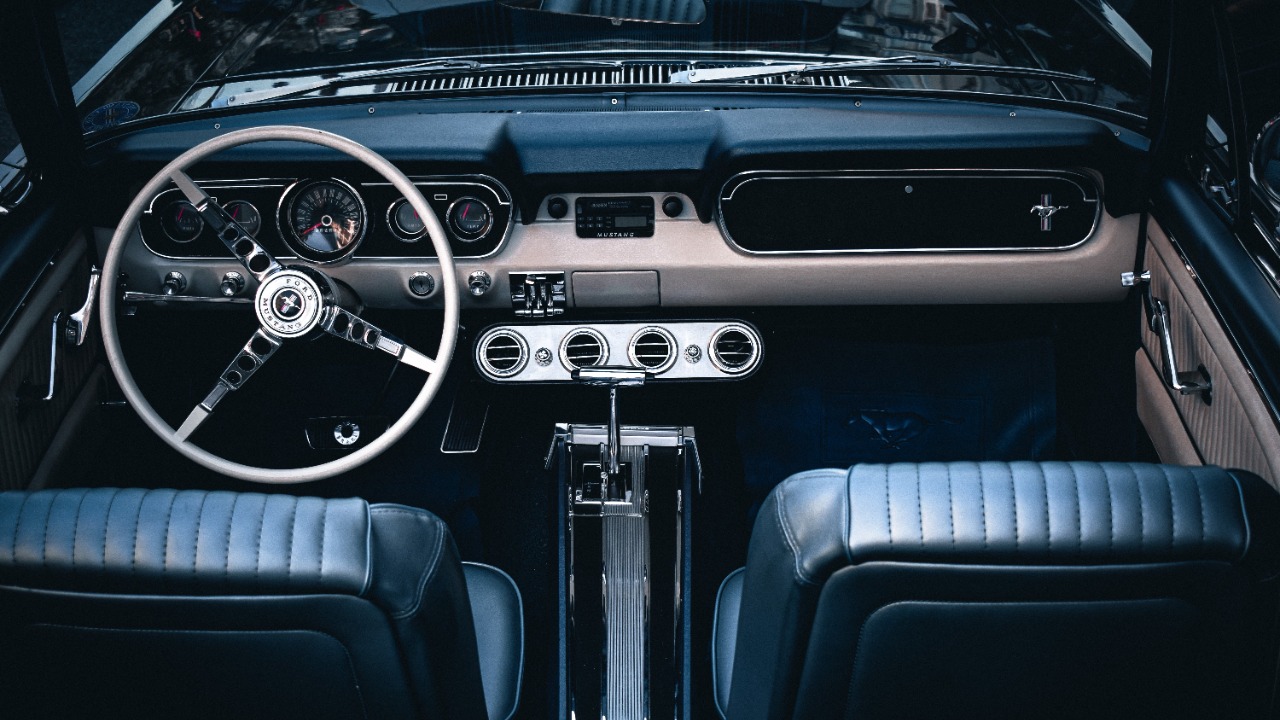
The allure of 1960s cars transcends mere nostalgia; it encompasses a blend of design, engineering, and cultural significance that continues to captivate enthusiasts today. The unique aesthetics and innovative features of these vehicles not only reflect a pivotal era in automotive history but also evoke memories and emotions that resonate across generations. In this exploration, I will delve into the elements that make certain models from this iconic decade feel special, from their striking designs to their lasting impact on car culture.
Timeless Design Aesthetics
One of the most striking aspects of 1960s cars is their iconic styling elements. The Ford Mustang, introduced in 1964, showcased a long hood and short rear deck, embodying a sporty yet elegant silhouette. This design not only appealed to the youthful spirit of the era but also set the standard for American muscle cars. The Chevrolet Corvette, with its curvaceous lines and aggressive stance, became a symbol of American performance and sophistication. These models stand out not just for their beauty but for the way they encapsulate the automotive design trends of the time.
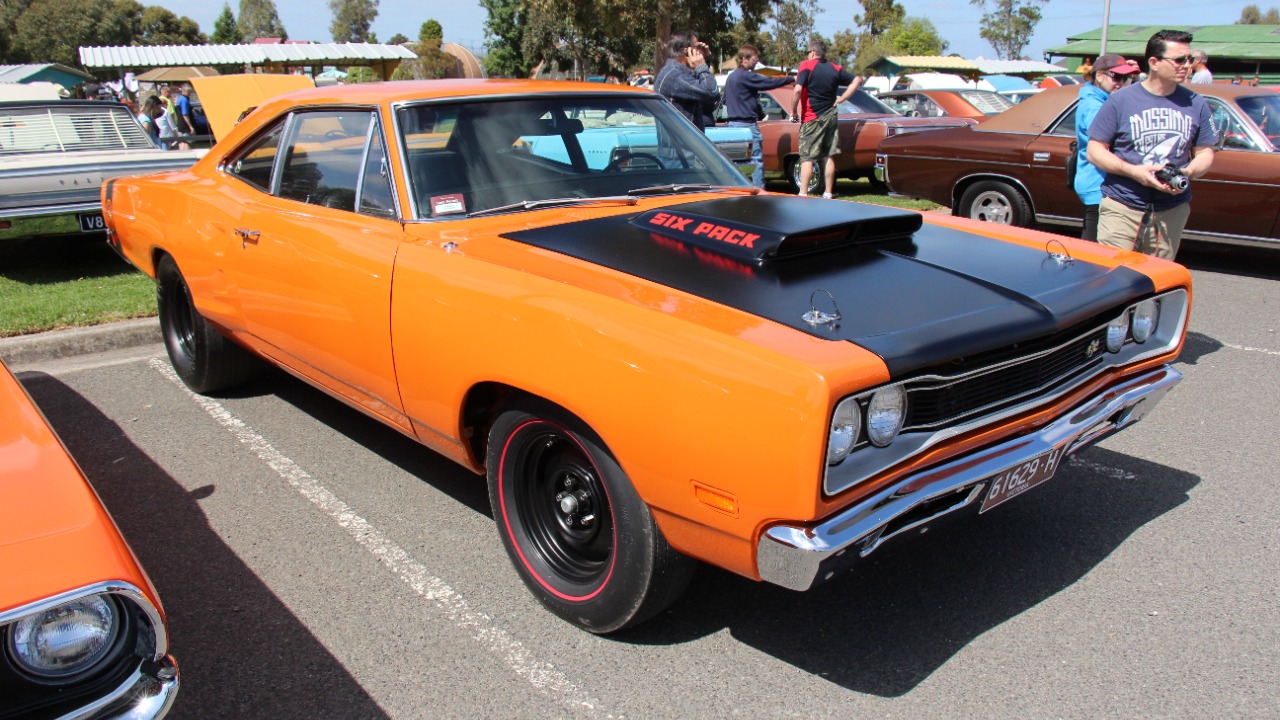
The influence of automotive art during the 1960s cannot be understated. This era saw the integration of design philosophies that echoed broader artistic movements, such as the sleek lines of mid-century modernism and the bold colors of pop art. Car designers were not just engineers; they were artists, crafting vehicles that evoked emotion and excitement. The vibrant colors and innovative shapes of cars like the Plymouth Barracuda and the Dodge Charger reflect a cultural shift towards individuality and expression, making these cars more than mere transportation—they were symbols of personal identity.
Personalization and customization were also prominent during this decade. Car enthusiasts often modified their vehicles, adding unique features that set them apart from the factory models. For instance, the trend of adding custom paint jobs, aftermarket wheels, and performance enhancements transformed ordinary cars into personalized statements. This culture of modification contributed to the unique character of 1960s cars, creating a sense of ownership that resonates with collectors and enthusiasts to this day.
Engineering Marvels of the Era
The 1960s were a time of significant performance advancements in the automotive industry. Cars from this decade featured powerful engines, such as the legendary 427 cubic inch V8 in the 1967 Corvette, which delivered exhilarating performance and acceleration. Innovations like the introduction of disc brakes and improved suspension systems enhanced handling and safety, making these vehicles not just fast but also enjoyable to drive. The emphasis on performance and engineering excellence helped solidify the reputation of 1960s cars as true classics.
The manufacturing techniques employed during this era also played a crucial role in the quality and durability of these vehicles. With a focus on craftsmanship and attention to detail, many 1960s cars were built to last, often outliving their owners and becoming cherished collectibles. The steel bodies and robust engineering of models such as the Ford Thunderbird ensured that they could withstand the test of time, both in terms of performance and aesthetic appeal.
When comparing 1960s cars to modern vehicles, one can’t help but notice the simplicity of their engineering. Today’s cars are laden with complex electronics and systems designed for fuel efficiency and safety, which can sometimes detract from the driving experience. In contrast, driving a 1960s car often feels raw and connected, offering a tactile experience that many enthusiasts cherish. The absence of power steering and anti-lock brakes can make driving these classics feel more engaging, creating a bond between the driver and the machine that is hard to replicate in today’s high-tech vehicles.
Cultural Significance and Social Impact
Cars from the 1960s were more than just vehicles; they were symbols of freedom and rebellion. The automotive landscape of this decade coincided with a cultural revolution that saw young people striving for independence and self-expression. The Mustang, for example, quickly became associated with the youth culture of the time, representing a break from traditional values and a desire for adventure. This sense of freedom was not just about transportation; it was about identity and lifestyle.
The role of 1960s cars in popular media further cemented their cultural significance. Iconic films like “Bullitt,” featuring Steve McQueen in a high-speed chase in a 1968 Ford Mustang, and “American Graffiti,” which celebrated the car culture of the era, showcased these vehicles as integral parts of the American experience. The music of the time also embraced this car culture, with songs like “Little Deuce Coupe” by The Beach Boys celebrating the joys of driving. These representations in media helped shape public perception and elevated the status of these cars to legendary status.
The 1960s also laid the groundwork for car culture as we know it today. The establishment of car clubs and events dedicated to vintage automobiles created a sense of community among enthusiasts. These gatherings, such as the annual Woodward Dream Cruise in Michigan, have become a celebration of automotive history, allowing fans to share their passion for classic cars and connect with others who appreciate the same models. The legacy of the 1960s continues to inspire new generations of car enthusiasts.
Emotional Connections and Memories
For many, owning a 1960s car is about more than just the vehicle itself; it’s about personal stories and cherished memories. I have spoken with numerous owners who recount their experiences with these classic cars, often sharing tales of weekend road trips, family outings, and the emotional connections formed with these vehicles over the years. The pride of ownership is palpable, with many owners treating their cars like family members, passing them down through generations as a way to keep those memories alive.
Nostalgia plays a significant role in the appeal of 1960s cars. The psychological aspects of nostalgia can evoke feelings of warmth and longing for simpler times, enhancing the allure of these vehicles. As we age, we often reflect on the past, and for many, 1960s cars serve as a tangible link to those memories. Whether it’s the smell of the interior, the sound of the engine, or even the feel of the steering wheel, every detail can trigger recollections of youth and freedom.
Moreover, 1960s cars often serve as a bridge between generations. Families who own these classic vehicles frequently share their love for them with younger relatives, fostering shared experiences and stories that can last a lifetime. Whether it’s a grandparent taking their grandchild for a ride in a restored Chevrolet Camaro or a parent teaching their child how to change the oil in a classic Ford Fairlane, these moments create lasting bonds and a shared appreciation for automotive history.
Collectibility and Investment Value
The rising interest in classic cars, particularly those from the 1960s, has created a thriving market for vintage vehicles. As more enthusiasts seek to own a piece of automotive history, the demand for well-preserved models has skyrocketed. Certain cars, like the 1969 Dodge Charger and the 1967 Shelby GT500, have become particularly desirable, fetching impressive prices at auctions and among collectors. The combination of iconic status, performance, and design makes these models highly sought after in today’s market.
Several factors influence the value of a 1960s car, including rarity, condition, and historical significance. For instance, a limited-production model like the 1967 Chevrolet Corvette L88 can command a premium due to its low production numbers and impressive performance credentials. Collectibility is not solely based on the car’s original features; modifications and restorations can also affect value. Enthusiasts often invest significant time and resources into preserving and restoring these vehicles, ensuring that they remain in excellent condition for future generations to enjoy.
Preservation and restoration trends are vital in maintaining the legacy of 1960s cars. Many enthusiasts dedicate themselves to the meticulous task of restoring these classics to their former glory, often utilizing original parts and techniques to ensure authenticity. Restoration projects can be labor-intensive and expensive, but for many, the reward is worth it. They are not just preserving a car; they are safeguarding a piece of history that embodies the spirit of an entire era.
Community and Enthusiast Culture
The vibrant community surrounding 1960s cars is a testament to their enduring appeal. Car clubs and events dedicated to these classic vehicles provide enthusiasts with opportunities to connect, share knowledge, and celebrate their passion. Events like the Pebble Beach Concours d’Elegance and the Muscle Car and Corvette Nationals attract thousands of attendees each year, showcasing the beauty and diversity of 1960s automobiles while fostering a sense of camaraderie among collectors.
Online resources and forums have revolutionized the way enthusiasts connect and share information. Websites like The Autopian provide platforms for discussions, advice, and support, allowing enthusiasts from around the world to engage with one another. Social media has also played a significant role in this community, with platforms like Instagram and Facebook enabling users to showcase their cars and share restoration projects, broadening the reach of car culture and connecting enthusiasts in ways previously unimaginable.
As social media continues to evolve, it has transformed the way enthusiasts promote the significance of 1960s cars. Influencers and content creators share their experiences, tips, and stories, bringing attention to the beauty and history of these vehicles. This digital landscape has not only enhanced the visibility of classic cars but has also inspired a new generation of enthusiasts to appreciate the artistry and engineering of 1960s automobiles.
More from Fast Lane Only
- Unboxing the WWII Jeep in a Crate
- 15 rare Chevys collectors are quietly buying
- 10 underrated V8s still worth hunting down
- Police notice this before you even roll window down
*Research for this article included AI assistance, with all final content reviewed by human editors.