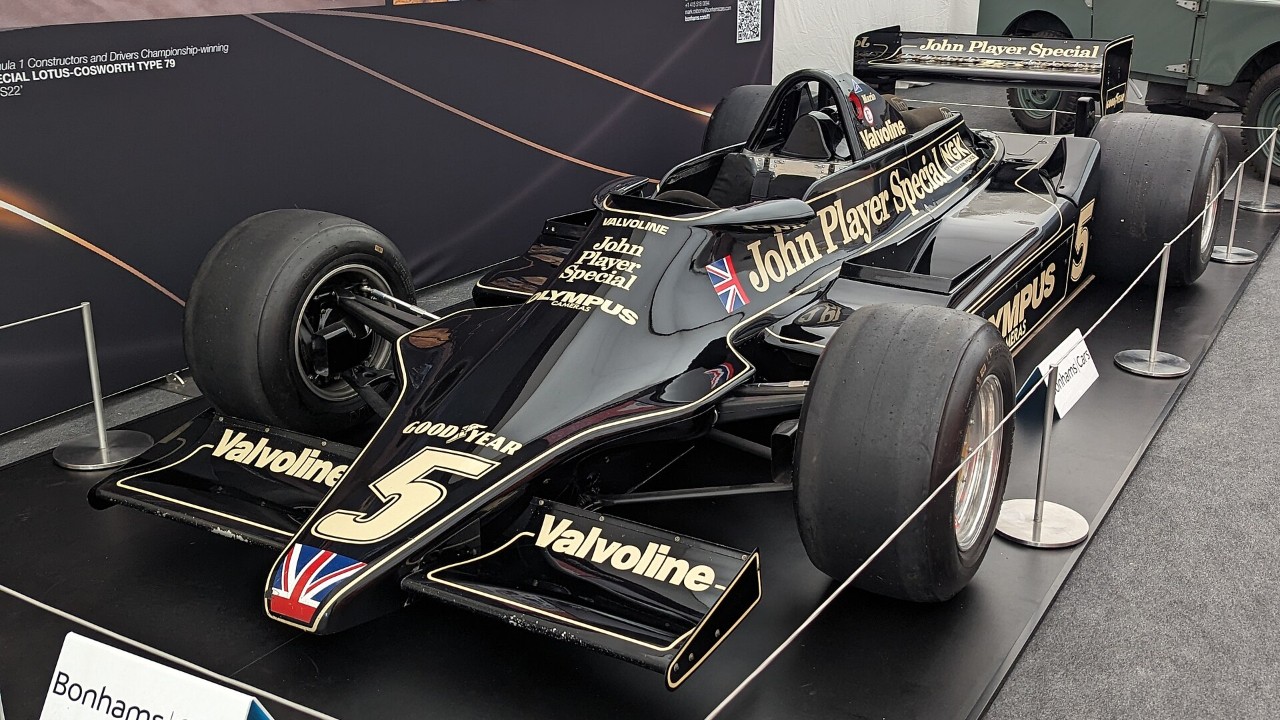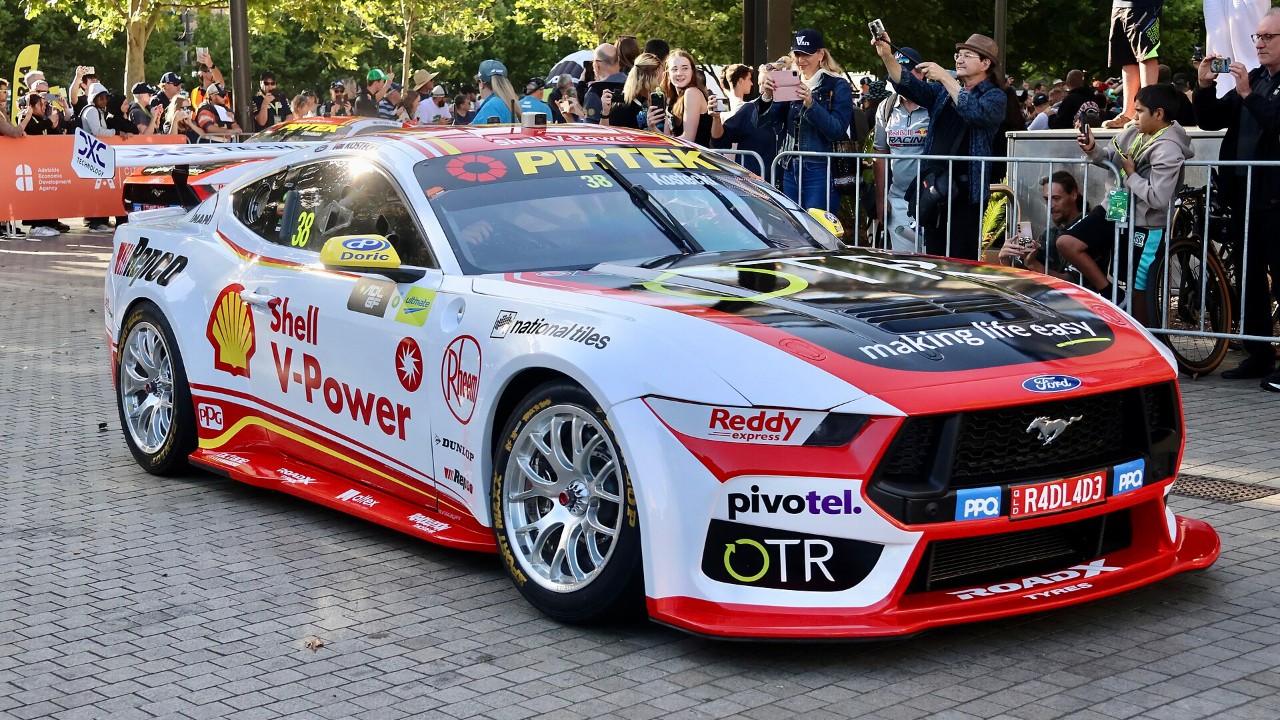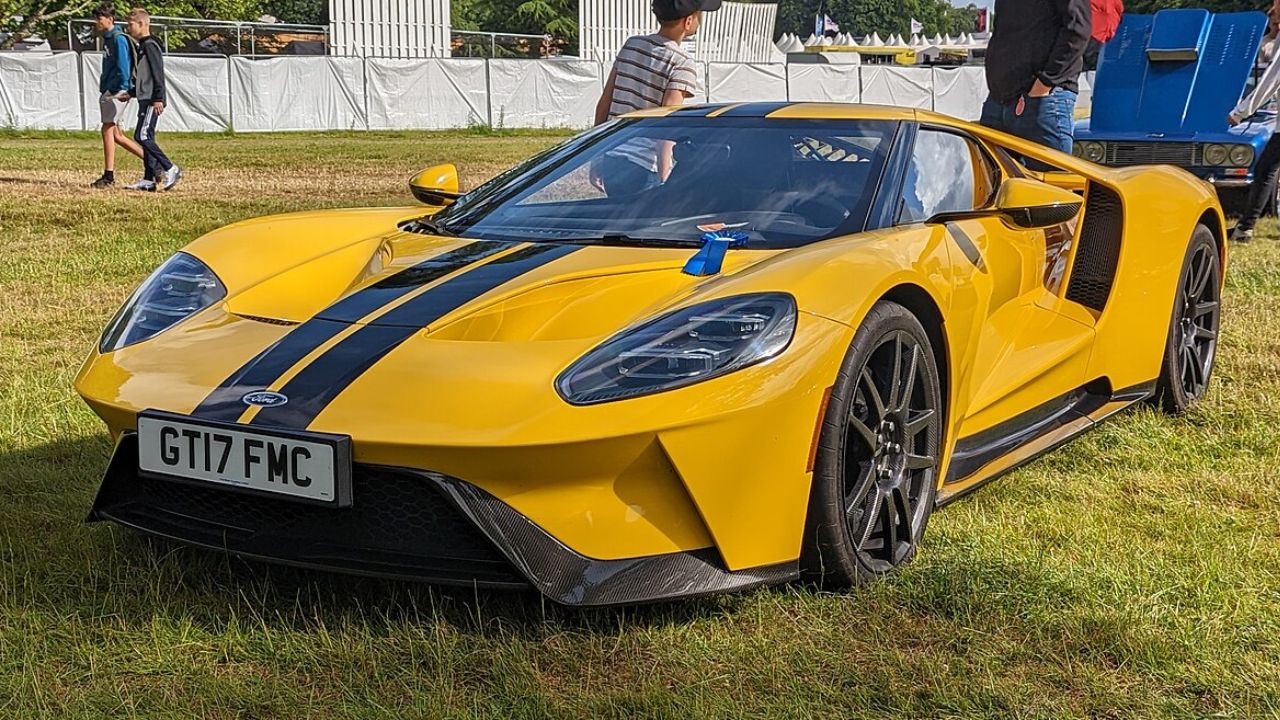
The 2017 Ford GT stands as a testament to Ford’s commitment to innovation and performance, marking a bold return to the supercar arena. With a heritage that dates back to the iconic GT40, the 2017 model not only pays homage to its legendary predecessors but also sets new standards for the future. This article delves into the journey, engineering marvels, and cultural significance of this remarkable vehicle.
The Legacy of the Ford GT
The Ford GT40, a name that resonates within the automotive world, was born in the 1960s as part of Ford’s ambitious attempt to conquer the Le Mans 24-hour race. With four consecutive wins from 1966 to 1969, the GT40 became a symbol of Ford’s engineering prowess and racing spirit. Its sleek design, powered by a V8 engine, and tenacity on the track helped establish a legacy that continues to influence automotive culture today. The original GT40 not only showcased remarkable performance but also represented a pivotal moment in racing history, where American innovation triumphed over European manufacturers.
This legendary status paved the way for the revival of the Ford GT in the modern era. In the early 2000s, Ford introduced the GT as a homage to the original, capturing the hearts of enthusiasts and collectors alike. However, it was the 2017 Ford GT that truly epitomized Ford’s dedication to merging heritage with cutting-edge technology. The decision to re-engineer and reintroduce the GT was not just about nostalgia; it was a strategic move to place Ford back in the supercar conversation, alongside brands like Ferrari and McLaren.
Development Journey of the 2017 Ford GT
The journey of the 2017 Ford GT began in earnest around 2011, when Ford executives recognized the potential for a modern supercar that could embody the brand’s racing heritage. Chief Engineer Raj Nair played a crucial role in the project, steering the design and engineering teams through a complex development process. The project faced numerous challenges, including budget constraints and ambitious performance goals that demanded innovative solutions.
Over the next several years, the team worked tirelessly to bring the GT to life. The car was unveiled at the 2015 North American International Auto Show, generating significant buzz and excitement. The development timeline was marked by rigorous testing and refinement, ensuring that every aspect of the vehicle met Ford’s high standards for performance and quality. The culmination of this extensive journey was a car that not only honored its predecessors but also set a new benchmark for supercars in terms of technology and design.
Design Philosophy and Aesthetics
The design of the 2017 Ford GT draws heavily from the iconic lines of the original GT40 while incorporating modern elements that enhance both aesthetics and functionality. The sleek, aerodynamic profile is characterized by sharp angles and a low stance, evoking the racing pedigree of its predecessor. The use of lightweight materials, including carbon fiber, allows the car to achieve remarkable speed while maintaining structural integrity.
A notable feature of the GT’s design is its active aerodynamics, which dynamically adjust to optimize downforce and drag based on driving conditions. This technology is crucial for achieving unparalleled performance on the track. Inside, the focus shifts to the driver experience, with a minimalist cockpit designed to integrate advanced technology seamlessly. The digital instrument cluster and infotainment system are tailored to provide essential information without distracting from the driving experience, ensuring that the driver remains engaged and connected.
Engineering Innovations
At the heart of the 2017 Ford GT is its groundbreaking engineering, which includes a lightweight carbon fiber construction that significantly enhances performance. This approach not only reduces weight but also improves rigidity, allowing for better handling and stability during high-speed maneuvers. Ford’s engineers were tasked with pushing the boundaries of what was possible, and they succeeded in creating a supercar that feels at home on both the street and the track.
The GT is powered by a 3.5-liter EcoBoost V6 engine, a departure from the traditional V8s typically found in supercars. This turbocharged engine delivers an impressive 647 horsepower and 550 lb-ft of torque, positioning the GT firmly within the supercar category. The performance is further enhanced by a dual-clutch transmission, which provides rapid gear shifts for an exhilarating driving experience. This innovative combination of power and efficiency has redefined expectations for performance vehicles, showcasing Ford’s commitment to engineering excellence.
Performance Metrics and Testing
The performance metrics of the 2017 Ford GT are nothing short of impressive. With a top speed exceeding 200 mph and the ability to accelerate from 0 to 60 mph in just 3 seconds, the GT competes with some of the most prestigious supercars in the world. The engineering team conducted rigorous testing processes, including extensive track trials and endurance tests, to ensure that the vehicle met the high standards set by Ford.
In comparison to its competitors, such as the Ferrari 488 GTB and the McLaren 720S, the Ford GT holds its own, offering a unique blend of American muscle and cutting-edge technology. The car’s performance on the track has garnered significant attention, illustrating that Ford has successfully reestablished itself in the supercar market. For more detailed insights into the performance metrics, automotive enthusiasts can refer to Car and Driver.
Racing Heritage and Competitions
The Ford GT’s return to the racing scene was marked by its participation in the 24 Hours of Le Mans, a race that holds a special place in Ford’s history. In 2016, the GT made a triumphant return to the legendary race, commemorating the 50th anniversary of Ford’s first victory at Le Mans with the original GT40. The success of the GT in both the GTE Pro class and the overall standings was a testament to the car’s engineering and performance capabilities.
Racing success played a pivotal role in shaping the car’s development and marketing strategy. The stories of drivers and teams involved in the racing program highlight the dedication and passion that went into both the GT’s design and its competitive spirit. The connection between the street version of the GT and its racing counterpart is a key element of its allure, further solidifying its status as a modern classic.
Cultural Impact and Media Reception
The Ford GT has made a significant cultural impact since its debut, with numerous appearances at auto shows and media events capturing the attention of automotive enthusiasts worldwide. The car’s striking design and impressive performance metrics have garnered positive reviews from automotive journalists and influencers alike. Critics have praised its blend of heritage, innovation, and performance, cementing its status as a must-have vehicle for collectors and enthusiasts.
In popular culture, the Ford GT has made memorable appearances in films and video games, further solidifying its status as an icon. Its inclusion in titles like “Forza Horizon” and “Need for Speed” has introduced a new generation of car enthusiasts to the legacy of the GT. The combination of its historical significance and modern appeal ensures that the GT continues to capture the imagination of automotive fans across the globe.
Market Position and Sales Strategy
The 2017 Ford GT was marketed with a clear focus on exclusivity, targeting a niche market of affluent collectors and performance enthusiasts. With a limited production run of just 1,350 units, Ford carefully curated a sales strategy that emphasized the car’s rarity and prestige. The pricing strategy reflected its supercar status, with a starting price of around $450,000, making it accessible to a select audience.
The exclusivity factor has generated considerable interest in the aftermarket and collector circles, with many buyers viewing the GT as a potential investment. The limited availability and high demand have led to increased values in resale markets, further enhancing its appeal as a collector’s item. Insights into the GT’s market positioning indicate that Ford has successfully reinvigorated its performance lineup while honoring its rich heritage.
Future of the Ford GT and Ford’s Performance Lineup
Looking ahead, the future of the Ford GT remains a topic of speculation among automotive enthusiasts. While the model’s production has concluded, its influence on Ford’s broader performance vehicle strategy is undeniable. The lessons learned from the GT’s development and engineering innovations are likely to inform future models, as Ford continues to explore new technologies and performance enhancements.
The role of electric and hybrid technologies is becoming increasingly important in the evolution of Ford’s supercars. As the automotive industry shifts toward more sustainable solutions, the legacy of the GT will likely inspire future iterations that blend performance with eco-friendliness. Ford’s commitment to innovation ensures that the spirit of the GT will live on, pushing the boundaries of what is possible in the world of performance vehicles.
More from Fast Lane Only