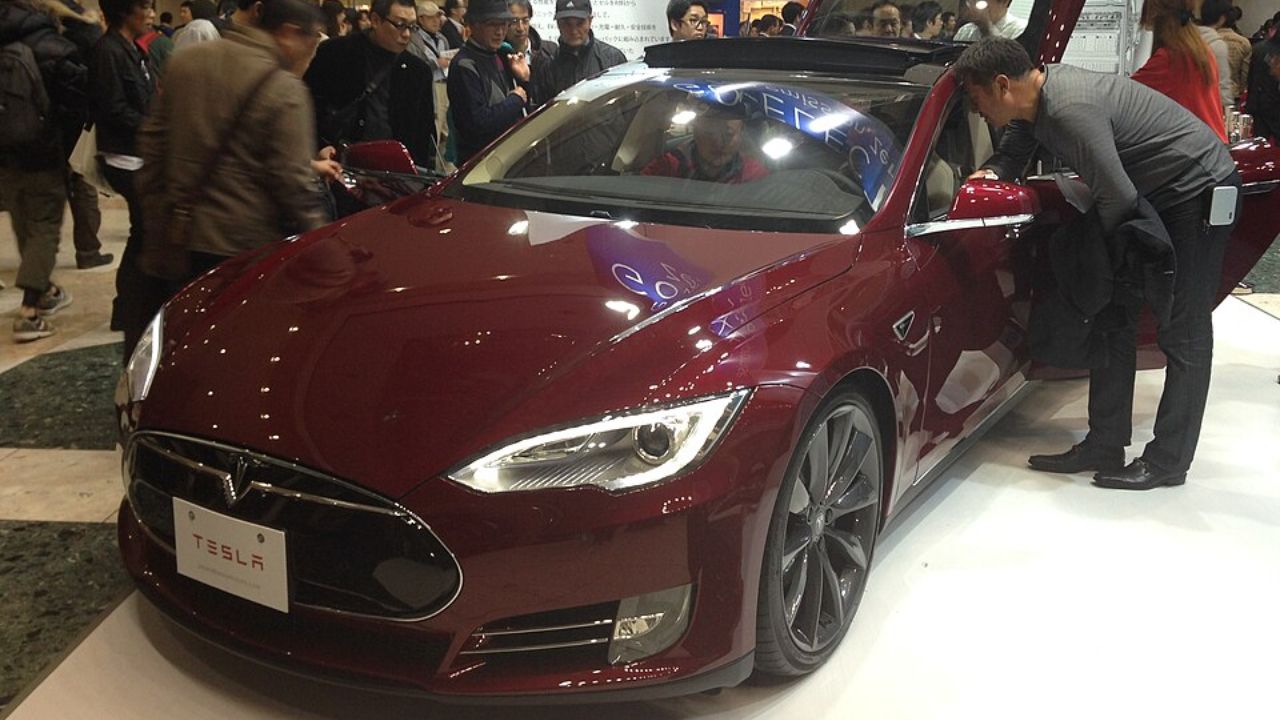
The 2013 Tesla Model S was not just a groundbreaking electric vehicle; it was a catalyst that forced the automotive industry to rethink its approach to electric mobility. With its innovative design, impressive performance, and advanced technology, the Model S set a new standard that competitors could no longer ignore.
The Game-Changing Design of the Model S
The Tesla Model S introduced a sleek, aerodynamic design that reshaped expectations for electric vehicles. Its low drag coefficient not only enhanced its efficiency but also provided an aesthetic appeal that attracted a wide range of consumers. Unlike traditional sedans, the Model S featured a minimalist approach, with a smooth exterior that reduced air resistance and maximized battery range. This carefully engineered design was pivotal in demonstrating that electric cars could be both visually appealing and highly functional.
Inside, the Model S continued to impress with a spacious interior and cutting-edge technology. The centerpiece of the cabin was a large touchscreen interface that replaced most of the conventional buttons and knobs found in traditional vehicles. This intuitive system provided drivers with access to navigation, media, and vehicle settings at their fingertips, setting a new benchmark for in-car technology. The cabin’s design prioritized comfort and luxury, showcasing that electric vehicles could compete with high-end gasoline counterparts in both look and feel.
Performance Metrics that Redefined Expectations
The Model S redefined performance metrics for electric vehicles by delivering acceleration and speed capabilities that rivaled even the most powerful gas-powered cars. With a 0 to 60 mph time of as little as 2.4 seconds in the Performance version, it shattered preconceived notions about electric vehicle limitations. This level of performance not only impressed automotive critics but also attracted high-performance car enthusiasts who might have otherwise dismissed electric cars.
Another significant achievement of the Model S was its impressive range on a single charge. With some variants offering over 370 miles per charge, the Model S alleviated concerns about “range anxiety,” which had historically hindered electric vehicle adoption. This range made it viable for long-distance travel, allowing drivers to confidently embark on road trips without the fear of running out of battery power. The Model S proved that electric vehicles could not only match but surpass the convenience of traditional vehicles.
The Role of Advanced Technology
One of the most revolutionary aspects of the Model S was its integration of advanced technology, particularly through its software capabilities. Tesla introduced over-the-air (OTA) updates, allowing the vehicle to receive software enhancements and new features long after the initial purchase. This capability kept the Model S current and continuously improved, providing a level of value that traditional automakers struggled to match. Owners could benefit from security updates, performance improvements, and even new features without having to visit a dealership.
Moreover, the Model S’s advanced safety features set new standards in the industry. Equipped with a robust suite of sensors and cameras, it offered functionalities like adaptive cruise control, lane-keeping assist, and autopilot capabilities. These features not only enhanced the driving experience but also significantly improved safety metrics. According to various reports, the Model S was recognized for its high safety ratings, further solidifying Tesla’s reputation as a leader in automotive safety technology.
Market Impact and Sales Performance
The initial sales surge of the Model S had a profound impact on Tesla’s market positioning. Upon its launch, the vehicle garnered significant attention, leading to long waiting lists and impressive sales numbers. Within the first year, Tesla reported thousands of deliveries, effectively establishing the Model S as a leading choice in the luxury sedan market. This success demonstrated that there was a viable market for high-end electric vehicles, encouraging other manufacturers to reconsider their strategies.
The Model S also created a new segment for luxury electric vehicles, prompting competitors to enter the electric arena. Legacy automakers, once skeptical about the future of electric mobility, began to invest heavily in EV technology, spurred on by the Model S’s success. As a result, brands such as Audi, BMW, and Mercedes-Benz started to unveil their own electric models, aiming to capture a share of the growing market. The Model S not only changed the landscape for Tesla but also reshaped the automotive industry as a whole.
Industry Response: Legacy Automakers React
In the wake of the Model S’s success, legacy automakers began to launch electrification initiatives. Companies that had previously focused on internal combustion engines shifted their attention, developing electric vehicle programs to compete with Tesla. For instance, Ford announced its commitment to investing billions in electric vehicle development, including the highly anticipated Ford Mustang Mach-E. Similarly, General Motors pledged to transition to an all-electric future, showcasing their electric offerings at major auto shows.
These investments were not limited to the vehicles themselves; automakers also recognized the necessity of developing charging infrastructure to support electric vehicle adoption. Collaborations with charging network providers became common, ensuring that consumers would have access to charging stations, thus addressing one of the primary barriers to EV ownership. This concerted effort to enhance EV technology and infrastructure can be traced back to the competitive pressure exerted by the Model S.
Shifts in Consumer Perception
The Tesla Model S played a crucial role in shifting consumer perceptions of electric vehicles from being seen as niche products to desirable luxury items. The combination of its performance, design, and technology made it a status symbol among affluent consumers and tech enthusiasts. As more people began to associate electric vehicles with high performance and luxury, the stigma surrounding them diminished. The Model S proved that electric cars could be not only environmentally friendly but also aspirational.
This shift was evident in the demographics of Model S buyers, who were often tech-savvy and environmentally conscious individuals. They were drawn to the idea of driving a vehicle that represented innovation and sustainability. The success of the Model S also influenced the marketing strategies of other automakers, prompting them to highlight the luxury and performance aspects of their own electric models to attract similar consumers.
The Lasting Legacy of the 2013 Model S
The long-term effects of the 2013 Model S on the automotive industry are profound. It set new standards for range, performance, and technology that future electric vehicles must strive to meet. The Model S’s influence is evident in subsequent EV models from various manufacturers, many of which have adopted similar features and designs in an effort to compete. Tesla’s pioneering efforts in the electric vehicle sector have encouraged a broader commitment to sustainability across the industry.
Beyond its technical achievements, the Model S also catalyzed a cultural shift toward sustainable transportation solutions. As governments around the world began to recognize the importance of reducing carbon emissions, they implemented policies and incentives to encourage electric vehicle adoption. The Model S’s success was instrumental in shaping legislative frameworks aimed at supporting the transition to electric mobility. This legacy continues to inspire both consumers and manufacturers alike, as the automotive industry moves toward a more sustainable future.
More from Fast Lane Only