When the Hyundai Ioniq 5 arrived for the 2022 model year, it did more than add another electric crossover to dealer lots. It reframed what a mainstream EV could look and feel like, pairing concept-car styling with family-car practicality in a way that made battery power aspirational instead of dutiful. In a segment often defined by compromise, the Ioniq 5 showed that an electric daily driver could be fast to charge, comfortable to live with, and genuinely desirable.
That shift did not happen by accident. Hyundai treated the Ioniq 5 as a halo product for its electric ambitions, loading it with advanced charging hardware, a generous ownership package, and a cabin that feels more like a lounge than a lab experiment. The result is a vehicle that helped move EVs from niche curiosity to credible default choice for buyers who might previously have stuck with gasoline.
Retro-futurist design that actually made people look twice
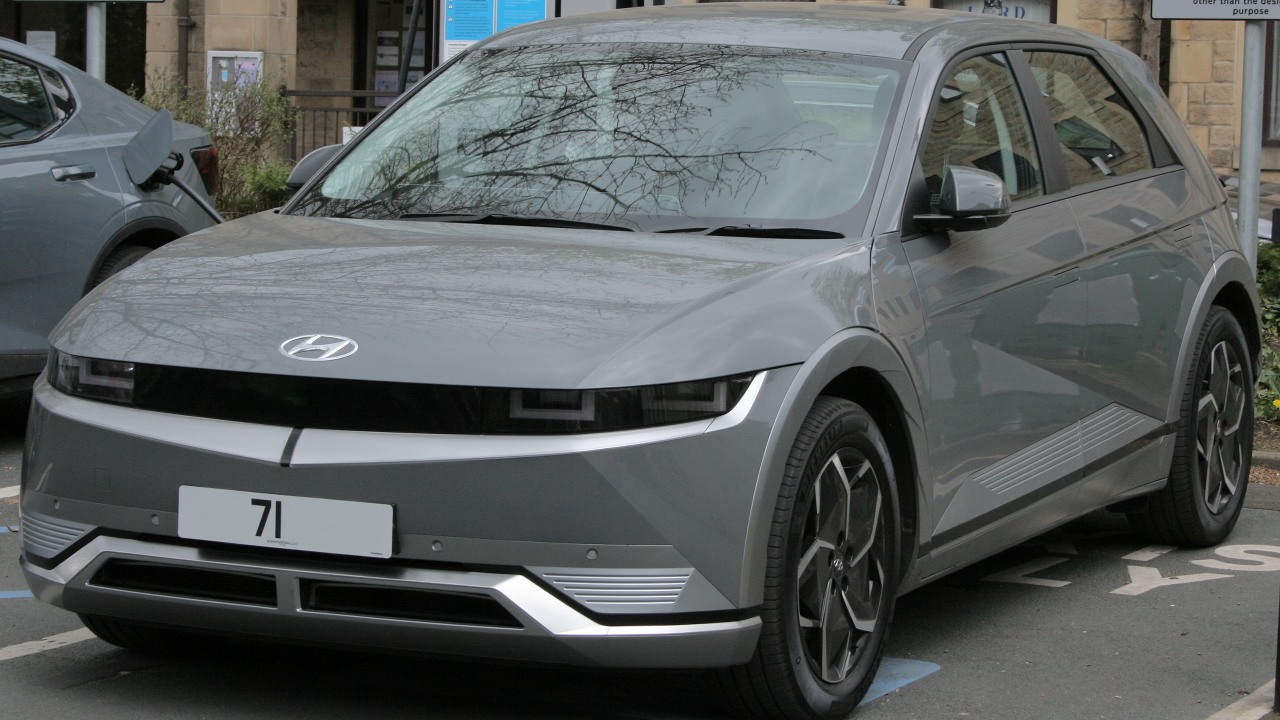
The first way the 2022 Ioniq 5 made EVs desirable was visual. Instead of another anonymous blob, Hyundai leaned into sharp lines, pixel-style lighting and a hatchback silhouette that reads like a modern reinterpretation of an eighties compact. Reviewers have described the exterior as looking like a concept car translated almost directly into production, with the squared-off profile and distinctive light signatures giving it instant curb appeal that many electric crossovers lack. That sense of theater matters, because it turns an efficiency play into something owners are proud to park in front of their homes.
Inside, the design continues that retro-modern theme but with a focus on comfort and space. The long wheelbase and flat floor create a cabin that feels more like a small living room than a traditional cockpit, with sliding center consoles and reclining rear seats that underline the car’s role as a family hauler rather than a science project. Test drives have highlighted how the Ioniq 5’s quirky details, from its pixel motifs to its minimalist dashboard, feel intentional rather than gimmicky, which helps the car stand out in a crowded field of crossovers while still being easy to use day to day. That blend of familiarity and distinctiveness is a big part of why the styling has been widely praised as both stylish and very quirky in the best sense.
Charging speed and ownership perks that eased EV anxiety
Design might get shoppers into the showroom, but charging is what convinces them to sign. The 2022 Ioniq 5 arrived with an 800-volt electrical architecture, a specification usually reserved for far more expensive performance EVs. That 800-volt system enables very fast DC charging, shrinking the time it takes to add meaningful range and directly addressing one of the biggest barriers to EV adoption. Dealer-focused breakdowns of the car’s strengths have put “Charging is Really, Really, Really Fast” at the top of the reasons to buy, underscoring how central this capability is to the Ioniq 5’s appeal.
Hyundai did not stop at hardware. It paired the car’s charging speed with a generous public charging package, offering two years of unlimited 30-minute sessions on the Electrify America network. Other reporting on pricing and equipment has echoed that all Ioniq 5 customers were given two years of free unlimited 30-minute charging sessions at Electrify America stations, effectively turning long-distance travel into a low-cost experiment for new EV owners. By combining the 800-volt tech with this kind of real-world support, Hyundai made the transition to electric feel less like a risk and more like an upgrade.
Everyday usability that felt friendlier than early EVs
Underneath the styling and charging specs, the Ioniq 5 works because it behaves like a normal, well-sorted crossover. Road tests have noted that despite its roughly 4,600-pound curb weight, the car feels composed and confidence inspiring in daily driving, with smooth acceleration and a comfortable ride that make it easy to forget it is an EV at all. One detailed review framed it as a quirky crossover that is actually worth owning, precisely because it balances character with competence rather than asking buyers to tolerate oddities in the name of efficiency.
Practical touches reinforce that impression. Dealer guides have emphasized that the Ioniq 5 is friendlier than some rivals when it comes to visibility and maneuverability, pointing out that the seating position and glass area help drivers feel in control instead of perched in a tech pod. The car’s layout, from its intuitive controls to its generous cargo space, reflects the priorities of people who need to haul kids, groceries and luggage, not just chase range figures. That usability, combined with the fast charging and ownership perks, makes the Ioniq 5 feel like a straightforward replacement for a gasoline crossover rather than a lifestyle sacrifice.
Award-winning validation that signaled EV maturity
Consumer perception often follows trophies, and the Ioniq 5 collected some of the most significant hardware in the industry. Hyundai highlights that the new IONIQ 5 was triple-crowned in the 2022 World Car Awards, taking titles including Winner of the World Car Awards as the Best Car and World Car of the Year. That kind of recognition, from a global panel, sends a clear signal that this is not just a good EV, it is a benchmark car full stop.
Those accolades also helped reposition Hyundai itself. Analyses of the model’s market impact have described how the Ioniq 5, launched in 2022, arrived as a breath of fresh air in a segment that had been dominated by half-baked offerings from legacy manufacturers, some with solid performance but questionable build quality. By delivering a product that could win World Car-level honors while also competing on price and practicality, Hyundai showed that a mainstream brand could lead the EV conversation rather than chase it. That validation made it easier for hesitant buyers to see an electric crossover as a smart, future-proof choice instead of an experiment.
Pricing, value and the shift from niche to default
Desirability is always tied to value, and the Ioniq 5’s pricing strategy was central to its influence. Reporting on the launch noted that Hyundai’s electric crossover started at $40,925 and could exceed $55,000 in higher trims, positioning it squarely against popular gasoline and hybrid crossovers rather than ultra-luxury EVs. Crucially, that price included advanced features like the 800-volt charging tech and the two years of free 30-minute charging sessions at Electrify America stations, which made the total package feel generous compared with rivals. For many shoppers, that combination of cutting-edge hardware and accessible pricing reframed EVs as attainable rather than aspirational.
Over time, that positioning has helped the Ioniq 5 become a reference point in discussions about affordable, stylish electric crossovers. Later analyses have described how the model, launched in 2022, was a good buy because it blended distinctive design with solid performance and build quality, avoiding the compromises that had plagued some early competitors. By offering a car that looked like a concept, charged like a premium EV, and was priced like a well-equipped family crossover, Hyundai made the electric option not just acceptable but genuinely attractive. In doing so, the 2022 Ioniq 5 helped shift EVs from the margins of the market toward the center of mainstream desire.
More from Fast Lane Only: