Few cars represent an entire era as clearly as the Chevrolet Bel Air. During the 1950s, it became a symbol of optimism, prosperity, and changing American lifestyles. With its dramatic styling, modern features, and widespread popularity, the Bel Air captured the spirit of postwar America and became one of the most recognizable vehicles of its generation.
A Car Designed for a New American Era
After World War II, America entered a period of rapid growth and transformation. Families were moving to suburbs, highways were expanding, and automobiles became an important part of everyday life. Chevrolet recognized that buyers wanted vehicles that reflected their new sense of opportunity and progress.
The Bel Air, introduced as a premium model in 1953 before becoming part of Chevrolet’s full-size lineup in 1955, was designed to meet those changing expectations. It offered a combination of style, comfort, and affordability that appealed to a wide range of customers.
Unlike basic transportation vehicles, the Bel Air represented something more emotional. Its bright chrome details, elegant body lines, and spacious interior made ownership feel like an achievement.
Chevrolet successfully created a car that matched the confidence and optimism of 1950s America.
Styling Made It a Cultural Symbol
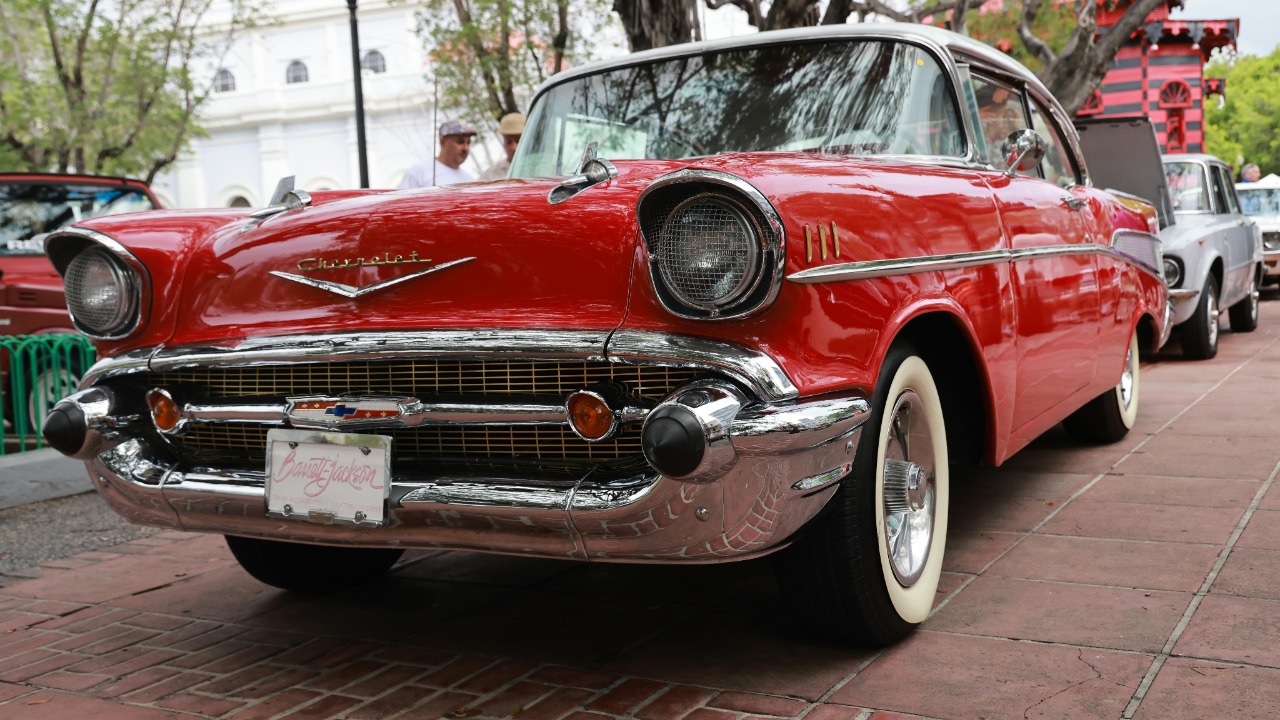
The 1955–1957 Bel Air models became especially famous because of their unforgettable designs. The introduction of the Chevrolet small-block V8, wraparound windshield, tailfins, and distinctive chrome styling helped make these cars stand out on American roads.
The 1957 model, in particular, became one of the most recognizable classics in automotive history. Its wide grille, sculpted body, and dramatic rear design reflected the fascination with futuristic styling during the decade.
The Bel Air was not only transportation—it was a statement of personality and success. Owners wanted cars that looked exciting and represented the modern lifestyle they were building.
Its appearance helped define the visual identity of the 1950s, an era remembered for bold designs and confidence in the future.
Performance Added to Its Popularity
Although the Bel Air was primarily known as a stylish family car, Chevrolet also gave it impressive performance capability. The introduction of the small-block V8 transformed the model by providing stronger acceleration and improved driving excitement.
The engine’s compact design and performance potential helped Chevrolet establish a reputation for innovation. Buyers could enjoy a comfortable full-size automobile while also having access to technology that would influence future performance cars.
The Bel Air became popular with younger drivers who appreciated its style and power, while families valued its practicality and reliability.
This combination of performance and everyday usability helped expand the car’s appeal beyond traditional family buyers.
A Legacy That Represents an Entire Generation
The Chevrolet Bel Air became more than a successful automobile—it became a symbol of American culture during the 1950s. It represented suburban growth, personal freedom, and the excitement surrounding new technology and modern living.
Today, classic Bel Air models remain highly admired by collectors and enthusiasts. Their timeless styling and historical importance make them some of the most recognizable American cars ever produced.
The Bel Air continues appearing at classic car shows and cultural events because it represents a unique moment when automobiles became expressions of identity and lifestyle.
Chevrolet’s success came from understanding what people wanted during a changing era. The Bel Air became the face of 1950s America because it captured the dreams, style, and optimism of a generation discovering a new way of life.
More from Fast Lane Only
- Unboxing the WWII Jeep in a Crate
- 15 rare Chevys collectors are quietly buying
- 10 underrated V8s still worth hunting down
- Police notice this before you even roll window down
*Research for this article included AI assistance, with all final content reviewed by human editors