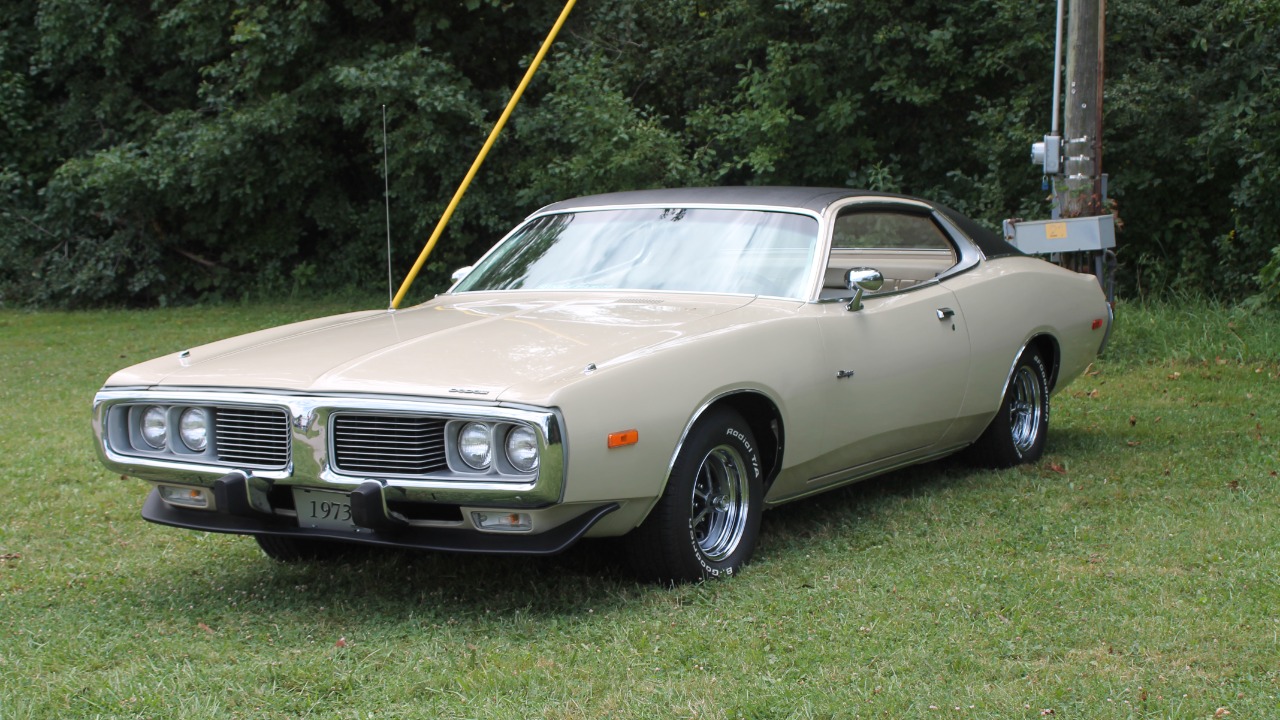
The Dodge Charger became more than just a powerful American performance car—it became a cultural icon. Through aggressive styling, impressive performance, and unforgettable appearances in movies and television, the Charger developed a reputation that extended far beyond the road. Its combination of attitude and capability made it one of Hollywood’s most recognizable muscle cars.
A Bold Design Created Instant Attention
When Dodge introduced the Charger in 1966, the company wanted to create a vehicle that stood apart from traditional muscle cars. Based on the Coronet platform, the Charger featured a fastback roofline, hidden headlights, and a unique interior design that gave it a more dramatic appearance.
The second-generation Charger, introduced in 1968, transformed the model into a true icon. Its Coke-bottle body shape, wide stance, and aggressive front grille perfectly captured the style of the late 1960s muscle car era.
Dodge understood that performance cars needed emotional appeal as well as horsepower. The Charger’s design made it look fast even when standing still, helping it attract buyers who wanted something more exciting than an ordinary coupe.
This distinctive appearance became one of the main reasons the Charger gained such a strong presence in popular culture.
Performance Built Its Muscle Car Reputation
The Charger earned respect because it offered some of the most powerful engine options of the era. Buyers could choose from legendary Mopar engines, including the 426 Hemi and 440 Magnum V8, which gave the car serious performance credentials.
These engines helped establish the Charger as a competitor on the street and at the drag strip. Its rear-wheel-drive layout, strong chassis, and available high-performance packages made it a favorite among enthusiasts looking for speed.
The Charger also benefited from Dodge’s involvement in motorsports. Racing success helped strengthen the car’s reputation and demonstrated the capability of Chrysler’s performance engineering.
While many muscle cars offered impressive power, the Charger’s combination of style and performance gave it a unique identity.
Hollywood Turned It Into a Legend
The Dodge Charger reached a new level of fame when it appeared in films and television shows. One of its most famous roles came in the 1968 film Bullitt, where a black Charger R/T became part of one of the most memorable car chase scenes in movie history.
The Charger became even more iconic through its role as the orange 1969 Charger known as the “General Lee” in The Dukes of Hazzard. The show’s popularity introduced the car to millions of viewers and made its image instantly recognizable around the world.
These appearances transformed the Charger from a performance vehicle into a symbol of excitement, rebellion, and American car culture.
Hollywood helped preserve the Charger’s legacy long after its original production years.
A Legacy That Still Captivates Enthusiasts
The Dodge Charger remains one of the most celebrated muscle cars because it represents a perfect combination of design, performance, and cultural influence. Classic models continue attracting collectors, while modern Chargers have carried the name into a new era of high-performance vehicles.
The car’s success was built on more than powerful engines. Its dramatic styling and unforgettable appearances created an emotional connection with generations of enthusiasts.
Few vehicles have achieved the same level of recognition across both automotive and entertainment worlds. The Charger became a machine that people remembered not only for what it could do but also for how it made them feel.
The Dodge Charger became Hollywood’s favorite muscle car because it had everything filmmakers and enthusiasts wanted: a bold appearance, legendary performance, and a personality impossible to ignore.
More from Fast Lane Only
- Unboxing the WWII Jeep in a Crate
- 15 rare Chevys collectors are quietly buying
- 10 underrated V8s still worth hunting down
- Police notice this before you even roll window down
*Research for this article included AI assistance, with all final content reviewed by human editors