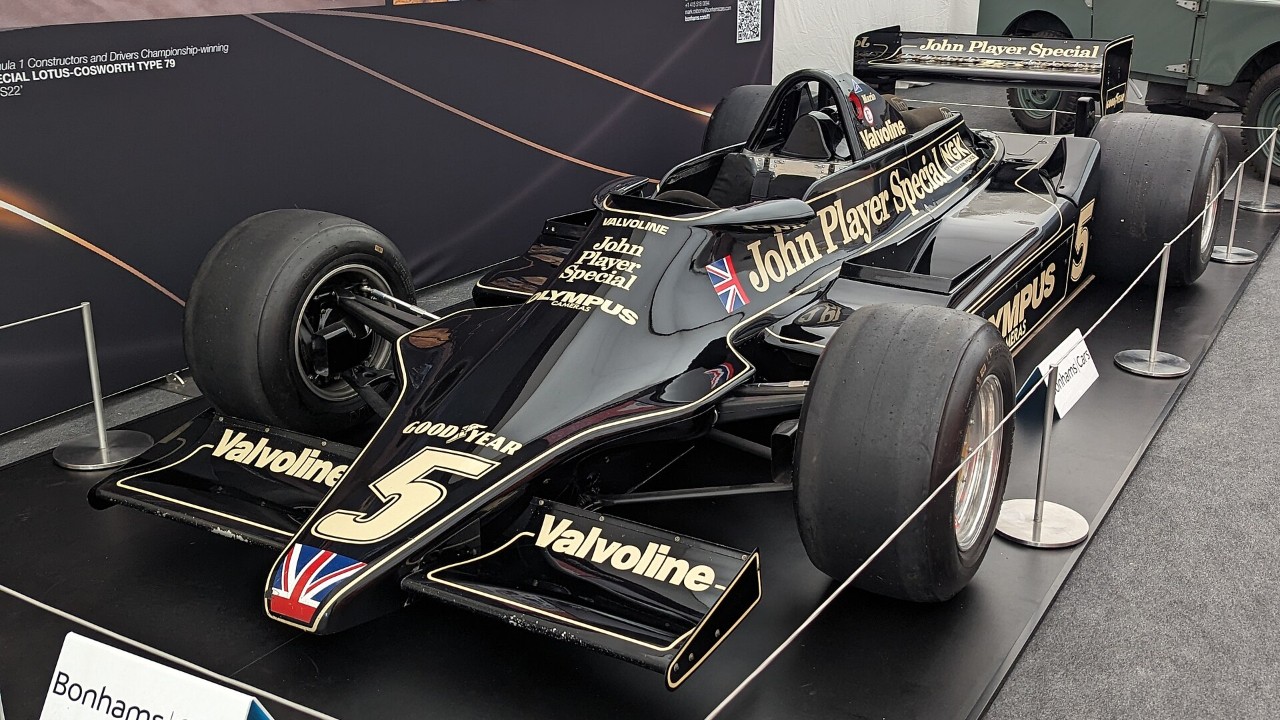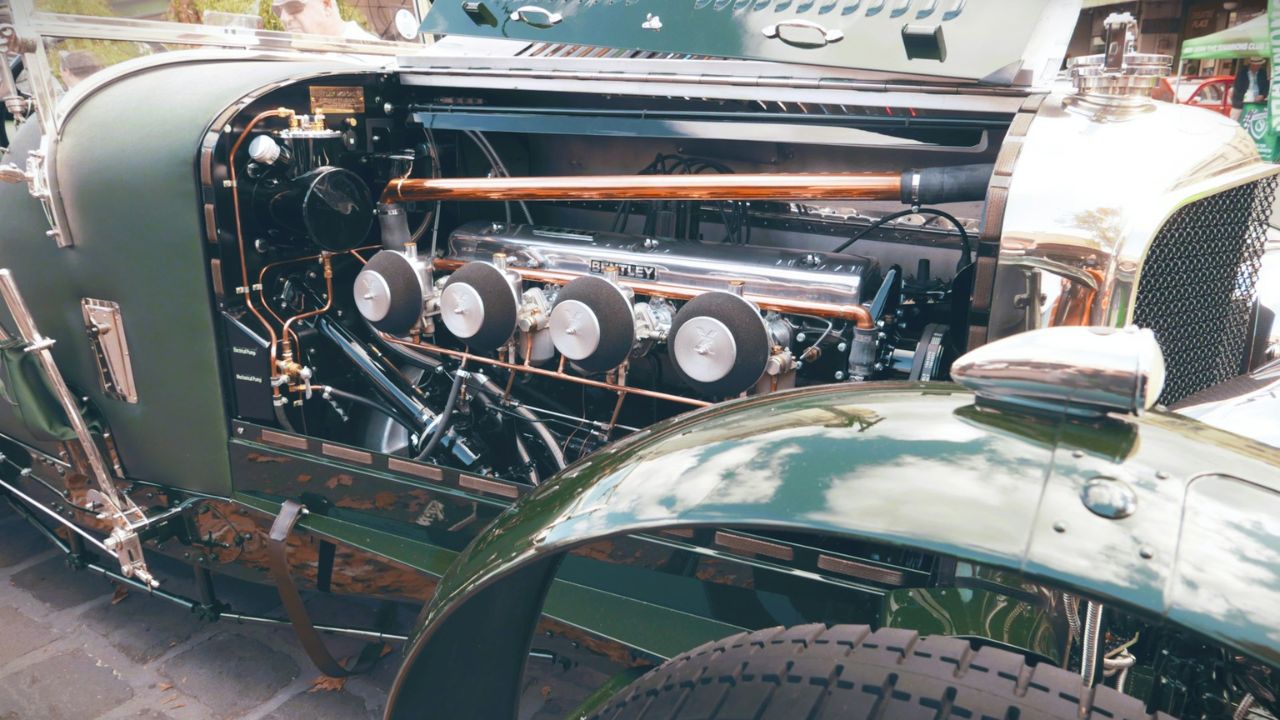
Vintage engines, with their intricate designs and historical significance, are treasures for collectors and enthusiasts. However, modern fuels, with their different compositions and additives, pose a threat to these engines. For anyone invested in the preservation of classic vehicles, understanding the impact of current fuel formulations on older engines is crucial.
Understanding Modern Fuels
Ethanol Content
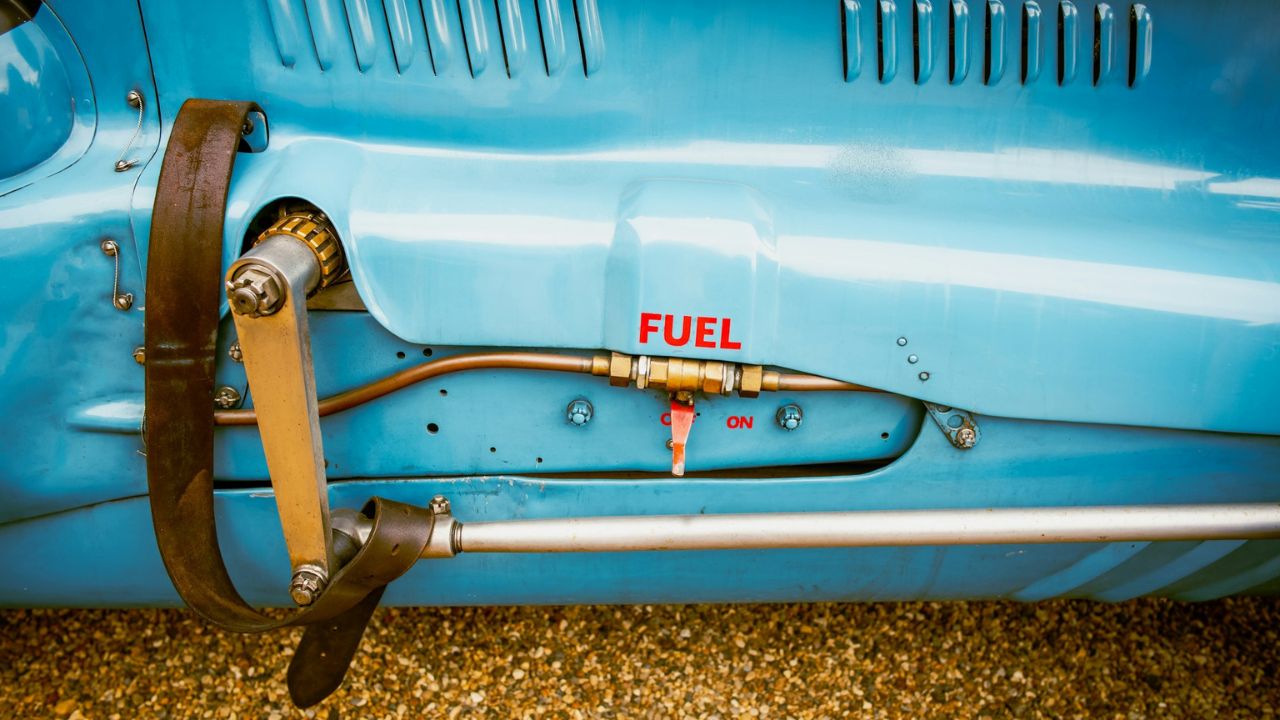
Modern fuels often contain ethanol, typically in concentrations of 10% (E10) or even 15% (E15), as a result of efforts to reduce carbon emissions and reliance on fossil fuels. While ethanol serves beneficial purposes for newer engines, it can wreak havoc on vintage engines. Consider a classic 1965 Ford Mustang; the ethanol in today’s gasoline can degrade rubber components such as hoses and seals, leading to leaks and potential engine damage. Ethanol’s ability to absorb water further exacerbates these issues, as it can lead to corrosion of metal components, which were not designed to handle such moisture. This corrosion can affect key parts like carburetors, leading to poor performance or failure.
Additives and Detergents
Modern fuels also incorporate various additives and detergents intended to enhance engine performance and reduce emissions. However, these additives can interact negatively with older engine technologies. For example, a 1972 Chevrolet Chevelle may experience issues with fuel deposits forming in the carburetor and fuel lines, as the detergents in modern fuels are formulated for fuel-injected systems rather than carbureted engines. These deposits can affect the flow of fuel, leading to inefficient combustion and reduced engine performance. It’s essential for owners of vintage vehicles to understand how these additives might affect their engines and consider alternative fueling options when possible.
Identifying Vulnerable Components
Fuel System Components
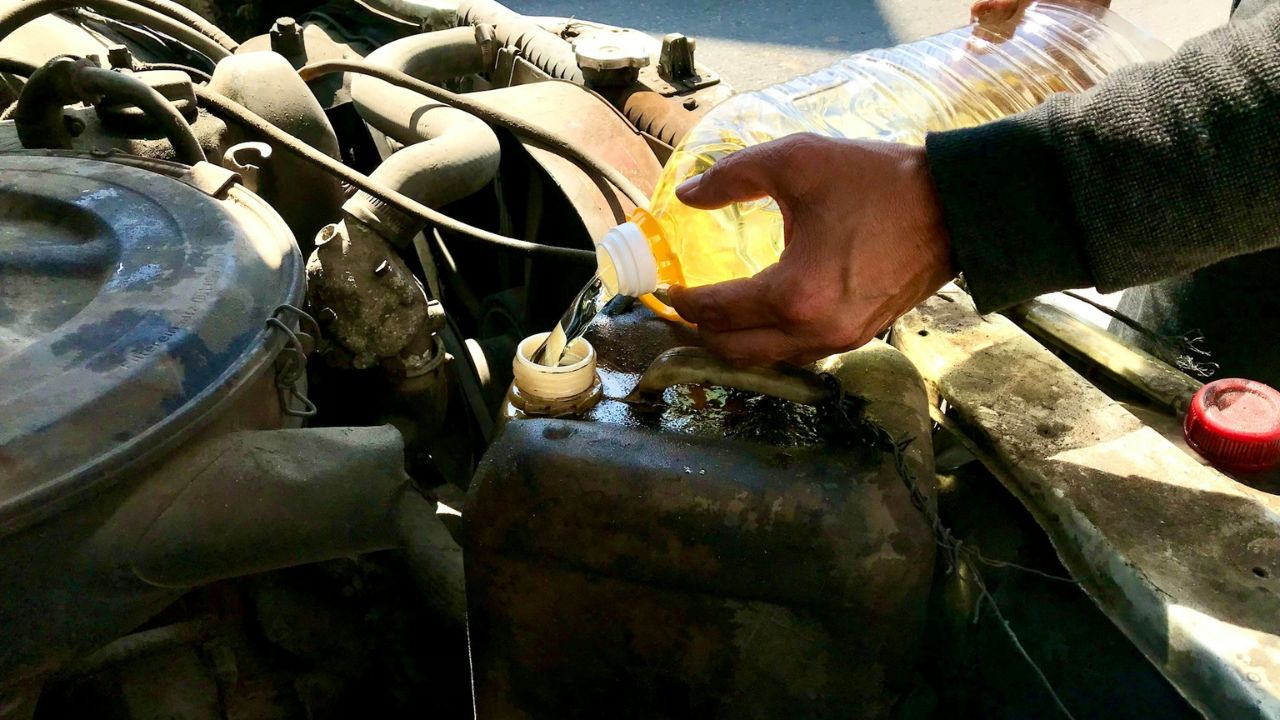
The fuel system of vintage engines, such as those found in a 1957 Chevrolet Bel Air, often includes carburetors, fuel lines, and seals made from materials that are not compatible with ethanol-blended fuels. These components are prone to damage when exposed to modern fuel formulations, with rubber parts becoming brittle and metal components corroding over time. Regular inspection and replacement of these vulnerable components are crucial to maintaining engine health. For instance, replacing rubber fuel lines with ethanol-resistant materials can significantly reduce the risk of leaks and subsequent engine damage.
Engine Materials and Design
Vintage engines often comprise materials such as cast iron and older alloys that were suitable for the leaded fuels of their time. Take, for instance, a 1932 Ford Model B. The cast iron used in its engine can suffer from ethanol-induced corrosion. Additionally, the design of older engines, often without the precision of modern engines, can make them more susceptible to the negative effects of ethanol and other additives. Understanding the specific vulnerabilities of your vintage engine can inform better maintenance and protection strategies.
Protective Measures and Solutions
Using Fuel Additives
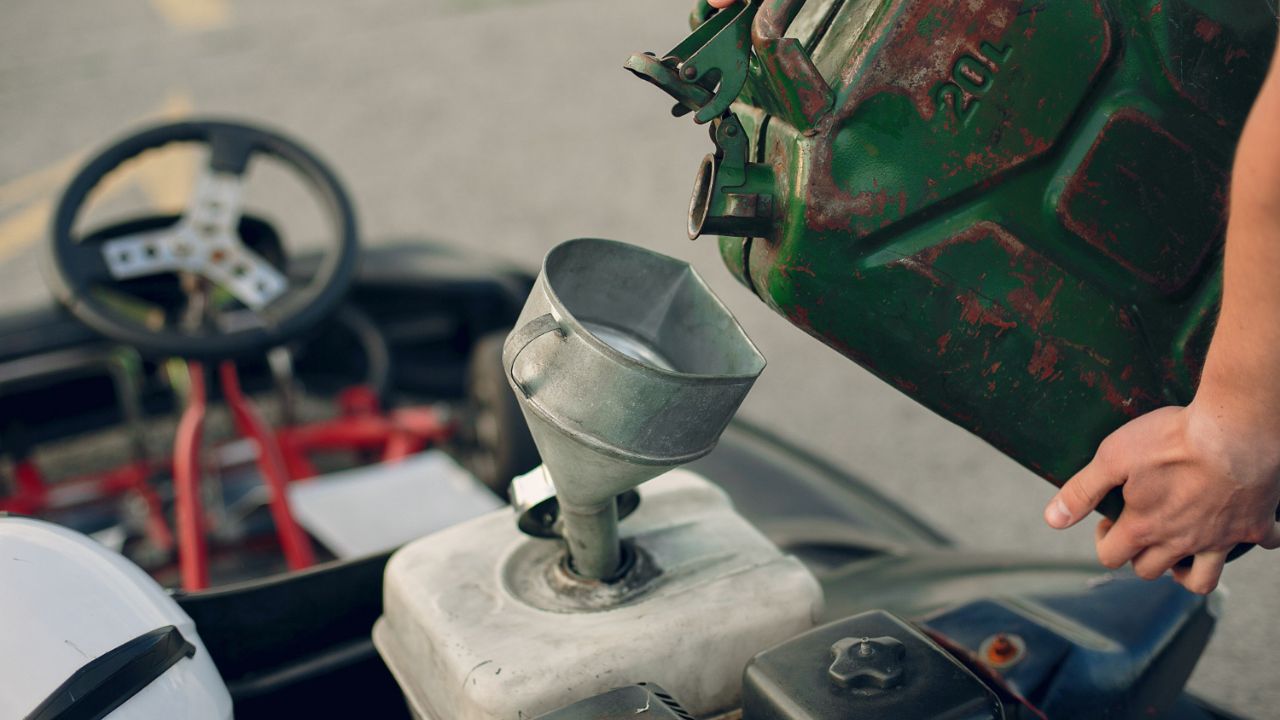
To combat the adverse effects of modern fuels, various fuel additives are available that can protect vintage engines. Products like Sta-Bil and Star Tron are designed to stabilize fuel and mitigate ethanol-related issues. When using these additives, it’s important to follow the manufacturer’s instructions to ensure optimal results. For instance, adding these products to a 1969 Dodge Charger can help prevent ethanol-related corrosion and maintain engine performance. Regular use of such additives can extend the life of your engine and keep it running smoothly.
Fuel Selection and Storage
Choosing the right fuel is another critical step in protecting vintage engines. Ethanol-free gasoline, though not as widely available, offers a safer alternative for older engines. When selecting fuel for a 1948 Plymouth Special Deluxe, opting for ethanol-free gasoline can prevent the issues associated with ethanol-blended fuels. Proper fuel storage is also essential to minimize degradation and contamination. Storing gasoline in airtight, moisture-free containers can prevent the absorption of water, which is particularly important for vintage engines that may not be used frequently.
Maintenance and Upgrades
Regular Maintenance Routines
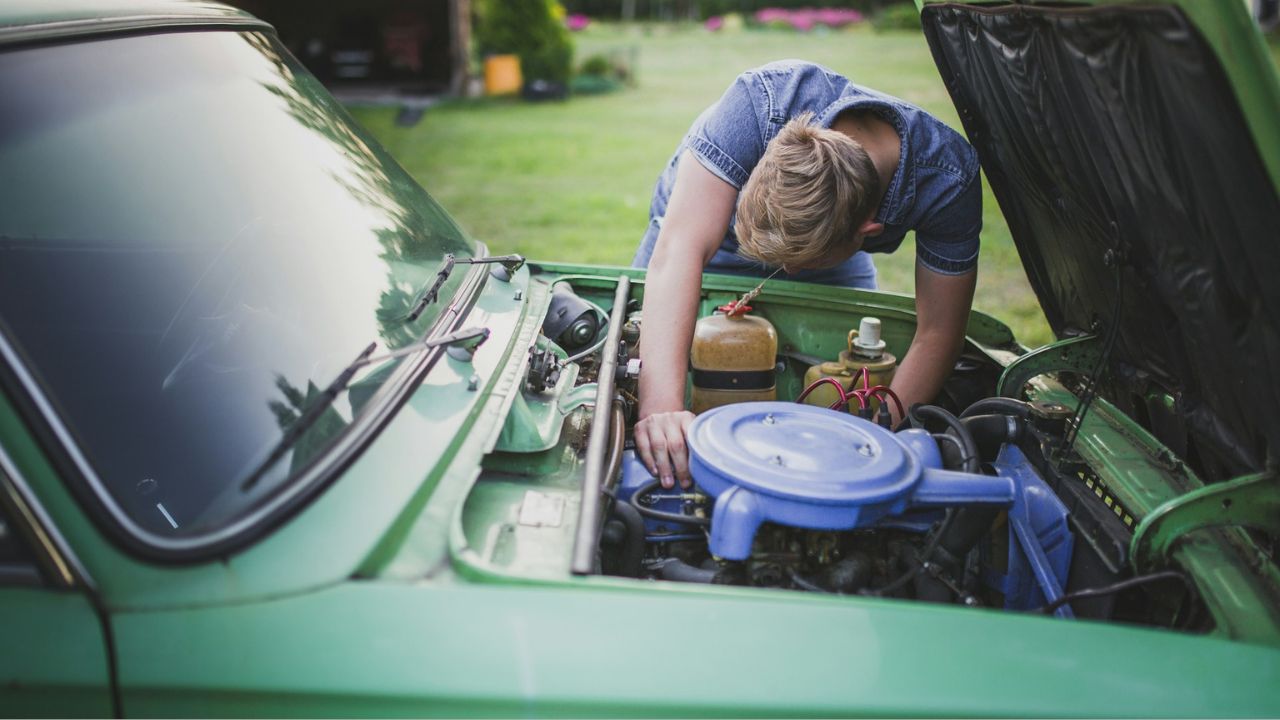
Consistent maintenance is key to preserving the longevity of vintage engines. Regular inspections, cleanings, and tune-ups can identify potential issues before they become severe. For example, establishing a maintenance schedule for a 1955 Mercedes-Benz 300SL, including regular carburetor cleanings and fuel system checks, can prevent ethanol-related problems. Tailoring maintenance routines to accommodate modern fuels can ensure that these engines continue to perform well over time.
Upgrading Components
While maintaining authenticity is important for many vintage car enthusiasts, upgrading certain components can enhance engine longevity. For instance, replacing the original fuel lines and seals in a 1967 Pontiac GTO with ethanol-resistant materials can provide significant protection against modern fuels. Balancing the desire to preserve the original look and feel of the vehicle with the need to protect its engine is crucial. Upgrading vulnerable components can prevent costly repairs and extend the life of the engine.
Expert Advice and Resources
Consulting with Specialists
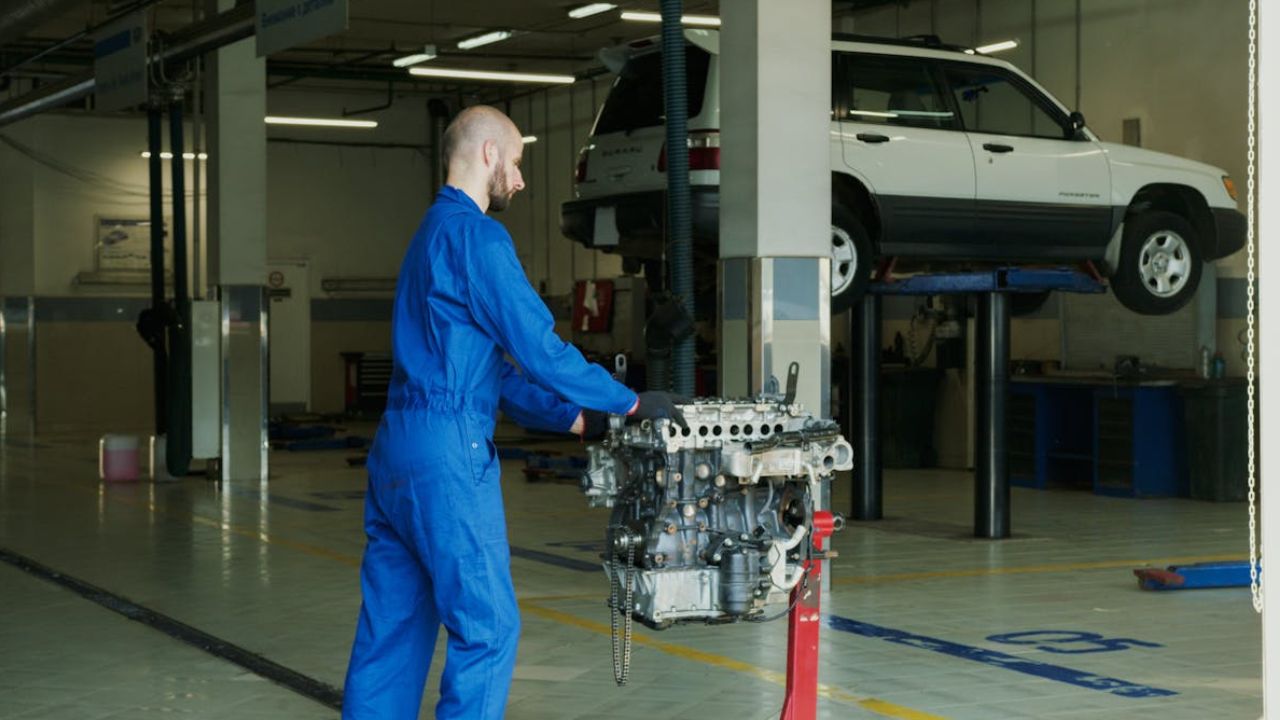
When it comes to vintage engines, consulting with experienced mechanics can provide valuable insights and peace of mind. Mechanics who specialize in classic cars, such as those familiar with the intricacies of a 1963 Jaguar E-Type, can offer tailored advice and services. Engaging with online forums and communities of vintage engine enthusiasts can also be beneficial, providing access to shared experiences and solutions.
Educational Resources
Staying informed about the latest techniques and products for preserving vintage engines is crucial for any enthusiast. Books, workshops, and online courses can provide in-depth knowledge and skills, helping you to better maintain your vintage vehicle. For example, attending a workshop on vintage engine restoration can offer hands-on experience and expert guidance. Ongoing education not only enhances your ability to care for your vehicle but also deepens your appreciation for these remarkable machines.
Like Fast Lane Only’s content? Be sure to follow us.
Here’s more from us:
*Created with AI assistance and editor review.