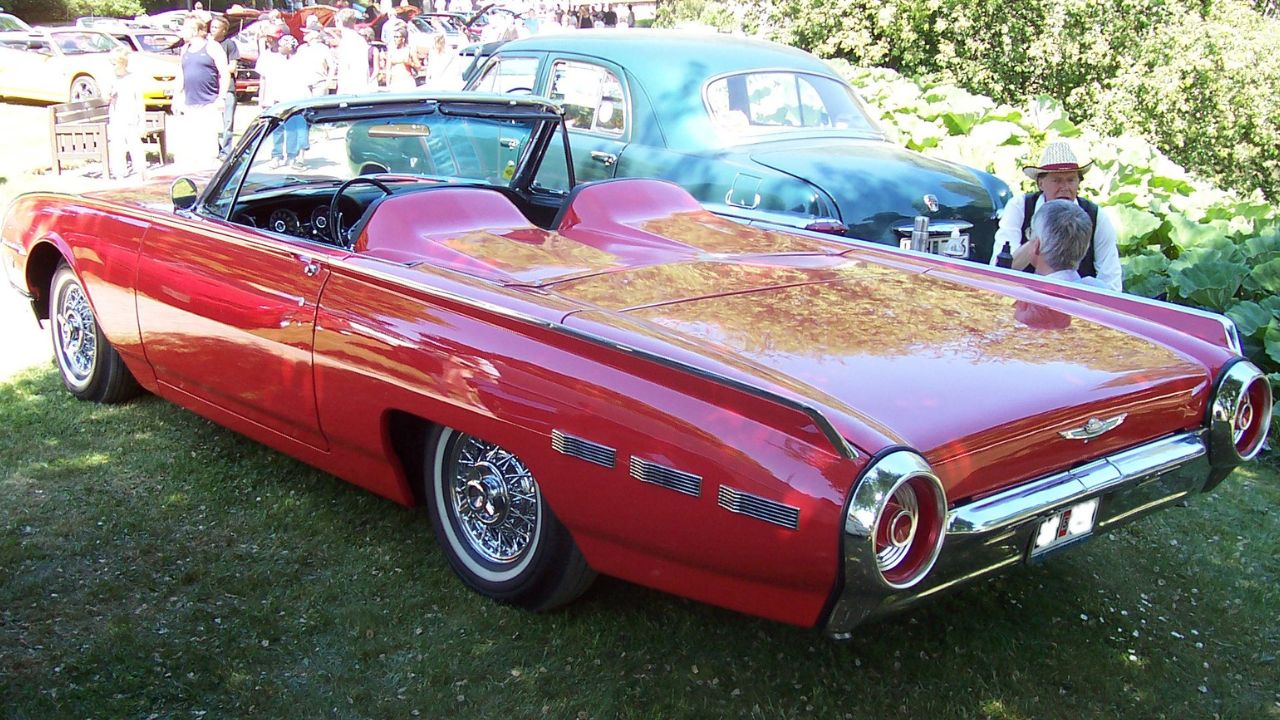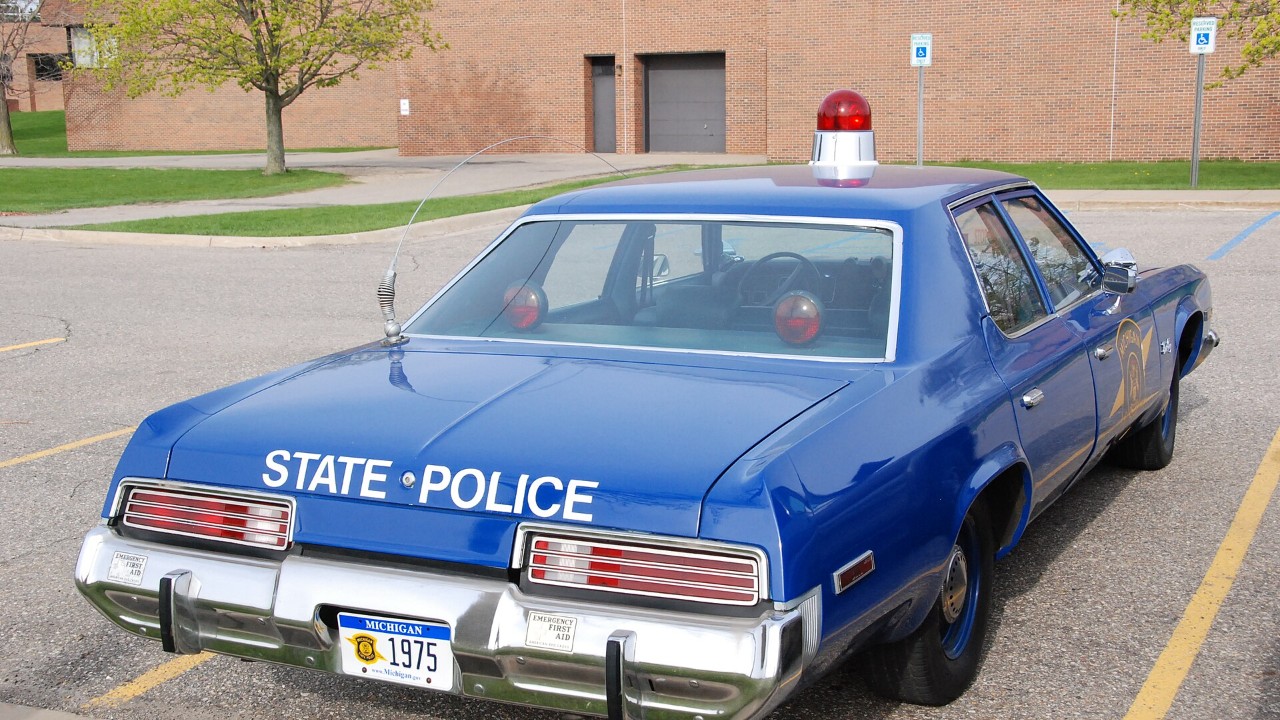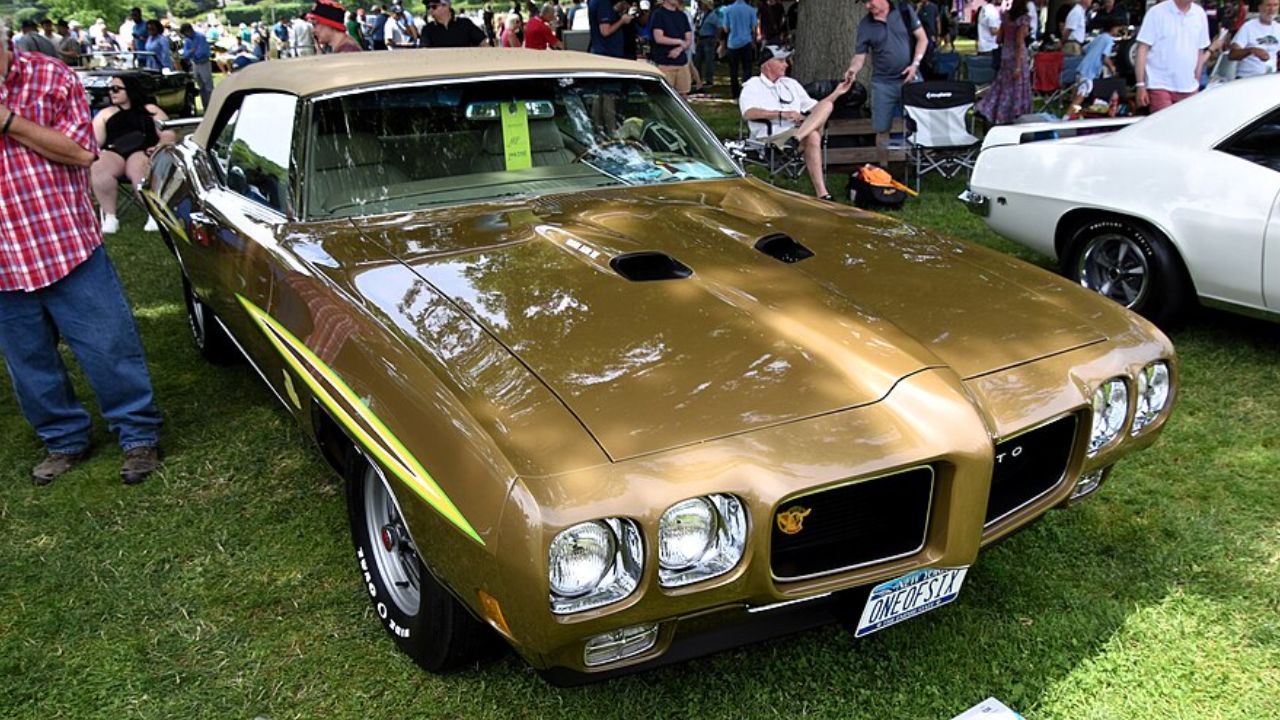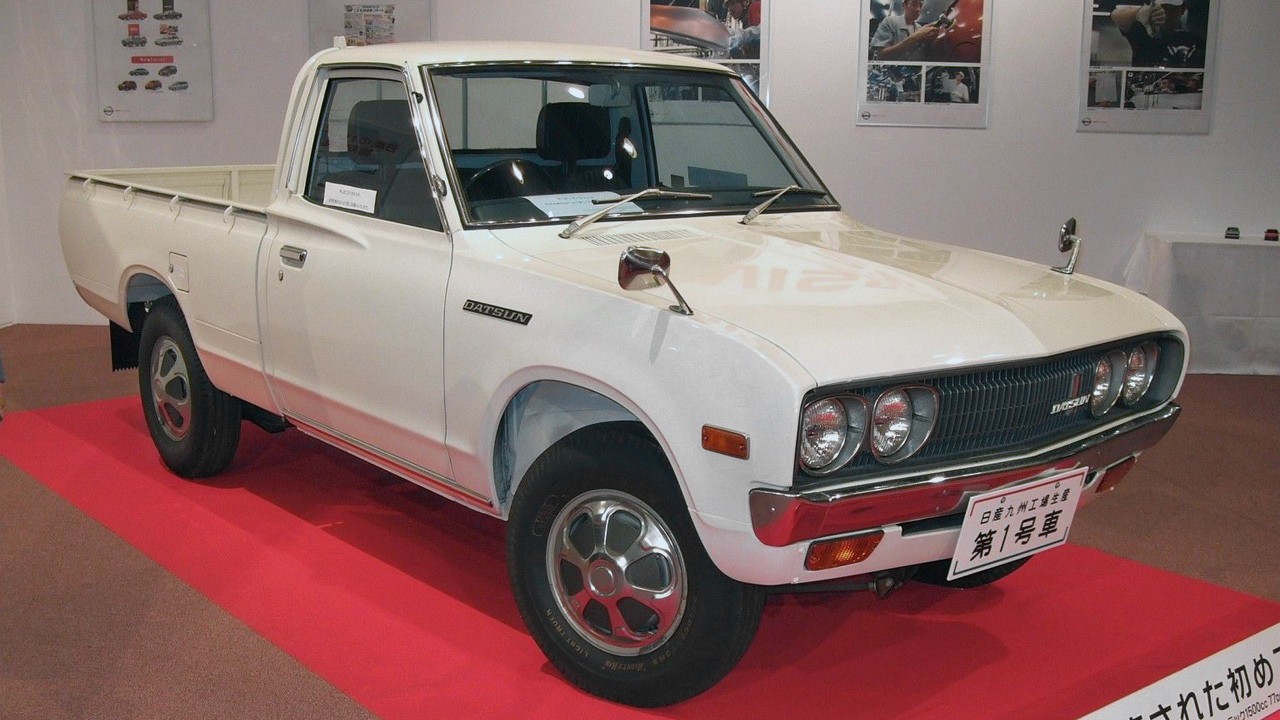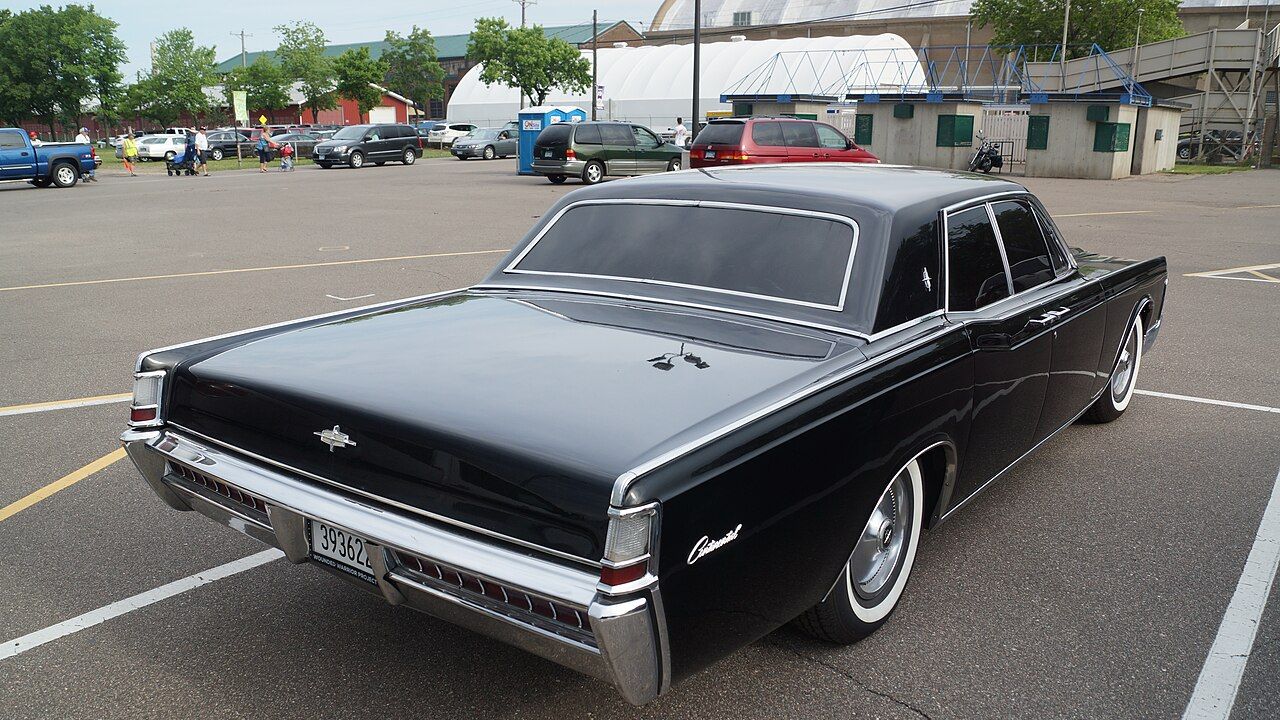
Landau tops, a distinctive feature on some sedans, have puzzled car enthusiasts and consumers for decades with their blend of aesthetic charm and historical significance. Understanding why automakers chose to install these vinyl-covered roofs reveals insights into automotive history and consumer preferences.
The Historical Background of Landau Tops
The origins of the landau top can be traced back to the days of horse-drawn carriages, where they served a functional purpose. These carriages had foldable roofs, allowing passengers to enjoy an open-air ride or seek shelter from inclement weather. Transitioning into the automotive world, early 20th-century luxury vehicles adopted the landau top as a nod to this opulence, even though the functionality was more symbolic than practical.
As cars became more widespread, the landau top evolved from a functional accessory to a symbol of luxury and class. In the 1960s and 1970s, the feature reached its peak popularity, driven by cultural and economic factors that favored a more ostentatious display of wealth. Automakers like Cadillac and Lincoln embraced the trend, incorporating landau tops into their designs to attract a demographic that admired the lavish lifestyle such accessories represented.
Design and Aesthetic Appeal
The visual appeal of landau tops was undeniable. These vinyl-covered roofs gave sedans an upscale, luxurious appearance reminiscent of the horse-drawn carriages of yesteryear. The smooth, elegant lines of the landau top added a distinctive touch that set certain vehicles apart in the crowded marketplace. This design choice was particularly popular among buyers looking for a car that exuded sophistication and status.
Landau tops came in a variety of styles, including half, full, and faux convertible roofs. This diversity allowed manufacturers to cater to different tastes and preferences. The half landau top, for example, covered only the rear section of the roof and was often paired with a distinctive opera window, while the full landau top extended over the entire roof. Some designs even mimicked the look of convertible tops, adding an air of sportiness to the vehicle’s profile. These stylistic choices influenced the overall design language of automotive brands, helping them craft an identity that resonated with their target audience.
Marketing and Consumer Perception
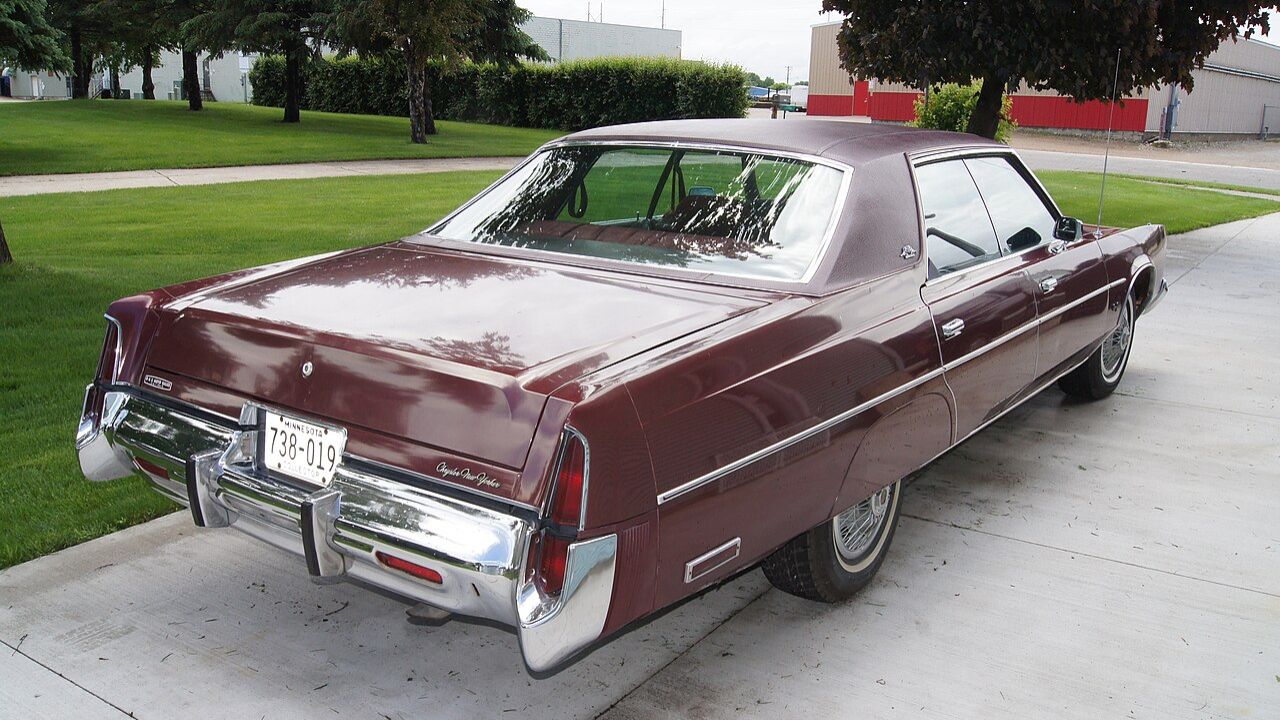
Automakers marketed landau tops as a luxury feature, targeting consumers who desired a high-end, refined vehicle. The addition of a landau top suggested that a car was more than just a means of transportation; it was a statement of style and success. Brands like Chrysler and Oldsmobile used advertising campaigns to highlight the elegance and sophistication that a landau top could bring to a sedan.
Consumers perceived landau tops as a marker of status and prestige. Owning a car with a landau top was akin to owning a piece of automotive art. However, as the decades passed, consumer preferences shifted. Advances in automotive technology, along with changing tastes, led to a decline in the popularity of landau tops. Buyers began to favor more practical and modern design features, prioritizing functionality over the showy opulence of vinyl-covered roofs. This shift marked the end of an era for landau tops, as they gradually faded from the automotive scene.
Functional and Practical Considerations
Despite their popularity, there were misconceptions about the functionality of landau tops. Many believed that these features offered practical benefits, such as additional insulation or noise reduction. However, the reality was that landau tops were primarily aesthetic additions, with little functional advantage over traditional metal roofs.
Maintaining a landau top presented its own set of challenges. The vinyl material used in their construction was prone to cracking and fading over time, requiring regular upkeep to preserve its appearance. These maintenance needs, coupled with the potential for water leaks and other issues, made landau tops less appealing to practical-minded consumers. Additionally, the presence of a landau top could impact the resale value of a vehicle, as some buyers viewed them as outdated or less desirable compared to more modern design features.
Legacy and Modern Interpretations
Despite their decline in mainstream automotive design, landau tops have retained a certain nostalgic charm for classic car enthusiasts and collectors. These vinyl roofs evoke a bygone era of automotive elegance, making them highly sought after in the classic car market. Models like the 1977 Lincoln Continental or the 1976 Cadillac Eldorado, with their distinctive landau tops, remain prized possessions for collectors who appreciate their historical significance.
In contemporary automotive design, echoes of the landau top’s spirit can still be found. Modern vehicles often incorporate design elements that pay homage to the classic styles of the past, blending retro aesthetics with cutting-edge technology. For example, cars like the Fiat 500 and the Mini Cooper manage to capture the vintage charm reminiscent of landau tops while offering modern conveniences and performance.
Ultimately, the cultural impact of landau tops on automotive history is undeniable. They represent a unique chapter in the evolution of car design and consumer preferences. While they may no longer dominate the market, their influence continues to be felt in the way cars are designed and perceived today. For those who appreciate the artistry and elegance of classic automobiles, the legacy of the landau top remains a testament to the ever-changing landscape of the automotive industry.
Like Fast Lane Only’s content? Be sure to follow us.
Here’s more from us:
*Created with AI assistance and editor review.