There’s nothing worse than paying real money for a fake muscle car. In an era where a few badges, some vinyl decals, and a repainted block can pass for the real deal, knowing what to look for matters more than ever. With prices climbing and clones flooding the market, buyers need more than just paperwork—they need a sharp eye and a little skepticism.
From mismatched VINs to missing suspension hardware, here are 10 classic muscle cars that are heavily cloned—and what to check before you sign the title.
1970 Plymouth Hemi ‘Cuda
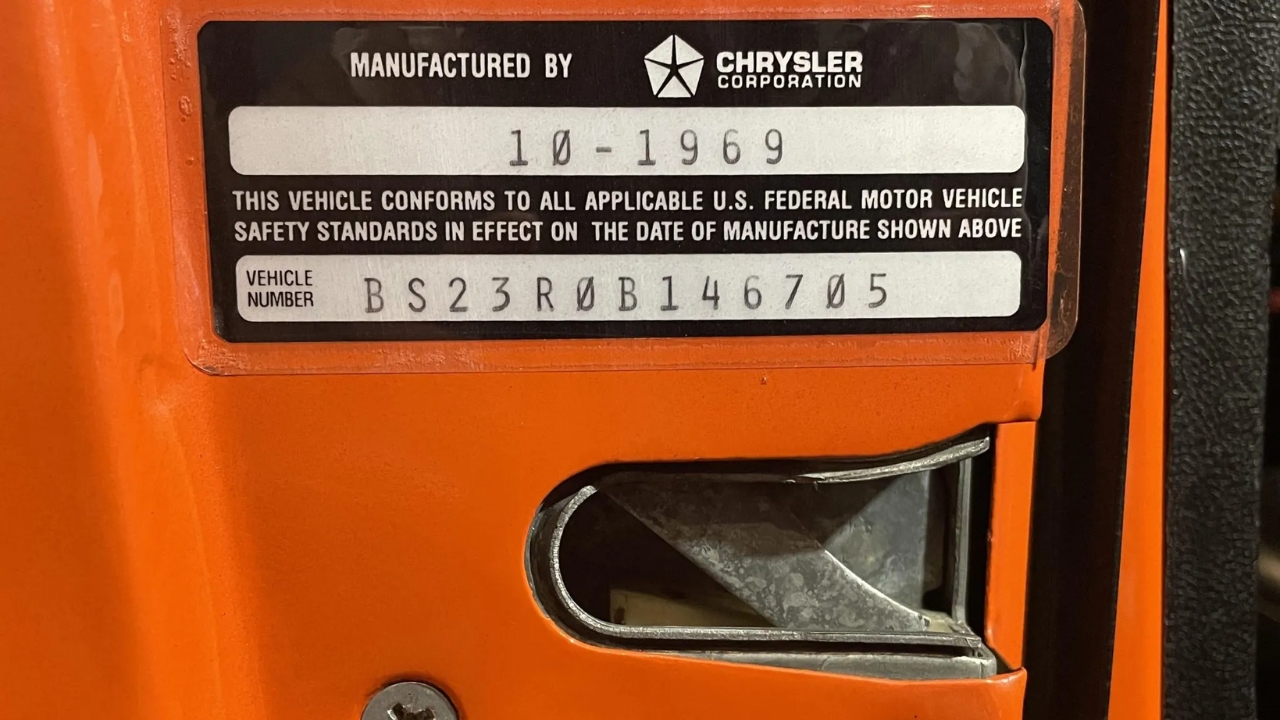
The Hemi ‘Cuda is one of the most cloned muscle cars out there—and with good reason. Real ones are worth six figures. The most important thing to check is the VIN. For Hemi ‘Cudas, the fifth digit should be an “R,” and the build sheet or fender tag must match.
Also look for reinforced K-members, torque boxes, and correct Hemi engine mounts. Most fakes just drop a 426 into a 318 body. If the radiator support and cowl numbers don’t match the VIN or have been re-stamped, you might be looking at a tribute—not a factory Hemi.
1969 Chevrolet Camaro Z/28
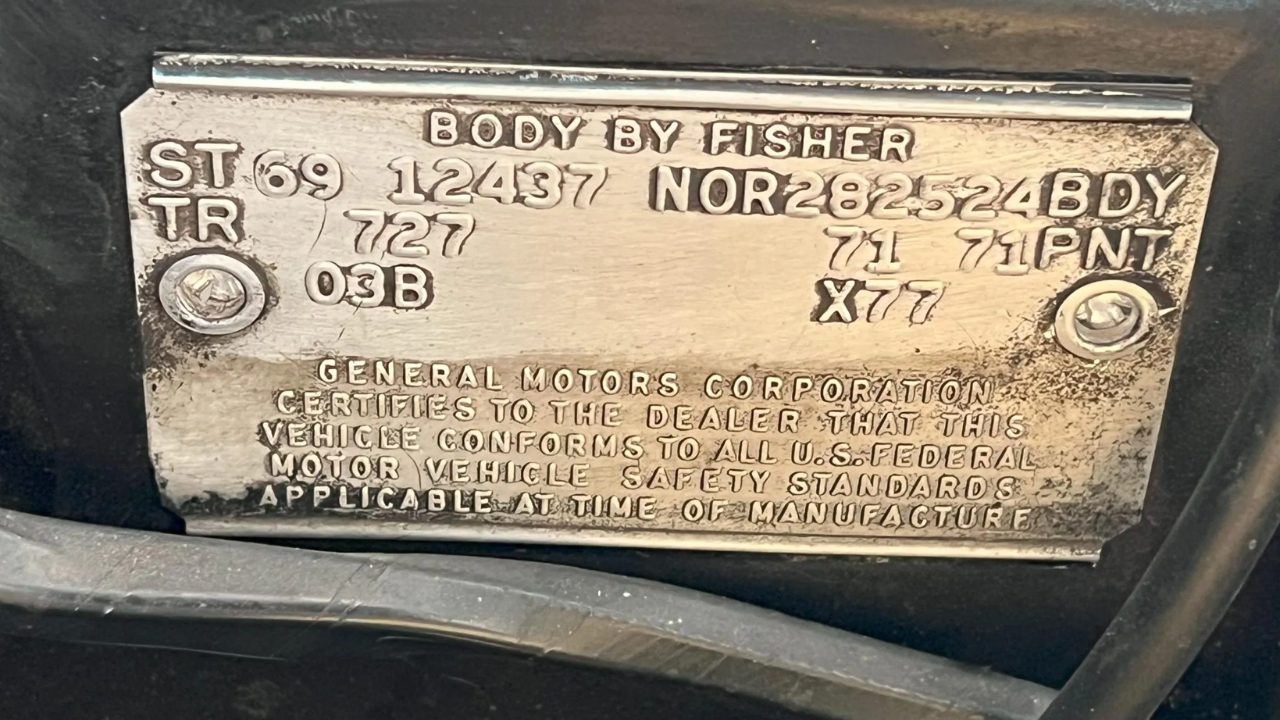
Real Z/28s had a high-winding 302 that was never available with an automatic transmission. The third digit in the VIN should be “4” for a V8, and trim tag codes can show if the car was built at Norwood with the X33 or X77 performance package.
Spotting fakes means checking the cowl tag, rear axle code, and matching engine stampings. A true Z/28 will also have a 12-bolt rear, quick-ratio steering, and a 6,000–8,000 rpm tach. If you’re seeing a 350 with a TH350 auto, it’s not the real deal.
1970 Chevrolet Chevelle SS454 LS6
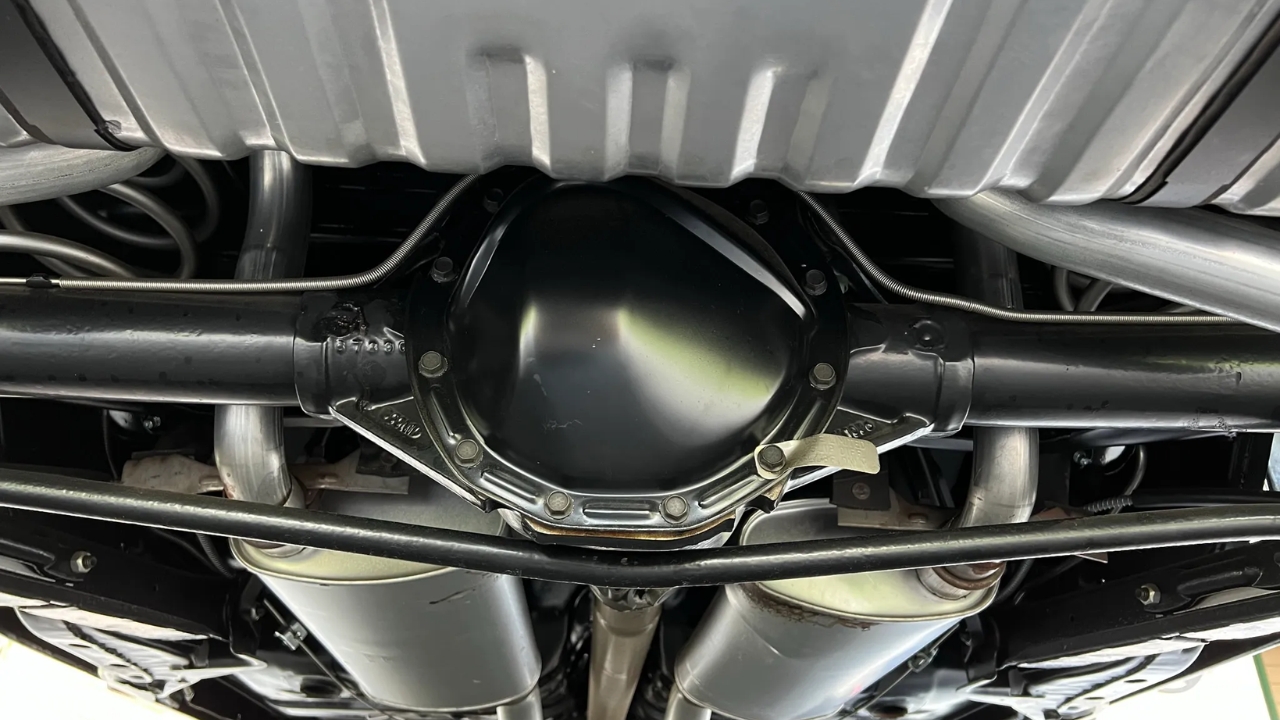
The LS6 Chevelle had 450 hp from the factory, and prices for real cars are through the roof. The VIN won’t tell you if it’s an LS6, so documentation is everything—build sheet, window sticker, or a verified tank sheet are crucial.
Check for a 12-bolt rear with 4.10 gears, boxed control arms, sway bars, and power front disc brakes. A Muncie M22 “rock crusher” or Turbo 400 with the correct transmission code is another clue. Many fakes are 396 cars or Malibu shells with SS badges bolted on.
1969 Dodge Charger Daytona
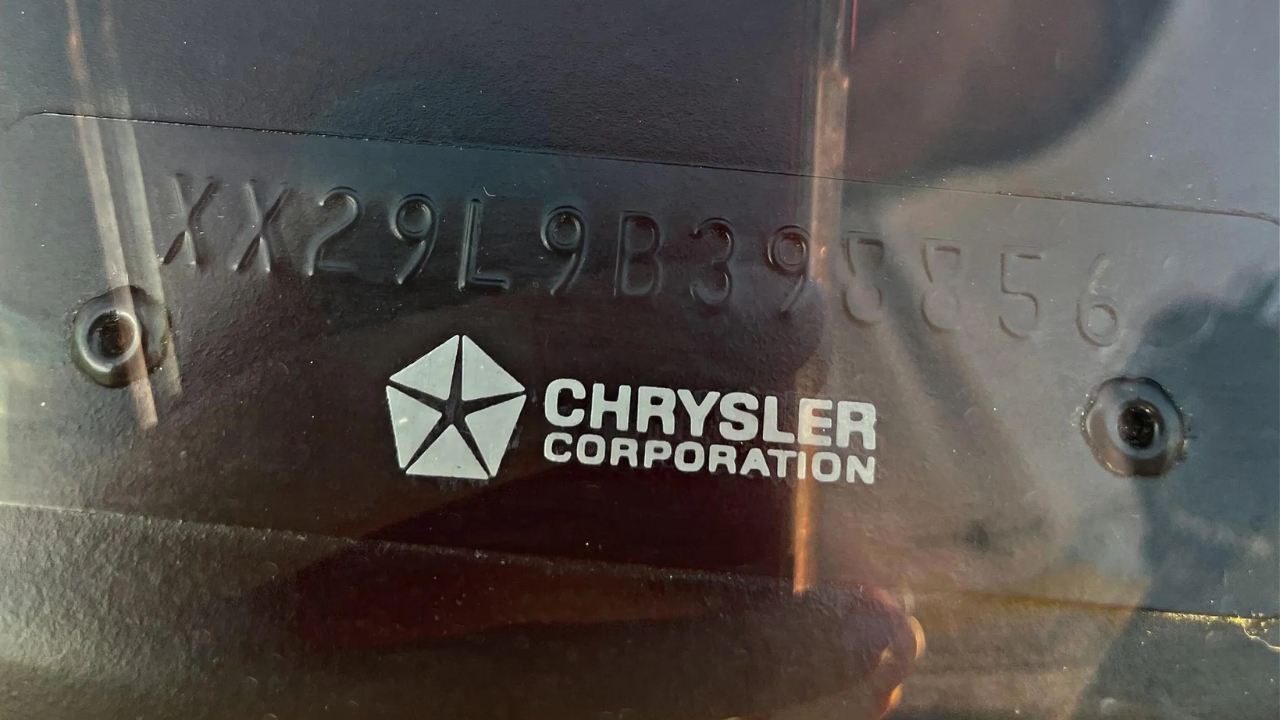
Only 503 Charger Daytonas were built, and most were for homologation. Real Daytonas have unique VINs starting with XX29L, plus welded-on nose cone brackets and factory holes for the rear wing support in the trunk floor and quarters.
Also check for factory fender scoops, rear window plug welds, and VIN tags on the radiator support and trunk lip. There’s no such thing as a “Daytona clone” with a fiberglass nose—if it doesn’t have the factory prep work, it didn’t leave Hamtramck as a real Daytona.
1965 Pontiac GTO

The first-year GTO was a trim package, not a separate model, so it’s especially easy to fake. Look for code “5N” on the trim tag, which denotes the GTO option on a LeMans body. The engine should be a 389 with Tri-Power or a Carter AFB 4-barrel, depending on the build.
Check for correct carb linkage, intake casting numbers, and a rear sway bar that came with the HD suspension. If it’s missing all of that and just has a badge on the grille, chances are it started life as a Tempest.
1970 Ford Mustang Boss 429
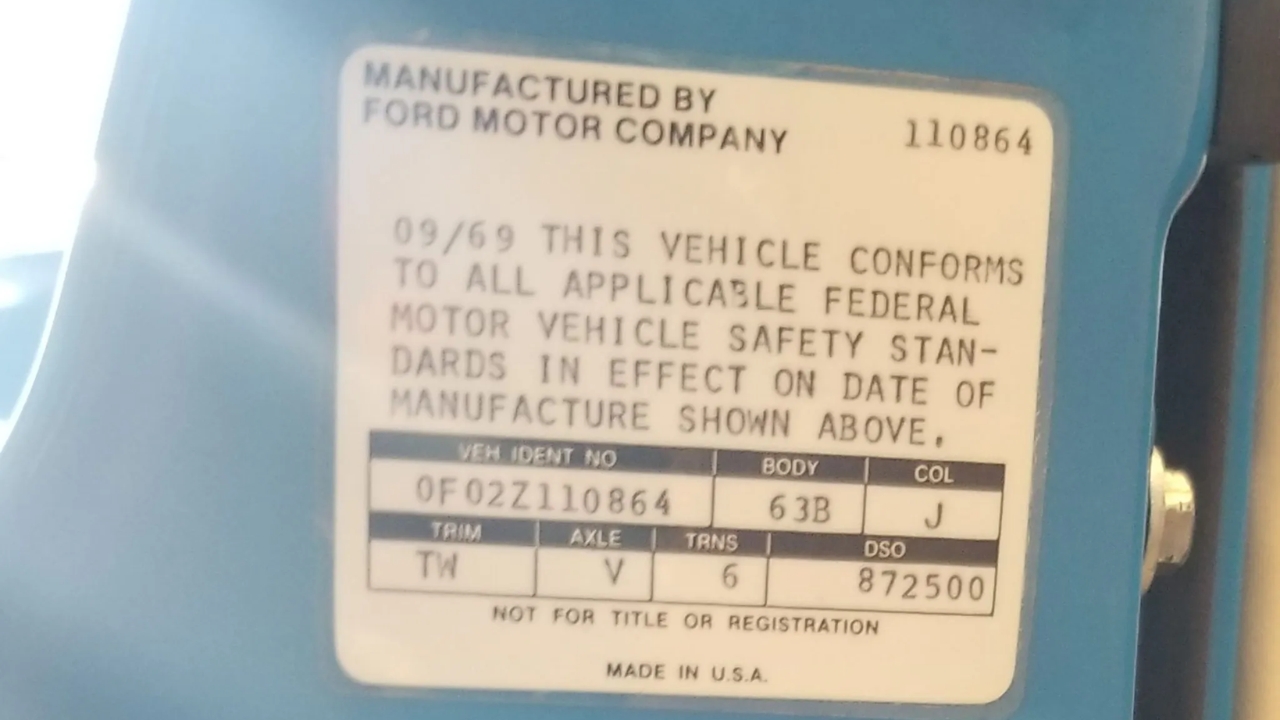
Boss 429s were hand-assembled by Kar Kraft and only 499 were made in 1970. The VIN must start with “0F02Z” to be correct. Under the hood, the shock towers were modified to clear the hemi-headed 429, and the battery was relocated to the trunk.
There’s also a small oil cooler behind the front bumper and staggered rear shocks to help with axle hop. The hood scoop was unique and functional. Many fakes start with Mach 1 shells or even base coupes. If you don’t see factory structural mods, walk away.
1971 Pontiac Trans Am 455 HO
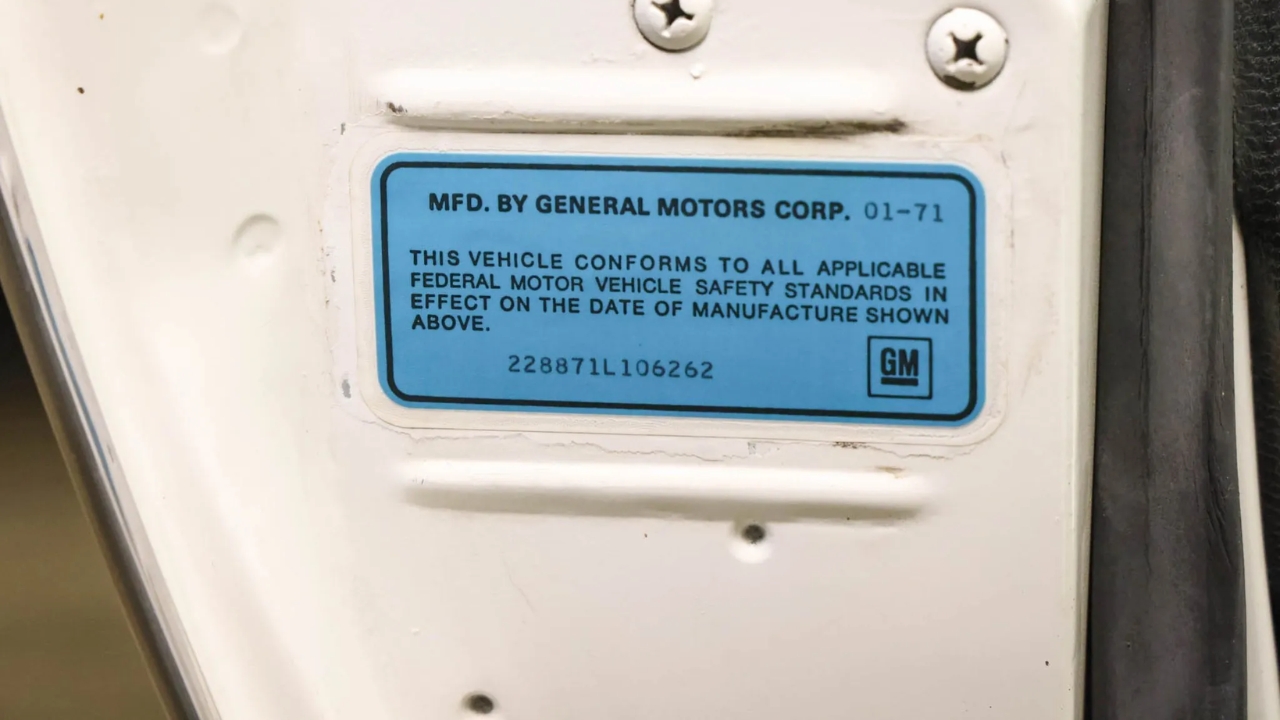
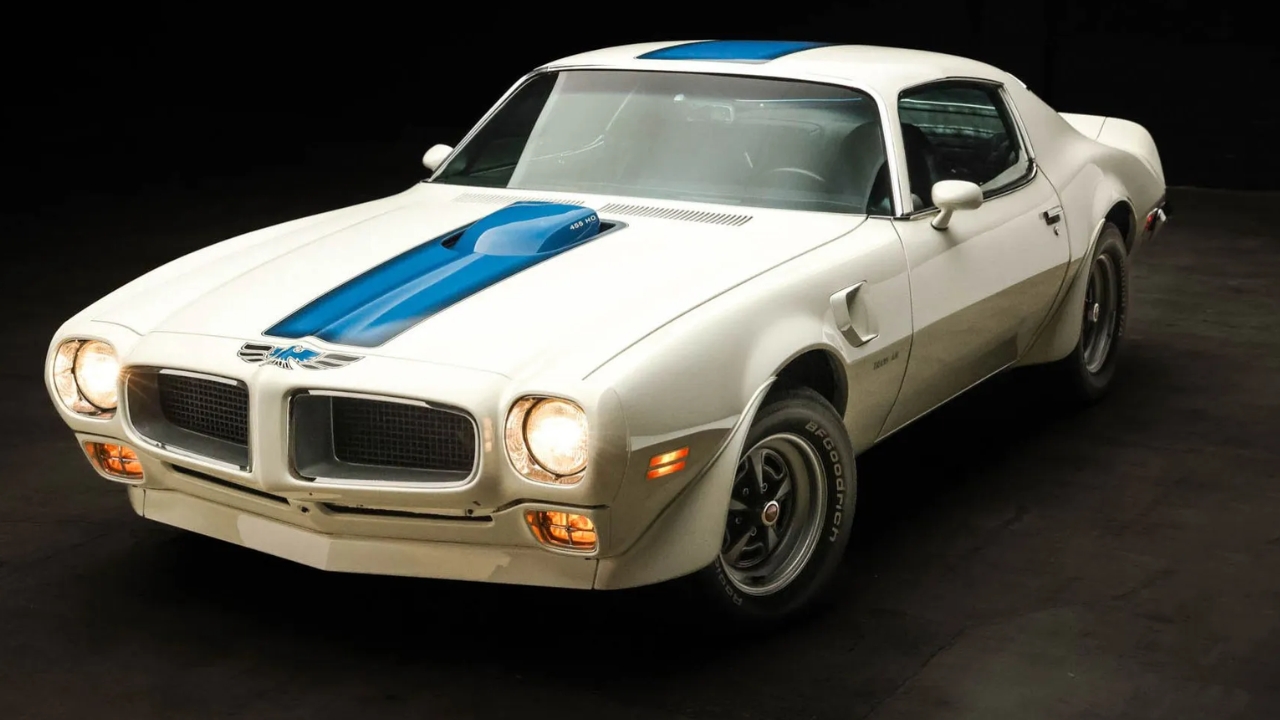
The 455 HO in the ’71 Trans Am was underrated at 335 hp but delivered big torque. Real cars will have a “WS4” on the cowl tag and a VIN starting with “22887.” The 455 HO used round-port heads, aluminum intake, and a unique Ram Air setup.
Check for matching engine and transmission stampings. The functional shaker scoop is another clue—many clones don’t have the ducting or correct carb. Also look for the correct 12-bolt rear and F41 suspension components. Too many fakes just slap on blue stripes and call it done.
1969 AMC Hurst SC/Rambler
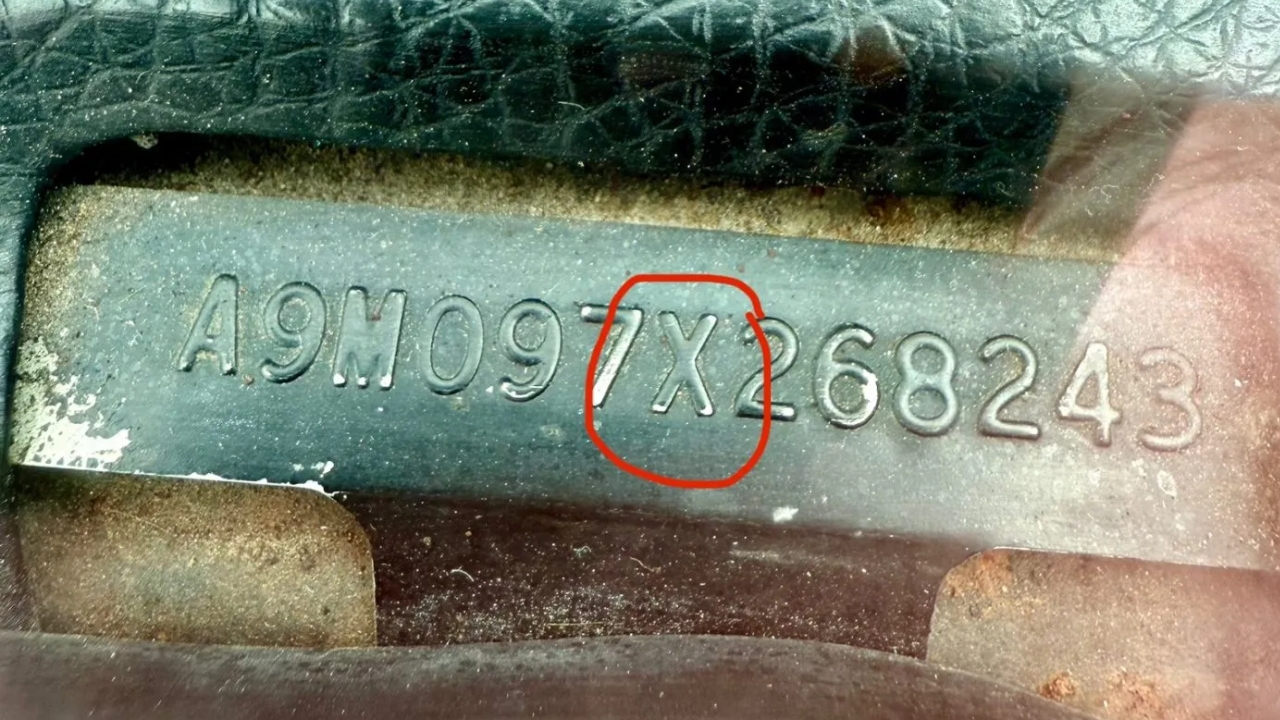
Only 1,512 SC/Ramblers were built, and they’re often faked because of their distinctive paint job and rarity. The correct VIN will start with “A9M097,” and they only came with the 390 V8 and a Borg-Warner 4-speed.
The SC/Rambler came in two variations of red, white, and blue paint, with a Ram Air hood scoop that read “390 CU IN.” Check for factory traction bars, a T10 transmission, and front disc brakes. If it doesn’t have the mechanical bits to back the look, it’s not real.
1970 Buick GS Stage 1
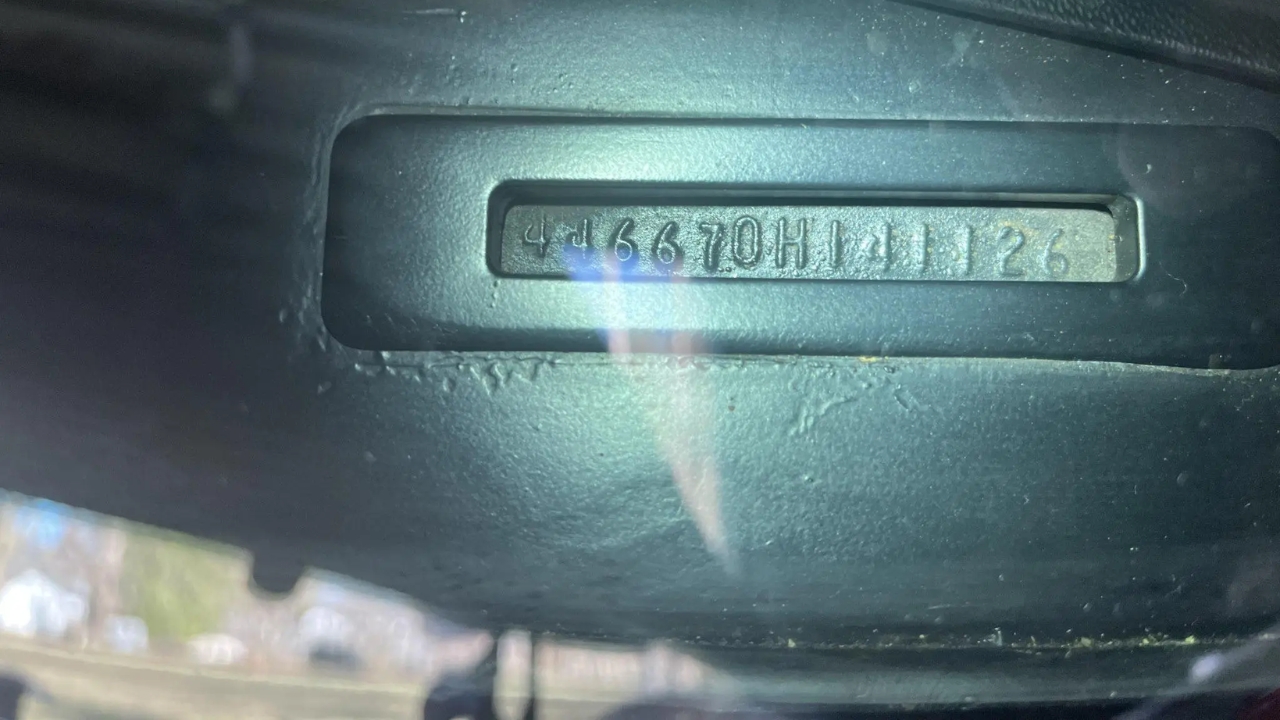
The GS Stage 1 wasn’t flashy, but it was fast—510 lb-ft of torque and mid-13s right off the lot. The first digits of the VIN for Stage 1 will be either 44637OH (coupe) or 44667OH (convertible), Stage 1 cars had a hotter cam, bigger valves, and higher compression.
Verify the heads (casting 1231786), carb number, and distributor. Many clones just bolt on the badges without swapping the internals. Also check for a 3.42 rear and a Turbo 400 with the right tag. Real Stage 1 cars had their own attitude—and price tag.
1971 Dodge Challenger R/T 426 Hemi
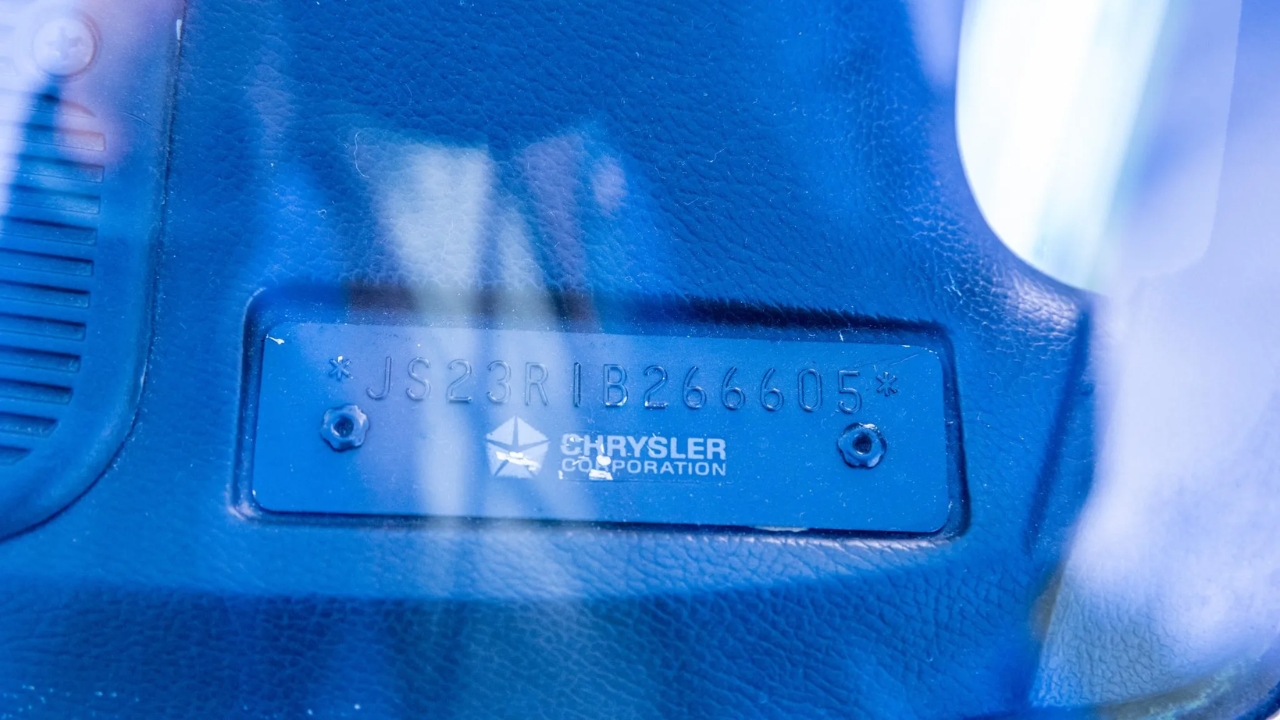
Only a handful of ’71 Hemi Challengers were built, so seeing one in the wild should raise questions. The fifth digit in the VIN should be “R,” and the fender tag will spell out the R/T package and engine option.
Factory Hemi cars got special K-members, skid plates, and beefier torsion bars. Also look for body reinforcement plates welded into the engine bay and trunk. If the car doesn’t have those structural changes, it probably didn’t come from the factory with a Hemi, no matter what’s under the hood now.
*This article was hand crafted with AI-powered tools and has been car-fully, I mean carefully, reviewed by our editors.