Nothing says muscle car like a hood scoop that actually does something. These weren’t tacked-on decorations—they were built to feed air, clear tall intakes, and make it obvious you weren’t driving anything mild. Some were subtle, others stuck out like a callout, but each one had a purpose: get more air to the engine and look tough doing it.
Whether they shook, hissed, or popped open under throttle, these scoops earned their place in history. Here are 10 of the coolest factory hood scoops ever bolted to a muscle car.
1969 Pontiac GTO “The Judge” Ram Air IV
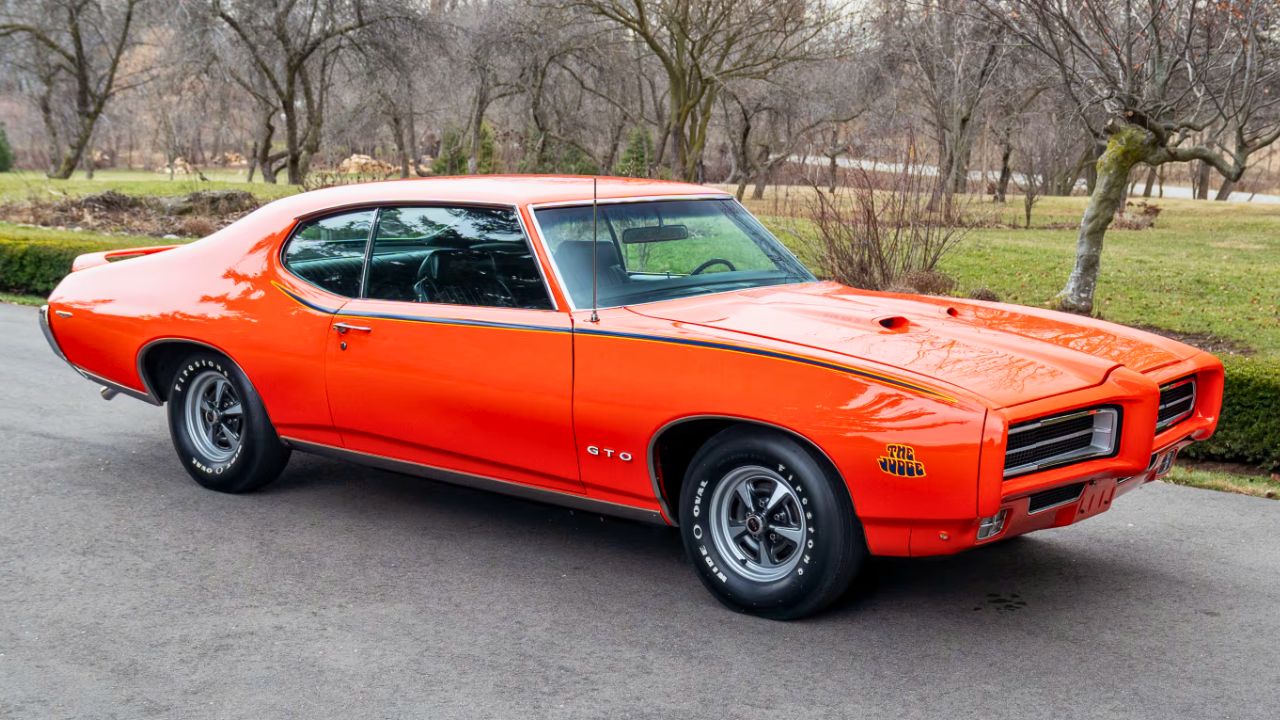
The ’69 GTO Judge came with a factory hood scoop that looked like it meant business—and in the case of the Ram Air IV option, it really did. The twin inlets sat right up front, feeding cool air directly into a high-compression 400 V8 rated at 370 hp.
Functional and aggressive, the scoop used vacuum-actuated flaps to open under throttle, giving the engine a shot of fresh air when it needed it most. Backed by a stiff suspension and a 4-speed with a Hurst shifter, this wasn’t just cosmetic flair—it was part of the car’s attitude.
1970 Plymouth ‘Cuda with Shaker Hood
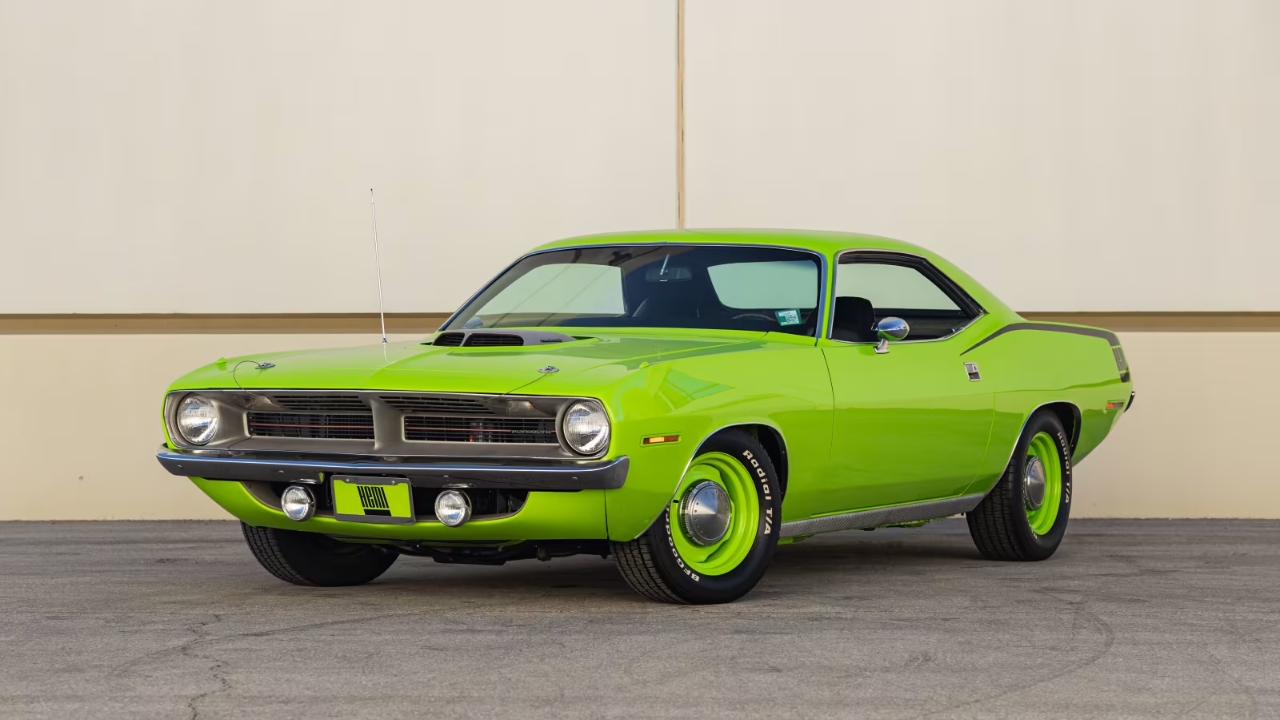
The ‘Cuda’s Shaker hood is one of the most iconic scoops to ever bolt onto a muscle car. Mounted directly to the air cleaner, the scoop jutted through a cutout in the hood and vibrated along with the engine—hence the name.
Available with 440 Six Pack or 426 Hemi power, the scoop wasn’t just a gimmick. It funneled cold air straight into the carburetors and made sure the car looked like it was ready to rumble even when parked. It’s still one of the most recognizable muscle car details ever produced.
1969 Ford Mustang 428 Cobra Jet with Ram Air

Ford’s 428 Cobra Jet came alive when paired with the functional Ram Air hood scoop. The scoop was integrated into the hood, sitting low and wide but feeding directly into a sealed air cleaner housing.
When you floored it, that scoop let the big 428 breathe easier, especially at high RPMs. The Cobra Jet was already underrated at 335 hp, but with Ram Air and a 3.91 rear gear, it could click off low-13s at the strip. The look was subtle, but the performance was anything but.
1970 Chevrolet Chevelle SS with Cowl Induction
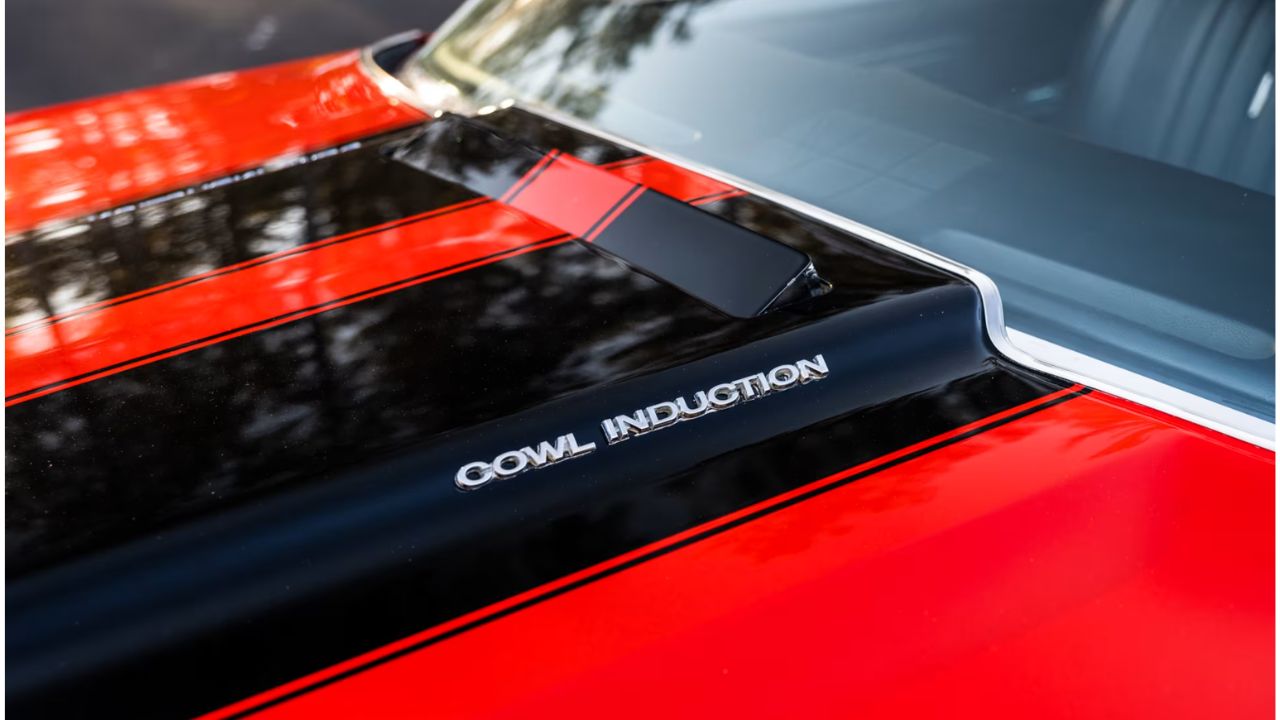
The Chevelle SS’s cowl induction system was a clever reversal—rather than pulling air from the front, it used a vacuum-operated flapper near the windshield to draw high-pressure air from the base of the hood.
It wasn’t just for show. At wide-open throttle, the flap popped open, channeling cooler, denser air into the Quadrajet carb atop the LS5 or LS6 big block. The system was activated by a solenoid connected to the throttle linkage, making it one of the more technically interesting scoops of the era.
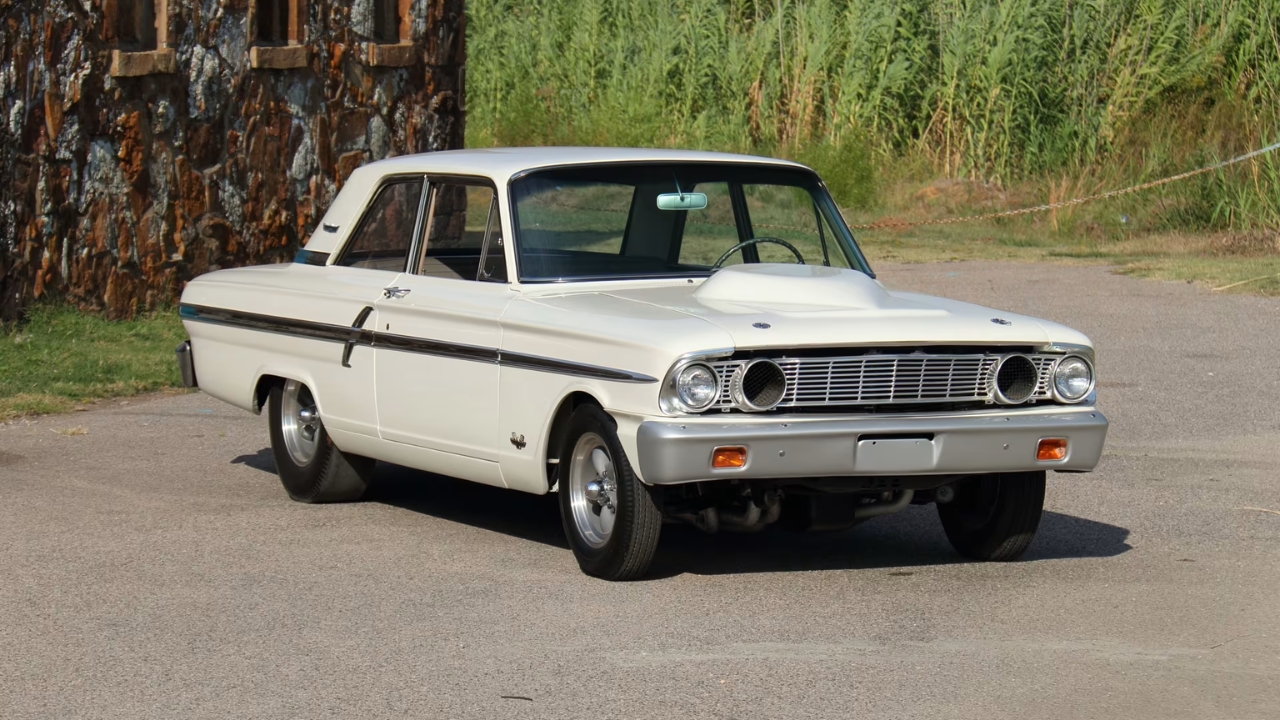
1964 Thunderbolt Fairlane with Teardrop Scoop
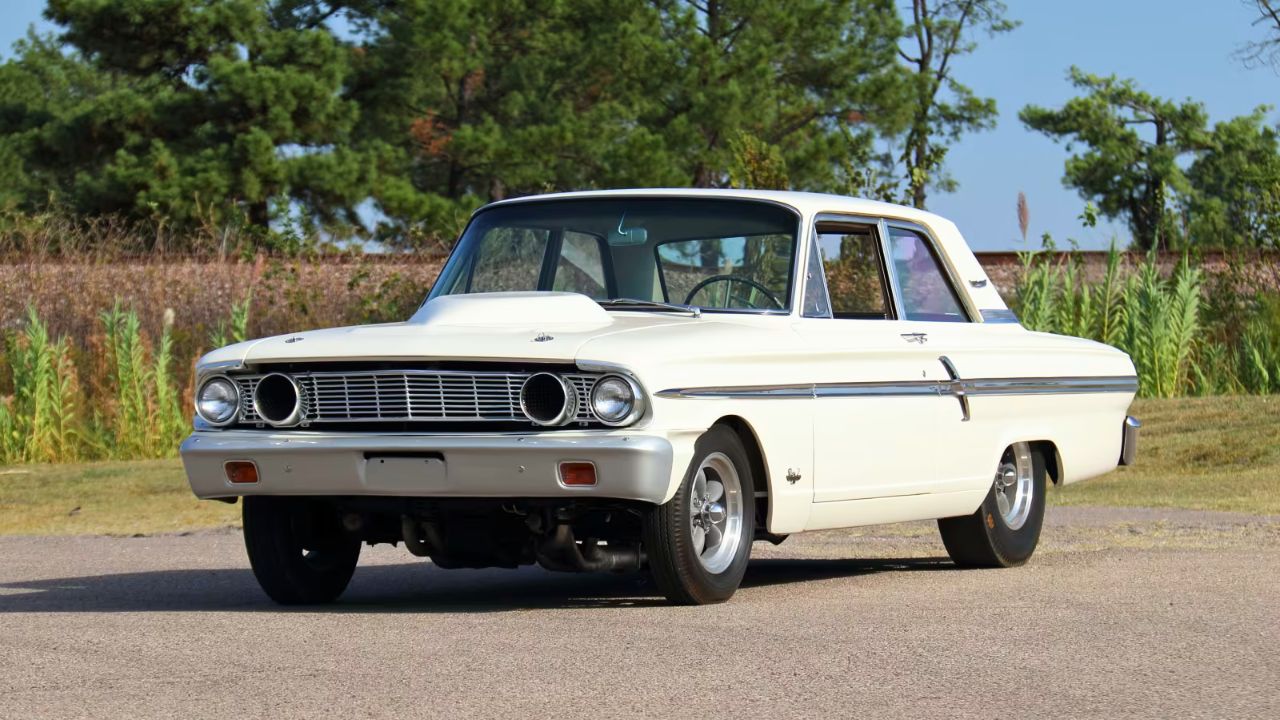
The 1964 Ford Fairlane Thunderbolt wasn’t built for the boulevard—it was a factory drag car with a fiberglass hood and a big, bubble-like teardrop scoop dead center. The purpose? Clearance and airflow for the dual-quad 427 Hi-Riser.
That scoop wasn’t subtle, and it didn’t pretend to be. The massive hood bulge made room for high-rise intake runners and let cold air flood into the big FE engine. Lightweight and stripped of all frills, the Thunderbolt remains one of the most purpose-built scoops to ever leave Dearborn.
1971 Dodge Charger R/T Ramcharger Hood
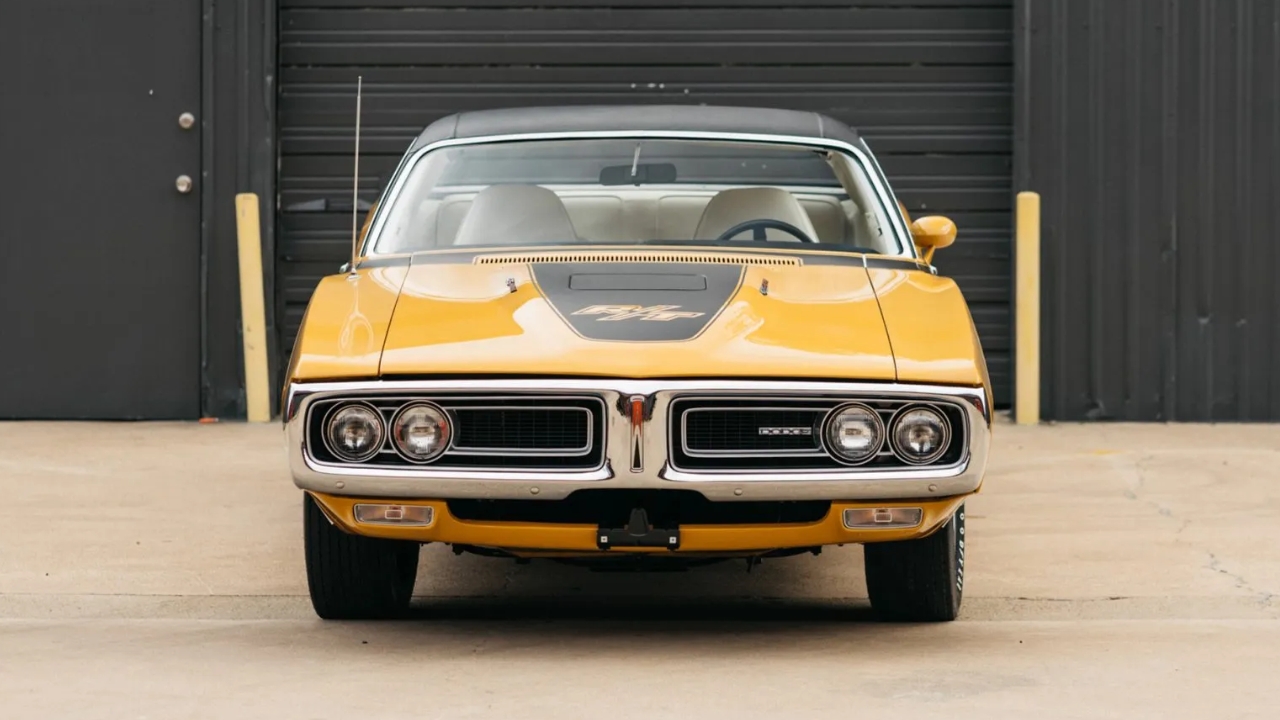
Dodge’s “Ramcharger” hood on the ’71 Charger R/T was more than just visual muscle. It came with twin NACA-style inlets and a vacuum-controlled door that opened under heavy throttle to feed air to the four-barrel-topped 440 or 426 Hemi.
The system worked by routing air through under-hood ducts into a sealed air cleaner, maximizing airflow when it counted. It wasn’t as showy as a Shaker, but it was efficient and looked slick integrated into the long, wide hood of the fuselage-bodied Charger.
1973 Pontiac Trans Am with Shaker Scoop
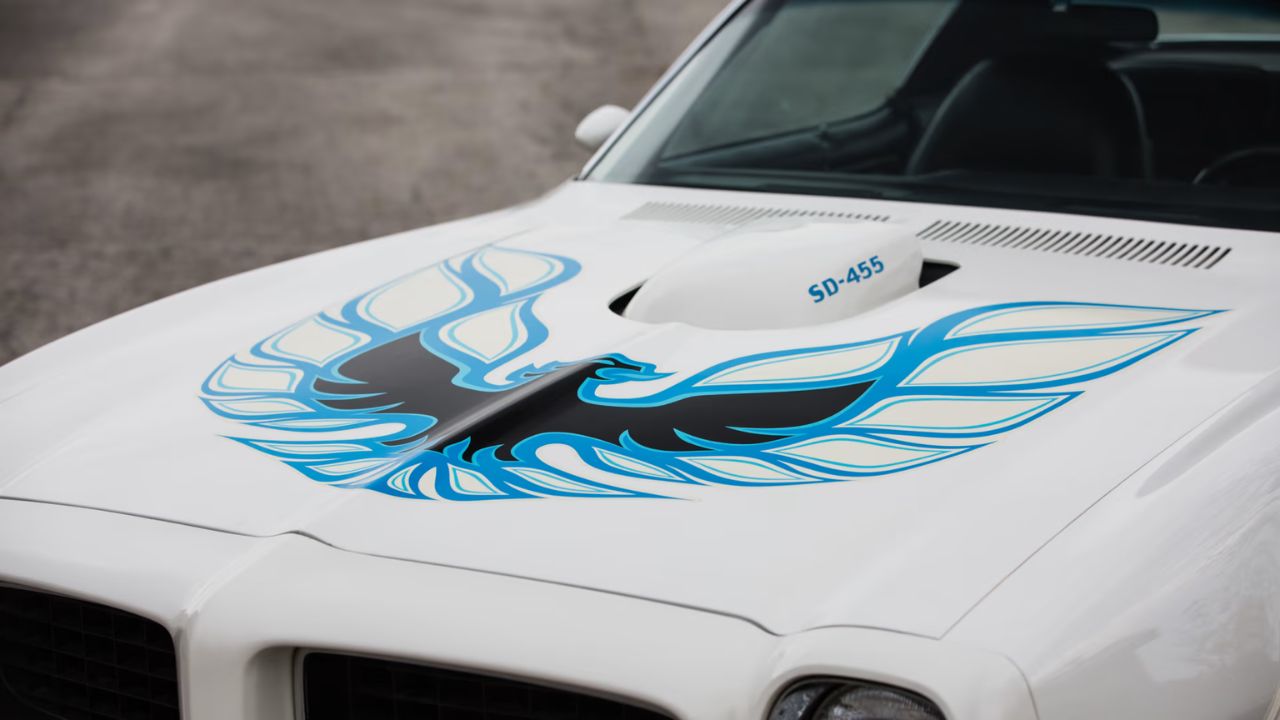
By 1973, a lot of muscle cars were getting softer, but the Trans Am still came with a functioning Shaker scoop bolted to its 455 Super Duty. The scoop wasn’t decorative—it opened up under throttle and pulled in fresh air with real purpose.
The SD-455 was the last gasp of serious muscle from Pontiac, and the Shaker setup made sure it got every advantage. It also added plenty of character, twitching and rocking under the hood while laying down torque across all four gears of the Muncie.
1969 Buick Skylark GS 400 with Functional Ram Air Hood

The ’69 GS 400 came with a twin-scoop Ram Air hood that wasn’t just for show. The functional scoops sat right at the front of the hood, feeding cooler air into the Rochester Quadrajet carb on the 400-cubic-inch V8. Buick rated it at 340 horsepower and 440 lb-ft of torque—plenty for making noise at a stoplight.
Unlike some of its flashier rivals, the GS 400 was more understated, but it could move. With optional Stage 1 upgrades and a well-tuned suspension, it was a serious street car. That hood let you know it meant business without shouting about it.
1970 Mercury Cyclone Spoiler with Cold Air Hood
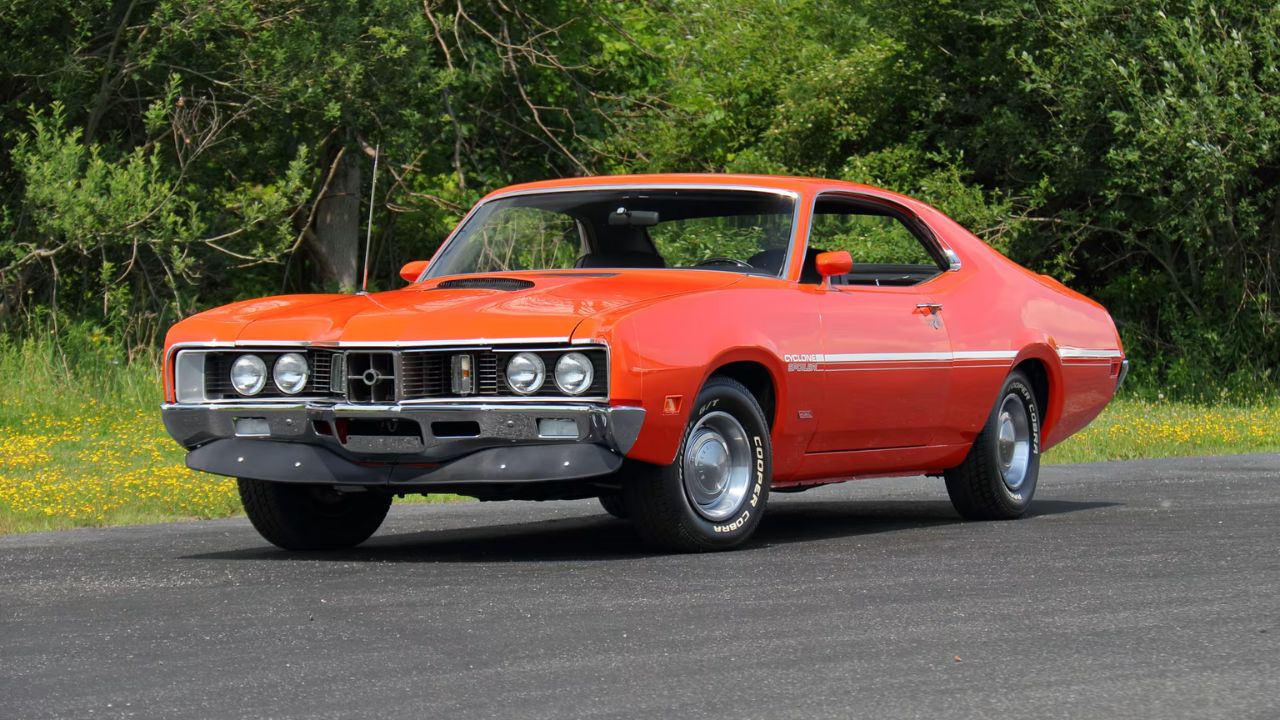
The Cyclone Spoiler package gave Mercury buyers access to serious power—especially when paired with the 429 Super Cobra Jet. The hood featured a functional scoop, feeding cold air into a sealed cleaner through a fiberglass plenum.
These weren’t just cosmetic. With 4.30 gears, Drag Pak internals, and a beefed-up suspension, the Cyclone was built to launch. The scoops made sure the SCJ engine stayed fed, and they looked perfectly at home on one of the most underrated muscle cars of the early ’70s.
1971 AMC Javelin AMX with Go Package
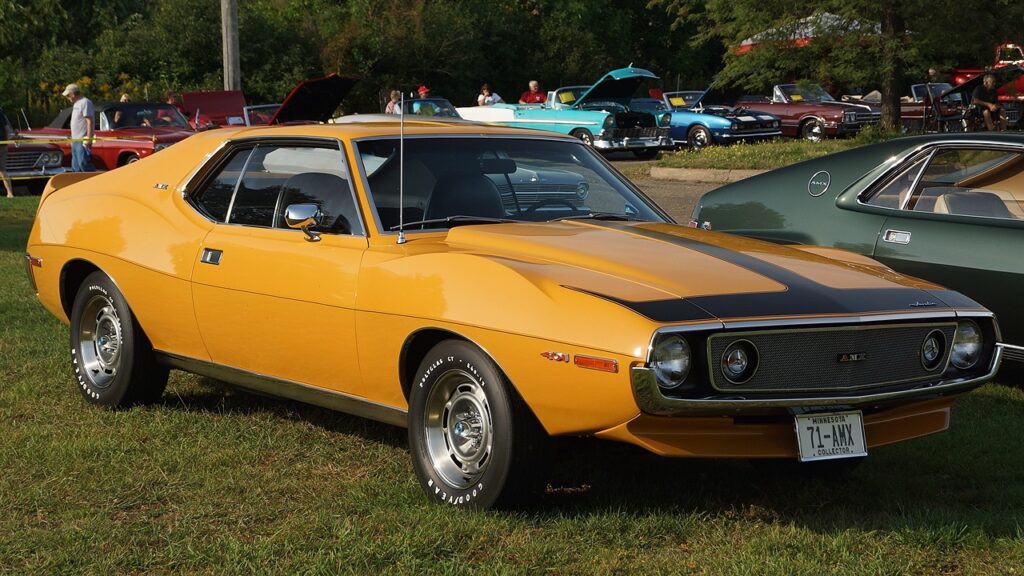
AMC’s Go Package was their way of saying they could hang with the Big Three, and the twin-scoop hood on the ’71 Javelin AMX helped sell the point. The scoops were functional, feeding air into a high-flow intake on the 360, 401, or 390 V8s.
Paired with a cowl plenum setup and optional Ram Air, these scoops gave the Javelin some real street cred. The car also had upgraded suspension and brakes as part of the Go Pack, making it one of the better all-around packages AMC ever offered.
*This article was hand crafted with AI-powered tools and has been car-fully, I mean carefully, reviewed by our editors.