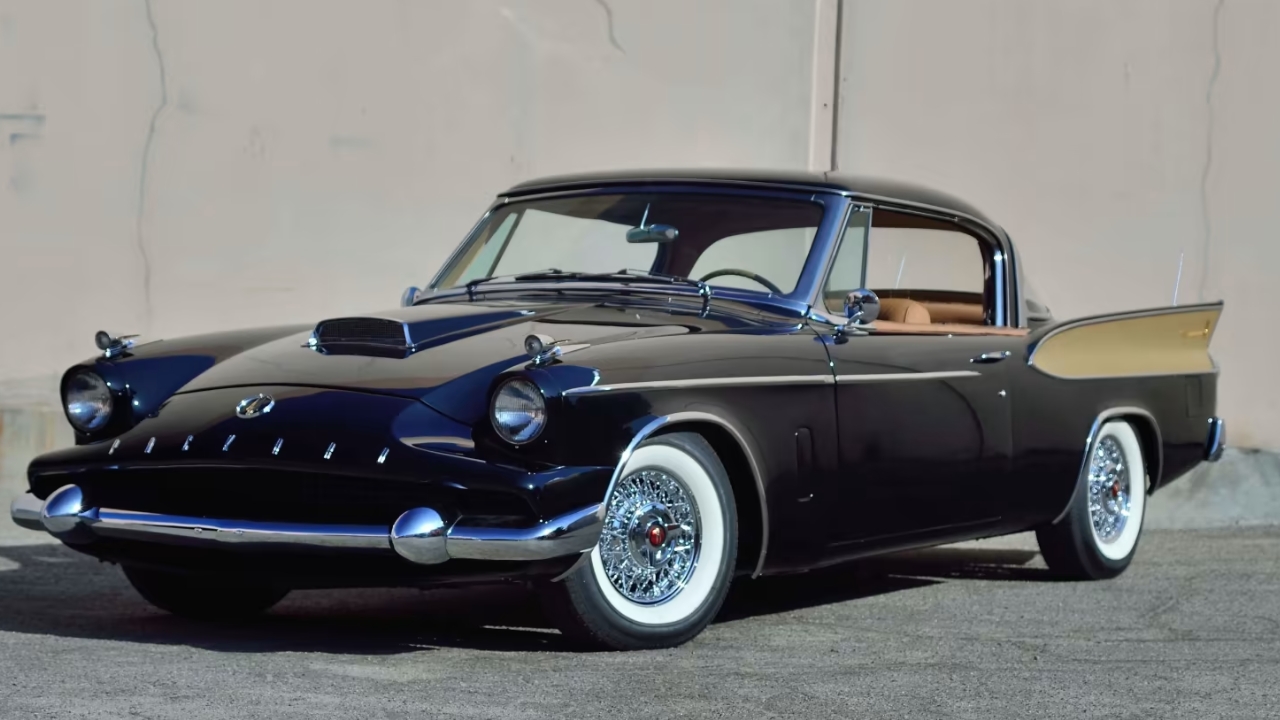
When people talk about classic American cars, names like Corvette, Thunderbird, and Eldorado come up fast. But every now and then, there’s a forgotten model that deserves more credit than it ever got. The 1958 Packard Hawk is one of those cars. It was flashy, rare, surprisingly quick—and the final gasp of a brand that helped define early American luxury.
Built during Packard’s last year in business, the Hawk tried to go out swinging. It borrowed bones from the Studebaker Golden Hawk but added styling, trim, and flair all its own. Here are 10 reasons why the Packard Hawk is still worth remembering.
1. The Final Chapter for Packard
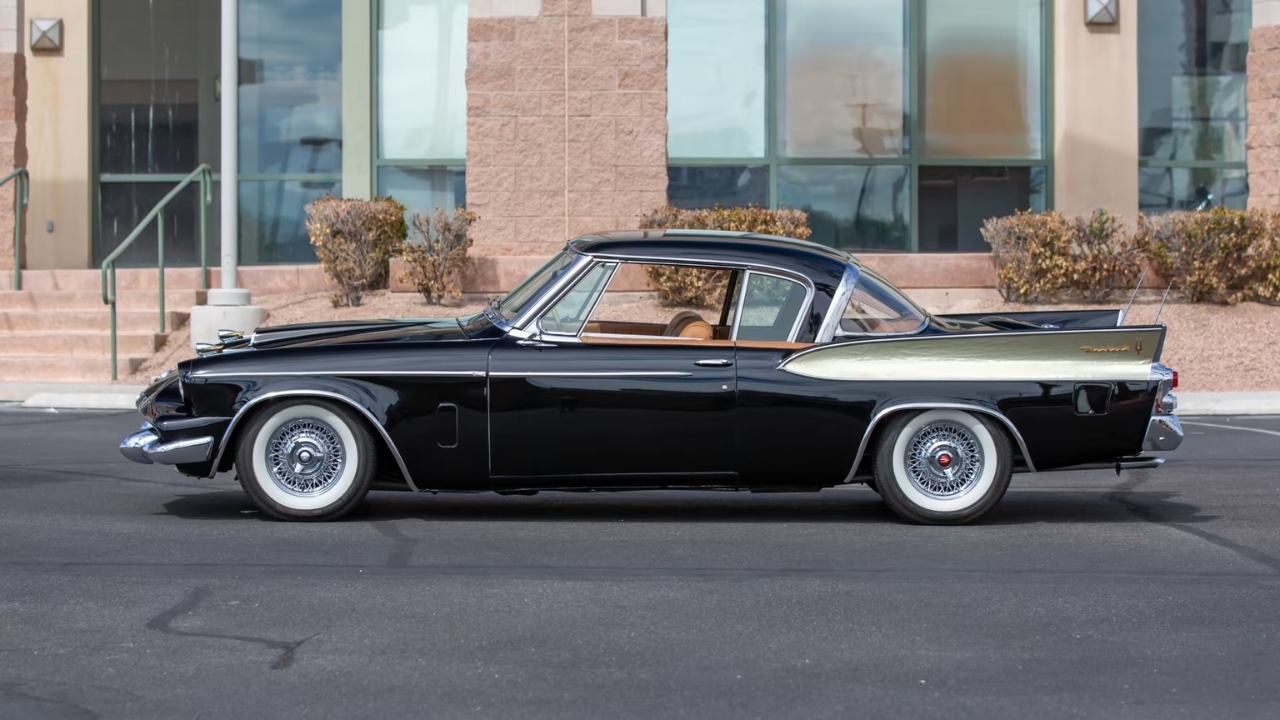
The 1958 Packard Hawk was the last car to wear the Packard nameplate before the brand disappeared entirely. Built during the short-lived merger between Studebaker and Packard, it was essentially a dressed-up Studebaker Golden Hawk—but with a far more dramatic design.
Only 588 were produced, making it not just rare, but the swan song for one of America’s oldest luxury automakers. While the rest of Detroit was turning out clean, squared-off profiles, the Hawk leaned into heavy chrome and wild curves for one last swing.
2. A Front End Only a Designer Could Love
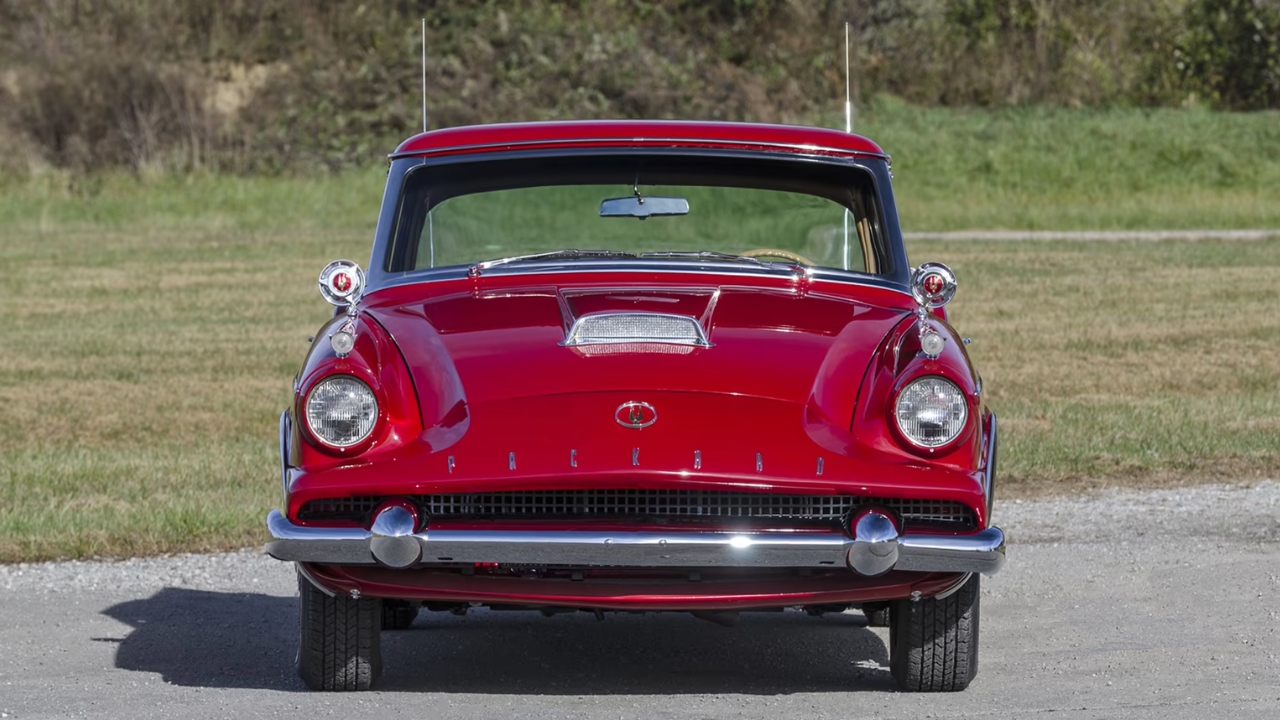
The most polarizing thing about the Packard Hawk was the front end. It ditched the upright grille of the Golden Hawk and replaced it with a wide, gaping opening that gave the car a look all its own—aggressive to some, awkward to others.
That fiberglass nose was paired with a faux hood scoop and heavily louvered side panels, giving the car a European flair Packard claimed was inspired by Maserati. It might not be to everyone’s taste, but you won’t mistake it for anything else on the road.
3. Supercharged V8 Power

Under the hood, the Packard Hawk packed real performance. It came with a 289 cubic inch Studebaker V8 topped with a McCulloch supercharger. The setup was good for 275 horsepower and a healthy 333 lb-ft of torque—pretty serious numbers for 1958.
That power was routed through a Borg-Warner Flightomatic 3-speed automatic. With the Hawk’s relatively low weight, it could hustle to 60 mph in under 9 seconds, making it one of the quickest American cars of its time. It wasn’t just style—it had substance under the scoop.
4. Lavish Interior Details

Inside, the Hawk looked more like a European grand tourer than a mid-century American coupe. It featured full leather upholstery, a turned-aluminum dash insert, and aircraft-style toggle switches. Even the floor console and padded dash gave off a high-end vibe.
Packard didn’t skimp when it came to comfort either—power steering, power brakes, and even power windows were available. For 1958, this was top-tier luxury, and it showed in the car’s fit and finish. It wasn’t just about going fast—it was meant to do it in style.
5. Sport-Tuned Suspension
While most Packards were known for soft rides, the Hawk was built for sharper handling. It featured independent front suspension with coil springs and a rear live axle with leaf springs—tuned more firmly than typical sedans from the era.
Power-assisted brakes were standard, and wide tires gave it better road grip than you’d expect from a car with this much chrome. It wasn’t a sports car by modern standards, but it was far more planted than your average boulevard cruiser in the late ’50s.
6. Golden Hawk DNA Underneath

Even though the Packard Hawk wore a different name and nose, it shared its platform with the Studebaker Golden Hawk. The two cars were nearly identical from the windshield back, including the roofline and the rear deck styling.
That means you’re looking at a Studebaker chassis, drivetrain, and mechanical setup—but dressed up in Packard’s idea of luxury. For collectors, this shared DNA makes it easier to find replacement parts, but also means it often gets lumped in with Golden Hawks rather than being celebrated on its own.
7. Unique Badging and Trim
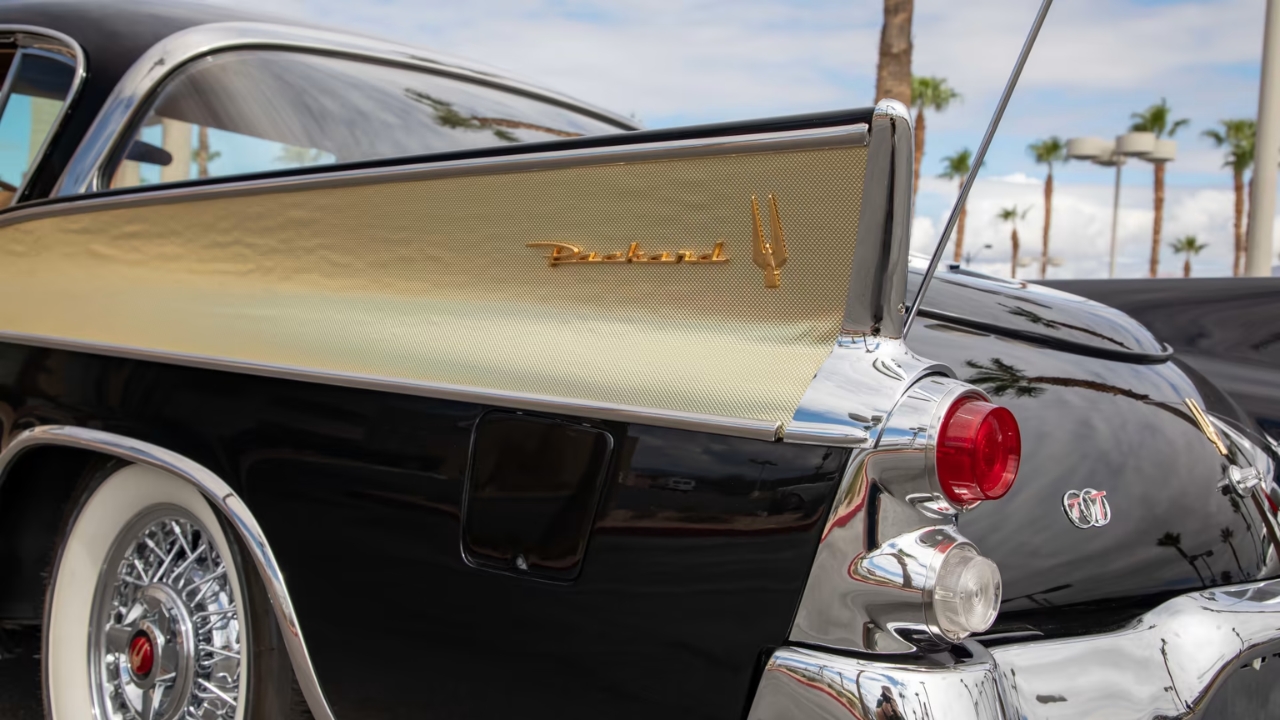
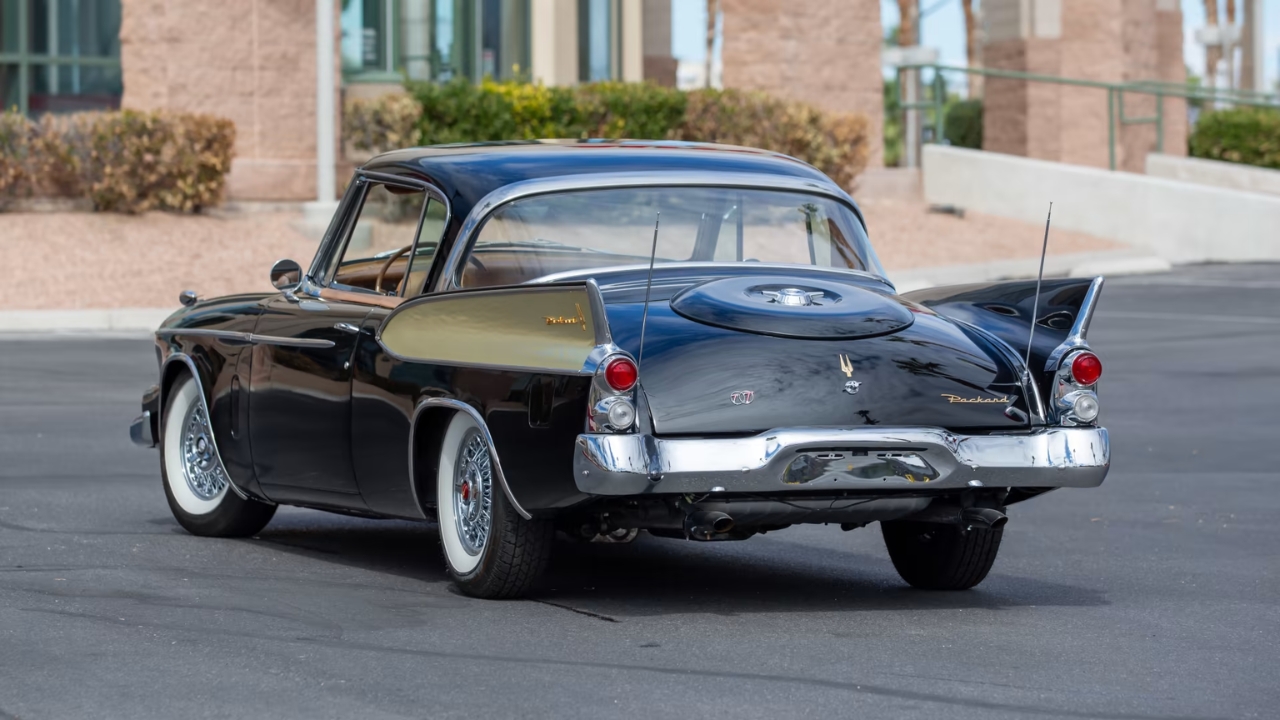
The Packard Hawk came with specific trim that didn’t show up on any other Studebaker-built model. From the stylized gold “Packard” script on the trunk to the faux spare tire outline molded into the rear deck, it had all the visual tricks of a luxury grand tourer.
It also wore unique emblems and a distinctive Hawk badge that helped set it apart. While much of the sheet metal was shared, these visual flourishes made it clear Packard wanted this car to carry its own identity—at least for one more year.
8. Priced Like a Luxury Car

In 1958, a Packard Hawk stickered for around $3,995—a hefty price tag for a personal coupe at the time. That made it more expensive than a Corvette and nearly as much as a Cadillac Series 62, which tells you how Packard wanted it positioned.
That price tag limited its audience, especially as Packard’s brand reputation had already started to fade. Still, it offered a ton of performance and high-end features for the money if buyers could look past the unconventional styling.
9. Rare Then—and Now
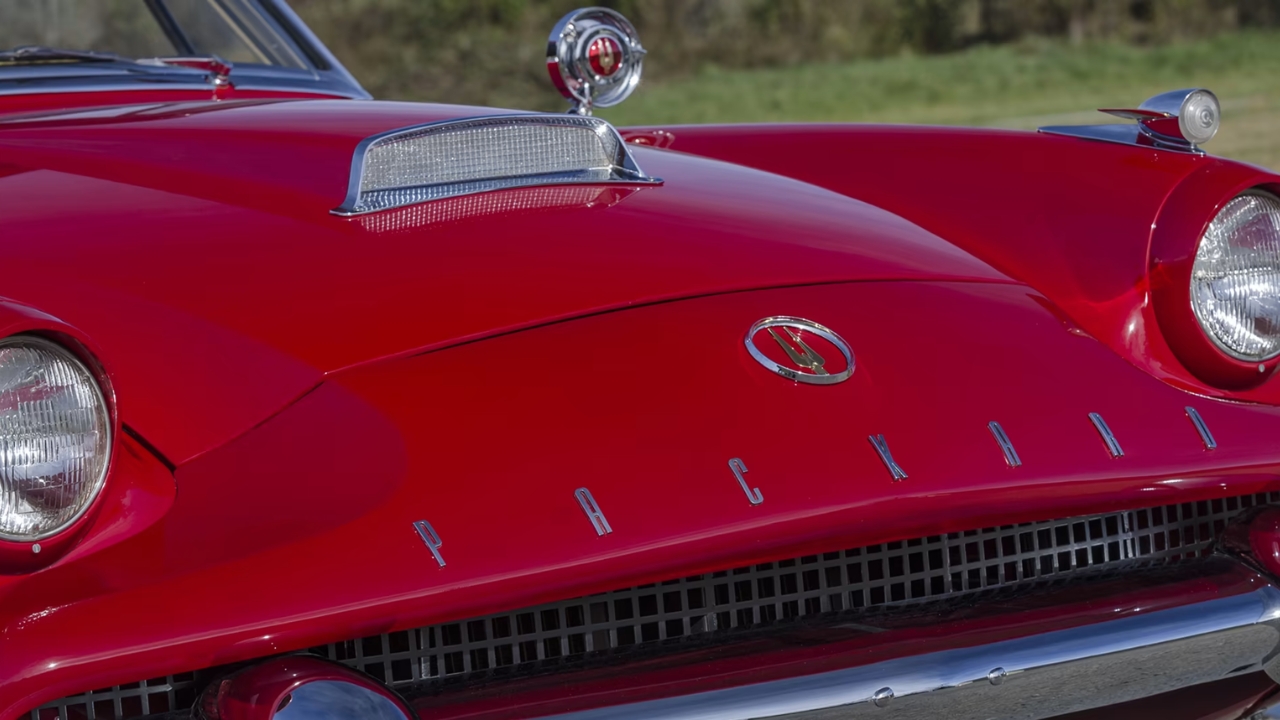
With just 588 units built, the Packard Hawk was rare from day one. Today, survivors are even harder to come by, especially in original condition. Restorations are challenging due to the unique nose and trim pieces, most of which aren’t reproduced.
Even among collectors, the Hawk is a niche car. It doesn’t have the instant name recognition of a Corvette or Thunderbird, but it turns heads at every show. It’s a car that rewards those who know what they’re looking at.
10. Still Waiting on Its Respect
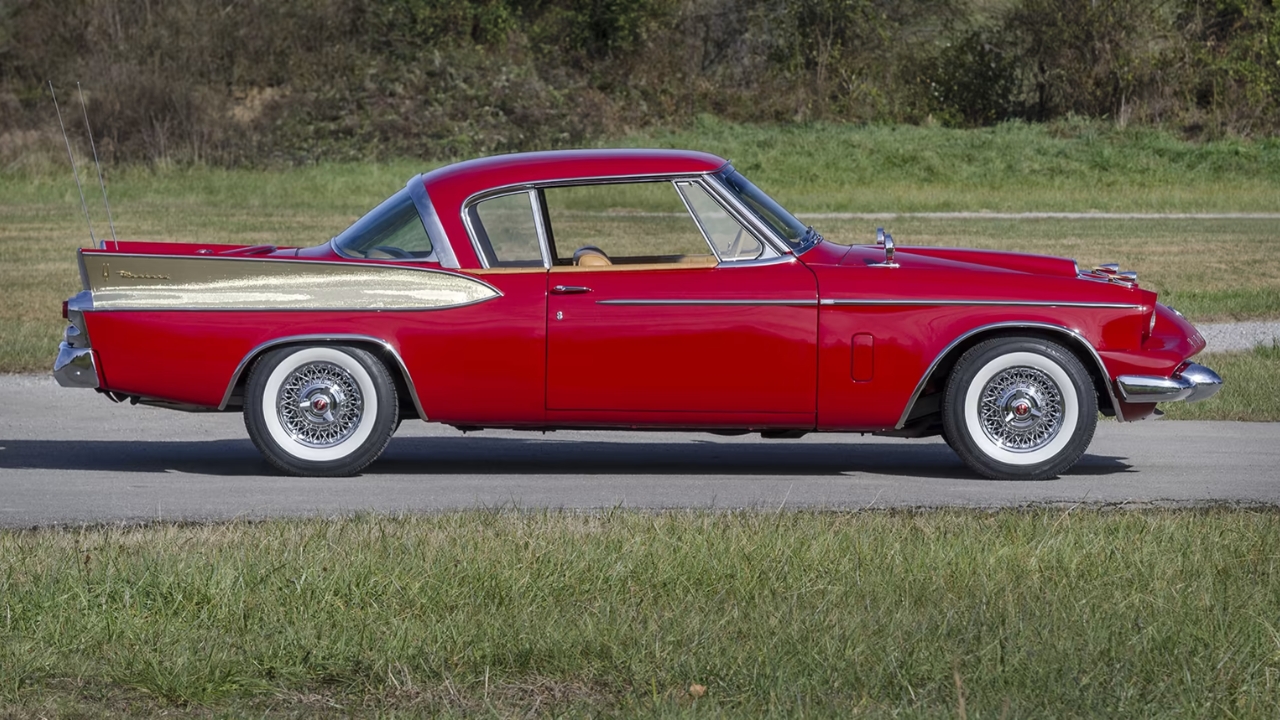
Despite all it had going for it—performance, rarity, and style—the Packard Hawk never quite found its place in the classic car spotlight. It’s often overlooked in favor of more recognizable models, even though it was faster and more luxurious than many of its rivals.
But that’s part of what makes it interesting now. It’s a piece of history from a brand’s final days, and it was swinging for the fences while others played it safe. If there was ever a car worthy of a second look, the Packard Hawk might be it.
*This article was hand crafted with AI-powered tools and has been car-fully, I mean carefully, reviewed by our editors.