It started the way a lot of modern relationship mysteries do: with a simple, familiar line. He texted that he’d be “working late,” again, and promised he’d be home as soon as he could. Nothing dramatic, nothing suspicious on its face—just another long day, another dinner getting cold.
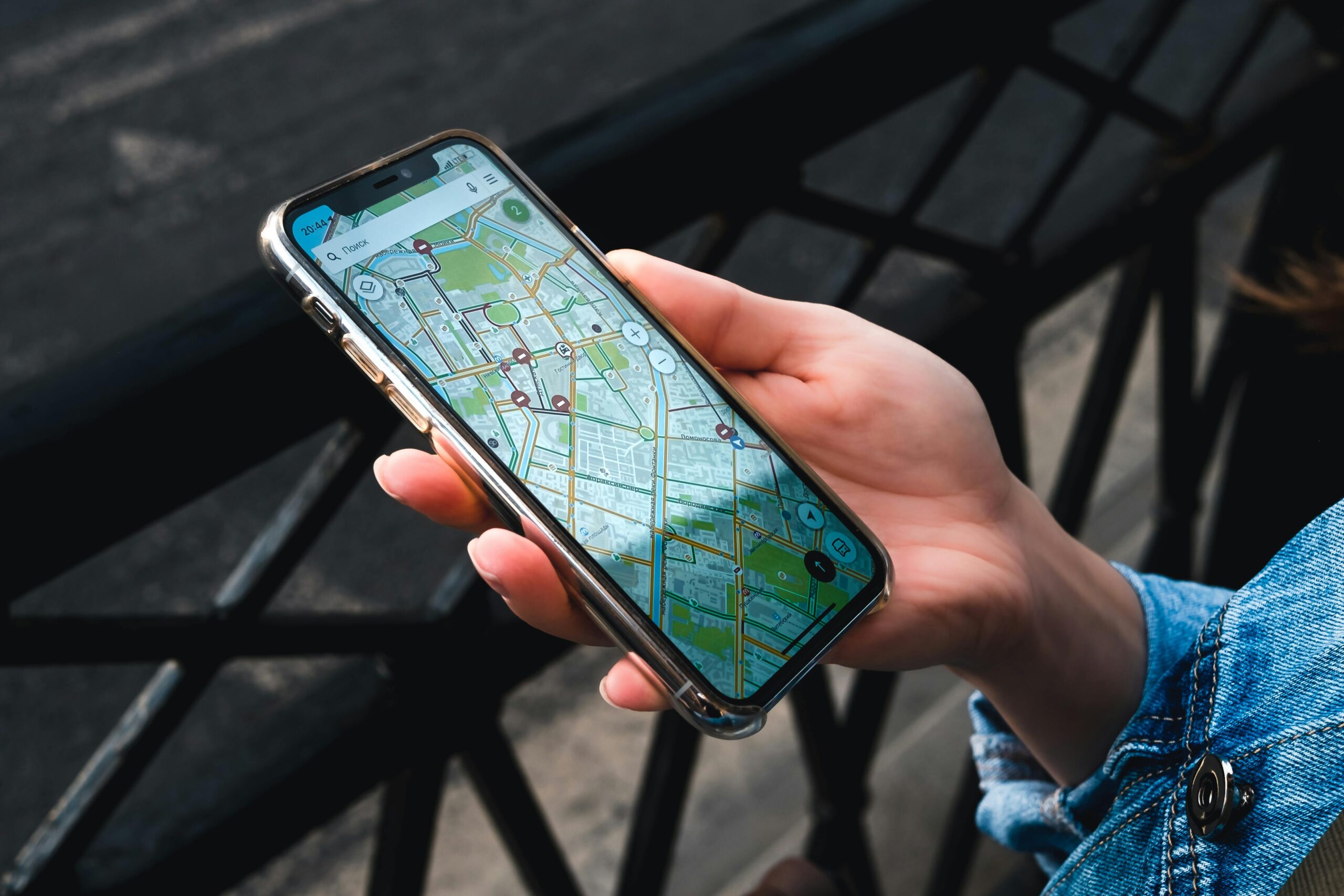
But later that night, one small detail didn’t sit right. A notification popped up on a shared device tied to the car’s navigation app, the kind most people set and forget. When she opened the location history, the story on the screen didn’t match the one in her messages.
A Familiar Routine, Until It Wasn’t
For weeks, the “late nights” had become a pattern. He’d mention a deadline, an unexpected meeting, a coworker needing help—reasonable stuff that, in the moment, sounded like the normal grind. She tried to be supportive, because life really can get busy, and most couples have seasons like that.
Still, the timing was oddly consistent. The same vague explanation, the same general window, the same “I’ll make it up to you” tone that landed somewhere between reassuring and rehearsed. It wasn’t proof of anything, but it was enough to make her pay closer attention.
The Ping That Changed the Mood
The GPS history didn’t show an office address at all. Instead, it logged several stops across town—short stays, repeated locations, and a couple of longer visits that stretched well past midnight. One address came up more than once, like it was part of a routine, not a detour.
At first, she assumed there had to be an explanation. Maybe he was carpooling, maybe a colleague had asked for a ride, maybe the app was wrong. Then she noticed the dates: each “working late” night lined up neatly with those same coordinates.
How GPS History Became a Relationship Referee
A decade ago, this kind of discovery would’ve required serious detective work. Now it can happen accidentally—through a shared family plan, a synced tablet, or a vehicle app that stores recent trips. It’s not glamorous; it’s more like finding out your fridge has been tracking your midnight snacks.
Location history isn’t perfect, though. Tall buildings can bounce signals, apps can lag, and phones can be left in cars or borrowed by someone else. But patterns are hard to explain away, especially when they keep repeating at the same places on the same nights.
Quiet Fact-Checking Before the Confrontation
Rather than confronting him immediately, she did what a lot of people do when they’re trying not to spiral: she gathered context. She checked whether the address matched any known friends, any work-related locations, any places he’d ever mentioned. It didn’t.
She also looked at the timestamps. The car arrived, stayed, then left—often in a clean, almost predictable rhythm. If he was truly at the office, it raised the obvious question: why was the “office” suddenly located behind an apartment complex on the other side of town?
The Conversation No One Wants to Have
When he came home, she didn’t lead with accusations. She asked, calmly, how work had been and what was keeping him so late. He gave the usual answer—busy, stressful, complicated—without many details, like someone trying to end a conversation quickly.
Then she mentioned the GPS history. Not dramatically, not as a gotcha, just as a fact: the car had been somewhere else on those nights. The shift was immediate—his face changed, his words slowed down, and the room got very quiet.
Denials, Explanations, and the Awkward Middle Space
According to someone close to the situation, he tried a few explanations in rapid succession. First came confusion (“That can’t be right”), then a technical angle (“The app must be wrong”), then a more personal one (“I didn’t want you to worry”). None of them lined up cleanly with the repeated addresses and long stops.
Eventually, the story moved away from “work.” He admitted he’d been spending time somewhere he hadn’t mentioned, though the exact reason stayed slippery—half-confession, half-deflection. It wasn’t the kind of clear, satisfying reveal you see on TV; it was messy, uncomfortable, and full of pauses.
Why This Kind of Discovery Hits So Hard
The thing about GPS evidence is that it feels clinical. It’s a map, a line, a timestamp—no emotion, no nuance, just “the car was here.” That starkness can make the betrayal feel sharper, even before all the facts are known.
And it can trigger a weird kind of self-doubt. If someone can calmly say they’re in one place while data shows another, it makes you question your instincts, your memory, even your ability to read the person you live with. It’s not just “Where were you?” It’s “What else have I been missing?”
The Privacy Question Nobody Agrees On
Some people will immediately ask whether checking GPS history is fair. The honest answer is: it depends on the arrangement and the expectations in the relationship. Shared accounts, family safety features, and car apps blur the lines, because the information is technically available even if it’s not routinely monitored.
Still, the bigger issue in situations like this usually isn’t the click that opened the app. It’s the pattern that led there—the growing sense that reality isn’t matching the narrative. Privacy matters, but trust is the foundation that makes privacy feel safe in the first place.
What Happens Next Is Usually the Real Story
After the initial confrontation, the focus often shifts from the location itself to what it represents. Was he hiding a friendship, an addiction, a second life, or a relationship? Was he avoiding home, or avoiding a conversation he didn’t know how to have?
People close to the couple say the next steps weren’t about instant decisions, but about clarity. She wanted a complete explanation, not a patchwork of excuses. He had to decide whether he was willing to be fully honest, even if the honesty was ugly.
A Very Modern Warning Sign
This story is circulating for a reason: it feels relatable. Not because everyone is dealing with deception, but because so many couples now live with quiet digital receipts—location sharing, read receipts, bank alerts, camera doorbells. They’re handy for everyday life, and they can also become unintentional lie detectors.
If there’s a takeaway people seem to agree on, it’s simple. When someone’s words and patterns don’t match, pay attention—gently, steadily, without jumping to conclusions. And if you’re the one telling the story, remember that in 2026, “working late” isn’t just a sentence anymore; it’s a claim that reality can fact-check.
More from Fast Lane Only
- Unboxing the WWII Jeep in a Crate
- 15 rare Chevys collectors are quietly buying
- 10 underrated V8s still worth hunting down
- Police notice this before you even roll window down
*Research for this article included AI assistance, with all final content reviewed by human editors.