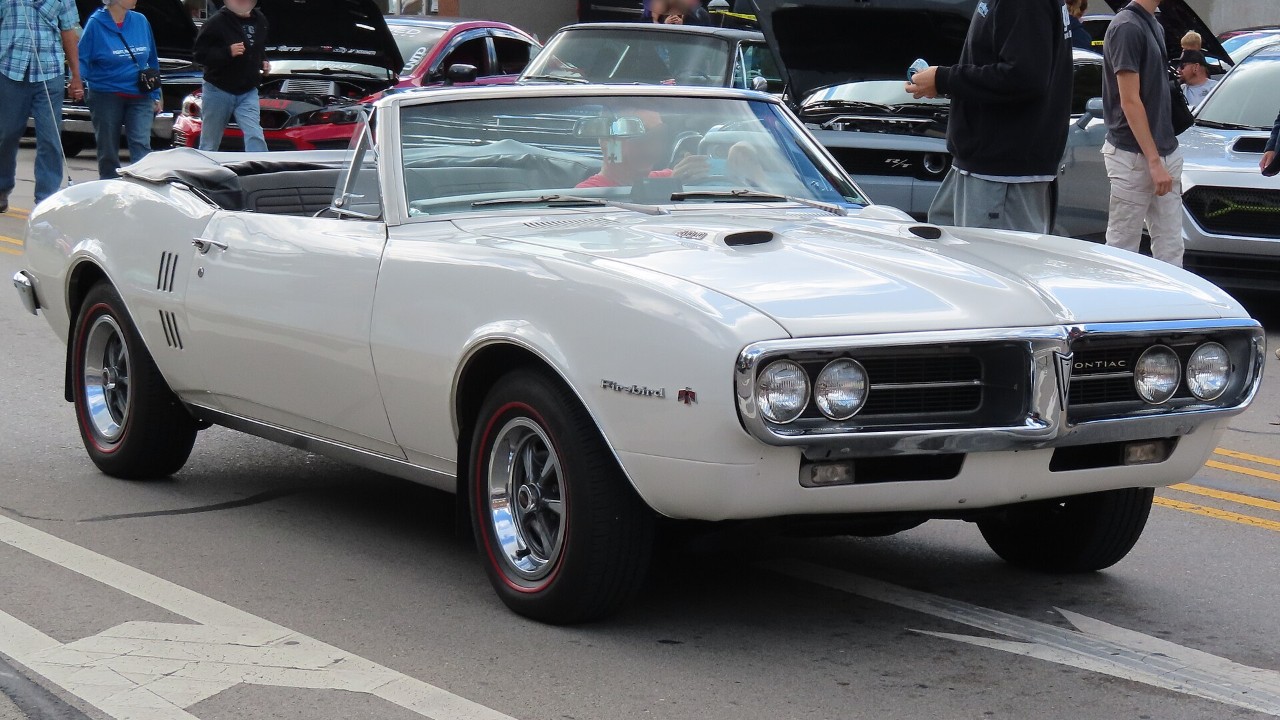
During the peak of the muscle-car era, manufacturers competed fiercely to build faster and more intimidating street machines. Horsepower climbed rapidly while tires, brakes, and suspension technology struggled to keep up. The result was a generation of cars that felt thrilling but genuinely dangerous when pushed hard. These muscle cars blurred the line between street transportation and barely controlled racing machines.
Plymouth HEMI Superbird
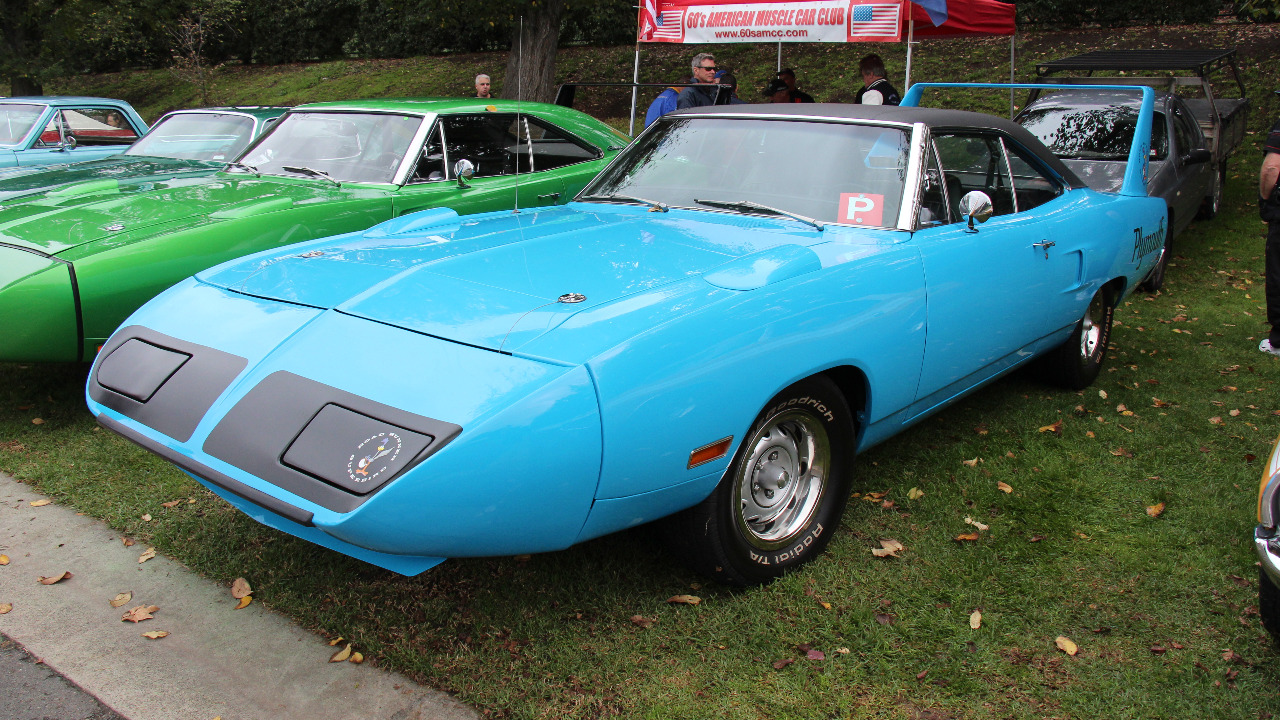
The Plymouth HEMI Superbird pushed street performance into extreme territory by combining outrageous aerodynamic design with the brutal 426 HEMI engine. Built primarily to dominate NASCAR, the Superbird carried race-inspired engineering directly onto public roads. Its towering rear wing and pointed nose looked intimidating, but the real danger came from massive power delivered through narrow bias-ply tires. At high speeds, the car felt more like a competition machine than an ordinary street vehicle.
Chevrolet Camaro ZL1 1969
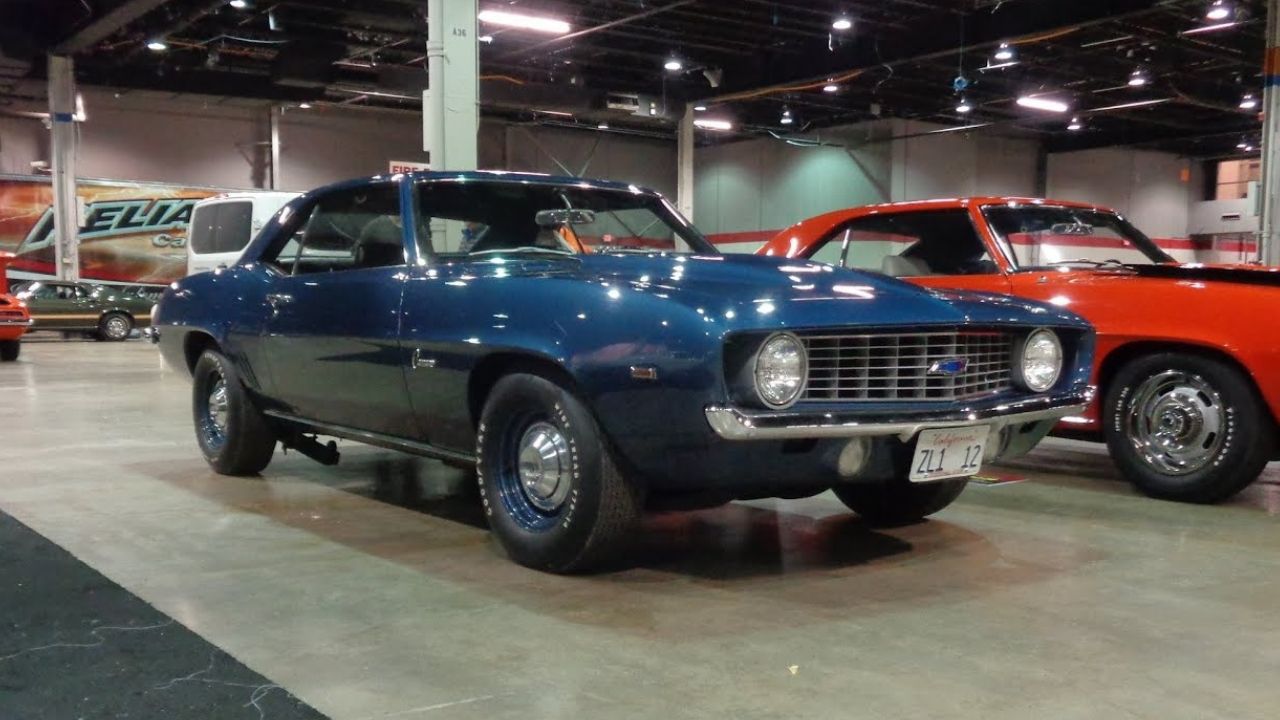
The Chevrolet Camaro ZL1 1969 became infamous because its lightweight aluminum 427 V8 created performance levels few street drivers could realistically handle during the late 1960s. Originally designed with drag racing in mind, the ZL1 delivered explosive acceleration that overwhelmed available traction instantly. Minimal electronic assistance and primitive tire technology made controlling the car under full throttle genuinely difficult. Its rarity and extreme performance helped establish it as one of Chevrolet’s wildest factory-built muscle cars.
Dodge Dart GTS 440
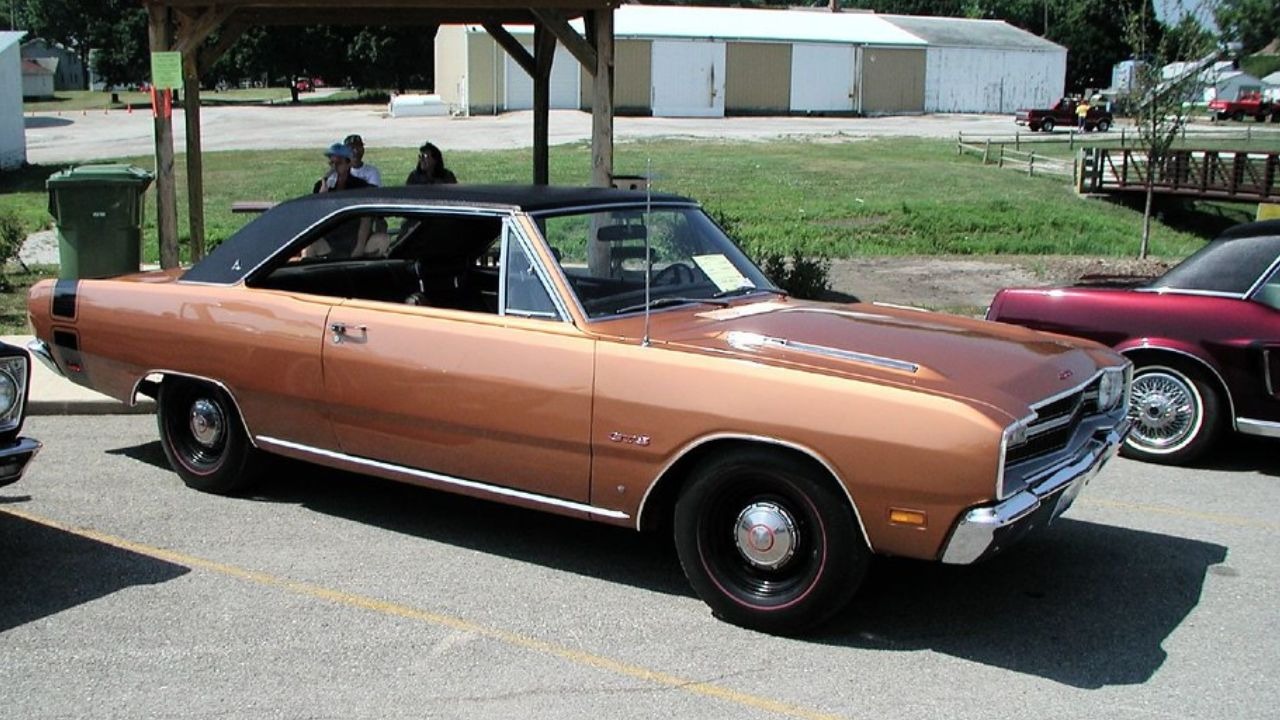
The Dodge Dart GTS 440 bordered on absurdity because Chrysler installed a gigantic 440 cubic-inch V8 into a compact lightweight body never truly designed for that level of power. The result produced brutal straight-line acceleration but unpredictable handling and severe traction problems. Even modest throttle inputs could overwhelm the rear tires instantly. Drivers quickly learned the Dart GTS 440 demanded caution and respect because its performance exceeded the limits of its chassis.
Pontiac Firebird Trans Am SD-455
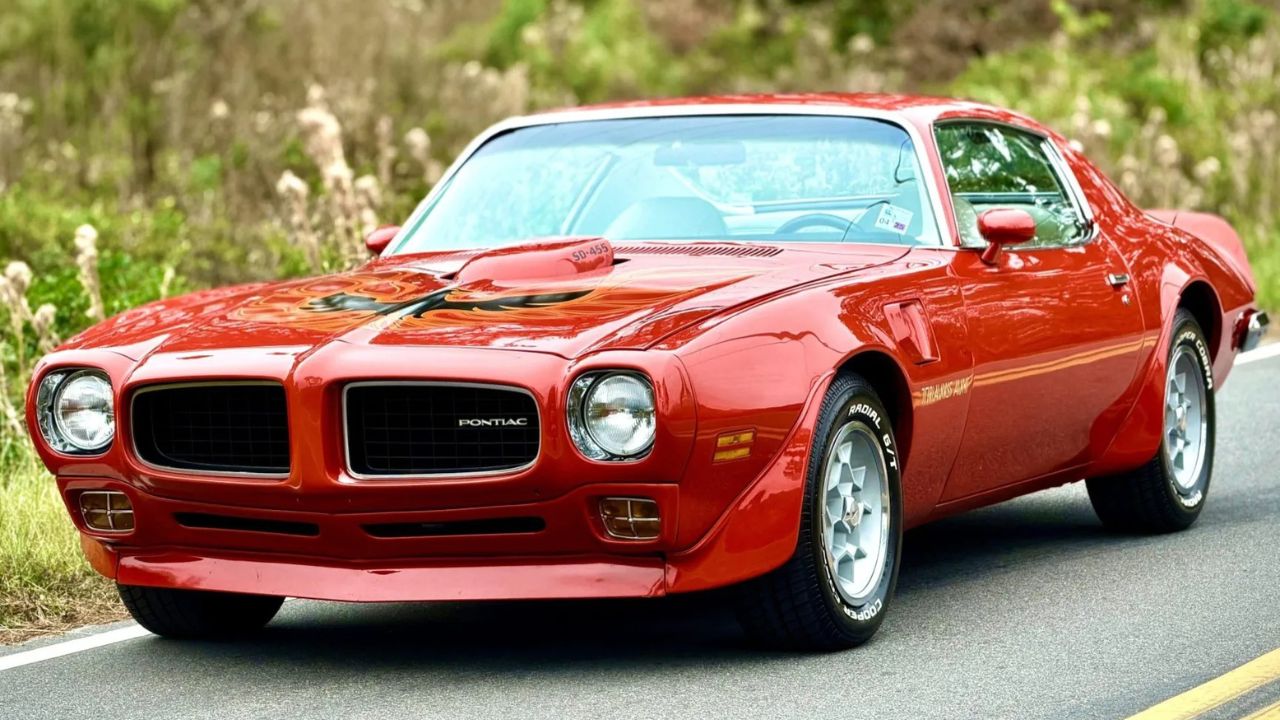
The Pontiac Firebird Trans Am SD-455 preserved serious street performance during the emissions era through Pontiac’s incredibly strong Super Duty 455 engine. Massive torque and aggressive power delivery gave the car intimidating acceleration despite tightening regulations. Combined with dramatic styling and a loud exhaust note, the SD-455 felt rebellious and untamed compared to softer competitors. Drivers respected its ability to break rear traction easily under hard acceleration even in ordinary street conditions.
Ford Mustang Boss 429

The Ford Mustang Boss 429 felt dangerous because its enormous semi-hemi V8 transformed the Mustang into something closer to a street-legal race car. The engine’s huge power output and heavy front-end weight created handling challenges unfamiliar to inexperienced drivers. Steering effort, braking distances, and throttle response all required skill to manage properly. Ford essentially built the Boss 429 so the engine could qualify for NASCAR competition, but the street version remained brutally demanding.
Buick GSX Stage 1
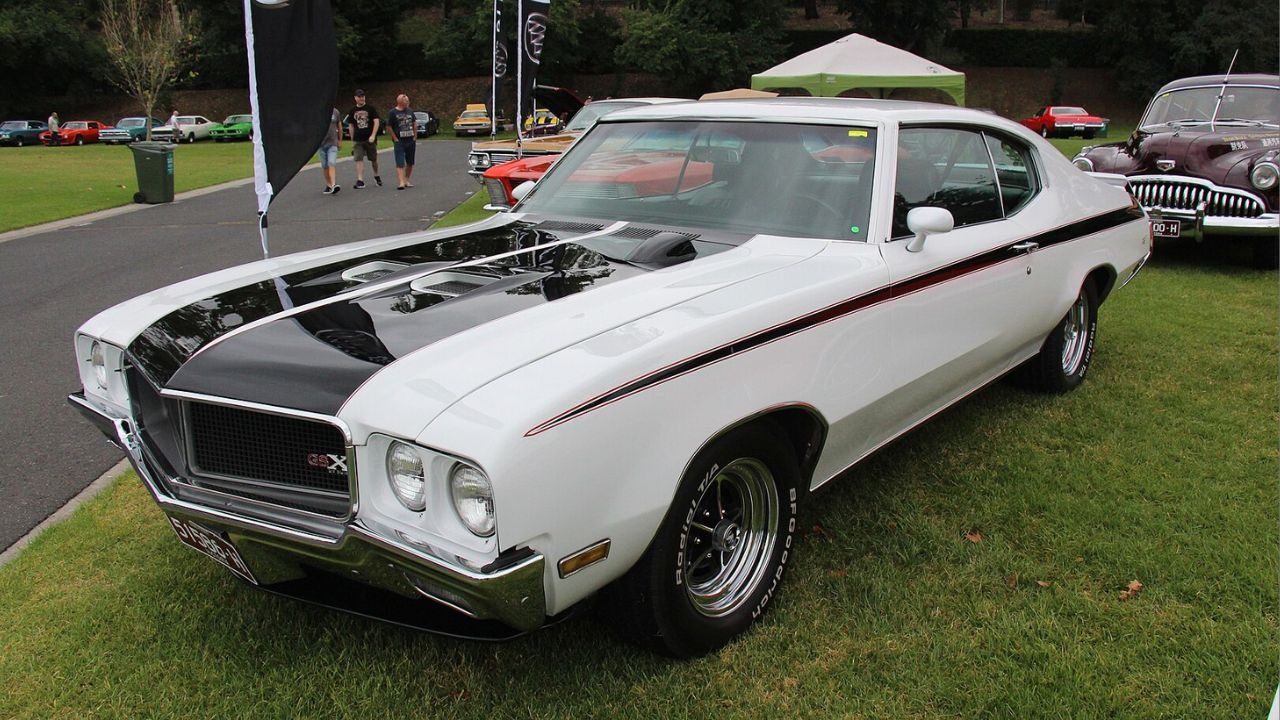
The Buick GSX Stage 1 shocked drivers because its immense low-end torque arrived instantly and violently. Buick’s Stage 1 455 V8 generated enough twisting force to destroy traction at almost any speed, making the car feel deceptively dangerous beneath its luxury-oriented image. Bright paint schemes and aggressive styling only amplified its intimidating personality. Drivers quickly discovered the GSX could become difficult to control if the throttle was used carelessly on imperfect roads.
AMC Rebel Machine
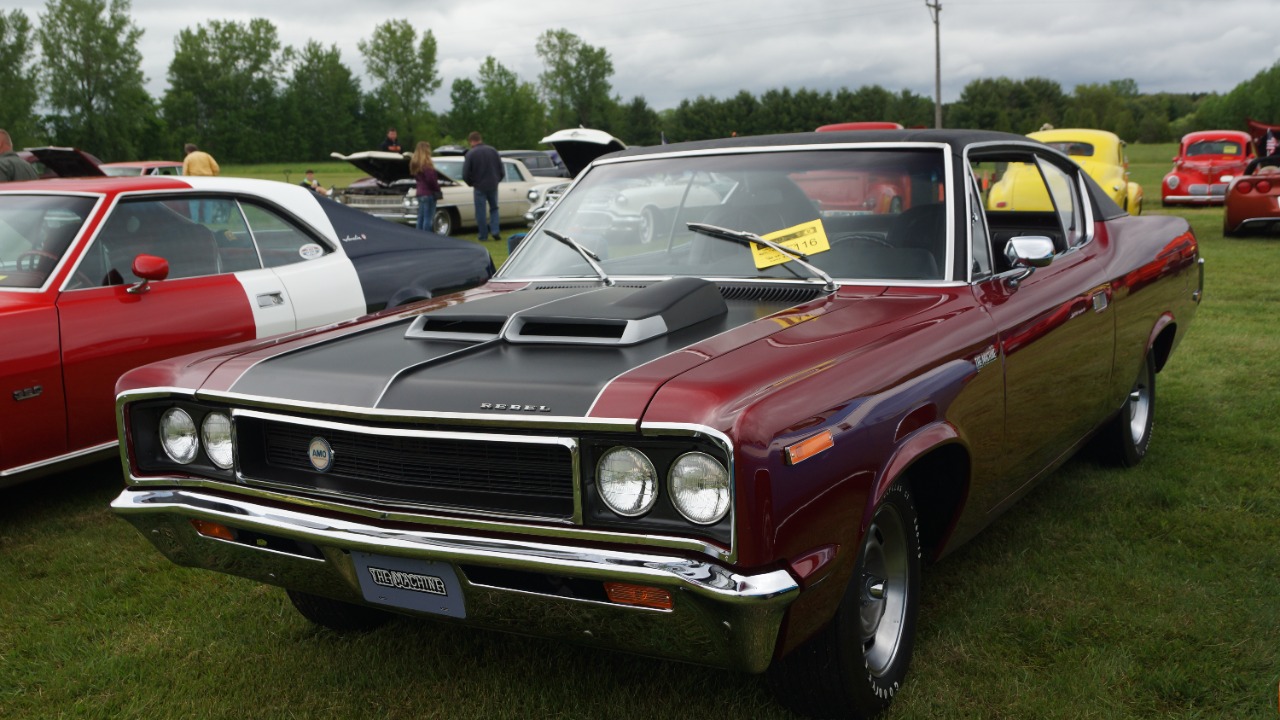
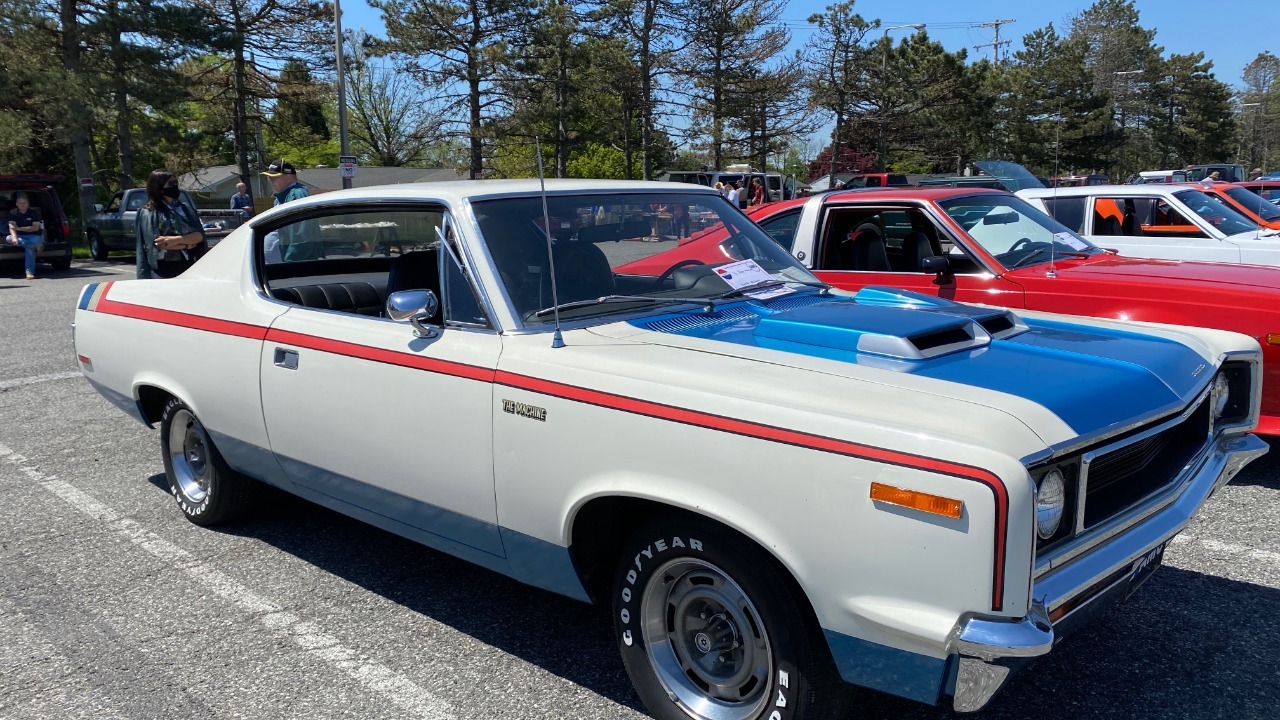
The AMC Rebel Machine proved smaller manufacturers could still build truly intimidating street machines during the horsepower wars of the late 1960s. Its powerful 390 V8 delivered aggressive acceleration in a midsize platform that sometimes struggled to contain the engine’s output effectively. Bold graphics and patriotic styling made the Rebel Machine impossible to ignore visually, while its raw performance kept drivers alert constantly. The car captured the dangerous unpredictability that defined America’s most extreme muscle era.
More from Fast Lane Only