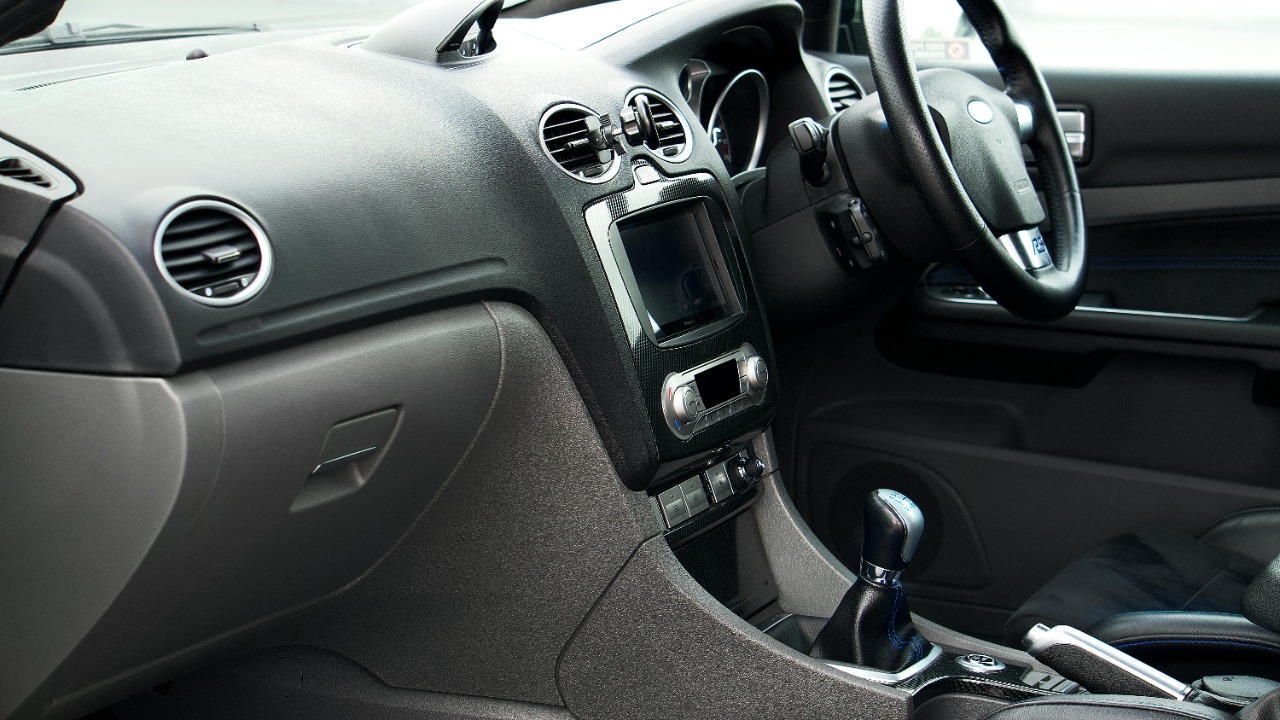
When Alex Torres put down a deposit for a new sport compact last fall, the request was simple: same trim, same color, one specific detail that mattered a lot—three pedals. The sales rep nodded, wrote “manual” on the order sheet, and told Alex it should be a straightforward wait. Months later, the call finally came in: the car had arrived.
Except it didn’t. Not really. The car on the lot matched the paperwork in almost every way, but the shifter was the wrong kind, and the clutch pedal was nowhere to be found. When Alex asked what happened, the dealer’s explanation landed with a thud: manuals are “allocation dependent.”
A promise made at the desk, a surprise on the lot
Alex describes the moment as that specific kind of confusion where you’re sure you misheard something. “I literally ordered the manual,” Alex said. “It was the whole point. And they acted like it was normal—like, ‘Oh yeah, we can’t always get those.’”
The dealership, contacted for comment, didn’t dispute that the request was made. A manager said the store “submitted the customer’s preference,” but the manufacturer ultimately decides what each dealer receives. In other words, they can ask, but they can’t always get.
So what does “allocation dependent” actually mean?
“Allocation” is one of those industry words that sounds like it belongs in a shipping warehouse, because it does. Many automakers don’t build every car strictly to individual custom orders; instead, they produce batches and distribute vehicles to dealers based on sales history, regional demand, and what’s available at the factory.
That distribution is the “allocation.” If the factory is building fewer manuals—or sending them mostly to certain regions—your local dealer might not be able to snag one, even if they put in a request. And if the dealer didn’t clearly explain that up front, it can feel like you ordered a sandwich and got told the bread was “inventory dependent.”
Why manuals are suddenly harder to pin down
Manual transmissions have been shrinking in the market for years, but the squeeze is more noticeable lately. Automakers say demand is low, and modern automatics and dual-clutch gearboxes often deliver better fuel economy and faster performance numbers. Add emissions rules, certification costs, and the sheer complexity of building multiple drivetrains, and manuals become the first thing to get trimmed.
There’s also a practical manufacturing wrinkle: fewer manual builds means fewer parts in motion—literally. When a plant is juggling supply constraints, it’s easier to standardize around the drivetrain most people buy. The result is that manuals, when they exist at all, can show up as limited runs, special packages, or “we’ll see what the factory gives us” deals.
What customers think “order” means vs. how dealerships use the word
Here’s the disconnect that keeps popping up. Shoppers hear “order” and assume it’s like ordering a laptop: you pick the specs, the factory builds your exact configuration, and a tracking number appears like magic. Some brands do operate close to that model, but many don’t, and even the ones that do can have caveats.
Dealers, meanwhile, may use “order” to mean “we’ll request it” or “we’ll locate one,” which is more like making a wish list and hoping the next shipment grants it. If that nuance isn’t spelled out—preferably in writing—people understandably feel misled when the car arrives wrong.
Could the dealer have handled it better? Almost certainly
Several consumer advocates say the biggest issue isn’t allocation itself, but communication. If a manual transmission is uncertain, that should be framed as uncertain from day one, not after the vehicle shows up with an automatic. A clear paper trail matters, especially when deposits and long waits are involved.
Alex says the paperwork included the model and trim, but the transmission detail lived mostly in notes and text messages. “It wasn’t like they hid it,” Alex said. “But it also wasn’t treated as the one non-negotiable thing.”
What you can do if this happens to you
If your “ordered” vehicle arrives with the wrong transmission (or any non-negotiable feature), start by asking for the store’s vehicle inquiry report, build sheet, or factory order/locate request—whatever document shows what was actually submitted. If the dealer truly requested a manual and the factory substituted an automatic, the paper trail will usually show a change or a mismatch in codes.
Next, clarify your options in plain language: can they dealer-trade for a manual, place a new request, or locate one in another region? If they can’t, ask for your deposit back—especially if the transmission was listed as a requirement in any signed document. In many places, deposits are refundable if the dealer can’t provide the agreed-upon configuration, but policies vary, so get it in writing.
How to avoid the “allocation dependent” surprise next time
If you’re shopping for something niche—manual transmission, specific towing package, unusual color—ask one blunt question early: “Is this a true factory order, or an allocation request?” If the answer sounds fuzzy, follow up with: “What does the contract guarantee, and what is just a preference?” It’s not rude; it’s you saving future-you a headache.
It also helps to request the exact option codes on the buyer’s order and to make the transmission a line item, not a casual note. A surprising number of misunderstandings come down to one detail living in a salesperson’s memory instead of on a signed page.
The broader takeaway: manuals aren’t dead, but they’re definitely slippery
Manual fans still exist, and some models continue to cater to them, but the buying process can feel like hunting for a specific vinyl pressing in a world that’s mostly streaming. You might find it quickly, or you might be told it’s “limited,” “regional,” or “not in the next shipment.” None of that is automatically a dealbreaker—until someone sells it like a sure thing.
As for Alex, the decision is still up in the air. “They offered me a small discount to take the automatic,” Alex said. “It’s a nice car, but I didn’t wait months to compromise on the one thing I care about.” For now, Alex is weighing a longer wait, a wider search radius, or walking away entirely—three options that, ironically, all require a bit of shifting.
More from Fast Lane Only