It’s the kind of phrase that can make your stomach drop while you’re already having a bad day: “Sorry, your coverage is geographically limited.” One minute you’re relieved because you paid for roadside assistance through the manufacturer, and the next you’re wondering if you accidentally bought a protection plan for a different planet. The tow operator’s truck is right there, your car is right here, and somehow the map has become your enemy.
This scenario is popping up more often in consumer complaints and roadside-assistance forums, especially as more drivers rely on manufacturer-branded plans instead of the old standbys. The confusion usually isn’t about whether you have coverage, but about where it applies, who’s allowed to provide the tow, and how far they’ll take you before the meter starts running on your dime.
What “geographically limited” usually means (and why it sounds so suspicious)
Most manufacturer roadside plans are real coverage, but they’re not always “tow me anywhere, anytime, no questions asked.” “Geographically limited” can mean your plan only operates in certain countries (U.S. only, for example), only in the continental U.S., or only within a service network that doesn’t extend to rural areas. Sometimes it’s even tied to where the vehicle was originally sold or registered.
And then there’s the sneakier version: it’s not that service is unavailable where you are, it’s that the plan caps how far they’ll tow you for free. In other words, they’ll dispatch a truck, but they may only cover, say, the first 10, 15, or 25 miles. Beyond that, you’re paying the difference—often at roadside “right now” rates.
How manufacturer roadside assistance actually gets delivered
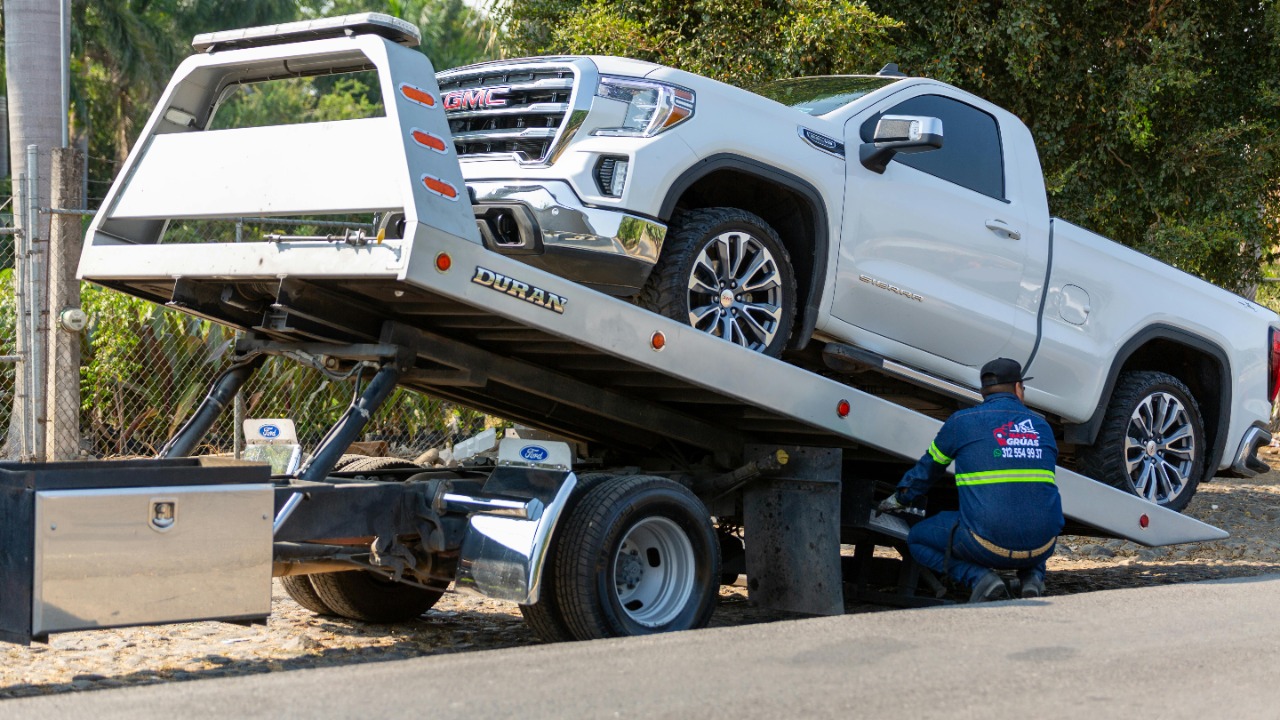
Here’s the part that catches people off guard: the manufacturer typically isn’t sending a factory-owned tow truck with a logo on the side. Most of the time, your call goes to a roadside assistance administrator (a third-party dispatch center) that then hires a local towing company from its network. That tow company is an independent business, and they’re juggling dispatch rules, local pricing, and what they’re willing to do under the contract.
That’s why you can have a plan that says “24/7 towing included,” yet still get pushback at the curb. The operator may be looking at their work order and seeing limitations—distance caps, approved destination types, or an “out of area” note. The operator might also be trying to avoid a job that pays poorly through the network compared with a cash call.
The most common fine-print limits drivers don’t notice until they’re stranded
The biggest one is the mileage limit. Many plans include towing, but only to the nearest dealership, the nearest authorized repair facility, or the nearest “qualified” shop. If you request a specific location—your home, your favorite mechanic across town, the dealership 40 miles away because you like their coffee—your plan may cover only part of it.
Another common limitation: the plan might only cover certain types of incidents. A mechanical breakdown may qualify, but an accident tow might be excluded or handled differently. Some plans also don’t cover off-road recovery, getting pulled out of mud or snow, or towing from places that require special equipment (parking garages with height restrictions are a classic headache).
Also, watch for vehicle eligibility details. Larger vehicles, dually pickups, lifted trucks, or cars with special equipment can trigger “special handling” fees. Your plan might cover the basic tow, but not the extra labor or equipment, which can feel like a loophole when you’re the one holding the invoice.
When the tow operator says no: what you can do in the moment
First, ask the operator to show you the dispatch notes or work order that explains the limitation. You’re not trying to start an argument; you’re trying to figure out whether the restriction is real or a misunderstanding. If the operator can’t clearly explain it, that’s your cue to pause before signing anything.
Second, call the roadside assistance number back while the operator is there. Ask the dispatcher to confirm three things out loud: whether you’re covered at your current location, how many miles are included, and what destinations are covered. If the dispatcher confirms coverage, ask them to speak directly to the tow company or update the work order with clearer authorization.
Third, if you’re being asked to pay out of pocket, ask for a written breakdown before you agree. Is it mileage beyond the included limit? After-hours charges? Special equipment? Storage? A lot of disputes come down to vague “extra fees” that become very specific once you request an itemized list.
Reimbursement can be the backup plan (but you’ll want receipts like it’s tax season)
Some manufacturer plans allow reimbursement if they can’t locate a provider or if you’re in an area where the network is thin. That can be a lifesaver, but it’s not automatic. You may need pre-authorization, and you’ll almost certainly need documentation: the receipt, the tow company’s info, the date and time, pickup and drop-off locations, and a reason for the tow.
If you’re forced to pay, take photos of any paperwork before it disappears into a glove box black hole. Keep screenshots of call logs, and write down the name of the dispatcher you spoke with. Reimbursement processes move a lot faster when you can provide a clean paper trail instead of “it was a Tuesday… I think.”
Why this keeps happening: the gap between marketing and operations
Manufacturer plans are often sold as a perk—sometimes bundled with a warranty, sometimes offered as a paid add-on—so the messaging tends to be simple: “Roadside assistance included.” But the operational reality is a patchwork of regional towing networks, contract terms, and local availability. The plan may be solid, yet still imperfect at the edges of the map or in high-demand moments.
It doesn’t help that “geographically limited” is a catch-all phrase. It can mean “your plan doesn’t cover this state,” but it can also mean “we can cover it, just not the way you’re asking.” When you’re stranded, those are very different statements—and only one of them should end with you paying for a tow you thought you already bought.
How to check your coverage before you need it (future-you will be smugly grateful)
If you’ve got manufacturer roadside assistance, pull up the official terms in the app, owner portal, or warranty booklet and search for towing limits. Look for mileage caps, destination rules, excluded areas, and whether the coverage changes after the basic warranty ends. It’s not thrilling bedtime reading, but it’s better than learning policy language on the shoulder of a highway.
It’s also worth saving two numbers in your phone: the manufacturer roadside line and your insurance roadside line (if you have it). If one can’t dispatch quickly or gets weird about geography, the other may get you moving. And if you travel across borders—Canada, Mexico, or even just remote corners of the U.S.—confirm in advance whether your plan follows you or politely stays home.
What to say when you file a complaint or escalate
If you feel you were wrongly denied coverage, keep it simple and specific when you escalate: where you were, what you requested, what you were told, and what it cost you. Ask the manufacturer or administrator to point to the exact policy language that supports the denial. If they can’t, you’ve got a stronger case for reimbursement or a goodwill credit.
And if you did get hit with unexpected charges, ask whether the tow company was an approved provider and whether the work order matched the plan terms. Sometimes the issue is a dispatch error that can be corrected after the fact. Sometimes it’s a provider going rogue with fees that weren’t authorized.
Either way, that phrase—“geographically limited”—shouldn’t be the end of the conversation. With a couple of pointed questions and a little documentation, you can usually find out whether it’s a legitimate boundary, a mileage cap in disguise, or just a confusing handoff between the brand you trust and the local truck that showed up.
More from Fast Lane Only