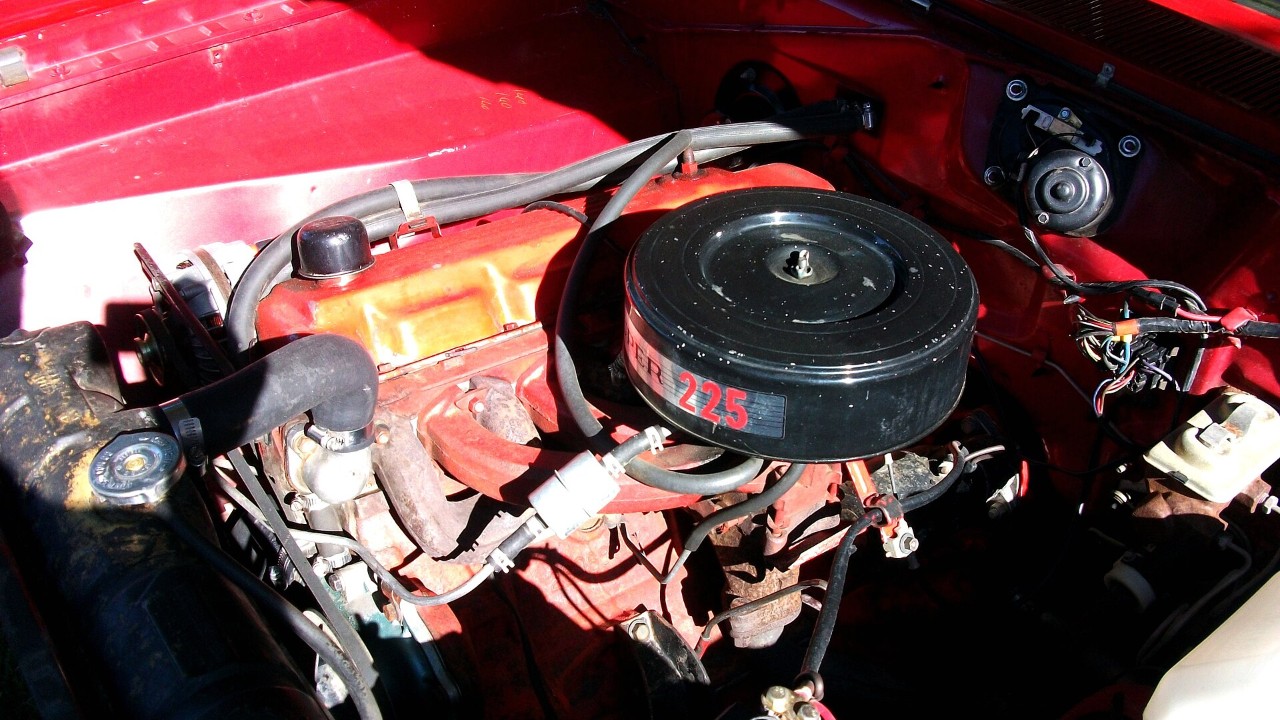
An inline-six lines all six cylinders up in a single row. That simple layout sits under some of the hardest-working engines ever built. Four of the five here come from Japan. Three of them are big inline-six diesel engines from Land Cruisers and the Nissan Patrol. The fifth, by contrast, comes from Detroit and leans over at an angle. Each one earned its durability reputation through design choices you can point to on the block.
1. 1960–1987 Chrysler Slant-6 225
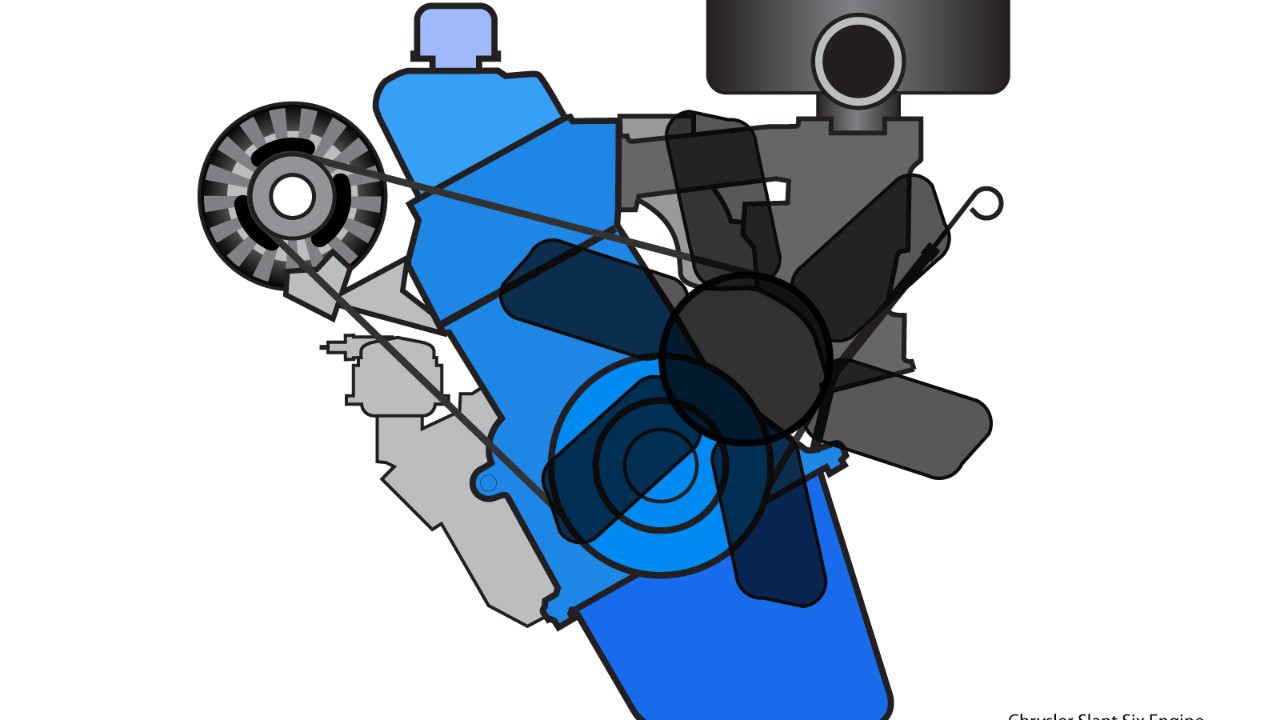
Chrysler’s engine team, led by Willem Weertman, laid the cylinders over 30 degrees to the right. At first, Plymouth called it the “30-D” for that angle. In 1960 the tall-deck 225-cubic-inch version made 145 horsepower at 4,000 rpm. Meanwhile, the water pump moved beside the block instead of in front, which shortened the engine by about four inches.
The toughness came from a “sturdy, deep-skirted block and short, stiff crankshaft,” according to Mac’s Motor City Garage. The site calls it one of the most rugged engines Detroit ever produced. That’s why it went on to drive marine outdrives, portable welders, combines and irrigation pumps. Car production ended in 1983, trucks followed in 1987, and industrial engines ran until 1991.
2. Toyota 1HZ inline-six diesel
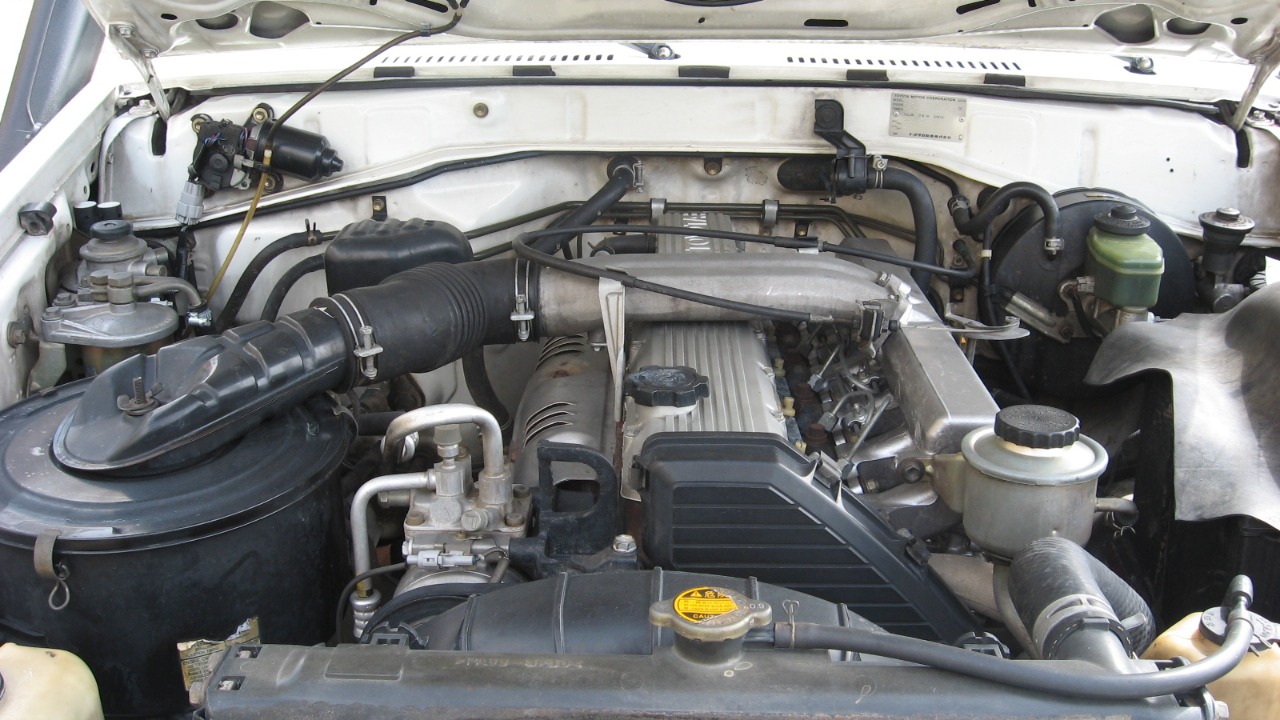
The 1HZ never chased power. Instead, Toyota gave this 4.2-liter engine a single overhead cam, 12 valves and no turbocharger. Toyota then rated it at just 129 horsepower and 285 Nm of torque. From 1990 onward it powered several Land Cruisers, including the 76, 78 and 79 of the 70 Series.
That modest tune is the point, though. In fact, SlashGear’s roundup of Japanese engines calls 500,000 km without a rebuild “almost the norm” here. That’s about 310,000 miles. It adds that some owners report passing one million kilometers. A separate SlashGear Land Cruiser feature adds that it has a cast-iron block and forged internals.
3. Toyota 1HD-FTE turbocharged inline-six diesel
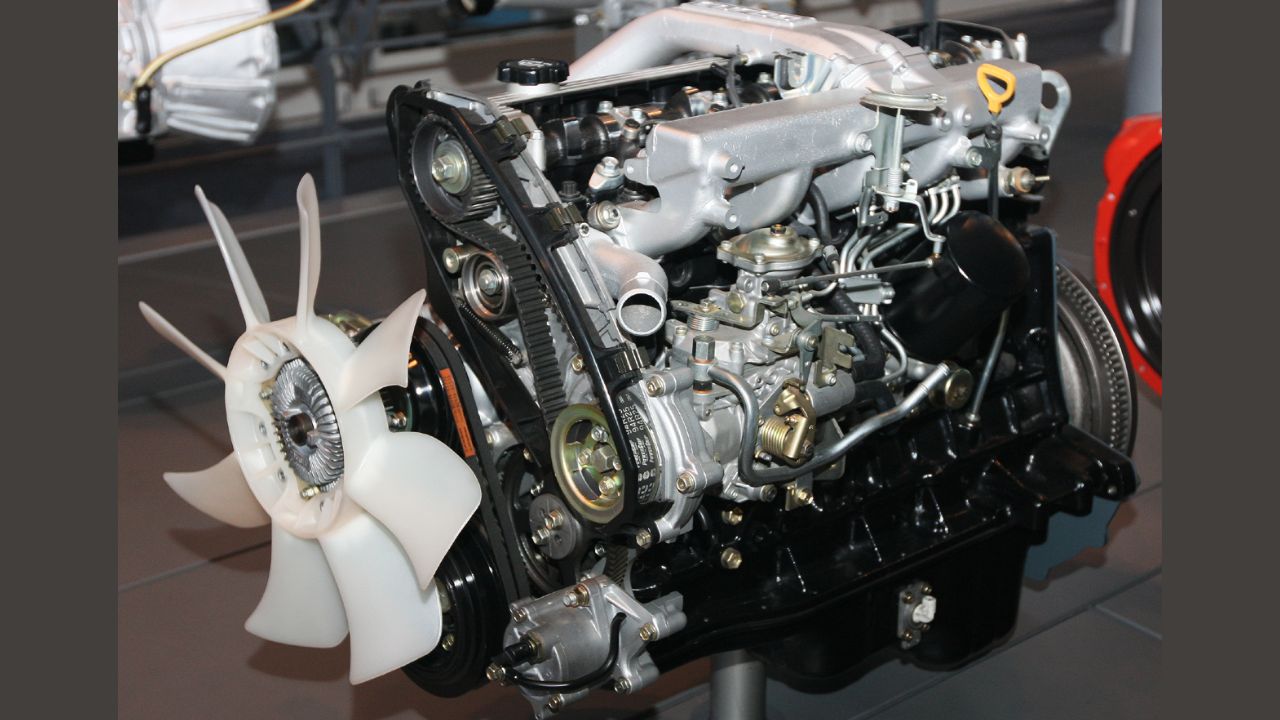
Where the 1HZ stayed simple, the 1HD-FTE added a turbocharger to the same 4.2-liter displacement. As a result, it makes 202 horsepower and 317 lb-ft of torque. Toyota fitted it to the Land Cruiser 100 Series and the 79 Series. It also hauled Hiace vans and Coaster buses.
The construction also stayed stout. According to SlashGear’s ranking of Land Cruiser engines, it uses a cast-iron head and forged internals. The same piece says the engine “is often cited as capable of running beyond 500,000 miles with proper care.” SlashGear doesn’t name who did the citing, so treat it as reputation rather than a factory test.
4. Nissan TD42
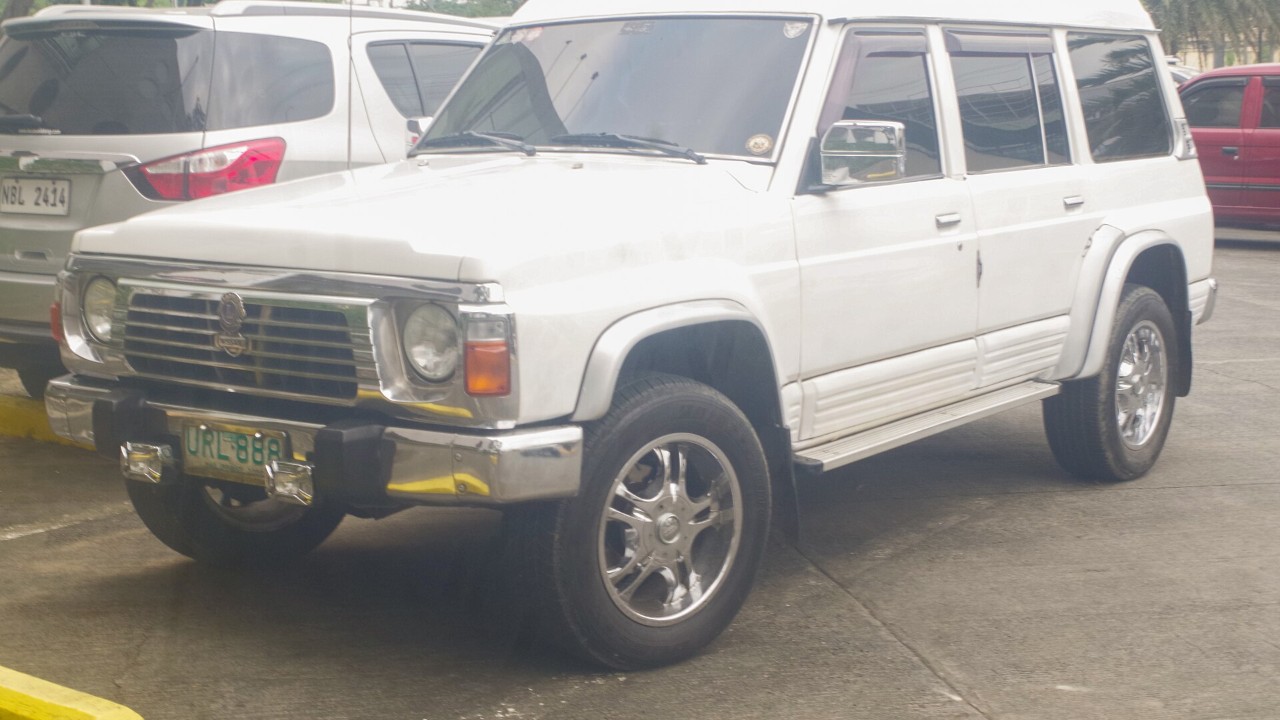
Nissan’s rival to the Toyota diesels was another 4.2-liter inline-six diesel, built for the Patrol. In naturally aspirated form it makes 118 horsepower and 192 lb-ft of torque. Later, the turbocharged TD42T3 raised that to 153 horsepower and 243 lb-ft. SlashGear rates it almost as reliable, thanks to sturdier internal parts.
Even so, the key detail is the timing drive. Unlike a rival’s belt, the TD42 uses a train of gears for its timing drive. As a result, owners can “essentially forget” about belt or chain changes, SlashGear explains. A cast-iron block and head help too. However, the same source warns buyers away from 1994 to 1997 engines. In those years Nissan used thinner, lighter pistons to cut costs.
5. Toyota 1JZ
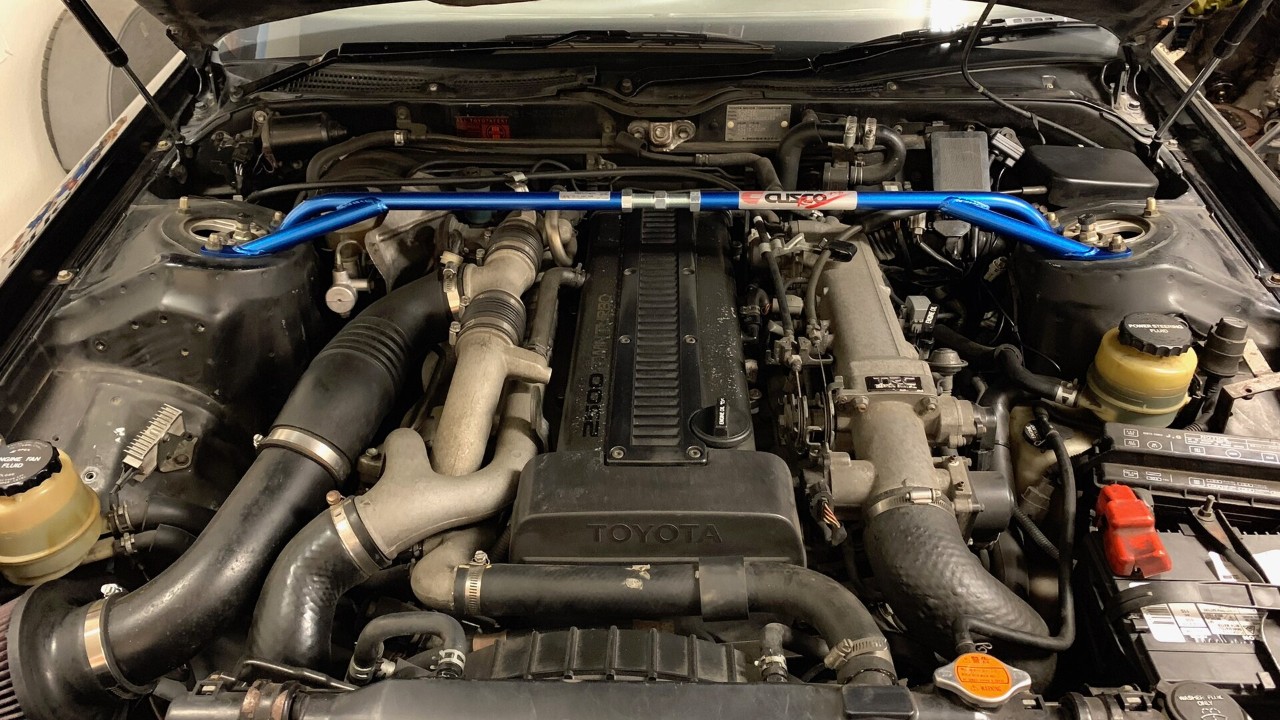
The 1JZ is the gasoline engine on this list. It is a 2.5-liter inline-six from the same family as the 3.0-liter 2JZ. Toyota also put the naturally aspirated version in the Soarer and the Crown. Meanwhile, the twin-turbo GTE version went into the Chaser.
Both JZ engines “can easily go over 300,000 miles without a significant rebuild,” according to SlashGear. The site credits a strong cast-iron block and forged internals. Still, the roundup calls the non-VVTi engines the more reliable choice. On later VVTi units the actuator can fail, and fixing it may mean pulling the cylinder head. Even so, the same source rates those later engines as durable and easy to repair.
More from Fast Lane Only