The Chrysler 440 Six Pack setup represents a significant milestone in American automotive history, combining raw power with street performance that captured the imagination of muscle car enthusiasts. With its unique engineering and bold design, the 440 Six Pack became a staple in the muscle car community, boasting a blend of performance and style that remains revered today.
Historical Context of the Chrysler 440 Engine
The Chrysler 440 engine was developed in the mid-1960s as part of Chrysler’s big-block V8 family. Launched initially in 1966, the 440 was introduced to compete with rising power demands from the muscle car market. With its impressive displacement of 440 cubic inches, the engine was designed to deliver the kind of performance that rivaled competitors like the Ford 427 and Chevrolet 454. Positioned as a powerhouse, the 440 quickly garnered attention for its robust performance and reliability.
Throughout the late 1960s and into the 1970s, the Chrysler 440 evolved and found its way into several models, including the Dodge Charger and Plymouth Road Runner. These vehicles not only cemented Chrysler’s reputation in the muscle car segment but also contributed significantly to the brand’s identity. As the muscle car era reached its peak, the 440 engine became synonymous with high performance and speed, setting the stage for the iconic Six Pack setup that would follow.
What is the Six Pack Setup?
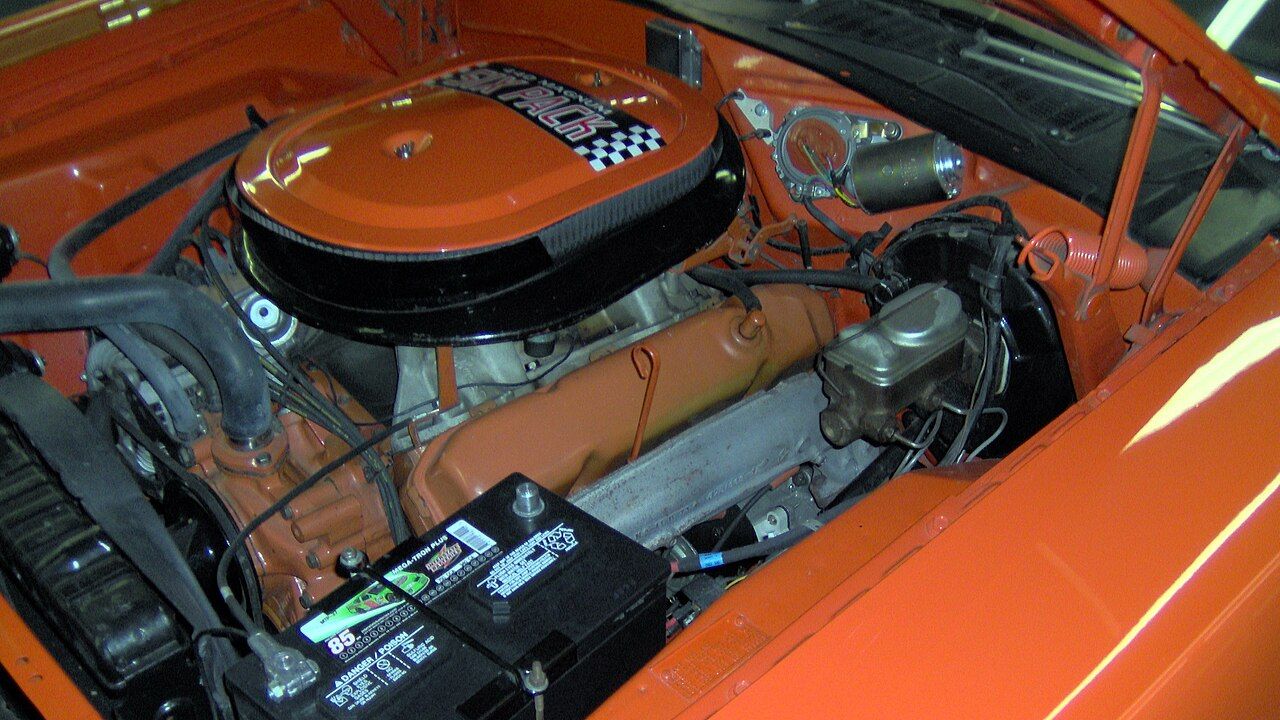
The Six Pack setup is characterized by its innovative three two-barrel carburetor configuration, which distinguishes it from traditional single carburetor systems. While typical setups usually employ a single four-barrel carburetor, the Six Pack’s design allows for increased airflow and fuel delivery, resulting in better throttle response and acceleration. When the driver pushes the pedal, the additional carburetors kick in, providing a surge of power that is thrilling on the street or the track.
This configuration not only enhances performance but also contributes to a unique driving experience. The Six Pack’s design means that it can provide a strong power band across a wide range of RPMs, making it versatile for both daily driving and high-performance applications. Enthusiasts often rave about the instant throttle response that comes with the Six Pack setup, a feature that has made it a favorite among muscle car lovers.
Performance Enhancements
The horsepower and torque figures associated with the 440 Six Pack are nothing short of impressive. Depending on the specific model and tuning, the 440 Six Pack could produce anywhere from 390 to 440 horsepower, with torque numbers soaring up to 480 lb-ft. This level of performance not only made the Six Pack a formidable competitor on the street but also a favorite in the drag racing scene.
Acceleration and speed improvements were significant when comparing the 440 Six Pack to other engines of the era. For instance, a 1970 Dodge Charger equipped with the Six Pack was capable of sprinting from 0 to 60 mph in under 6 seconds—a remarkable feat for its time. Real-world performance comparisons often highlight how the 440 Six Pack outperformed its contemporaries, solidifying its legacy in automotive history. You can read more about the performance of various Mopar engines in this detailed analysis.
Engine Specifications
The specifications of the Chrysler 440 Six Pack are as fascinating as its performance. The engine boasts a displacement of 440 cubic inches (7.2 liters) and typically features a compression ratio ranging from 10.1:1 to 11.0:1, depending on the model year and tuning. Power output can vary, but the peak figures often exceed 400 horsepower, making it one of the most powerful engines of its time.
In terms of construction, the 440 Six Pack utilized high-quality materials and innovative technologies. The engine block was cast from iron, providing durability and strength, while the aluminum intake manifold helped reduce weight. The cooling and lubrication systems were meticulously designed to ensure optimal performance, especially during high-stress situations like racing. Maintaining these systems is crucial for keeping the engine running smoothly and efficiently, which is why they are often the focus of performance upgrades.
Tuning and Upgrades
Maximizing performance in the 440 Six Pack often involves common tuning practices that can enhance its capabilities. Owners frequently adjust the carburetor settings to optimize fuel delivery and airflow based on specific driving conditions. Moreover, upgrading ignition systems to high-performance coils and distributors can significantly improve throttle response and overall engine efficiency.
Aftermarket upgrades are also popular among enthusiasts looking to push their 440 Six Pack to new heights. Upgrades such as performance headers, high-flow exhaust systems, and camshaft modifications can yield impressive gains in horsepower and torque. Regular maintenance is key; checking for fuel leaks, ensuring proper tuning, and keeping the engine clean will help maintain peak performance. For more insights on tuning and upgrades, check out the discussion here.
Iconic Models Featuring the 440 Six Pack
Several Chrysler models prominently featured the legendary 440 Six Pack, with the 1970 Dodge Charger and the Plymouth Road Runner standing out as icons of the muscle car era. The Charger, often seen as the quintessential muscle car, showcased the 440 Six Pack’s performance on the street and at the track. Meanwhile, the Road Runner became a cultural symbol of speed and power, often associated with the golden age of American muscle.
These models have left an indelible mark on pop culture, appearing in films and television shows, further solidifying their status as automotive legends. Today, cars equipped with the 440 Six Pack are highly collectible, often fetching impressive prices at auctions. The combination of performance, style, and historical significance contributes to their value, making them sought-after additions to any classic car collection.
The 440 Six Pack Today
In today’s classic car community, the demand for the 440 Six Pack remains strong. Enthusiasts continue to seek out these engines for restoration projects and performance builds. The market for replacement parts and restoration services has grown, with various suppliers offering high-quality components to keep these engines running. Whether it’s a complete engine rebuild or sourcing specific carburetor parts, the availability of resources ensures that the legacy of the 440 Six Pack lives on.
Enthusiast clubs and events celebrating the 440 Six Pack are also thriving. Car shows, meet-ups, and racing events provide venues for fans to share their passion for these remarkable engines. Engaging with the community can provide valuable insights into restoration tips and performance upgrades, contributing to the ongoing legacy of the Chrysler 440 Six Pack. For those interested in further exploration of the 440 Six Pack’s impact, there are numerous publications and resources available, such as this book: Inside Chrysler’s 440 Six Pack.
More from Fast Lane Only