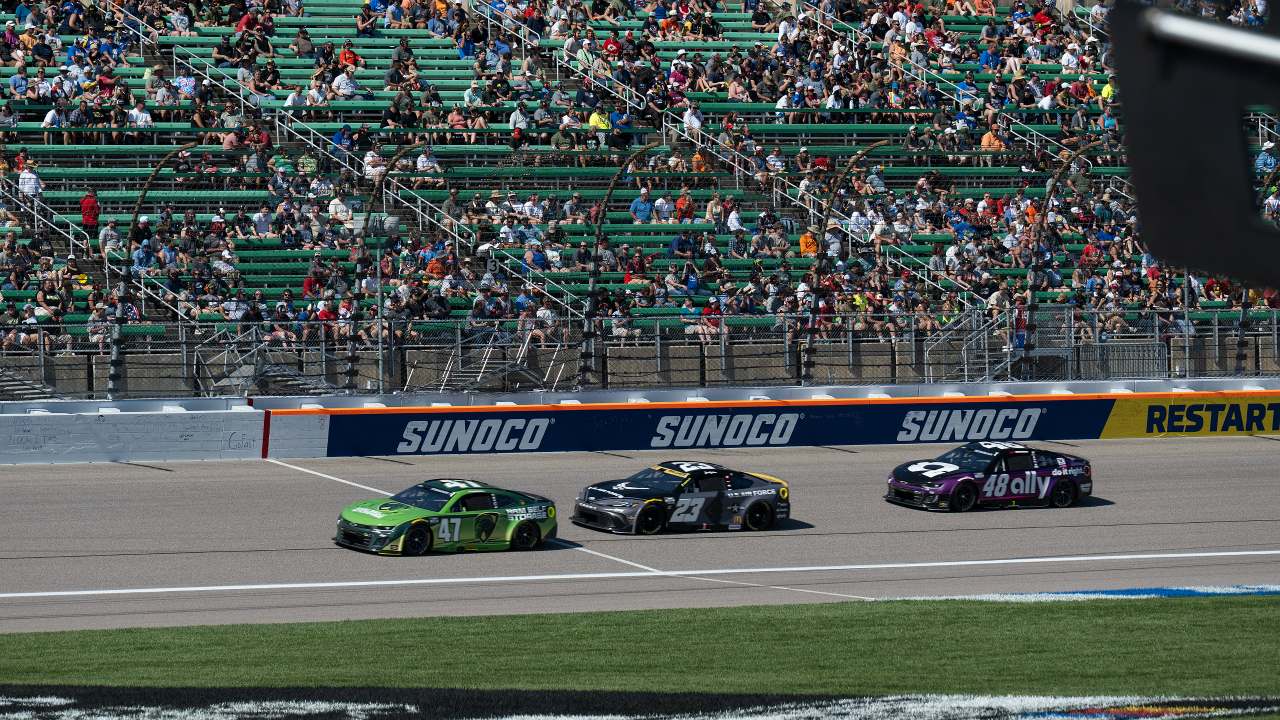
NASCAR’s antitrust trial has exposed a stark warning from inside the sport: if the current charter standoff continues, a rival stock car series could rise up and challenge the Cup Series’ grip on American racing. In court, team executives and lawyers described how tense negotiations over long-term security for race teams collided with NASCAR’s efforts to keep control of the schedule, the cars, and the money.
At the center of the dispute is whether NASCAR’s charter system gives teams a fair stake in the business or simply locks them into a “take it or leave it” deal that leaves the sanctioning body free to dictate terms. The testimony about a possible breakaway league has turned what began as a contract fight into a referendum on who really owns big-time stock car racing.
The antitrust case that put NASCAR’s power structure on trial
The current courtroom battle grew out of a broader fight over how much control NASCAR should have over the top level of stock car racing and how much leverage teams should have in return for the money and risk they pour into the sport. Earlier in the dispute, 23XI Racing and Front Row Motorsports filed an antitrust lawsuit accusing NASCAR and its CEO, Jim France, of running a monopolistic system that leaves teams with little real bargaining power despite the introduction of charters. The complaint argues that NASCAR dominates the most popular form of motorsport in the United States and uses that dominance to dictate commercial terms that teams must accept if they want to compete at the Cup level.
In that lawsuit, 23XI and Front Row contend that the charter system, which was supposed to give teams a more stable asset and a share of the sport’s value, instead cemented NASCAR’s control over key revenue streams and competitive access. They say the series controls the schedule, the media rights, and the rules, while teams remain dependent contractors who can be replaced or sidelined if they push too hard. Reporting on the case notes that the teams aligned with prominent sports antitrust litigators and framed the dispute as a test of whether a private sanctioning body can both regulate competition and own the commercial rights that flow from it, a structure that critics say would never fly in the NFL or NBA.
Inside the charter dispute: “take it or leave it” leverage and weakened teams
As the trial has unfolded, testimony has painted a picture of negotiations over new charter terms that left team owners feeling boxed in. According to accounts from the courtroom, attorney Jeffrey Kessler, representing 23XI and Front Row, argued that even with charters in place, NASCAR teams remain stuck in a weakened negotiating position. He described how the sanctioning body presented a charter proposal that teams viewed as a “take it or leave it” offer, with little room to push for a larger share of revenues or more say in governance. That dynamic, he suggested, underscored the core antitrust claim: that NASCAR can dictate terms precisely because there is no comparable alternative series where teams could take their investments and fan bases.
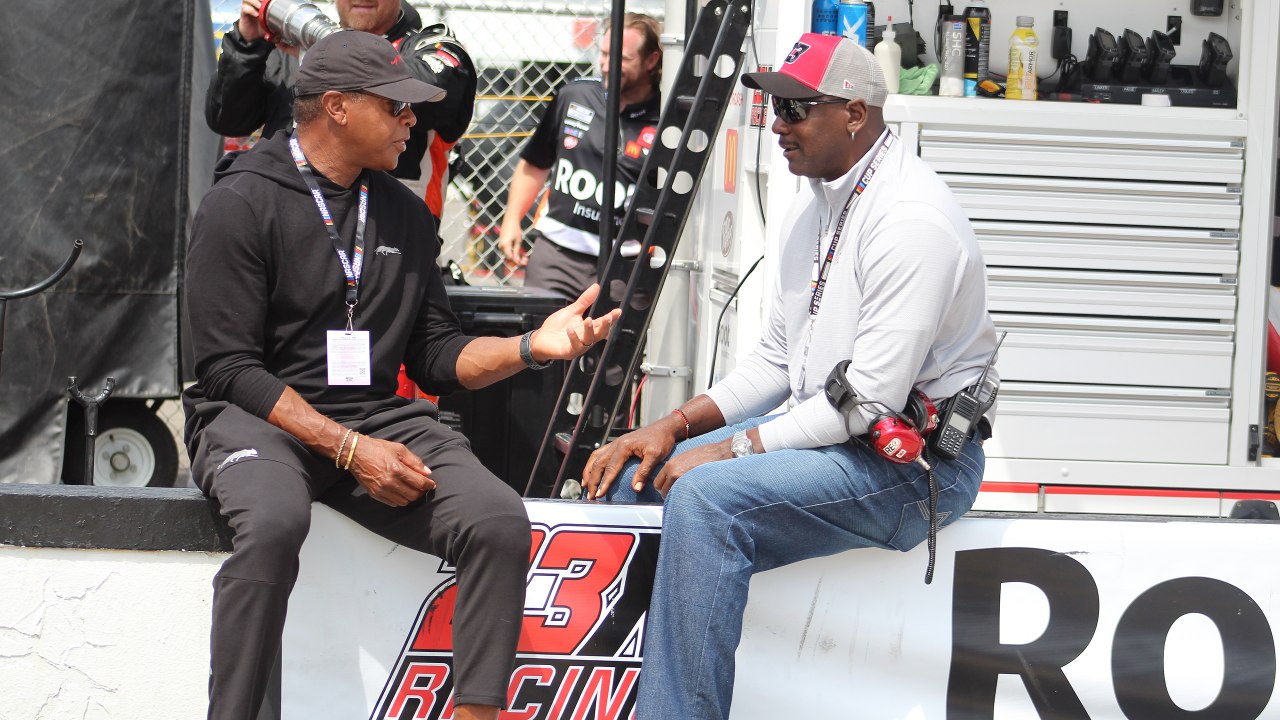
Team owner Bob Jenkins, a co-plaintiff alongside Michael Jordan, testified that he felt “hurt” by the way NASCAR approached those talks, particularly given the decades teams have spent building the product that fills the stands and drives television ratings. Jenkins’ account reinforced the idea that charters, while valuable on paper, do not give teams the kind of collective power that franchises enjoy in other major leagues. Instead, the teams say they are still treated as replaceable contractors, dependent on NASCAR’s unilateral decisions about rules, schedules, and commercial deals, and that this imbalance is exactly what antitrust law is supposed to police.
The breakaway threat: how serious was a rival stock car league?
The most explosive testimony so far has centered on the possibility that frustrated teams could form their own Cup-level style series if negotiations with NASCAR collapsed. In court, questioning focused on NASCAR’s attempts to head off any move toward a breakaway stock car racing league, including internal discussions about what would happen if top organizations tried to walk away. One key witness, identified in reporting as Prime, laid out how concerns inside NASCAR grew as teams explored their options and as lawyers raised the prospect that, in a true free market, teams might be able to take their drivers, sponsors, and cars to a new championship.
According to that testimony, NASCAR officials were warned that if they pushed too hard in charter talks, they risked creating the very competitor they feared. Prime described how the idea of a rival series, built around the same style of cars and many of the same stars, was not just a theoretical bargaining chip but a scenario that had to be taken seriously. The suggestion was that if NASCAR refused to offer teams a more secure and profitable long-term deal, those teams could band together, secure their own media partners and venues, and tell the sanctioning body, in effect, that “someone else will take your place.” That possibility, even if it never moved beyond the planning stage, raised the stakes of the charter dispute from a contract renegotiation to a potential split in the sport.
Control of the Next Gen car and NASCAR’s defensive moves
One of the most concrete ways NASCAR sought to protect its position, according to trial testimony, was by tightening control over the Next Gen car that teams use in the Cup Series. Evidence presented in court showed that NASCAR installed rulebook language that prevents teams from running their Next Gen car in any series other than NASCAR competition. That restriction matters because it effectively blocks teams from taking the same equipment to a rival championship, even if they could secure tracks and television partners. By locking the Next Gen platform to its own events, NASCAR limited the practical feasibility of a breakaway league that would look and feel like the current Cup Series.
In questioning about that rule, lawyers for the teams suggested that the Next Gen restriction was not just a technical regulation but a strategic move to reinforce NASCAR’s market power. If teams cannot use their most advanced and expensive cars anywhere else, then the cost of leaving the series rises dramatically, since a new league would either need a different car or face legal challenges. NASCAR executives, in their testimony, defended the rule as necessary to protect the integrity and safety of the product, but the plaintiffs argued that it fit a broader pattern of the sanctioning body using its control over essential inputs, such as cars and schedules, to keep teams from exploring alternatives.
What the trial reveals about NASCAR’s business model and the road ahead
Beyond the day-to-day drama of cross-examinations, the antitrust trial has laid bare how unusual NASCAR’s structure looks compared with other major sports. Analysts following the case have pointed out that, unlike the NFL or NBA, where teams collectively own the league and share in central revenues, NASCAR teams are independent contractors that race in a privately owned series. A detailed breakdown of the charter fight described how this contractor model leaves teams dependent on NASCAR’s decisions about media rights and sponsorship categories, with limited formal say in how the overall business is run. That context helps explain why the charter dispute escalated into litigation rather than being resolved through a traditional collective bargaining process.
Video analysis of the lawsuit has also highlighted how personal and entrenched the conflict has become, with some observers describing the situation as “ugly” as both sides dig in. On one side, NASCAR argues that its centralized control is essential to maintain a consistent product, protect long-term partners, and avoid the chaos of competing series. On the other, teams led by figures like Michael Jordan and Denny Hamlin insist that without stronger rights and revenue guarantees, they cannot sustainably invest in the sport’s future. The testimony about a potential breakaway league, the restrictions on the Next Gen car, and the “take it or leave it” charter offer all point to the same underlying question: whether NASCAR can continue to operate as a dominant private regulator, or whether the courts will force it to share more power with the teams that put cars on the track.