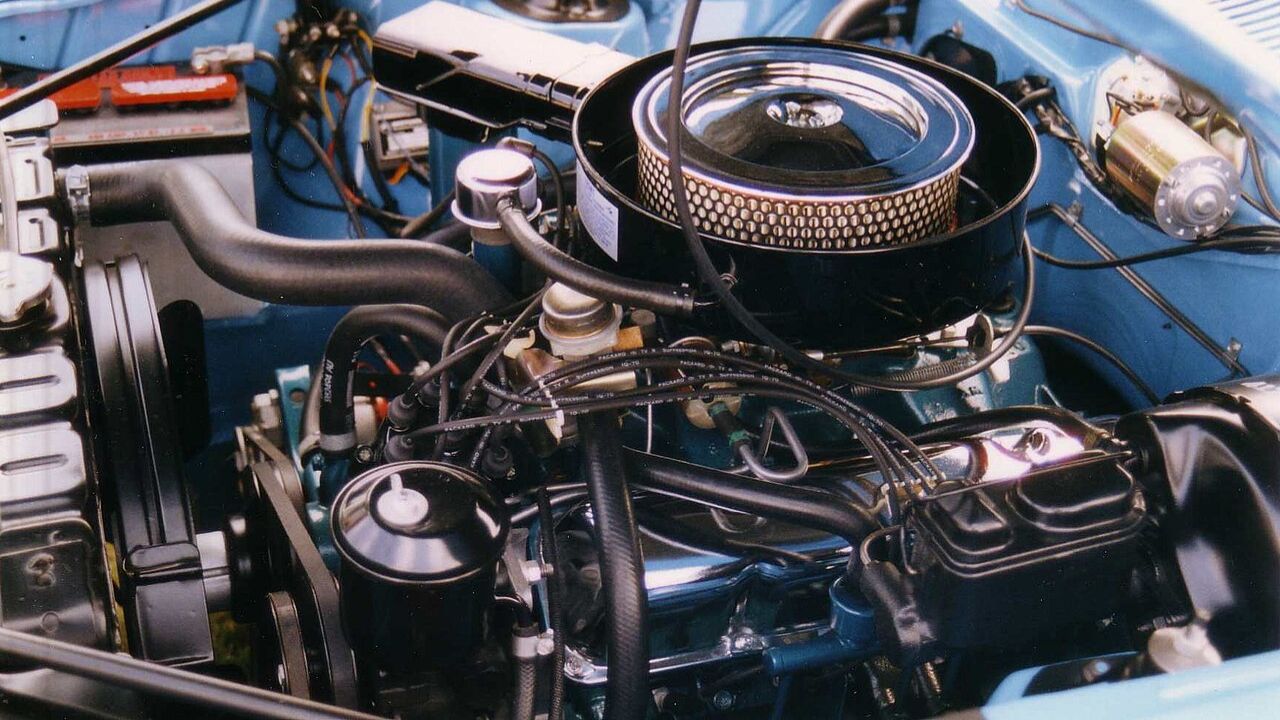
The AMC 390 V8 engine, often overshadowed by its more famous counterparts, played a pivotal role in the muscle car era of the late 1960s and early 1970s. Its robust performance and unique engineering innovations made it a formidable contender in the automotive landscape. With a rich history, the AMC 390 V8 deserves recognition among muscle car enthusiasts, and exploring its legacy reveals much about the evolution of American muscle cars.
The Birth of the AMC 390 V8
American Motors Corporation (AMC) entered the V8 engine market in the early 1960s, aiming to carve out its niche in the increasingly competitive landscape dominated by larger manufacturers like Ford, Chevy, and Chrysler. The AMC 390 V8 debuted in 1966, marking a significant advancement in their engine offerings. This engine was part of AMC’s broader strategy to enhance their performance lineup and attract a younger audience. The development of the AMC 390 was not just about displacement; it incorporated innovative engineering techniques that focused on reliability and performance.
The engineering team at AMC worked tirelessly to develop the 390 V8, taking cues from their earlier 327 cubic-inch V8 and leveraging advancements in metallurgy and manufacturing. The engine featured a 4.09-inch bore and a 3.58-inch stroke, providing a displacement of 390 cubic inches. This was a competitive size for the era, allowing AMC to deliver respectable horsepower and torque figures, crucial for muscle car enthusiasts. In comparison to contemporary engines, such as the Chevy 396 and Ford 390, the AMC 390 held its own, showcasing a combination of power and efficiency that appealed to drivers.
Technical Specifications
The AMC 390 V8 engine is characterized by its impressive technical specifications. With a displacement of 390 cubic inches (6.4 liters), this engine features a bore of 4.09 inches and a stroke of 3.58 inches. It produced 325 horsepower at 4,600 RPM and 420 lb-ft of torque at 3,200 RPM, making it a powerhouse for its time. The engine was designed with a unique block that utilized a cross-bolted main bearing design, which enhanced durability and performance under pressure.
Another noteworthy aspect of the AMC 390 V8 is its intake manifold design, which allowed for improved airflow and increased performance. The engine’s dual exhaust system also contributed to its power output, providing a throaty growl that is still celebrated by enthusiasts today. It was built to run on regular gasoline, making it accessible to a broader audience, while still delivering the performance expected from a muscle car engine. The combination of these features made the AMC 390 V8 not just a powerful engine, but a reliable one, suitable for daily driving and weekend racing alike.
Applications in AMC Vehicles
The AMC 390 V8 engine found its way into several iconic models, most notably the AMX and the Javelin. The AMX, introduced in 1968, was a two-seat muscle car that showcased the 390 V8’s capabilities. With its lightweight design and powerful engine, the AMX became a favorite among performance enthusiasts. Similarly, the Javelin, a more family-friendly option, also featured the 390 V8, offering a balance of performance and practicality.
Performance variations across different vehicle applications highlighted the versatility of the AMC 390 V8. In the AMX, the engine was tuned for maximum performance, allowing it to compete with other muscle cars of the era. In contrast, the Javelin offered a more balanced approach, appealing to those seeking a spirited driving experience without sacrificing comfort. The engine’s role in racing cannot be understated; the 390 V8 powered numerous vehicles in various racing series, including drag racing and Trans-Am, showcasing its performance potential on the track.
Comparative Analysis with Other Muscle Car Engines
When comparing the AMC 390 V8 to other popular V8 engines of the era, such as the Chevy 396, Ford 390, and Chrysler 383, several distinctions emerge. While the Chevy and Ford engines were known for their high horsepower outputs, the AMC 390 V8 offered a compelling blend of torque and reliability. This made it an attractive option for drivers who valued everyday usability alongside performance.
Reliability was another key factor that set the AMC 390 V8 apart. Many owners reported fewer maintenance issues compared to their counterparts, a crucial aspect for those looking to enjoy their muscle cars without constant repairs. In terms of pricing and availability during the muscle car era, the AMC 390 V8 often came at a lower price point than its competitors, making it an accessible choice for budget-conscious enthusiasts. As a result, the AMC 390 V8 earned a reputation for being an affordable yet powerful option in the muscle car market.
Cultural Impact and Legacy
The cultural impact of the AMC 390 V8 extends beyond its technical specifications and performance. This engine became a symbol of the muscle car movement and was featured in various media, including films and television shows that romanticized the American muscle car experience. Stories from enthusiasts often highlight the camaraderie built around AMC vehicles, with many owners sharing their passion through clubs and online forums. The engine’s distinctive sound and performance characteristics have left a lasting impression, making it a subject of admiration among collectors.
Anecdotes from collectors often reveal the emotional connection formed with the AMC 390 V8. Many enthusiasts recall their first experiences behind the wheel of an AMX or Javelin, describing the thrill of acceleration and the engine’s unmistakable roar. These personal stories contribute to the engine’s legacy, as they showcase the joy and excitement that the AMC 390 V8 brought to the lives of its drivers. The engine played a pivotal role in shaping the perception of AMC as a legitimate contender in the muscle car market, despite its lower profile compared to competitors.
Challenges Faced by AMC and the 390 V8
The journey of the AMC 390 V8 wasn’t without its challenges. AMC faced significant economic struggles during the muscle car era, grappling with competition from larger automotive companies that dominated the market. The rising fuel prices and changing consumer preferences in the early 1970s posed additional challenges, leading to a decline in demand for high-performance vehicles. As a result, AMC had to navigate a rapidly changing landscape, which ultimately affected the production and availability of its vehicles.
Competition from larger companies also played a role in the decline of the muscle car segment. With brands like Ford and Chevy releasing new models and technologies, AMC found it increasingly difficult to maintain its market share. The overall shift towards fuel efficiency and smaller cars in the 1970s further contributed to the decline of the muscle car era, leading to reduced production of the AMC 390 V8 and its associated models. Despite these obstacles, the legacy of the AMC 390 V8 endures, as it paved the way for future generations of performance enthusiasts.
Restoration and Collectibility Today
In the years since the muscle car era, the AMC 390 V8 has gained a resurgence in popularity among collectors and restorers. Current market trends show a growing interest in AMC vehicles, with prices for well-maintained models steadily increasing. The unique characteristics of the AMC 390 V8 make it a sought-after engine for restoration projects, appealing to enthusiasts who appreciate its distinctive engineering and performance.
For those looking to restore an AMC 390 V8, several tips can help ensure a successful project. Finding quality replacement parts can be a challenge, but many aftermarket suppliers cater to the needs of AMC enthusiasts. Joining clubs and online communities, such as Facebook groups dedicated to muscle cars can provide valuable resources and connections. Furthermore, participating in events and shows can help build relationships with fellow enthusiasts, enhancing the restoration experience.
Performance Modifications and Upgrades
For those looking to enhance the performance of the AMC 390 V8, several popular modifications can significantly increase its power output. Upgrading the intake and exhaust systems is a common first step, allowing for improved airflow and greater efficiency. Additionally, installing a high-performance camshaft can enhance the engine’s capabilities, providing a noticeable boost in horsepower and torque.
The availability of aftermarket parts for the AMC 390 V8 has improved over the years, making it easier for enthusiasts to customize their engines. Companies specializing in AMC parts offer everything from performance headers to high-compression pistons, allowing for a wide range of modifications. Success stories abound, with modified AMC 390 V8s achieving impressive results at automotive events and drag races, further solidifying the engine’s reputation as a capable performer.
As I reflect on the AMC 390 V8, I recognize its underrated status in the pantheon of muscle car history. Despite facing numerous challenges, it remains a powerful engine with a rich legacy. As interest in classic muscle cars continues to grow, I encourage fellow enthusiasts to celebrate and preserve the AMC 390 V8. Whether through restoration projects or participation in the vibrant community of AMC fans, we can ensure that this iconic engine receives the recognition it rightfully deserves.
More from Fast Lane Only