The Chevrolet ZL1 Aluminum Block V8 stands as a testament to the remarkable advancements in automotive engineering, seamlessly blending power and performance with cutting-edge design. As we delve deeper into the intricacies of this extraordinary engine, we’ll uncover the artistry and technology that make the ZL1 a true standout in the automotive landscape.
The Genesis of the ZL1 Engine
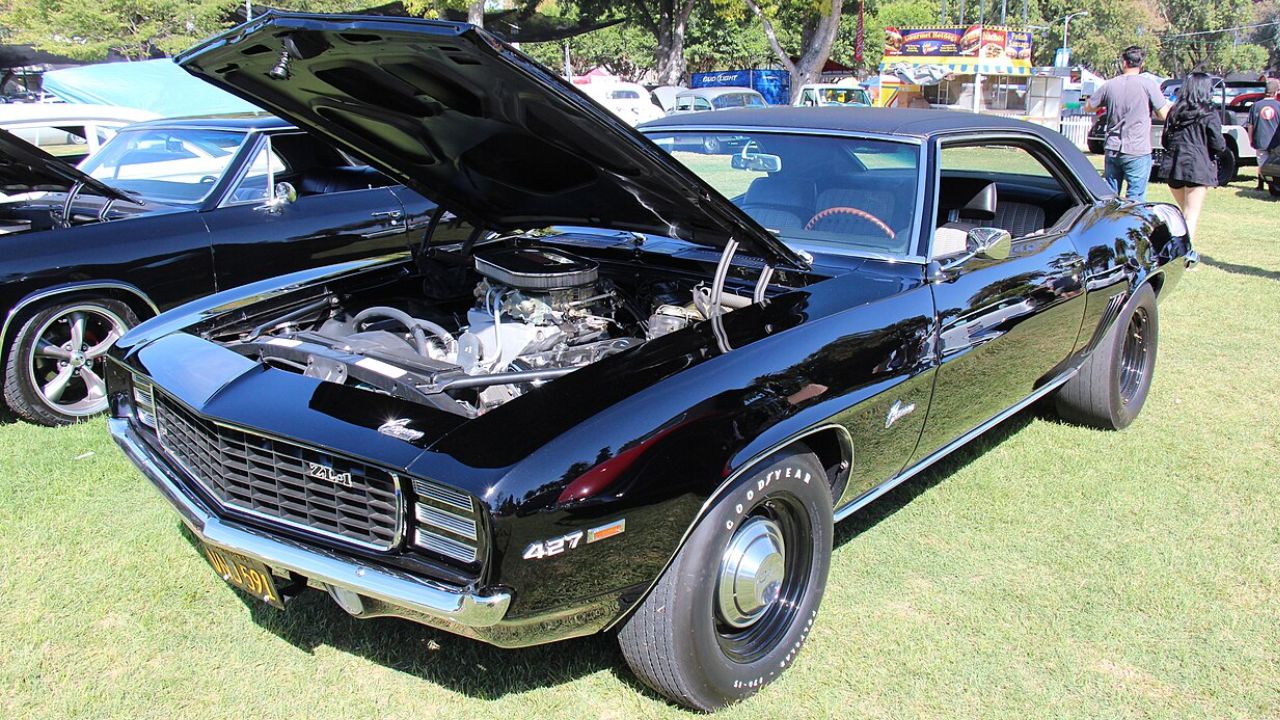
The Chevrolet ZL1 engine has a storied history that dates back to 1969 when it first made waves in the automotive world with the introduction of the ZL1 option for the Camaro. Originally designed as a racing engine, the ZL1 was a response to the growing demand for high-performance vehicles during a time when muscle cars were at their peak. The engine, featuring a massive 427 cubic-inch displacement, quickly became synonymous with power and speed, laying the groundwork for future iterations.
Over the decades, the ZL1 has evolved significantly, transitioning from a pure racing powerhouse to a refined performance engine suitable for modern-day driving. The introduction of the ZL1 in the fifth-generation Camaro in 2012 marked a pivotal moment in its lineage, showcasing advanced technology and engineering that appealed to both enthusiasts and everyday drivers. Significant milestones, such as the implementation of modern fuel injection systems and improved engine management technology, have kept the ZL1 relevant in an ever-changing automotive landscape.
Aluminum Block Benefits
One of the standout features of the ZL1 engine is its aluminum block, which offers numerous advantages over traditional iron blocks. The use of aluminum contributes to a substantial reduction in weight, which directly enhances the overall performance and handling of the vehicle. A lighter engine allows for improved acceleration and braking, as well as better fuel efficiency, making the ZL1 not just a powerhouse but also a more versatile performance car.
Thermal efficiency is another significant benefit of the aluminum block. Aluminum’s superior heat conductivity aids in heat dissipation, allowing the engine to maintain optimal operating temperatures. This is crucial for preventing overheating during high-performance scenarios, thereby enhancing engine reliability and longevity. Additionally, advances in aluminum technology have greatly improved the material’s structural integrity, ensuring that it can withstand the rigors of high-performance driving without compromising durability.
Engineering Innovations
The production of the ZL1 engine block is a marvel of modern manufacturing, employing advanced casting techniques that enhance both precision and performance. Techniques such as lost foam casting allow for the intricate design of the block, ensuring a perfect fit and finish that can withstand the demands of high horsepower applications. The attention to detail in these manufacturing processes plays a vital role in the overall quality and reliability of the engine.
Key design features such as cross-bolted main caps and an improved oiling system further distinguish the ZL1 from its competitors. Cross-bolted main caps provide enhanced stability under high load conditions, which is essential during aggressive driving. The oiling system, designed to ensure optimal lubrication across all components, minimizes friction and enhances the engine’s overall efficiency. Computational analysis and simulation technologies are utilized extensively in the design phase, allowing engineers to model various scenarios and optimize the engine’s performance before it even reaches production.
Performance Specifications
The performance specifications of the ZL1 engine are nothing short of impressive. With a power output of 650 horsepower and 650 lb-ft of torque, the ZL1 has established itself as one of the most formidable engines in its class. These figures translate to exhilarating performance on the road and track, allowing the Camaro ZL1 to accelerate from 0 to 60 mph in just 3.5 seconds, showcasing its incredible power-to-weight ratio.
In terms of RPM capabilities, the ZL1 engine can reach a redline of 6,500 RPM, providing a broad power band that enhances driving dynamics. This high rev range allows for quick acceleration and responsiveness, making it a favorite among performance enthusiasts. When compared to competitors such as the Ford Mustang Shelby GT500, which also boasts impressive numbers, the ZL1 holds its ground, proving to be a well-rounded choice for those seeking both power and precision.
Fuel Efficiency and Emissions
Despite its immense power, the ZL1 engine has been designed with fuel efficiency in mind. Advanced technologies such as Active Fuel Management allow the engine to deactivate half of its cylinders under light load conditions, significantly improving fuel economy without sacrificing performance. This balance of power and economy is crucial for modern consumers who demand versatility in their high-performance vehicles.
Meeting stringent emission standards is another area where the ZL1 excels. The engine’s advanced fuel injection and exhaust systems are engineered to minimize harmful emissions, ensuring compliance with regulations without compromising performance. Real-world tests have shown that the ZL1 performs admirably in fuel consumption, often achieving around 20 mpg on the highway, a remarkable figure for a car of its caliber.
Advanced Engine Management Systems
The ZL1 engine is equipped with a state-of-the-art engine control unit (ECU) that plays a crucial role in optimizing performance. The ECU monitors various parameters such as air-fuel mixture, ignition timing, and throttle position to ensure that the engine operates at peak efficiency. This advanced technology allows for real-time adjustments based on driving conditions, enhancing both performance and drivability.
Tuning capabilities further enhance the ZL1’s performance potential. Enthusiasts can utilize aftermarket tuning solutions to modify the ECU settings, unlocking additional horsepower and torque while tailoring the engine’s characteristics to their preferences. The onboard diagnostics feature also plays a vital role in monitoring engine health, providing valuable data that can help prevent issues before they become significant problems, ultimately ensuring a longer lifespan for the engine.
The Role of Turbocharging and Supercharging
While the ZL1 engine is naturally aspirated, the benefits of forced induction, such as supercharging, cannot be overlooked. The supercharger in the ZL1 enhances power delivery across the RPM range, providing a significant boost in performance without the lag often associated with turbocharged engines. This results in a more immediate and exhilarating driving experience, especially during acceleration.
When compared to naturally aspirated engines, the advantages of supercharging are clear. While naturally aspirated engines may provide a linear power delivery, forced induction offers a more aggressive and dynamic response. The ZL1’s supercharger allows it to maintain high levels of performance while still being manageable for everyday driving. For drivers seeking intense power and responsiveness, the ZL1 remains a top choice in the performance car segment.
Testing and Validation Processes
The ZL1 engine undergoes rigorous testing regimes before it hits the market. From lab simulations to real-world driving tests, every aspect of the engine’s performance is scrutinized to ensure it meets the highest standards. Performance metrics such as acceleration times, handling characteristics, and thermal performance are meticulously recorded and analyzed to validate the engine’s capabilities.
Feedback from professional drivers and automotive enthusiasts also plays a critical role in the testing process. Their insights help refine the engine’s performance and ensure that it meets the expectations of a demanding audience. This comprehensive approach to testing and validation not only enhances the ZL1’s performance but also builds trust among consumers who seek reliability and excellence in their vehicles.
More from Fast Lane Only