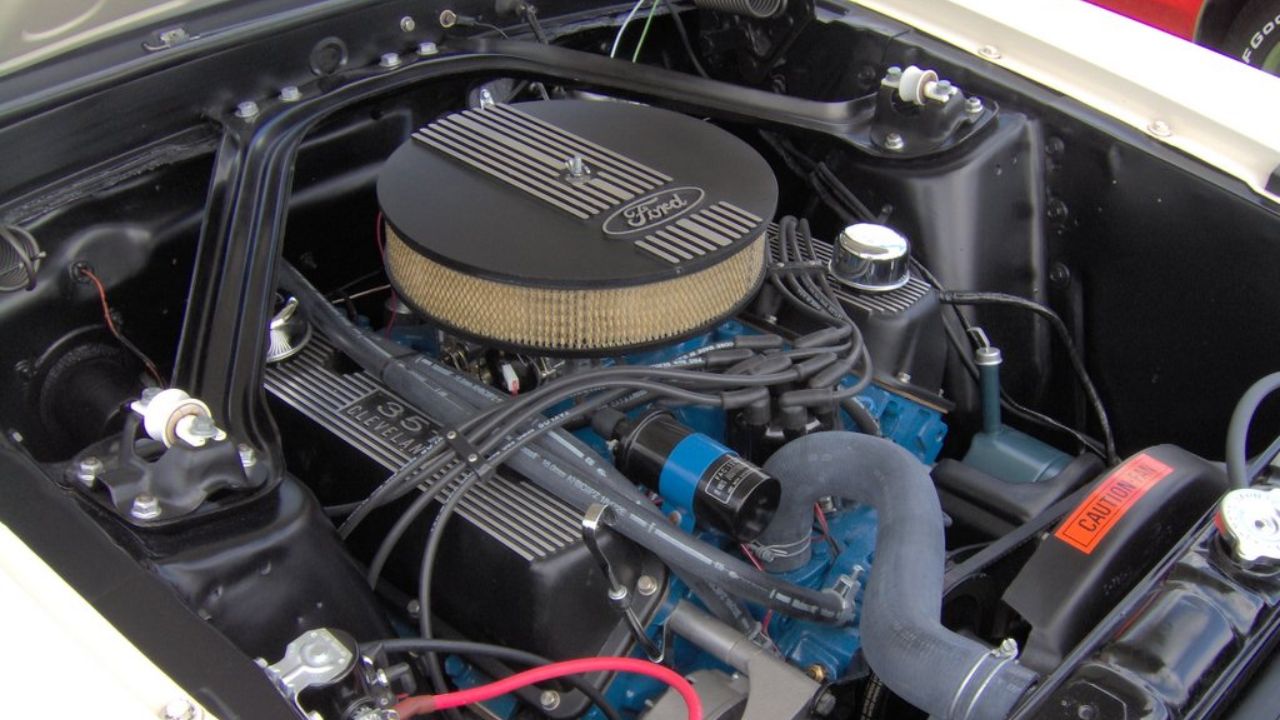
The Ford Cleveland V8 engine, introduced in the early 1970s, revolutionized the automotive industry with its innovative design and impressive performance. This engineering marvel not only influenced Ford’s lineup but also left a lasting impact on engine design philosophy in general.
Background of the Ford Cleveland V8
The development of the Ford Cleveland V8 began in the late 1960s, at a time when the automotive industry was undergoing significant changes. Motivated by the need for higher performance and better fuel efficiency, the engineering team at Ford sought to create an engine that could compete with rival manufacturers like GM and Chrysler. The result was the Cleveland engine, which was first introduced in 1970 and quickly garnered attention for its groundbreaking features.
In comparing the Cleveland V8 to its predecessors, such as the Windsor and FE series, it becomes clear that Ford aimed to address some of the shortcomings of earlier models. The Windsor series, for example, was known for its compact design but lacked the power output that enthusiasts desired. The FE series, while powerful, was heavy and inefficient. The Cleveland was developed with key design goals in mind: achieving a balance of performance, efficiency, and compliance with new emissions standards that were coming into effect at the time.
Key Features of the Cleveland V8 Engine
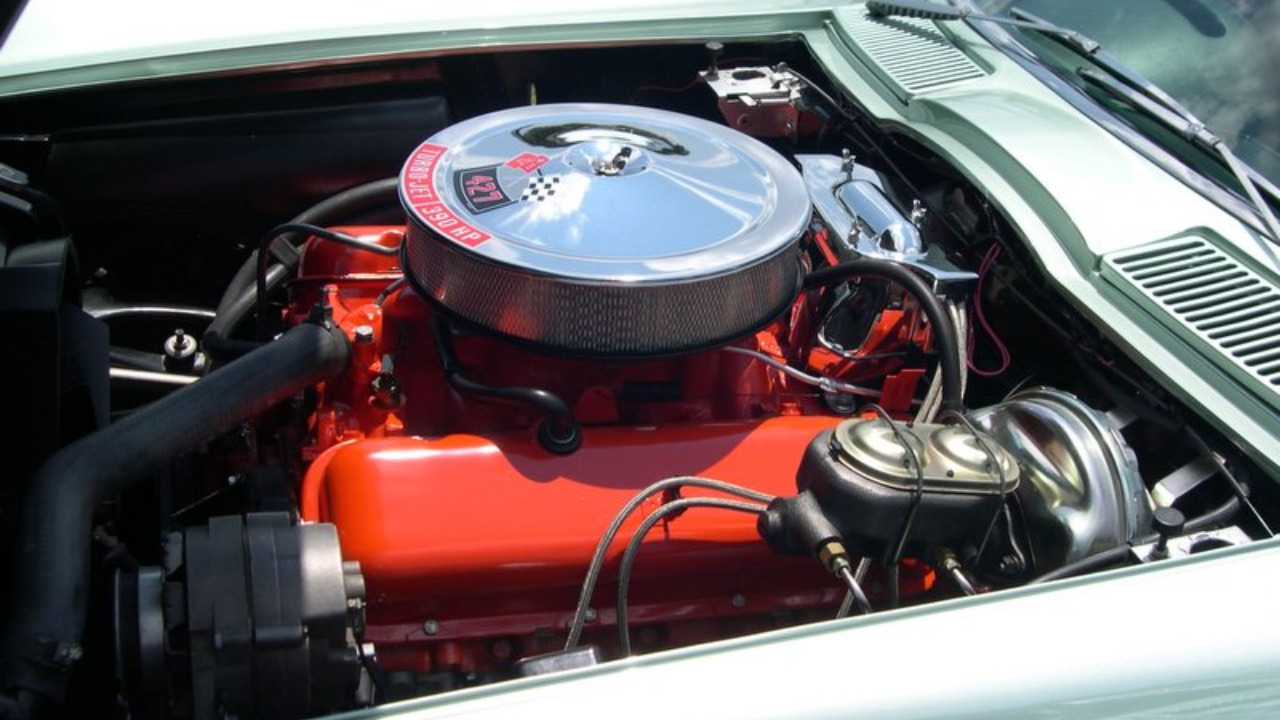
The Ford Cleveland V8 distinguished itself with several unique design elements that set it apart from other engines of its time. One of the most notable features was the use of 4-bolt main bearing caps, which provided superior strength and stability, especially at high RPMs. The engine also featured large ports in the cylinder heads, enhancing airflow and enabling greater power output. This innovative design allowed the Cleveland to achieve impressive horsepower ratings, making it a favorite among performance enthusiasts.
Another key feature was the use of aluminum for the intake manifold, which contributed to weight savings and improved thermal efficiency. The Cleveland engine was available in a 351 cubic inch displacement configuration, which provided a perfect blend of torque and horsepower. The engine’s performance capabilities were unmatched in its class, allowing Ford to produce vehicles that satisfied both casual drivers and serious performance aficionados.
Performance and Variants
Across its production years, the Cleveland V8 was offered in various configurations, each boasting different horsepower and torque ratings. The high-performance 351 Cleveland variant, for instance, produced upwards of 300 horsepower in its peak configurations, which was significant for the era. In contrast, the standard models delivered respectable performance but were more oriented toward everyday usability. These variants allowed Ford to cater to a broad audience, from muscle car lovers to families looking for reliable transportation.
Notable applications of the Cleveland engine included the iconic Ford Mustang and the Ford Torino, both of which showcased the engine’s potential in the muscle car segment. The Cleveland’s versatility also meant it found a home in trucks and other utility vehicles, making it a cornerstone of Ford’s engine lineup throughout the 1970s.
The Engineering Innovations
One of the remarkable aspects of the Cleveland V8 was the introduction of advanced cylinder head designs, which significantly impacted airflow and combustion efficiency. The cylinder heads featured a unique design that allowed for better intake and exhaust flow, leading to improved power output across the RPM range. This innovation helped cement the Cleveland’s reputation as a high-performance engine, particularly in street racing and other motorsports.
Additionally, the Cleveland engine played a crucial role in the rise of high-performance street engines during the 1970s. It was not just about raw power; the Cleveland also incorporated engineering improvements in cooling and lubrication systems, which enhanced its reliability. These advancements allowed the engine to perform well under the stresses of high-performance driving, making it a favorite choice among tuners and builders looking to extract maximum performance from their vehicles.
Challenges and Criticisms
Impact on Automotive Culture The Cleveland V8’s influence on muscle car culture in the 1970s is undeniable. It helped define an era where power and performance took center stage, capturing the imagination of car enthusiasts and casual drivers alike. The engine’s ability to deliver exhilarating performance made it a popular choice among those looking to make a statement on the streets, leading to a surge in demand for muscle cars during this period.
Modern Relevance and Legacy Even decades after its initial release, the Cleveland V8 remains relevant in today’s automotive landscape. Modern tuners and builders frequently utilize and modify Cleveland engines, taking advantage of their robust design and performance potential. The engine has become a favorite among those looking to build high-performance street machines, and its design philosophies continue to influence contemporary engine development.
The Ford Cleveland V8 engine not only contributed significantly to engine design and performance but also became a cultural icon in the automotive world. Its unique features, engineering innovations, and lasting impact on muscle car culture ensure that its legacy will continue to inspire future generations of automotive enthusiasts and engineers alike.
More from Fast Lane Only