The Dodge 426 Max Wedge engine stands as one of the most iconic powerplants in automotive history, often overshadowed by its Hemi counterparts. This article delves into the hidden features and engineering marvels that make the Max Wedge a true performance engine.
Historical Context and Development
The Dodge 426 Max Wedge was introduced in the early 1960s, a time when the muscle car era was beginning to take shape. The automotive landscape was becoming increasingly competitive, with manufacturers vying for supremacy in both street performance and drag racing. The need for more powerful, efficient engines was paramount, and Dodge responded with the Max Wedge, a game-changer in the muscle car arena. It was designed primarily for drag racing, making it a favorite among enthusiasts who sought speed and power.
Key figures behind the Max Wedge’s design included engineers like Carl Kiekhaefer, who played a significant role in developing the engine’s innovative features. Kiekhaefer’s influence was instrumental in shaping the Max Wedge into a powerhouse that could compete at the highest levels of drag racing, setting the stage for its legendary status in automotive history.
Unique Engine Specifications
One of the defining characteristics of the Max Wedge is its impressive displacement of 426 cubic inches, housed in a robust V8 configuration. This setup allows for substantial power output, particularly when combined with a high compression ratio that can reach up to 13.5:1 in some variants. The engine’s design emphasizes performance, with specifications that set it apart from its contemporaries, such as the Chevrolet 409 and the Pontiac 421. While those engines were formidable, the Max Wedge’s engineering gave it a distinct edge on the drag strip.
The compression ratio was a crucial factor in maximizing the engine’s potential. The higher the compression ratio, the more power can be extracted from each explosion in the combustion chamber. Coupled with advanced fuel delivery systems, the Max Wedge could produce extraordinary horsepower, often exceeding 500 in race-tuned models. This made it not only a powerful street engine but also a serious contender in professional racing.
Advanced Airflow Design
Airflow is critical in any performance engine, and the Max Wedge excels in this area due to its meticulously designed cylinder heads. The engine features large intake and exhaust ports that facilitate a more efficient flow of air and fuel. This design minimizes restrictions and allows for a more aggressive combustion process, which is essential for high-performance applications. Engineers focused on optimizing the shape and size of these ports, ensuring that the Max Wedge could breathe freely at high RPMs.
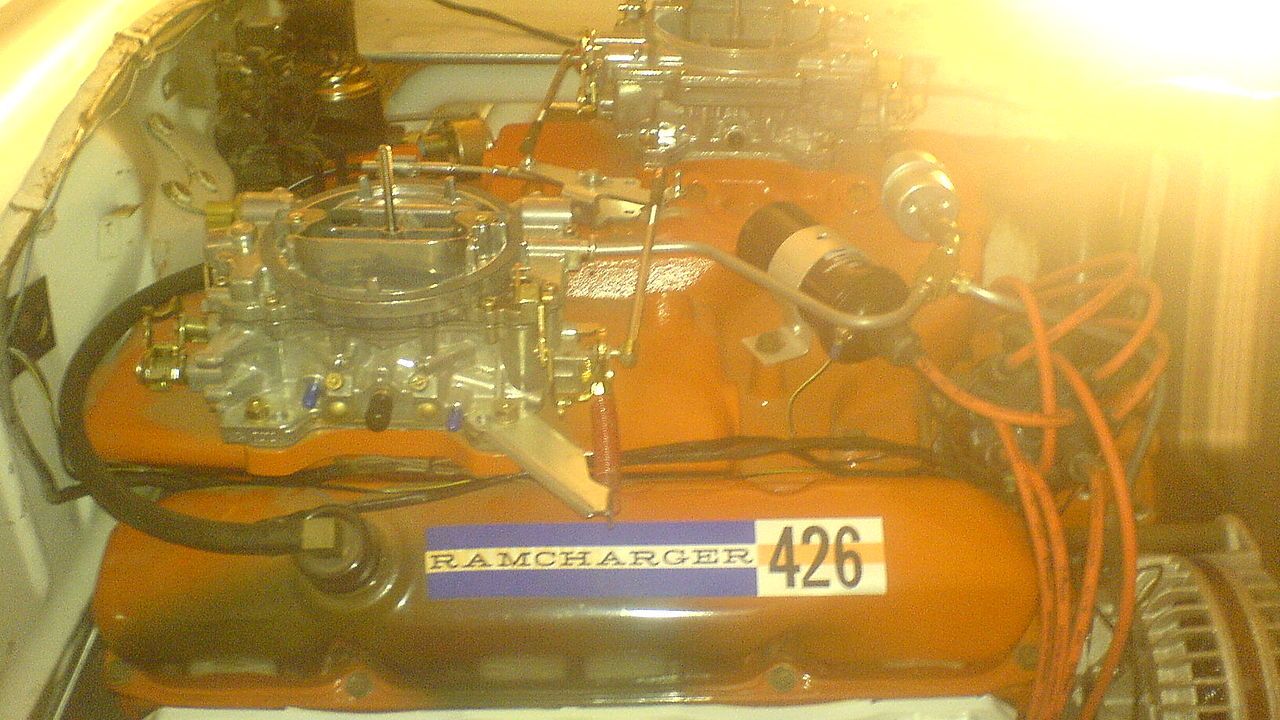
To further enhance fuel delivery, the Max Wedge utilizes dual four-barrel carburetors. This setup ensures that an ample fuel supply is maintained, even under extreme conditions. The carburetors are calibrated to deliver the right mixture of air and fuel, which is critical for achieving the engine’s peak performance. This advanced fuel delivery system is one of the many features that set the Max Wedge apart from its peers, ensuring that it remained a favorite among drag racers and performance enthusiasts alike.
Performance Enhancements
The high-performance camshaft is another vital aspect of the Max Wedge engine. Its aggressive timing specifications allow for longer valve openings, which enhances airflow during the intake and exhaust strokes. This camshaft enables the engine to produce power across a broader RPM range, making it more versatile for both street use and racing. Many enthusiasts consider the camshaft to be the heart of the engine, and in the case of the Max Wedge, it is undoubtedly one of its standout features.
During its production run, Dodge offered various factory options and upgrades that allowed customers to tailor their engines for specific uses, particularly drag racing. These options ranged from different carburetor setups to performance exhaust systems, ensuring that buyers could maximize the potential of their Max Wedge engines. With these enhancements, many models, such as the 1962 Plymouth Fury, became formidable competitors on the dragstrip, solidifying the Max Wedge’s legacy in the muscle car community.
The Max Wedge vs. Hemi Debate
The rivalry between the Max Wedge and the Hemi engines has sparked countless debates among automotive enthusiasts. The two engines, while both powerful, are designed with different philosophies in mind. The Hemi, with its hemispherical combustion chambers, was known for its efficiency and power across a wide RPM range. In contrast, the Max Wedge was engineered for raw power, excelling in drag racing scenarios where torque and horsepower were essential.
Performance comparisons often highlight the Max Wedge’s impressive quarter-mile times, especially in its heyday. Many racers favored the Max Wedge for its explosive acceleration, while others leaned towards the Hemi for its versatility. Moreover, the fanbase for each engine remains passionate, with many enthusiasts championing the unique attributes of the Max Wedge. Events and gatherings often feature discussions on the merits of both engines, showcasing their lasting impact on automotive culture.
Limited Production and Rarity
The production numbers for the Max Wedge engines were relatively low compared to other engines of the era. This limited production adds to its rarity and desirability among collectors today. Estimates suggest that only around 10,000 Max Wedge engines were produced, making it a coveted item for classic car enthusiasts. The rarity of these engines significantly impacts their market value, with many models featuring the Max Wedge fetching high prices at auctions and classic car shows.
Notable models that featured the Max Wedge engine include the 1963 Dodge 330 and the 1962 Plymouth Fury. These vehicles not only exemplify the Max Wedge’s performance capabilities but also serve as a reminder of the golden age of American muscle cars. Collectors and restorers often seek these models to preserve a piece of automotive history.
Hidden Features: Lesser-Known Technologies
Beyond its well-known specifications, the Max Wedge boasts several hidden features that further enhance its performance. One such feature is the utilization of lightweight materials in its construction, which helps reduce overall engine weight while maintaining strength. This focus on weight reduction allows for better performance, particularly in competitive environments where every ounce matters.
The ignition system used in the Max Wedge also plays a crucial role in maximizing engine performance. The engine is equipped with a high-output ignition system that ensures a strong spark at all RPMs. This system enhances combustion efficiency, allowing the engine to produce more power and respond more readily to throttle inputs. As a result, the Max Wedge is not just powerful; it is also remarkably responsive, making it a joy to drive.
Restoration and Upgrades
Restoring a Max Wedge engine to its original glory requires careful attention to detail. Many enthusiasts seek to preserve the integrity of the engine while ensuring it performs at its best. Key aspects of restoration include sourcing original components and ensuring that the engine is rebuilt to factory specifications. This often involves consulting with experts and utilizing resources from dedicated communities focused on Max Wedge restoration.
For those looking to enhance their Max Wedge engines, popular upgrades include modern ignition systems and improved fuel delivery components. These modifications can significantly boost performance without compromising the engine’s classic character. Communities dedicated to the Max Wedge, often found on platforms like Facebook, provide invaluable resources for enthusiasts looking to share tips and experiences on restoration and modifications.
Legacy and Impact on Automotive Culture
The Max Wedge has left an indelible mark on muscle car culture and racing. Its influence can be seen in various automotive events, car shows, and even pop culture, where it has made appearances in films and television series that celebrate classic American cars. The engine’s powerful performance has inspired countless enthusiasts to explore the world of muscle cars and drag racing.
As the years go by, the legacy of the Max Wedge continues to inspire new generations of automotive enthusiasts. From its engineering marvels to its powerful presence on the drag strip, the Max Wedge remains a symbol of American automotive ingenuity. Whether revered for its raw power or its unique features, the Max Wedge engine holds a special place in the hearts of car lovers everywhere, ensuring that its story will be told for years to come.
More from Fast Lane Only