The Pontiac Tri-Power setup revolutionized performance in the muscle car era, offering a unique combination of power and efficiency. With its innovative engineering, it not only enhanced the driving experience but also solidified Pontiac’s reputation as a leader in automotive performance. Let’s delve into the details of this iconic system and its lasting impact on the automotive world.
The Origins of the Tri-Power System
The development of the Tri-Power system began in the late 1950s as Pontiac engineers sought to maximize engine performance while maintaining drivability. The brainchild of engineer John DeLorean, the Tri-Power setup aimed to harness the benefits of multiple carburetors to improve airflow and fuel delivery. By the early 1960s, this innovative system was ready for the market, ushering in a new era of muscle cars.
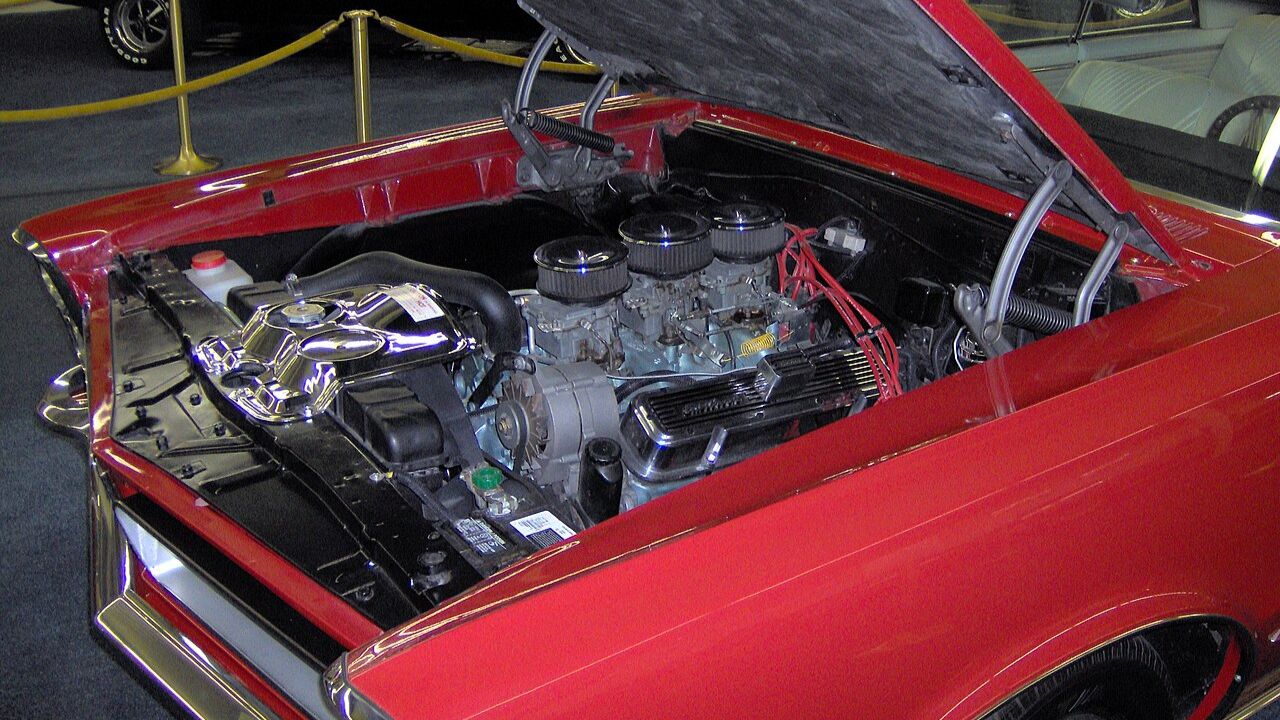
The first vehicles to feature the Tri-Power system were the 1961 Pontiac Catalina and the Bonneville. These models showcased the setup, which consisted of three two-barrel carburetors positioned on a special intake manifold. The market response was overwhelmingly positive, as consumers and automotive enthusiasts alike were drawn to the promise of increased horsepower and torque. This technological advancement not only captured the attention of the public but also set the stage for Pontiac’s success in the muscle car segment.
How the Tri-Power System Works
The Tri-Power system is a marvel of engineering that consists of three carburetors working in harmony. At the heart of this setup are three Rochester two-barrel carburetors, which are designed to provide optimal fuel and air mixture for the engine. The primary carburetor operates under normal driving conditions, while the secondary carburetors kick in during acceleration, significantly boosting performance.
The carburation process is key to the Tri-Power’s effectiveness. When the driver accelerates, the primary carburetor opens first, allowing for a smooth increase in power. As the throttle is pushed further, the secondary carburetors engage, creating a surge of additional horsepower. This design not only enhances performance but also ensures that the engine remains responsive at various speeds. Furthermore, the airflow dynamics of the Tri-Power system optimize air intake, facilitating better combustion and ultimately leading to improved engine output.
Performance Benefits of the Tri-Power Setup
The performance benefits of the Tri-Power setup are significant, particularly when compared to traditional single carburetor systems. For instance, the Tri-Power system could increase horsepower by up to 30% in some Pontiac models. This increase allowed vehicles like the Pontiac GTO to achieve impressive speeds and acceleration times, solidifying its status as a performance legend.
Torque delivery is another area where the Tri-Power excels. The setup enhances engine responsiveness, allowing for quicker acceleration and better overall performance. Enthusiasts often report that driving a Tri-Power-equipped vehicle is an exhilarating experience, as the system provides a seamless power delivery that enhances both everyday driving and spirited excursions. Reviews from car enthusiasts frequently highlight the thrill of driving a Pontiac with this setup, noting how the Tri-Power transforms the driving experience.
Tuning and Optimization Techniques
For those looking to maximize the potential of their Tri-Power setup, carburetor tuning is essential. Proper adjustments to the fuel and air mixture can dramatically improve performance, ensuring that the engine operates at its peak efficiency. This tuning process often involves fine-tuning the jets and adjusting the floats in the carburetors to achieve the ideal balance.
Additionally, many Pontiac enthusiasts explore common modifications to enhance the Tri-Power’s performance further. Upgrades such as high-performance intake manifolds, headers, and exhaust systems can complement the Tri-Power setup and contribute to an overall boost in horsepower and torque. However, it’s crucial to understand the intricacies of the system to avoid issues that can arise from improper modifications. Troubleshooting common Tri-Power problems, such as uneven idle or poor throttle response, often requires a keen understanding of the carburetor’s workings and can usually be addressed with minor adjustments.
Notable Pontiac Models Featuring Tri-Power
The GTO is perhaps the most iconic Pontiac model associated with the Tri-Power setup. When the GTO was introduced in 1964, it quickly became a symbol of American muscle, and the Tri-Power option further enhanced its legendary status. Equipped with the Tri-Power system, the GTO could produce over 360 horsepower, making it a formidable competitor on the streets and racetracks alike.
Other notable models that embraced the Tri-Power system include the Pontiac Bonneville and the Firebird. Each of these vehicles showcased the power and efficiency of the Tri-Power setup, contributing to Pontiac’s legacy in both the consumer market and motorsports. The impact of the Tri-Power on Pontiac’s racing success cannot be overstated, as it provided drivers with the edge needed to compete in various racing events, leading to numerous victories and accolades.
The Evolution of Tri-Power Technology
Over the years, the Tri-Power system has seen various advancements and improvements. While the original setup focused on maximizing performance for muscle cars, subsequent iterations have adapted to meet the needs of evolving automotive technology. For example, later models integrated more sophisticated fuel delivery systems that improved efficiency while still maintaining the essence of the Tri-Power’s performance-oriented design.
In comparing Tri-Power technology to modern performance setups, it’s evident that the principles of maximizing airflow and fuel delivery remain relevant. Current performance systems often utilize electronic fuel injection and advanced tuning techniques that offer similar benefits to the Tri-Power setup. However, the nostalgia and raw power associated with Tri-Power-equipped vehicles continue to captivate car enthusiasts, proving that the spirit of classic performance remains alive in contemporary automotive engineering.
The Cultural Impact of Tri-Power
The Pontiac Tri-Power system has left a lasting cultural impact, particularly among car enthusiasts and collectors. Car clubs dedicated to Pontiac vehicles often celebrate the Tri-Power legacy, sharing knowledge and resources to preserve these iconic cars. Online forums and social media groups have become vital spaces for enthusiasts to connect, exchange tips, and showcase their prized Tri-Power-equipped machines. Events like car shows and meet-ups often feature a strong presence of these vehicles, emphasizing their importance in the automotive community.
In pop culture, Tri-Power vehicles have made memorable appearances in films and television shows, further solidifying their status as icons of American automotive history. Movies like “American Graffiti” and “The Fast and the Furious” franchise have featured classic Pontiac models, showcasing the powerful allure of the Tri-Power system. Collectibility is another aspect of the Tri-Power phenomenon; these cars often command high prices in the collector market, with enthusiasts willing to pay a premium for well-preserved examples. This status only adds to the allure and mystique surrounding the Tri-Power legacy.
Maintenance and Care for Tri-Power Systems
Maintaining a Tri-Power system requires attention to detail and regular upkeep to ensure optimal performance. Routine maintenance practices include regular inspections of the carburetors, checking for leaks, and ensuring that the fuel lines are in good condition. Keeping the air filters clean is also crucial for maintaining proper airflow and engine performance.
Sourcing parts for Tri-Power systems can be a challenge due to their age, but various aftermarket companies specialize in providing components for restoration and repair. Many enthusiasts recommend working with professionals who have experience with Tri-Power systems to ensure that any repairs or modifications are done correctly. Resources such as tuning guides and forums can be invaluable for both novice and experienced mechanics looking to maintain these setups effectively.
The Future of Tri-Power in Automotive Performance
As automotive technology continues to evolve, the principles underlying classic setups like the Tri-Power remain relevant. Current trends show a resurgence of interest in vintage performance systems, with many builders integrating Tri-Power-inspired designs into modern builds. This blending of classic and contemporary engineering reflects a growing appreciation for traditional performance characteristics in the age of advanced technology.
Moreover, electric and hybrid vehicles are beginning to explore concepts similar to the Tri-Power system, focusing on maximizing efficiency and performance through innovative designs. Balancing nostalgia with innovation is paramount for many automotive engineers, as they seek to honor the legacy of systems like Tri-Power while pushing the boundaries of what is possible in performance. The continued relevance of the Tri-Power setup highlights its significant role in shaping the future of automotive engineering.
More from Fast Lane Only