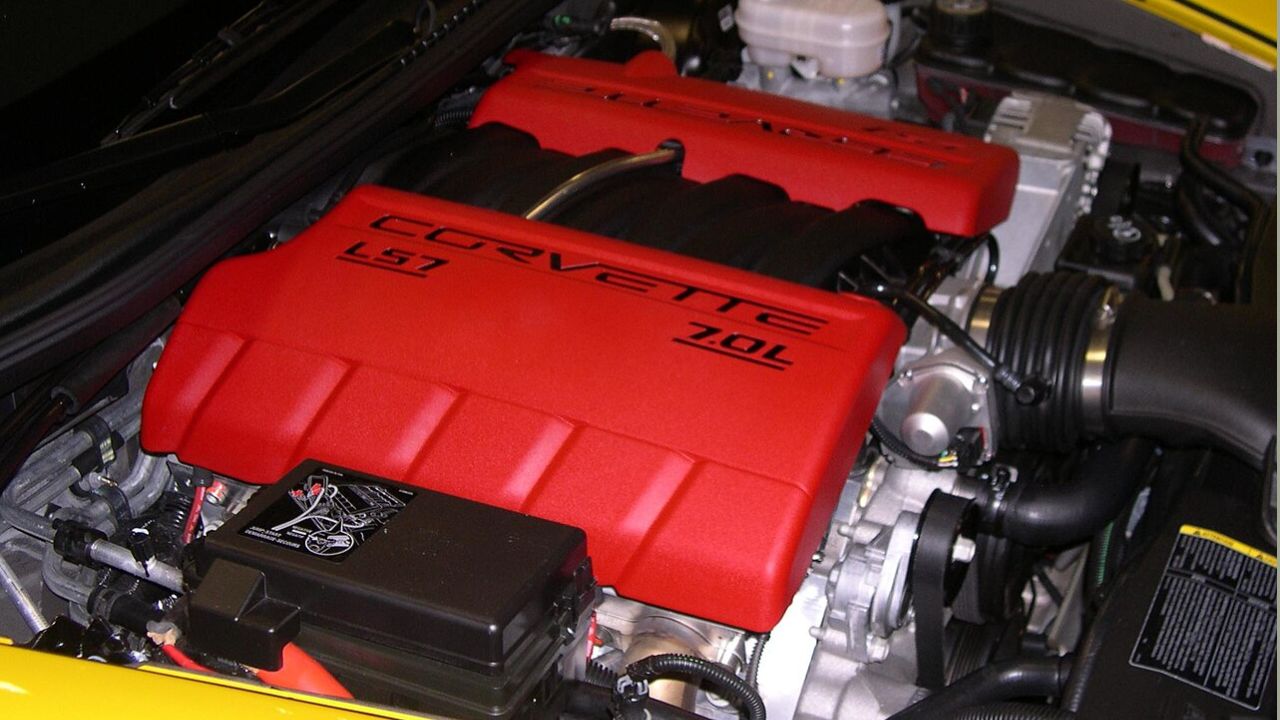
The Chevrolet LS7 engine has become synonymous with track-level performance, offering an impressive combination of raw power and cutting-edge engineering. Its design and capabilities set it apart in the high-performance automotive arena, making it a favorite among enthusiasts and professionals alike. As I delve into the intricate details of the LS7, I’ll explore the innovations and features that contribute to its reputation.
Overview of the LS7 Engine
The LS7 engine, a member of Chevrolet’s well-known LS family, was first introduced in the 2006 Corvette Z06. This powerhouse quickly captured the attention of automotive enthusiasts and performance drivers due to its advanced technology and impressive specifications. With a displacement of 7.0 liters, it’s one of the largest naturally aspirated engines in the LS lineup, showcasing Chevrolet’s commitment to power and performance.
Key specifications include a maximum output of 505 horsepower at 6,300 RPM and 470 lb-ft of torque at 4,800 RPM. When compared to other LS variants, like the LS3 and LS9, the LS7 stands out due to its unique features such as a dry-sump oiling system and a lightweight aluminum block. These elements not only contribute to better performance but also enhance the overall driving experience, making the LS7 a formidable competitor on both the street and the track.
Engineering Marvel: Design and Construction
The design and construction of the LS7 engine are a testament to modern engineering. The engine block is made from high-strength aluminum, which significantly reduces weight while maintaining structural integrity. Additionally, the LS7 features titanium connecting rods and intake valves, further contributing to its lightweight nature. This focus on materials is crucial, as a lighter engine can improve handling and acceleration, key factors for track enthusiasts.
Innovative design features, such as the LS7’s large-bore architecture, allow for optimal airflow and combustion efficiency. The engine’s intake manifold is designed to promote high airflow and reduce turbulence, which is vital for maximizing power output. The lightweight construction of the LS7 plays a significant role in track performance, as it enables vehicles equipped with this engine to achieve remarkable agility and responsiveness, essential qualities for any competitive racing application.
Power and Performance Metrics
When it comes to power and performance, the LS7 does not disappoint. With a horsepower rating of 505 and a torque output of 470 lb-ft, this engine delivers exhilarating acceleration and speed. In practical terms, vehicles like the 2006 Corvette Z06 equipped with the LS7 can sprint from 0 to 60 mph in just over 3.5 seconds, showcasing its impressive capabilities on the track.
In comparison to its competitors, the LS7 holds its ground firmly. For instance, when pitted against the Ford Mustang GT500 or Nissan GT-R, the LS7’s performance metrics stand out, particularly in track settings where power-to-weight ratio and handling are critical. The LS7 has been tested in various vehicles, consistently demonstrating superior performance, making it a favorite for those seeking a thrilling driving experience.
Advanced Technology and Features
The LS7 engine is packed with advanced technology that enhances its performance capabilities. One of the standout features is its fuel injection system, which utilizes a precise direct injection method. This technology allows for better fuel atomization, leading to improved combustion efficiency and overall power output. Coupled with an efficient intake system, the LS7 ensures that the engine breathes optimally, even under extreme conditions.
Another notable feature is the camshaft design and timing, which are meticulously crafted to optimize power delivery across the RPM range. The LS7 utilizes a high-lift camshaft that enhances airflow and increases horsepower without sacrificing reliability. Moreover, the engine is equipped with forged internals—such as pistons and crankshafts—designed to withstand the rigors of high-performance racing. These components not only contribute to the engine’s robustness but also allow for modifications that can push power levels well beyond factory specifications.
Building the LS7: Modifications for Enhanced Performance
For those looking to push the LS7’s capabilities even further, there are numerous modifications available to boost horsepower beyond factory specifications. Popular options include upgrading to high-performance camshafts, enhanced fuel systems, and improved exhaust systems. These modifications can significantly increase the engine’s output, providing an exhilarating driving experience for track enthusiasts.
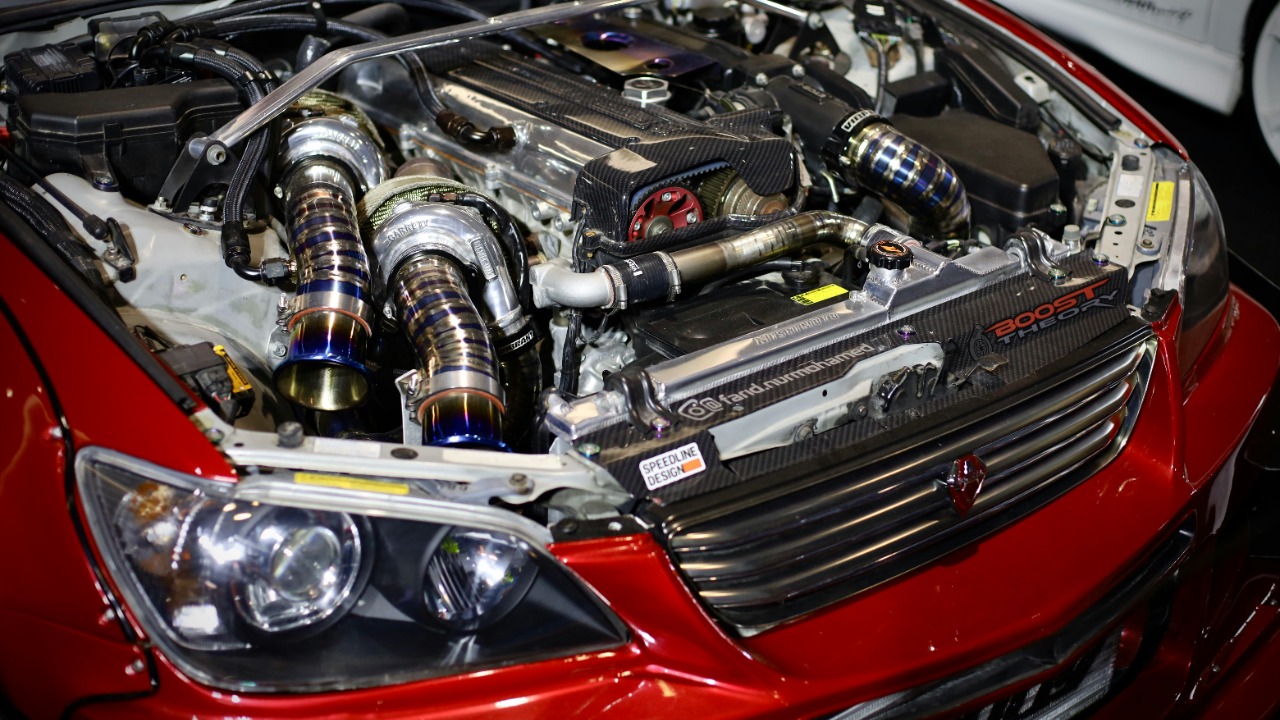
One notable approach involves supercharging the LS7, which has been shown to dramatically increase power levels. For instance, a well-executed supercharger installation can elevate the LS7’s output to well over 700 hp, making it a fierce contender in any racing scenario. A comprehensive guide on building an LS7 highlights various methods and approaches that enthusiasts can take to achieve extreme performance levels, including twin-turbo setups that can push the engine past 1,000 hp.
Applications of the LS7 in Chevrolet Models
The LS7 engine has been featured in several iconic Chevrolet models, most notably the Corvette Z06, which debuted with this powerhouse in 2006. The Z06 quickly became a benchmark for performance cars, thanks to the LS7’s exceptional power delivery and handling characteristics. The Camaro Z/28, released in 2014, also utilized the LS7, further solidifying its status as a performance legend.
Beyond street applications, the LS7 has made a significant impact in motorsports, where its reliability and power are highly valued. Racing teams have adopted the LS7 for various applications, from road racing to drag racing, thanks to its ability to perform under demanding conditions. The engine’s success in competitive environments underscores its prowess and adaptability, making it a top choice for performance-minded drivers.
Maintenance and Care for Track Enthusiasts
To keep the LS7 performing at its best, regular maintenance is essential. This includes routine oil changes using high-quality synthetic oils, as the LS7’s high-revving nature requires optimal lubrication to function efficiently. Additionally, monitoring the engine’s cooling system is crucial, as track conditions can lead to increased temperatures, potentially affecting performance.
Common issues to watch for include oil leaks and valve train noise, which may signal the need for inspection. It’s also wise for track enthusiasts to consider recommended upgrades, such as aftermarket cooling systems or enhanced brake components, to maintain optimal performance during high-stress situations. Proper care ensures that the LS7 continues to deliver exhilarating performance mile after mile, keeping enthusiasts on the track and off the sidelines.
The Future of LS7 and High-Performance Engines
The future of high-performance engines like the LS7 is being shaped by several trends in automotive technology. With increasing focus on emissions regulations and sustainability, manufacturers are looking for ways to balance power and environmental responsibility. The evolution of the LS7 may include advancements in hybrid technology or alternative fuels, aiming to maintain performance while reducing environmental impact.
As automotive technology continues to advance, the potential for the LS7 to adapt and evolve is significant. Innovations in materials and engineering processes could lead to even more powerful and efficient iterations of this legendary engine. The ongoing demand for high-performance vehicles ensures that engines like the LS7 will remain relevant, continually pushing the boundaries of what’s possible in the world of automotive engineering.
Community and Culture Surrounding the LS7
The LS7 has garnered a passionate following among automotive enthusiasts, with numerous online communities and forums dedicated to sharing knowledge, experiences, and modifications related to this engine. Platforms like LS1Tech and CorvetteForum are filled with discussions about performance builds, maintenance tips, and troubleshooting advice, creating a vibrant culture around the LS7.
This engine has also made a significant impact on car culture, often featured in shows and events that highlight performance vehicles. Enthusiasts showcase their LS7-powered builds, emphasizing creativity and innovation in modifying their cars for both performance and aesthetics. Notable projects include custom builds that feature the LS7 in unexpected vehicle platforms, proving its versatility and appeal beyond traditional applications.
More from Fast Lane Only