The Plymouth GTX is a classic muscle car that has captivated enthusiasts for decades, particularly the rare version that boasts a unique engine configuration. With only 58 units ever produced, this article delves into the intricacies of the rarest GTX engine bay, exploring its history, specifications, and the allure that keeps collectors searching for these elusive models.
History of the Plymouth GTX
The Plymouth GTX made its debut in 1967 as a high-performance variant of the Plymouth Belvedere, quickly establishing itself as a contender in the rapidly growing muscle car market. With a focus on performance, the GTX was marketed as “The Sporty Road Runner,” attracting buyers looking for speed and style. In its early years, the GTX featured a range of powerful engine options, including the legendary 440 cubic inch V8, which laid the groundwork for its reputation among automotive enthusiasts.
The evolution of the GTX through the late 1960s and early 1970s saw significant design changes and engine options, reflecting the shifting trends in consumer preferences and regulatory challenges. By 1971, the muscle car market faced increasing scrutiny due to emissions regulations, leading to a variety of changes. The introduction of the rare engine variant in this model year marked a pivotal moment in the GTX’s history, as Plymouth aimed to provide a blend of performance and compliance with the new standards.
Specifications of the Rare Engine
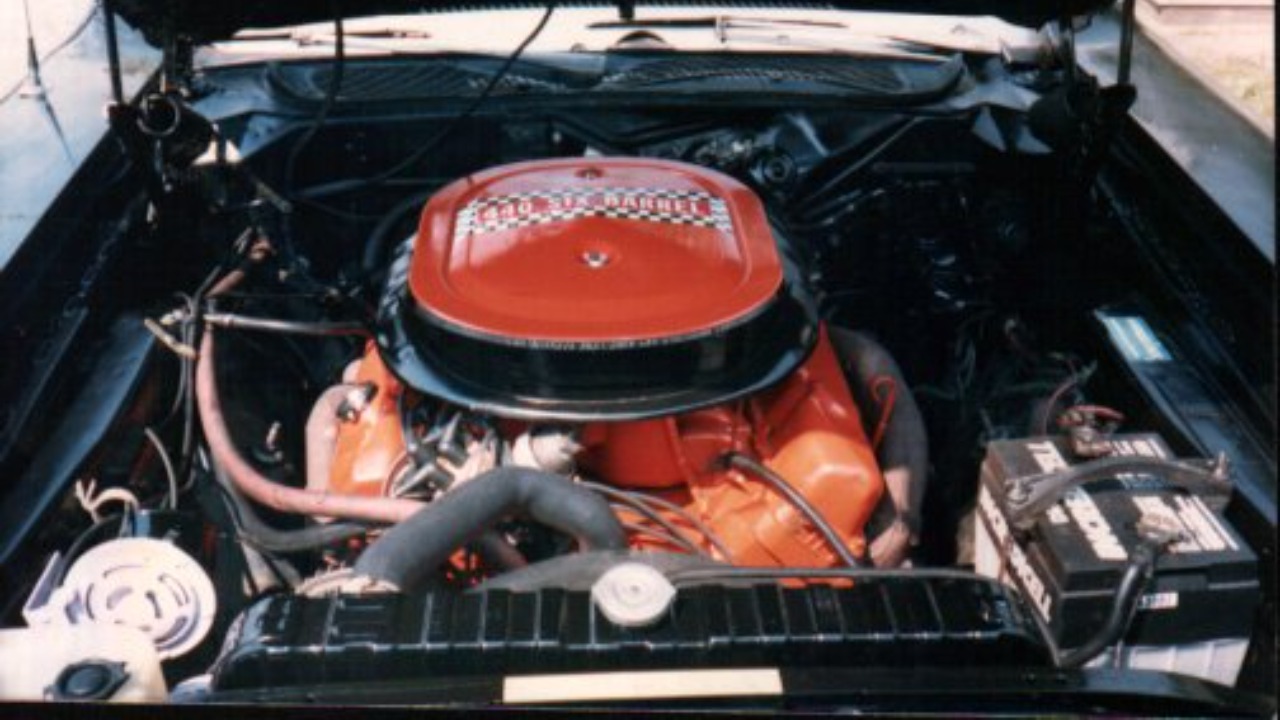
The rare engine variant of the 1971 Plymouth GTX is a marvel of engineering, boasting impressive specifications that differentiate it from its contemporaries. This particular engine configuration features a 440 cubic inch (7.2 liters) V8, delivering an astounding 375 horsepower and 480 lb-ft of torque. These numbers were significant for the time, especially considering the increasing restrictions placed on engine performance due to tightening regulations. The engine was paired with either a four-speed manual or a three-speed automatic transmission, allowing for a variety of driving experiences.
When compared to other engine options available for the GTX during its production run, the rare variant stands out for its blend of power and style. While the standard 383 cubic inch V8 offered a respectable performance, it was the 440 that truly captured the hearts of enthusiasts. Insights from Mopar insiders reveal that engineering challenges were faced in producing this engine, particularly with the need to balance performance and emissions compliance, leading to innovative solutions that would influence future muscle car designs.
Production Numbers and Rarity
The limited production run of just 58 units for the rare engine variant of the GTX is a significant factor contributing to its desirability among collectors. The reasons for these low numbers are multi-faceted, ranging from Plymouth’s strategic decisions to changing market conditions. As consumer interest began to shift away from high-performance vehicles due to increasing fuel prices and insurance costs, production of the 440 V8 variant dwindled, making these models even more scarce.
Today, the rarity of this engine variant is palpable in the collector market, where values for these cars have skyrocketed. Anecdotes from collectors reveal the lengths they will go to in search of these elusive models, often traveling across states or even internationally to find a GTX with the rare engine. Engaging with communities on forums like For B Bodies Only provides insights into the ongoing passion for these vehicles, where stories of discoveries and restorations are shared among enthusiasts.
The Allure Among Collectors
The allure of the rare GTX engine bay continues to attract collectors and muscle car enthusiasts alike. For many, owning a piece of automotive history is motivating enough, but the unique specifications and limited production numbers elevate the GTX to a status symbol among classic car aficionados. Interviews with collectors reveal a shared sentiment: the thrill of the hunt is just as exhilarating as the ownership experience itself. One collector I spoke with recounted his journey of searching for a 1971 GTX, describing the emotions tied to finally finding a model in pristine condition.
Community forums and car shows play a significant role in preserving interest in the GTX. Events like the Muscle Car and Corvette Nationals provide a platform for enthusiasts to come together, showcasing their vehicles and sharing knowledge. The stories exchanged at these gatherings often revolve around the rare engine variant, highlighting its impact on automotive culture and the camaraderie among collectors. The excitement surrounding the rare GTX is infectious, as fans of the brand continue to celebrate its legacy.
Maintaining and Restoring the GTX
Maintaining the rare engine of a Plymouth GTX requires special care and attention to detail. Best practices include regular oil changes using high-quality lubricants and ensuring that cooling systems are functioning optimally to prevent overheating. Given the age of these vehicles, it’s also crucial to inspect and replace any worn components, particularly in the engine bay where heat and wear take their toll over time.
Restorers face unique challenges in sourcing original parts for the rare engine variant. Many components are no longer in production, leading enthusiasts to rely on specialty suppliers or resort to fabrication. Tips from experts emphasize the importance of keeping detailed records of any modifications or restorations to ensure authenticity. For those committed to preserving their GTX in pristine condition, joining clubs or online communities can prove invaluable, offering resources and connections to fellow restorers.
Legacy and Impact on Automotive Culture
The Plymouth GTX’s influence on the muscle car era is undeniable, as it played a significant role in shaping the automotive landscape of the 1960s and 1970s. Known for its performance and style, the GTX helped define what a muscle car should be, inspiring countless enthusiasts and manufacturers. Its rarity only adds to its legacy, as stories surrounding the limited production numbers contribute to the narrative of American muscle cars. The GTX serves as a reminder of a time when raw power and performance were paramount, providing a nostalgic glimpse into the golden age of American automotive engineering.
As the years go by, the Plymouth GTX continues to hold its place in automotive history. The rarity of the GTX engine bay contributes to its allure, making it a sought-after model among collectors and car enthusiasts. Future prospects for the GTX remain bright, as its significance is recognized not only by collectors but also by automotive historians. The ongoing interest in muscle cars ensures that the legacy of the Plymouth GTX will endure, inspiring future generations to appreciate its unique contributions to automotive culture.
More from Fast Lane Only
- Unboxing the WWII Jeep in a Crate
- 15 rare Chevys collectors are quietly buying
- 10 underrated V8s still worth hunting down
- Police notice this before you even roll window down
*Research for this article included AI assistance, with all final content reviewed by human editors.