The muscle car world has come a long way since the late ’60s, when raw displacement and minimal creature comforts ruled the streets. Today, we’ve got cars that are faster, safer, and more refined than ever—but they’re also more complex, more expensive, and arguably less connected to the pavement. So the question stands: are we living in a better era, or did the golden age get it right the first time?
Let’s break it down—power, handling, sound, price, and what it all really feels like behind the wheel.
1. Horsepower Numbers Have Skyrocketed
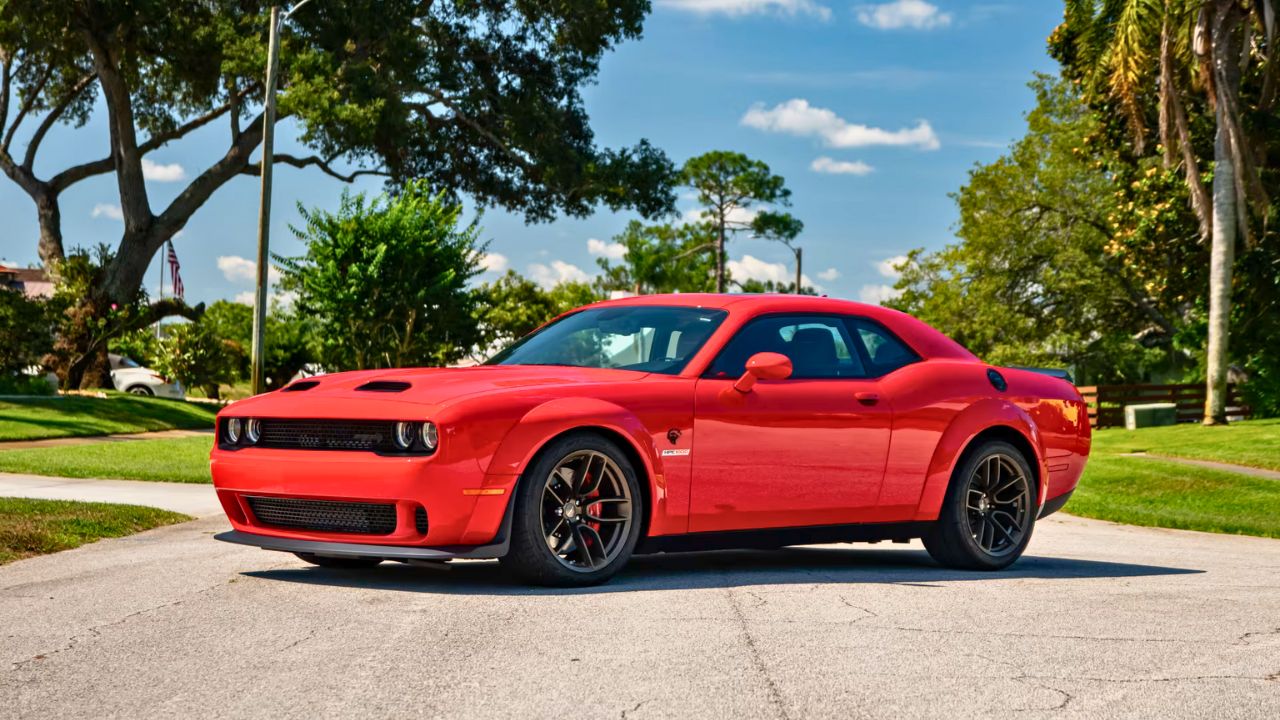
Back in the late ’60s and early ’70s, cars like the 1970 Chevelle SS 454 made headlines with 450 horsepower. That was serious power for the time. But today’s Dodge Challenger SRT Hellcat Redeye pushes out 797 horsepower straight from the factory, without needing race gas or drag slicks.
Modern muscle cars benefit from tech like supercharging, direct injection, and precise ECU tuning. While classic muscle did it with displacement and carburetors, today’s machines are wringing out more power from smaller, more efficient setups.
2. Acceleration is on a Different Level
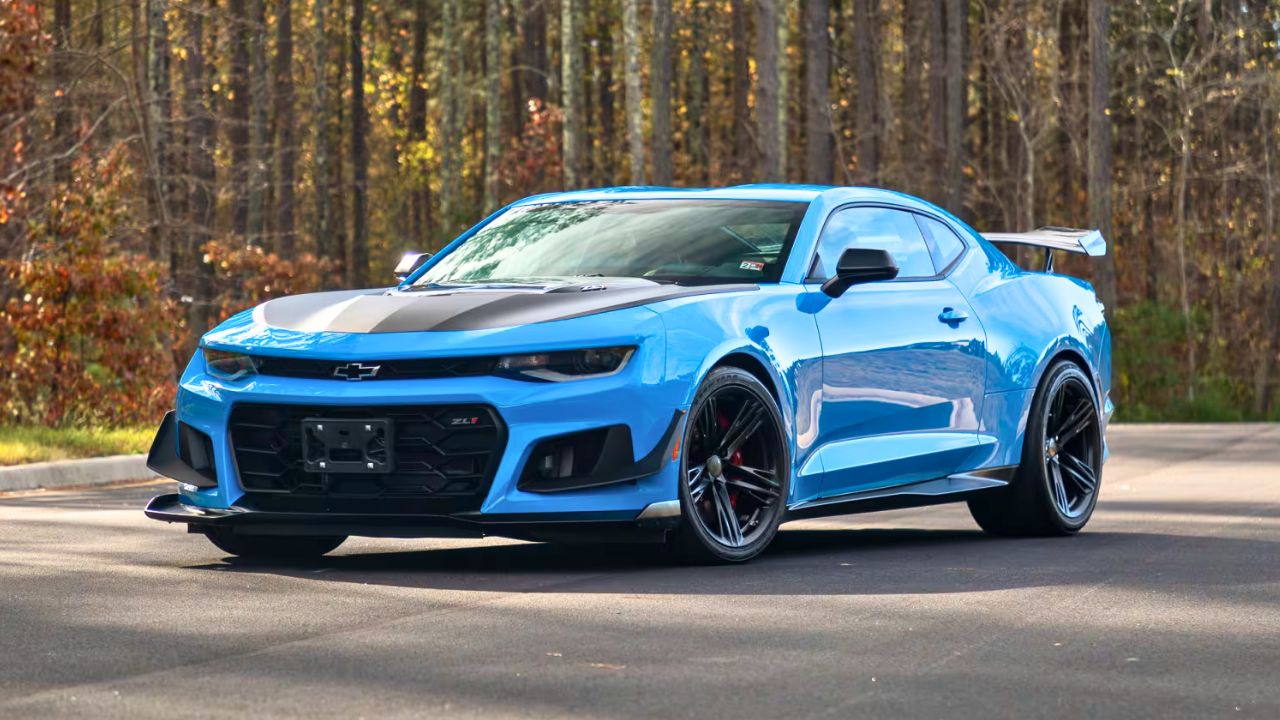
A 1970 Boss 429 Mustang was quick for its day—0 to 60 in just under six seconds. But today, a bone-stock Camaro ZL1 will hit 60 in about 3.5 seconds. Some Teslas are even quicker, but they lack the visceral drama.
The difference comes down to traction control, launch assist, and sticky tires. Old-school cars lit up the rear wheels; modern ones hook and go. That said, nothing beats the raw, mechanical feeling of wrestling a ’60s big block through first gear.
3. Handling Isn’t Even Close
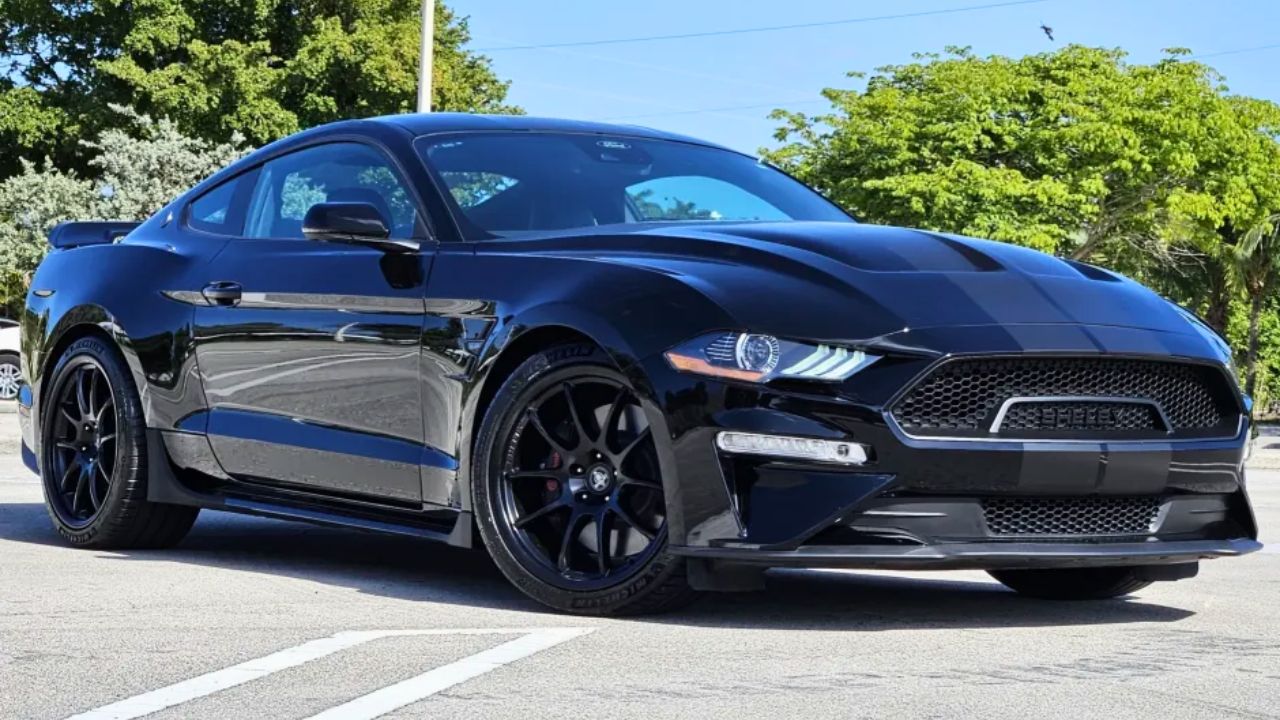
Most vintage muscle cars weren’t built for curves. They had leaf springs, vague steering, and more body roll than a fishing boat. Cars like the ’68 Charger R/T looked great cruising straight but flinched at every tight bend.
Compare that to a modern Mustang GT Performance Pack with MagneRide suspension, independent rear suspension, and Brembo brakes. Today’s muscle cars aren’t just fast—they can turn. That’s a major shift in purpose and ability.
4. Interiors Are No Longer an Afterthought
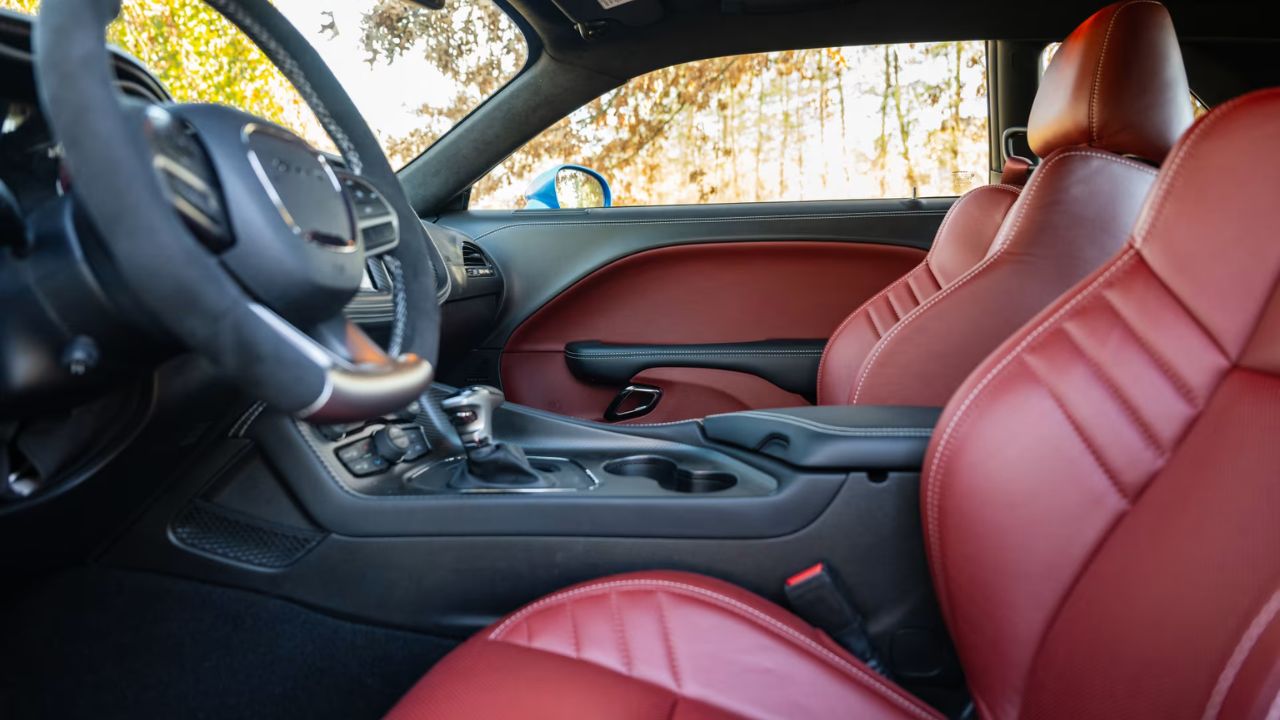
Slide into a ‘69 GTO and you’ll find vinyl everything, a basic speedo, and little insulation. It was all about the engine, not the cabin. Fast forward to today’s Challenger or Charger, and you’ve got heated and ventilated leather seats, digital gauge clusters, and Apple CarPlay.
While purists love the simplicity of the original layouts, it’s hard to argue with the comfort and convenience of modern interiors. Road trips in a 2024 muscle car don’t leave your ears ringing or your back sore.
5. Safety Has Changed the Game
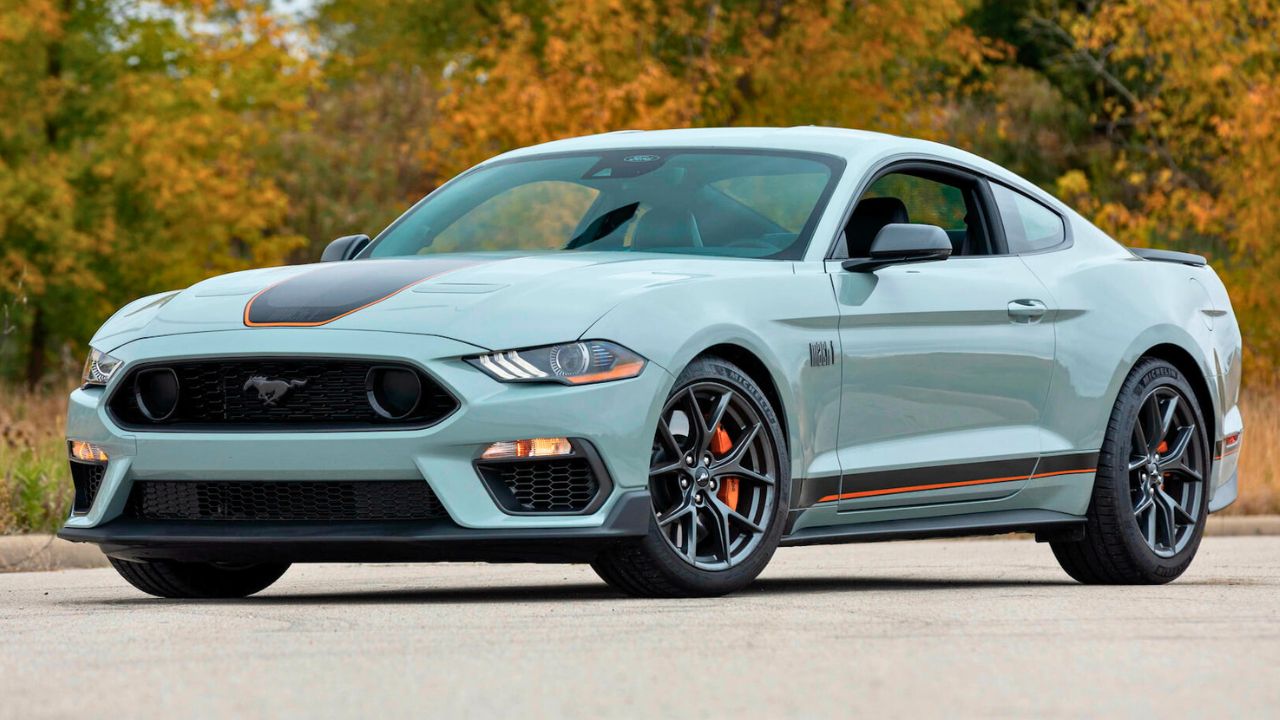
Seatbelts were optional in many early muscle cars. Airbags? Forget it. Crumple zones and traction control weren’t even on the radar. If you lost it on a corner, the car didn’t help you.
Now, cars like the Mustang Mach 1 come with lane-keep assist, blind spot monitoring, and multiple airbags. That doesn’t make them sterile—it makes them survivable. The thrill is still there, but now there’s a safety net.
6. Fuel Economy is Less Painful
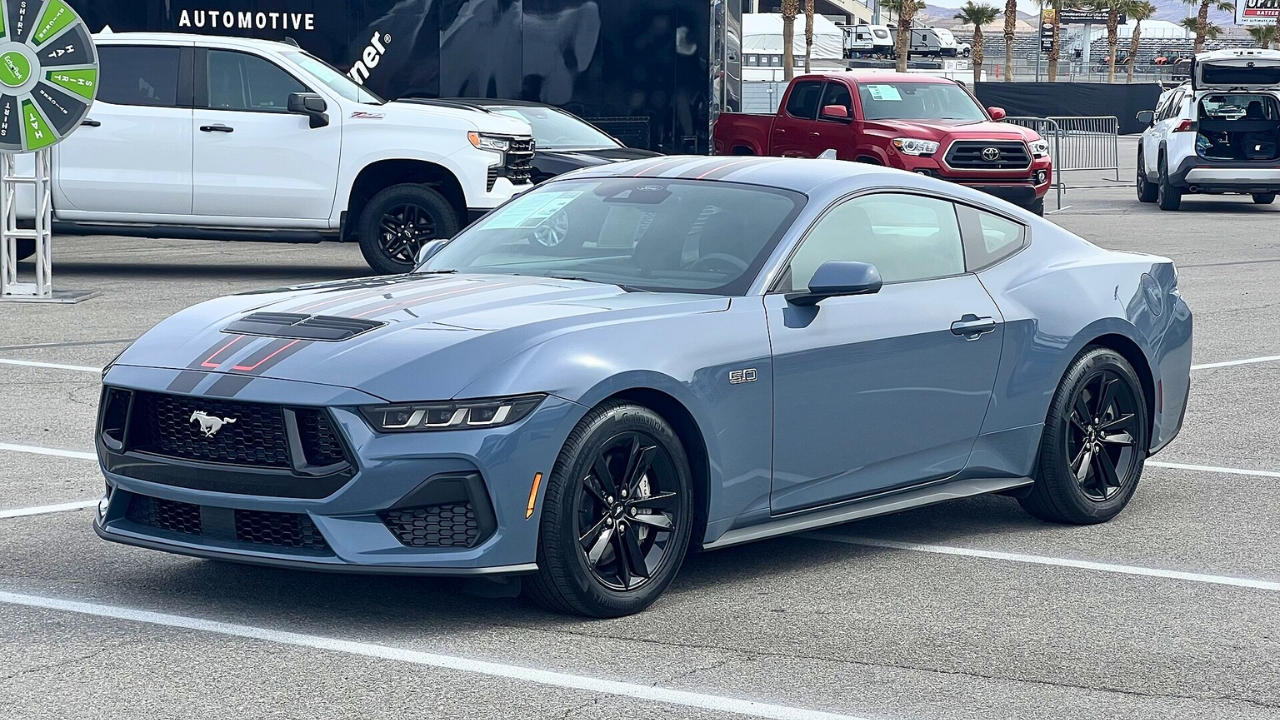
A 1971 Plymouth GTX with a 440 Six-Pack barely touched 10 mpg if you were being nice to it. Today’s muscle cars can double or even triple that. The 2024 Mustang GT manages around 24 mpg highway, and that’s with 480 horsepower.
Variable valve timing, cylinder deactivation, and efficient gearing all help make modern muscle surprisingly usable. You’re not stuck watching the fuel gauge drop every time you pass someone.
7. Sound Has Evolved, But Not Always for the Better
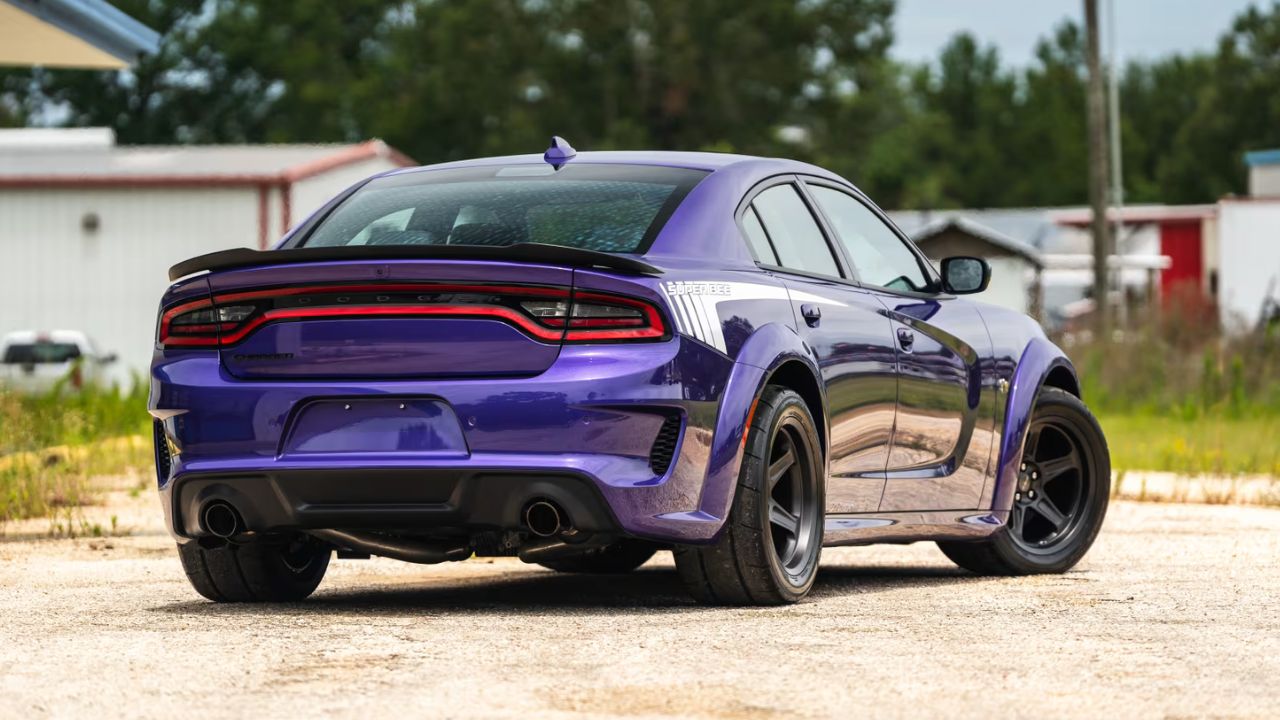
There’s something unmistakable about the idle of a carbureted 396 or the roar of a 440 at full throttle. That rawness is missing from most modern muscle cars, even with active exhaust systems.
Cars like the 2023 Dodge Charger Scat Pack still bark and snarl, but the digital filtering and engineered acoustics can feel a little too…clean. The sound’s still aggressive, just not as untamed.
8. Price to Performance Has Shifted
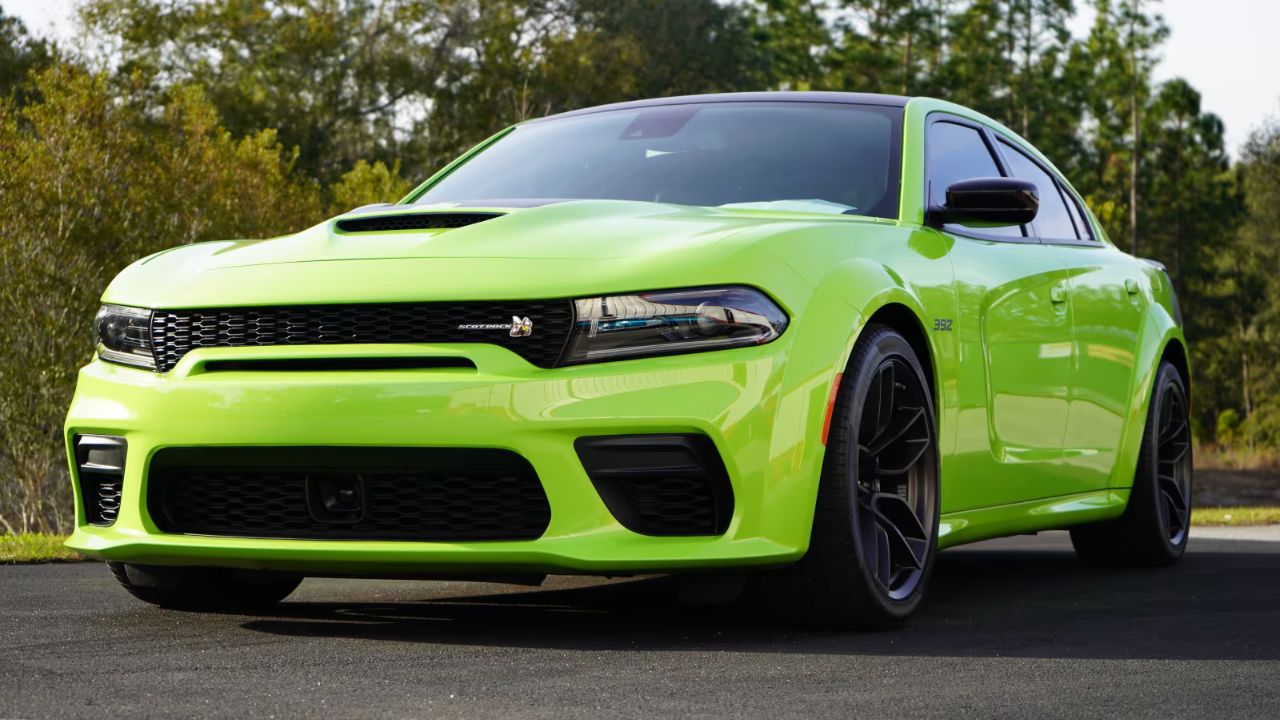
Back in the day, you could get serious power for reasonable money—especially if you skipped options. A ’68 Road Runner was cheap, fast, and loud. Today, you’re often paying upwards of $50K for modern muscle, even more for higher trims.
But you’re also getting traction control, climate control, real brakes, and suspension that actually works. Adjusted for inflation, today’s cars offer more capability per dollar—but the simplicity and rawness of old muscle came cheaper.
9. Style Is a Matter of Taste
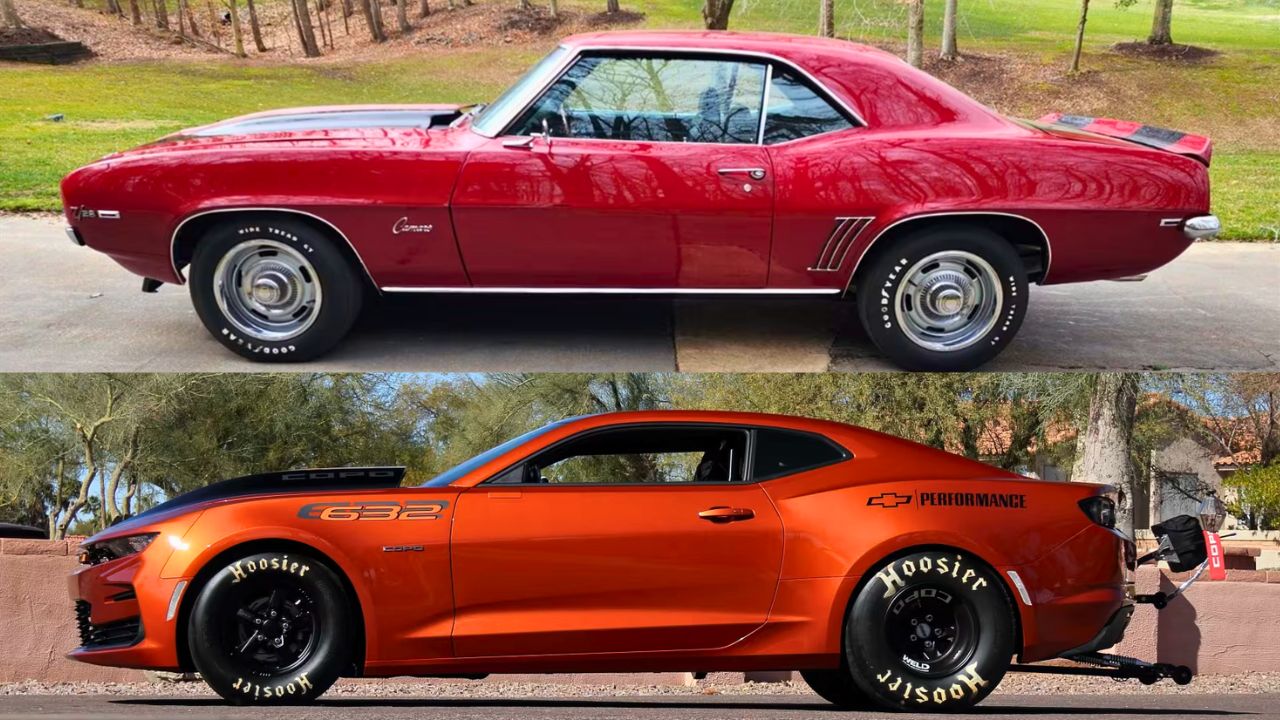
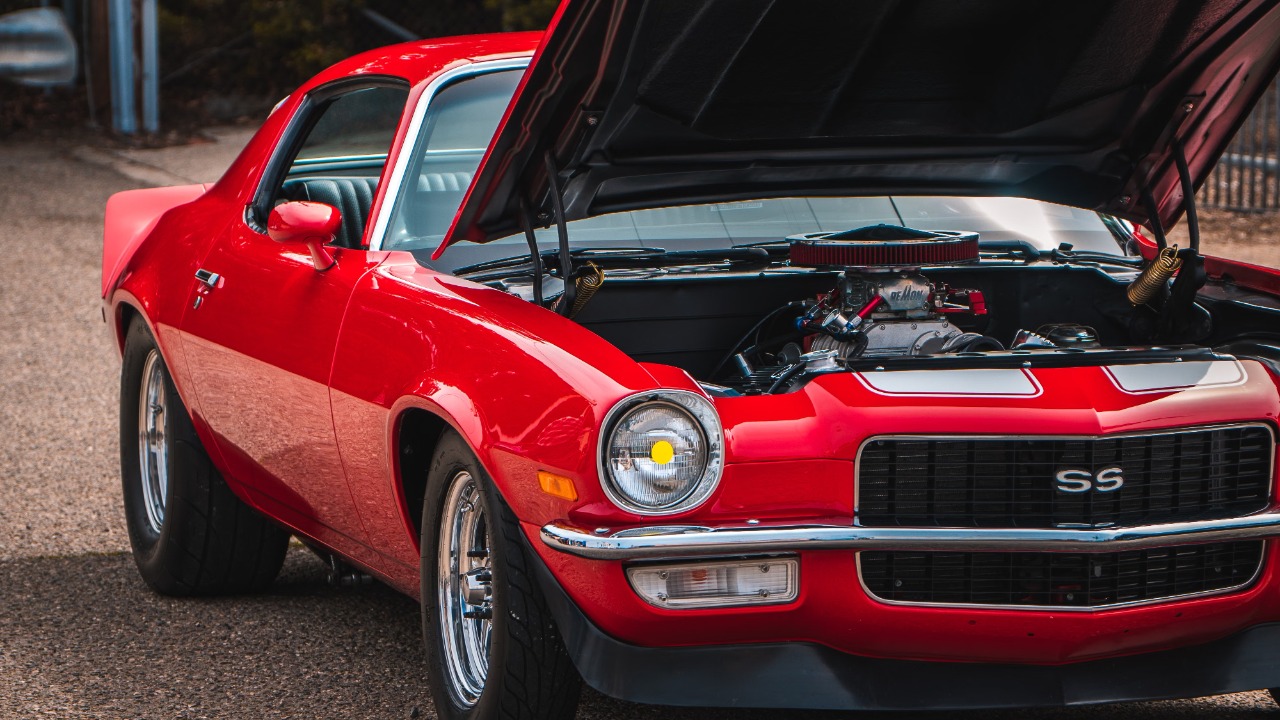
Classic muscle cars were boxy, wide, and full of character. Each had a face and stance you could spot across a parking lot. Today’s muscle tends to echo those lines, but with smoother edges and compliance to pedestrian safety regs.
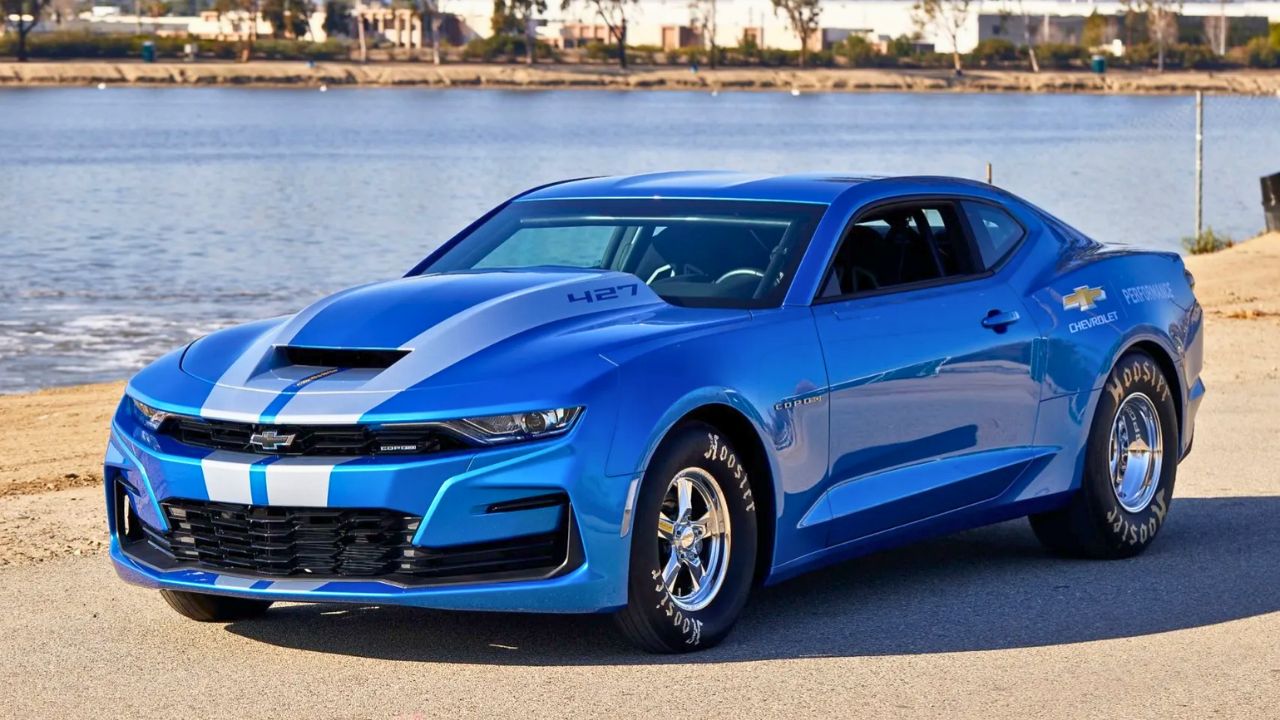
The 2024 Camaro still channels the original’s aggression, but it’s lost some of that brute charisma. Style-wise, it comes down to what you want: retro charm or modern sharpness. Both have their fans.
10. The Culture Has Changed
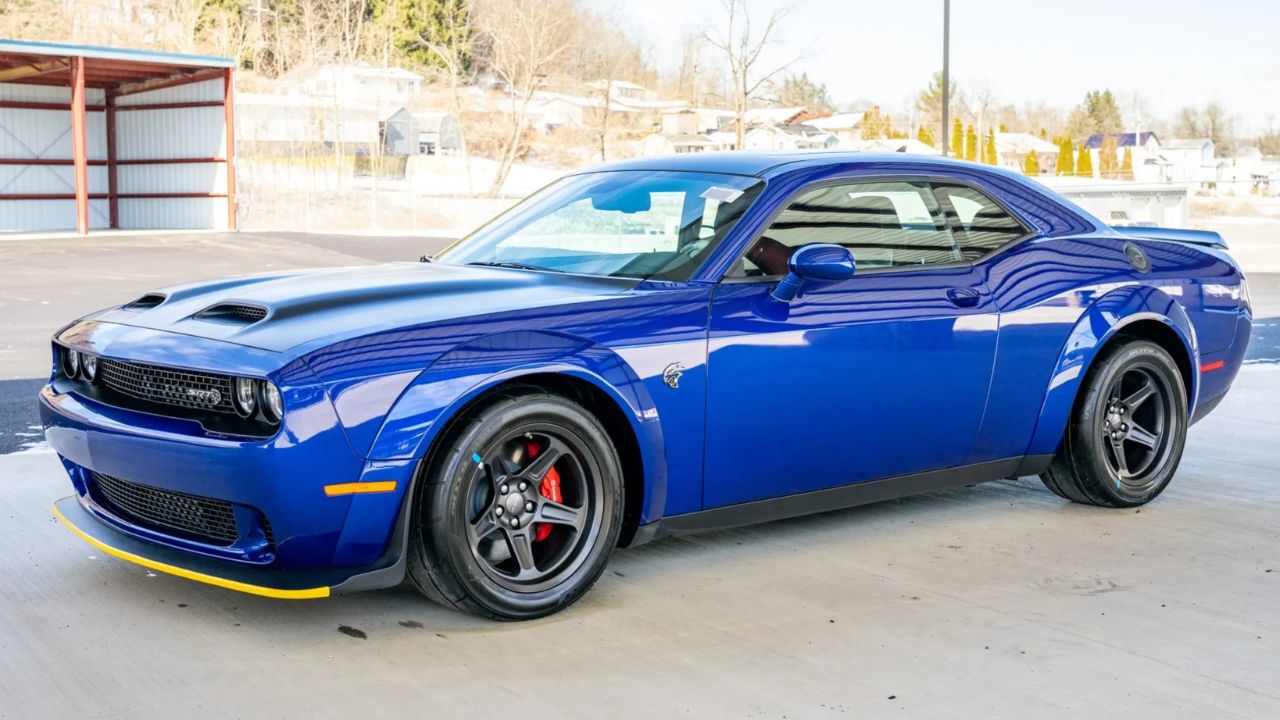
In the ’60s, muscle cars were everywhere—high school lots, cruise nights, and quarter-mile strips. They were accessible and part of the social fabric. Today’s muscle cars are faster and better built, but also more niche.
Modern muscle is often owned by people with good credit and weekend garage space. That old street-racer vibe has given way to Cars & Coffee meets and YouTube dyno videos. It’s still a scene—but it’s not the same scene.
Like Fast Lane Only’s content? Be sure to follow us.
Here’s more from us:
*Created with AI assistance and editor review.