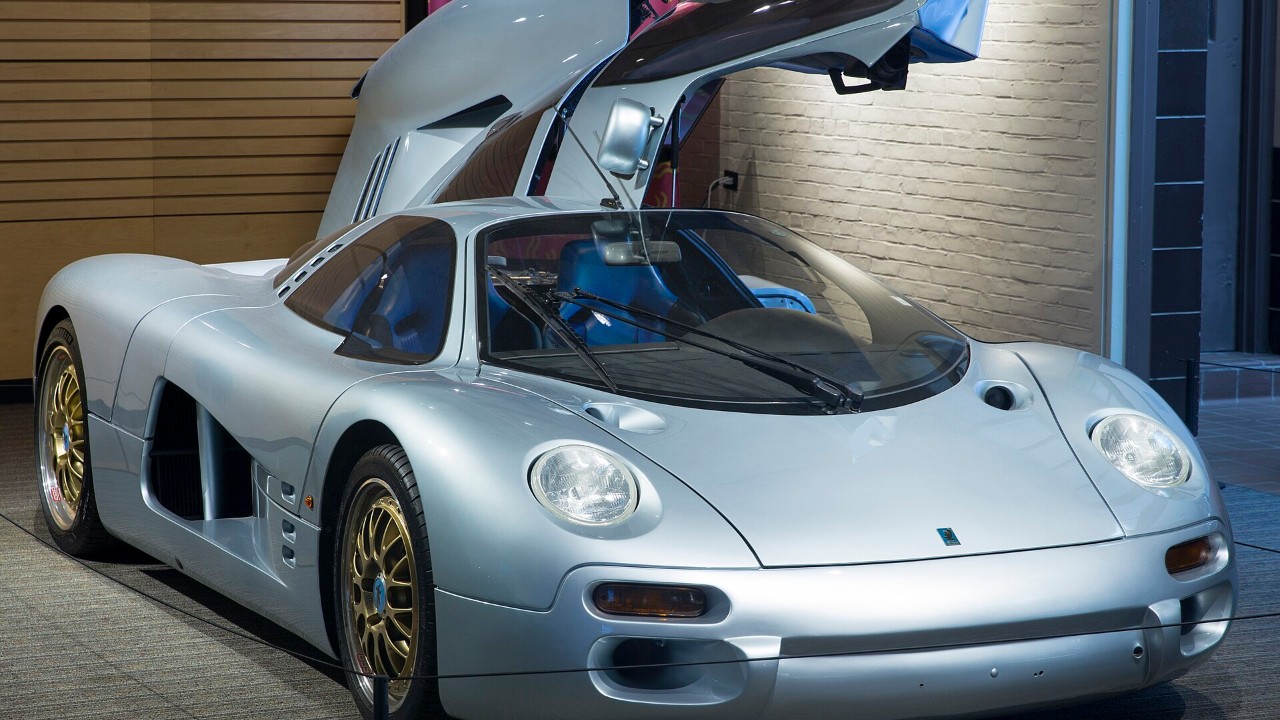
The Isdera Commendatore 112i is a one-off, and that single car sets the tone for this list. Each of these six European sports cars came in single digits, in a short run, or as a road car its maker walked away from. Most people know them from posters, video games or a single museum floor, if at all.
Every count and figure below comes from an auction house, a heritage record or a period report. Where the sources disagree, we say so instead of picking the bigger number.
1. 1993 Isdera Commendatore 112i
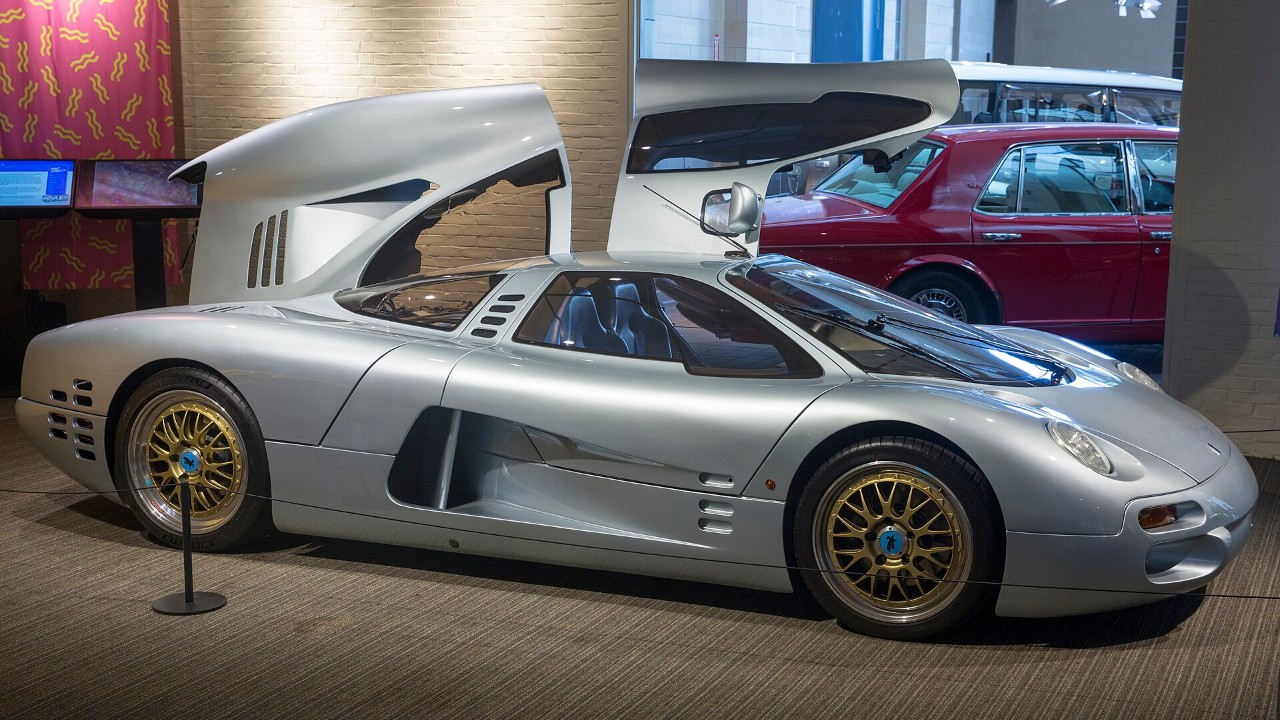
Isdera was a tiny German maker, and it planned the Commendatore as the successor to its Imperator 108i. The name honors Enzo Ferrari. Behind the driver sat a Mercedes-Benz M120 V12, the same engine family later used in the Pagani Zonda. Gullwing doors covered both the cabin and the engine bay, over a fiberglass body and a tubular spaceframe.
According to Hagerty, Isdera finished the car in time for the September 1993 Frankfurt show, and the quad-cam V12 made “an easy 400 horsepower.” Then the money dried up. Much of Isdera’s funding came from Japan, so the slump there sank the plan, and a Swiss consortium took over the company. As a result, only one Isdera Commendatore was ever built. RM Sotheby’s sold that car in Paris in 2021 for €1,113,125.
2. 1970 Monteverdi Hai 450 SS

Swiss maker Monteverdi wanted a mid-engined supercar of its own in 1970. It chose American muscle for the job. The Hai 450 SS carried a 426 Chrysler Hemi behind the cabin, and the factory claimed 450 horsepower. It turned on a stand at the 1970 Geneva Motor Show, the car’s public debut.
Monteverdi planned some 49 cars, but only the Geneva prototype found a buyer, according to Car Design News. Later, the company claimed it had built 12 to 14. However, the same report says the strong evidence points to just four. Three of them sit at the Swiss Museum of Transport in Lucerne, so that museum is the best place to see one in person.
3. 1996–2000 TVR Cerbera Speed 12
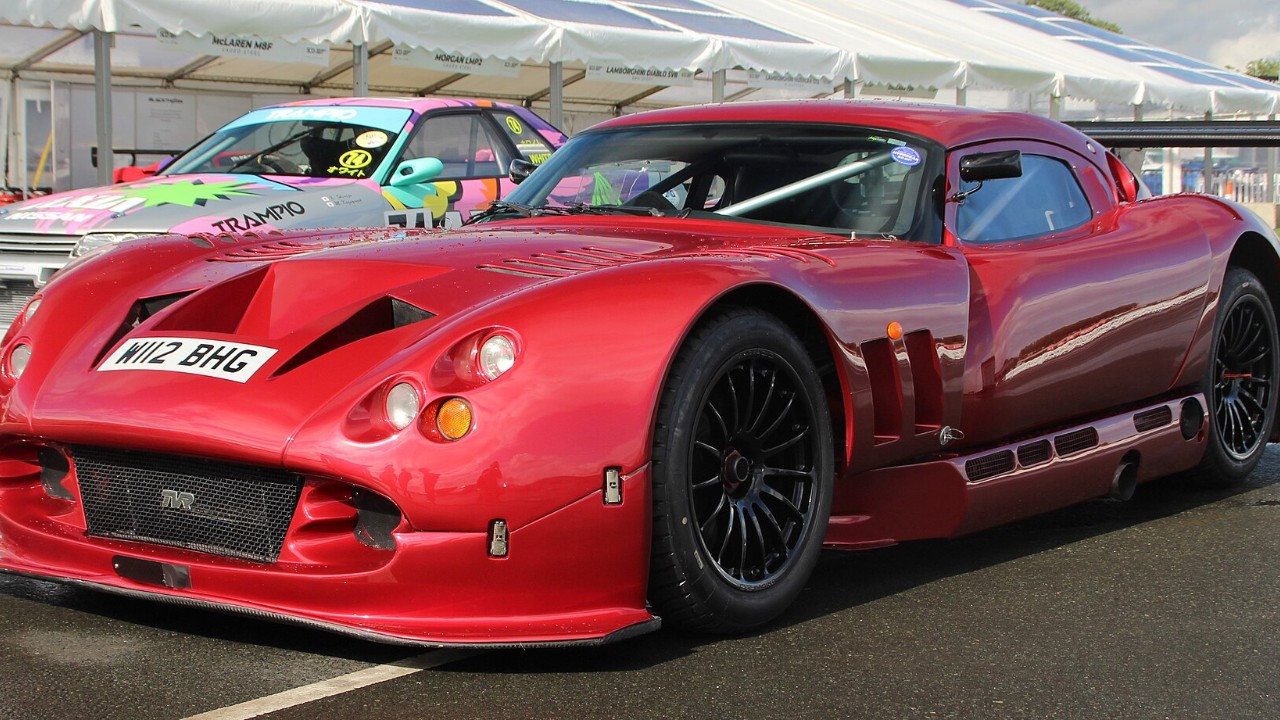
TVR showed Project 7/12 at the 1996 Birmingham Motor Show. The plan was a road car that could beat the McLaren F1 and also race in GT1, Le Mans included. Its 7.7-liter V12 came from joining two Speed Six straight-sixes. Supercars.net reports that the engine made over 1,000 bhp and broke TVR’s dyno.
Then the boss drove it. Peter Wheeler took the car home and decided it was far too extreme for the road, Motor Sport reports. TVR returned the deposits and used the leftover prototypes as parts for the racers. Later, one road car came together from a spare chassis and race-car carbon bodywork, and it remains the only Speed 12 built for road use. Its 7.7-liter V12 carries a rating of 840 bhp.
4. 1999 Pagani Zonda C12
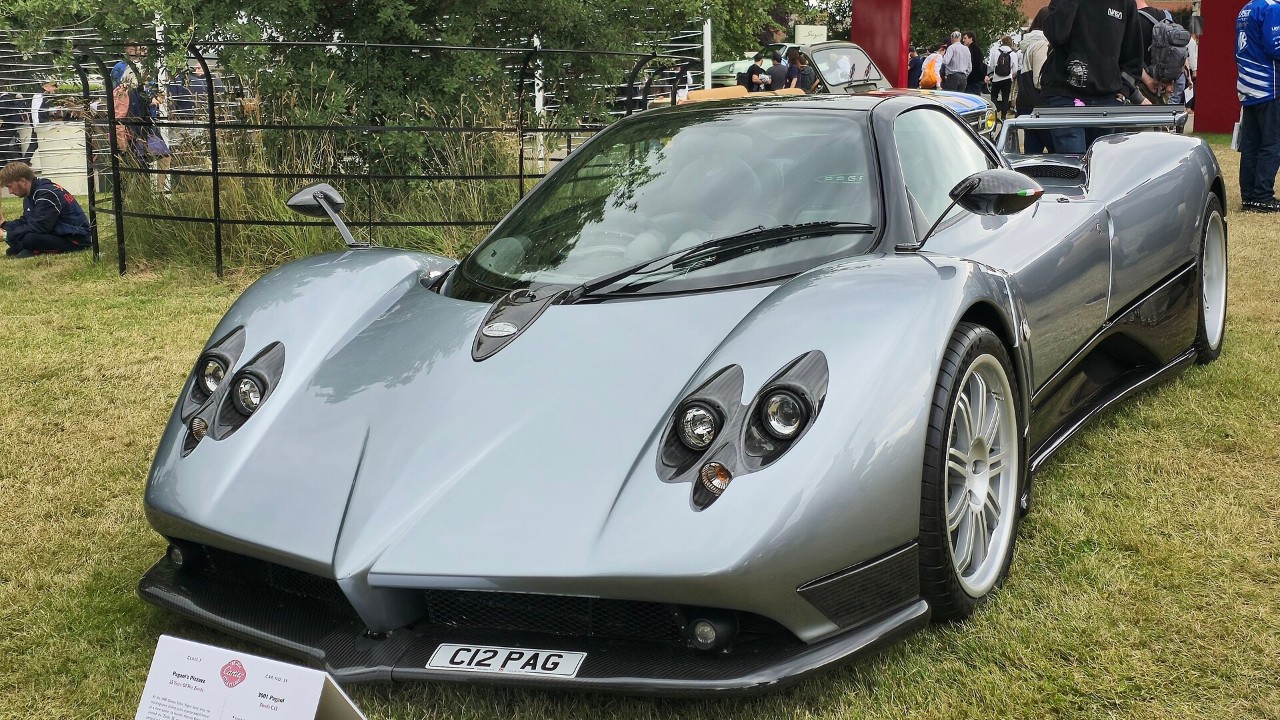
Horacio Pagani first called his car the Fangio F1, after the five-time world champion Juan Manuel Fangio. Fangio died in 1995, and the name became Zonda C12. In fact, the car finally appeared at the Geneva Motor Show in March 1999. It used carbon fiber throughout at a time when most lightweight cars still relied on aluminum.
The first Zonda used a 6.0-liter Mercedes-Benz V12 with 394 horsepower and 420 lb-ft of torque, according to Motor1. It ran 0 to 60 mph in 4.2 seconds and topped out around 185 mph. By comparison with the long line of Zondas that followed, the original barely registers. Pagani built only five cars with that 6.0-liter engine.
5. 1999 Lamborghini Diablo GT
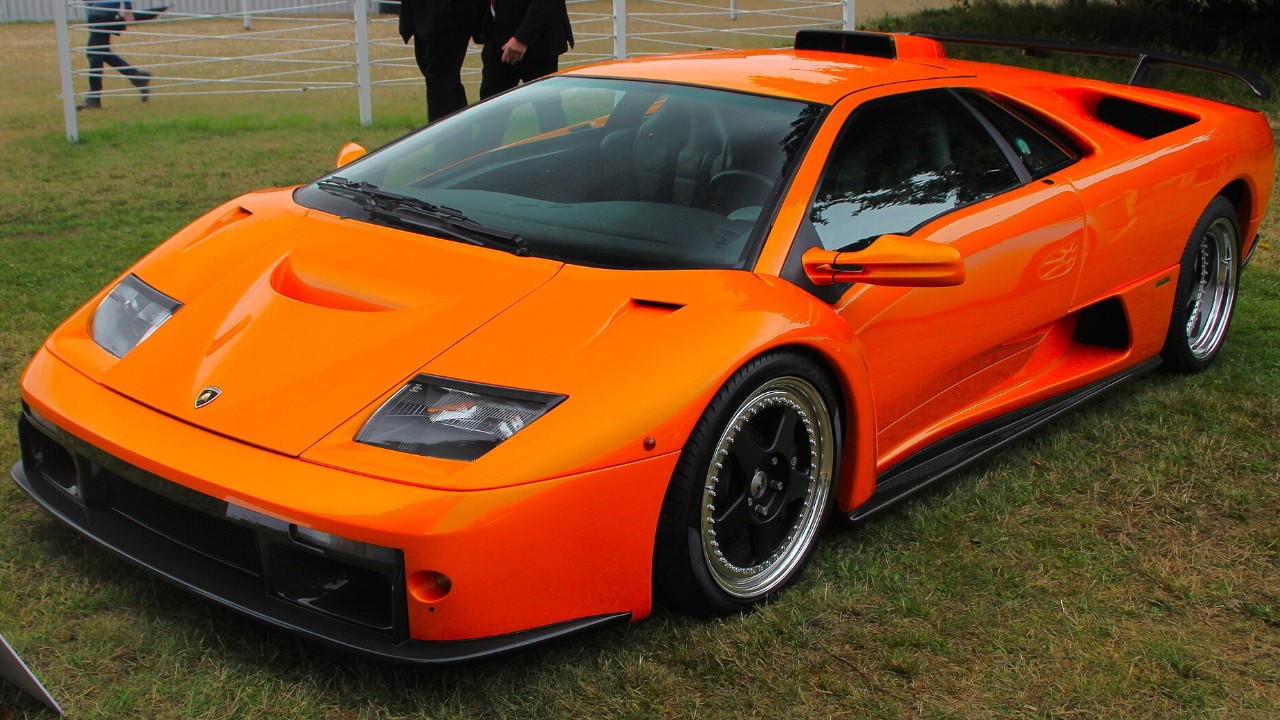
The Diablo GT was a stripped, track-minded Diablo that Lamborghini revealed at Geneva in March 1999. Almost every body panel was carbon fiber, except the roof and the scissor doors. Its 5,992 cc V12 made 575 bhp at 7,300 rpm, according to RM Sotheby’s.
RM puts the run at 80 cars, and the auction house sold the sixth of them in London in 2016 for £515,200. Lambocars adds that Lamborghini earmarked the 80 for Europe, yet delivered 83 by January 2000. Meanwhile, the car was never street-legal in the United States. Several came over anyway, but it’s unclear whether owners could register any of them.
6. 2004–2011 Bristol Fighter
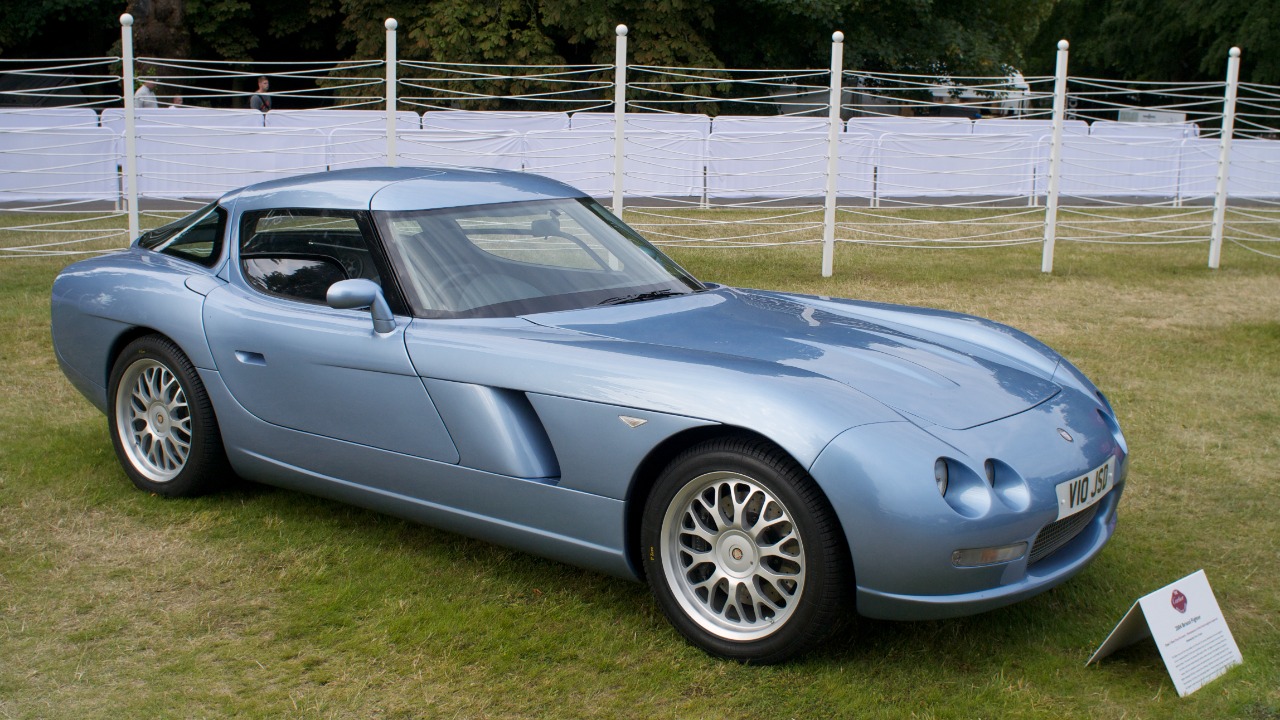
Bristol Cars was a small British maker, and the Fighter was its wildest car: a two-seat coupe with gullwing doors and an 8.0-liter V10 shared with the Dodge Viper. Deliveries began in 2004. The standard car made 525 bhp, and the Fighter S of 2004 raised that to 628 bhp, according to Cars4Starters.
Nobody agrees on the count. Estimates run from eight to 20, and the general view is 12 or 13. Carscoops says Bristol is believed to have built 13 before it entered administration in 2011. Now the story has a new chapter. In September 2026, new owner Paul King unveiled a finished Fighter at Salon Privé, built on one of five unused original chassis, and the company will build the other four to order.
More from Fast Lane Only