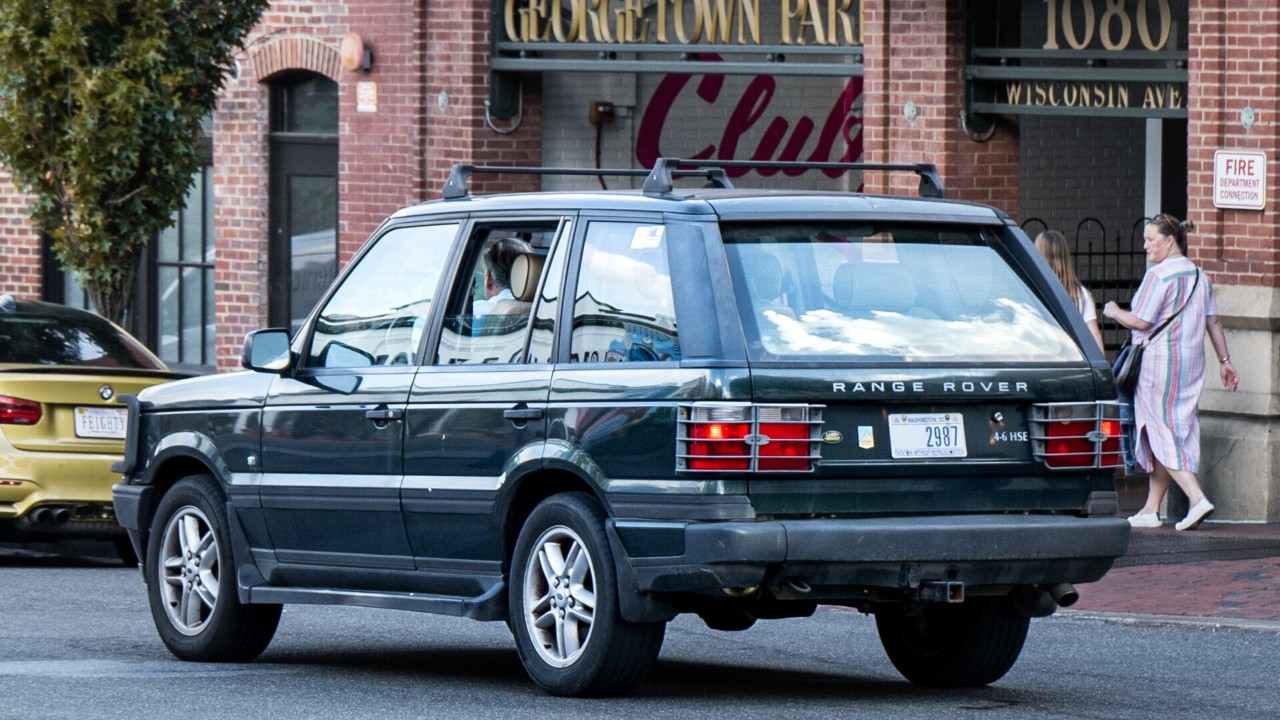
The Range Rover P38A launched in September 1994 with air suspension, a choice of V8s and a BMW diesel. Today it is a cheap way into a big luxury 4×4, and that is exactly why we would slow down before buying one. The same goes for eight other off-roaders on this list.
These are our picks and our opinion, not a verdict from anyone else. Some of these trucks have well-known weak points, some have thin parts support, and some simply ask a lot of an owner. Every fact behind each call comes from a buying guide, a road test, a recall record or a model history.
1. 1994–2002 Range Rover P38A
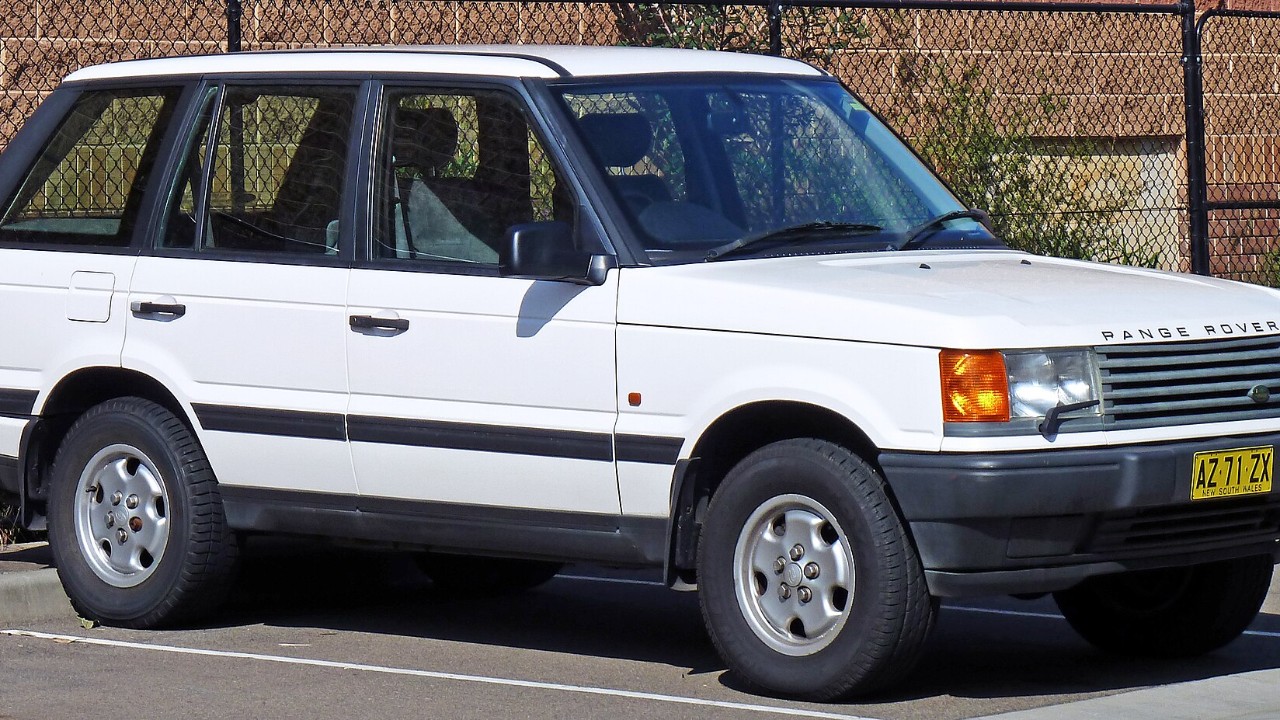
This second Range Rover rode on a 108-inch wheelbase and weighed about two tonnes. Buyers could pick a 190-bhp 4.0-liter V8, a 225-bhp 4.6 or a 2.5-liter BMW turbodiesel. In fact, the diesel averaged 29 mpg with the automatic, while the petrol cars struggled to reach 20.
Our take: we would pass unless the paperwork is thick. Hagerty’s UK buying guide warns that the airbags crack and leak, and the compressor often dies trying to keep up. It also flags slipping V8 cylinder liners, leaking ABS pumps and electrical faults. As a result, the guide calls sub-£2,000 cars high risk.
2. 1997–2006 Land Rover Freelander
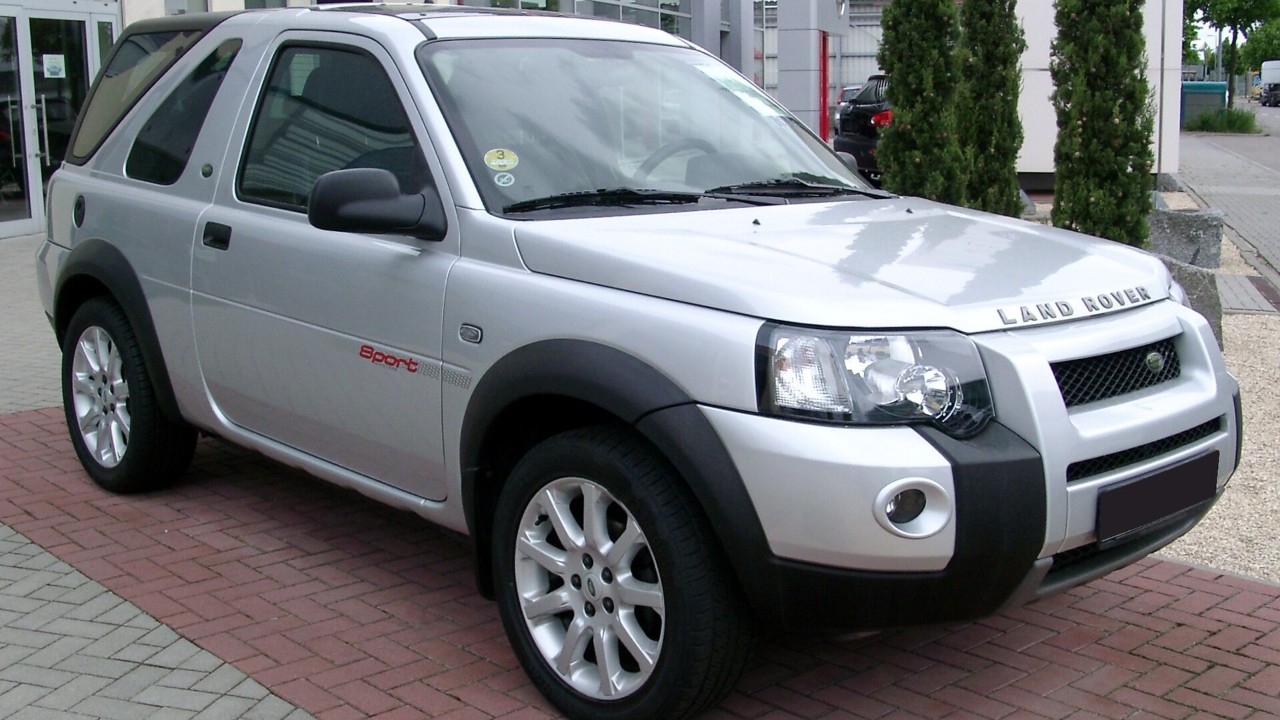
The first Freelander sold well; more than half a million left the line in nine years. It also used Hill Descent Control in place of a low-range transfer box. Engines ran from the 1.8-liter K-Series to a 173-bhp 2.5-liter KV6 and, from 2000, a BMW TD4 diesel.
In our view, the drivetrain is the worry. According to Hagerty’s Freelander guide, the oil inside the viscous coupling thickens until the unit fails. Many owners simply disconnect the rear propshaft, which leaves a front-drive car. Meanwhile, the K-Series needs a timing belt every 72,000 miles or seven years.
3. 1977–2021 Lada Niva
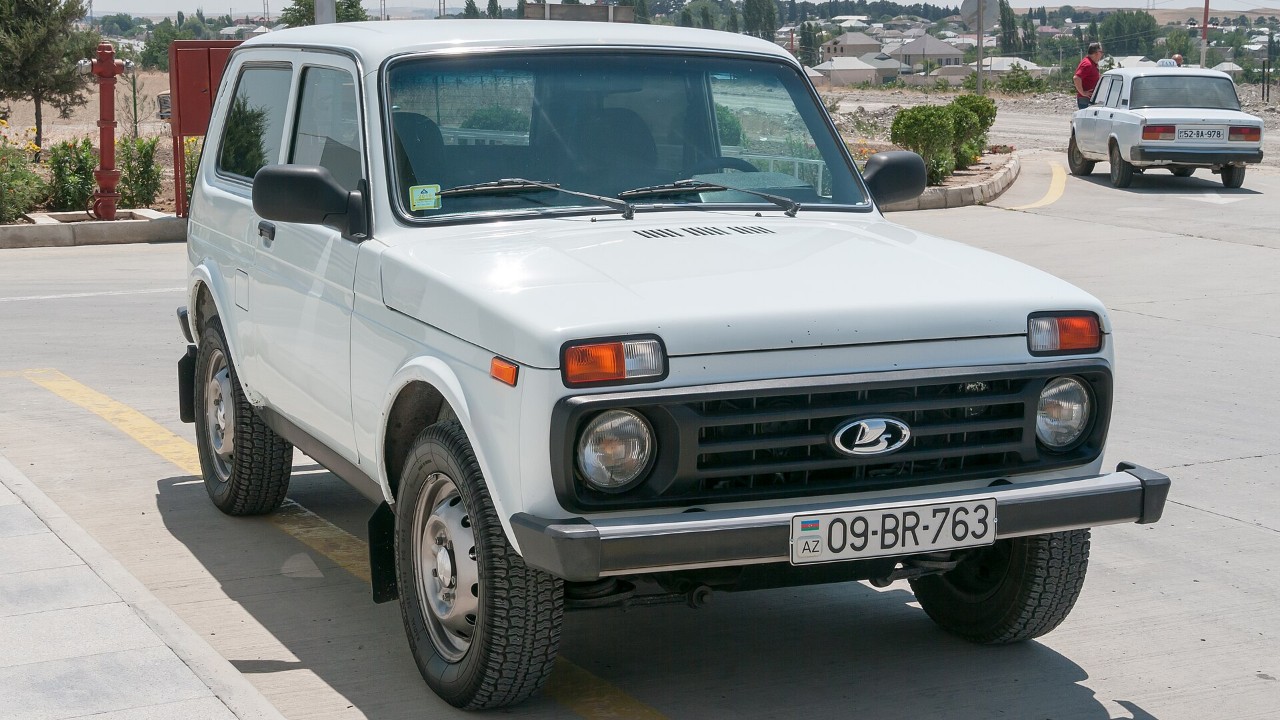
The Niva entered full production in 1977, after a debut at a Soviet Communist Party congress in 1976. It was Lada’s first vehicle not based on a Fiat. Then, in January 2021, Lada revived the Niva name and called its long-running 4×4 the Niva Legend, as Motoring Research reported.
We like the Niva, but we would buy carefully. A Hagerty writer who bought a 2009 Niva in Germany says rust is just about the only thing that can kill one. He also mentions a divorced transfer case that is tricky to align. For American buyers, there is another hurdle: Lada never sold the Niva here.
4. 1995–1997 Suzuki X-90

Suzuki built the X-90 on Sidekick mechanicals, then gave it two seats, a trunk and removable T-top panels. Power came from a 1.6-liter four with 95 hp and 98 lb-ft. Buyers could choose rear drive or four-wheel drive, plus a five-speed manual or an automatic.
Our view is that fans should buy with eyes open. Consumer Guide’s used-car file lists trouble spots, including a T-top mechanism that can jam and front spindles that get noisy in the cold. It also notes that the transfer-shift lever on automatics can stick, which can damage the transfer case. Cargo space, by comparison, is just 8.4 cubic feet.
5. 2006–2010 Jeep Commander

The Commander was Jeep’s first SUV with a third row. It shared the Grand Cherokee’s 109.5-inch wheelbase, and buyers could pick a 210-hp V6, a 235-hp 4.7-liter V8 or a 330-hp Hemi. However, MotorWeek’s 2006 road test found the third row better suited to kids and recorded 16 mpg.
We would check the recall history first. The NHTSA data on conceptcarz’s recall page covers a transfer case that could slip into neutral on 2006–2010 trucks. It also lists an ignition switch a driver’s knee could knock out of run on 2006–2007 models. Finally, 24,461 early 4.7-liter Commanders needed a stall fix.
6. 2002–2009 Hummer H2
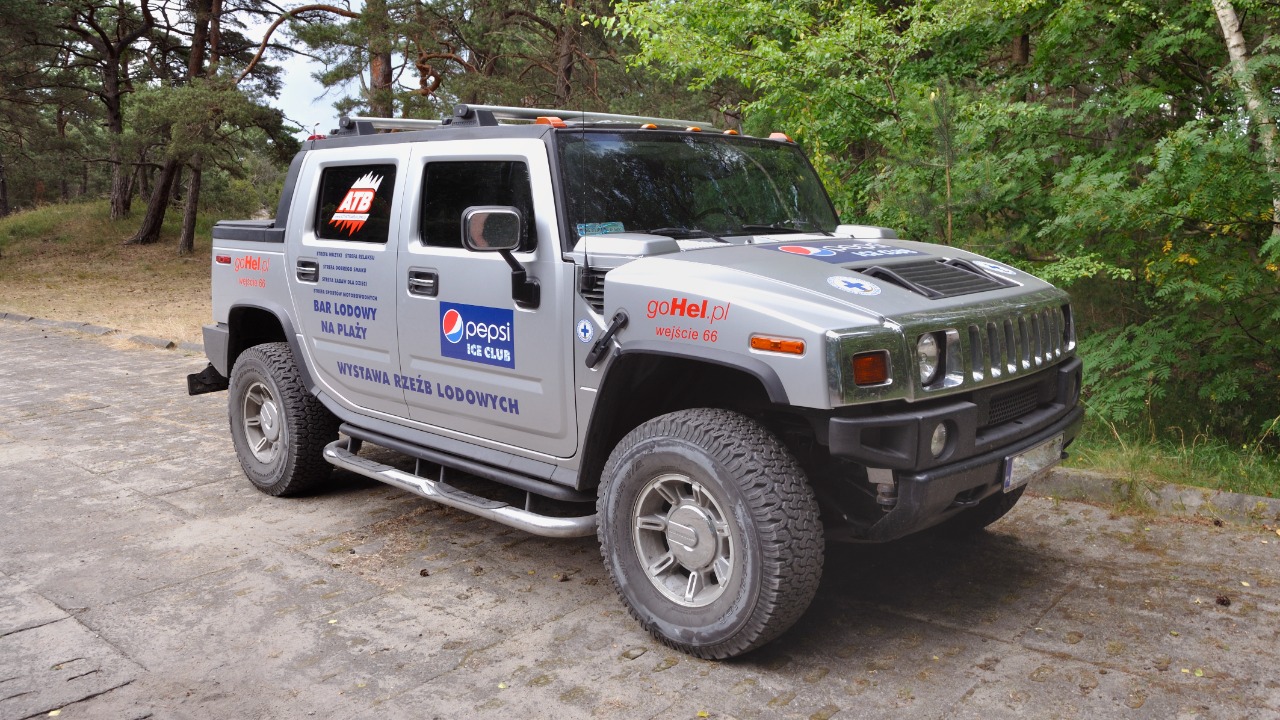
Hummer built the H2 on a Tahoe-based platform. A 2003 review on The Auto Channel lists a 6.0-liter Vortec V8 with 315 hp and 360 lb-ft. A four-speed automatic and 17-inch all-terrain tires completed the package.
Our hesitation is the running cost. The same reviewer averaged around 10 mpg, and the tank holds 32 gallons. Besides, the H2 was a true five-passenger vehicle with 40 cubic feet of cargo space behind the seats, despite its size. For that reason, we think buyers should be honest about how much they will drive one.
7. 1989–2002 Daihatsu Rocky
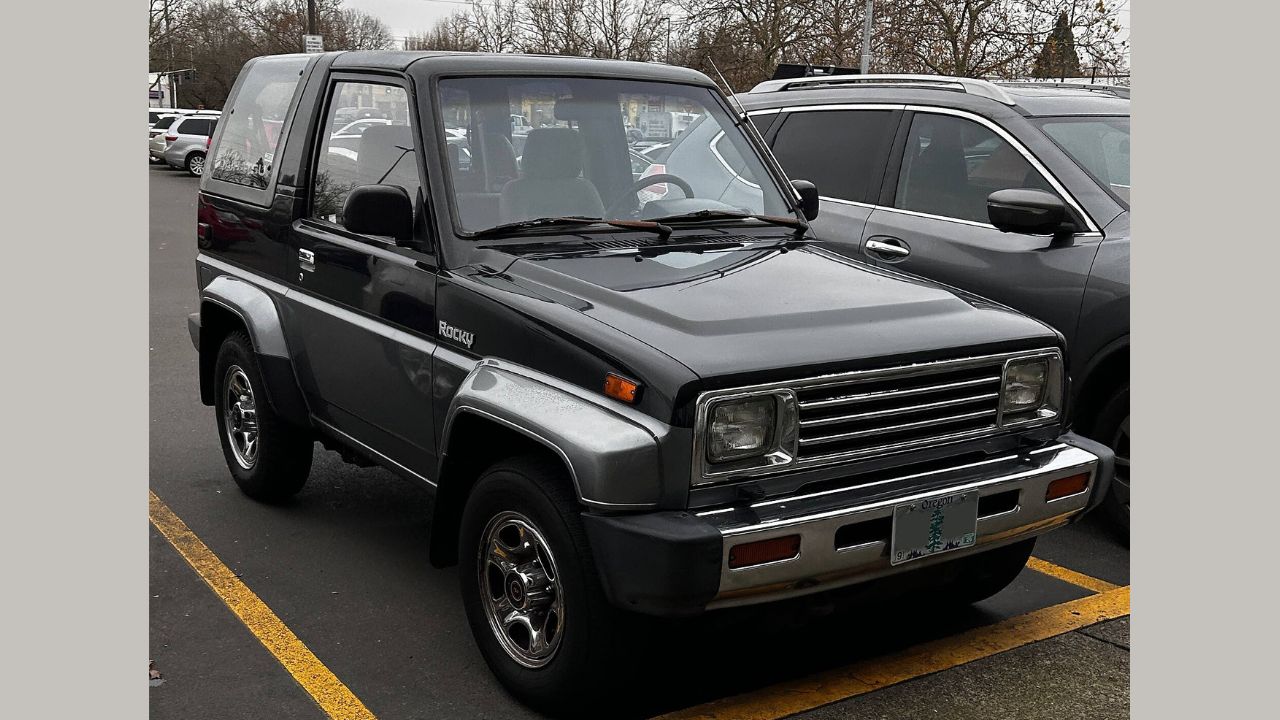
The Rocky had a ladder frame, four-wheel drive with low range and a locking center differential. American trucks used a 90-hp fuel-injected 1.6-liter four. Elsewhere, buyers knew it as the Sportrak or Feroza, and later versions got a 1.8.
We would think hard about parts. According to Old Motors’ history of the Rocky, only 7,429 sold in the U.S. from 1990 to 1992. Then, on February 15, 1992, Daihatsu announced it would stop importing cars. In our view, a small, orphaned truck needs an owner willing to hunt for spares.
8. 1997–2001 Isuzu VehiCROSS

Isuzu sold the VehiCROSS in Japan from 1997 to 1999 and in the U.S. from 1999 to 2001. Total output was 5,958, with 4,153 for America. A 3.5-liter V6 made 215 hp, and the base price was $28,900, as Silodrome’s history records.
Isuzu stamped the body panels with ceramic dies to save time and money. However, Hagerty notes that those dies wore out after the run. That’s why, in our view, crash damage on such a low-volume truck is the thing to fear. A buyer should check every panel before handing over cash.
9. 1997–2004 Mitsubishi Pajero Sport
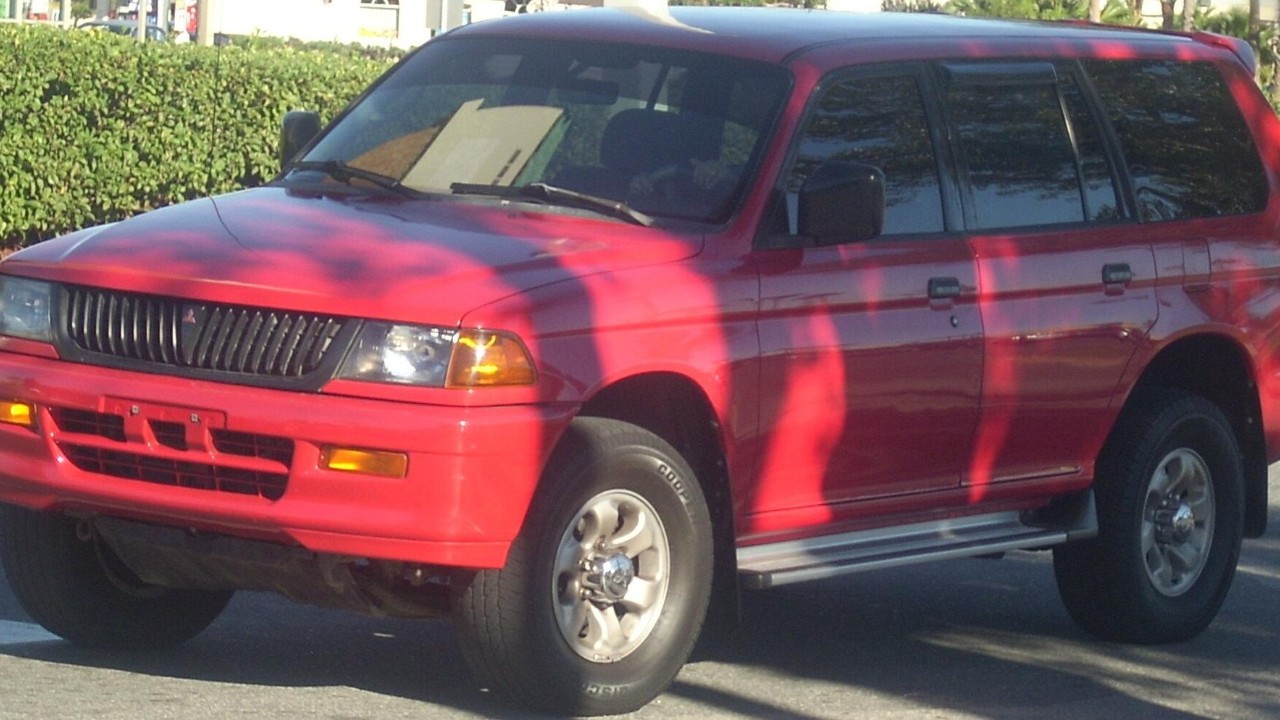
Americans knew this one as the Montero Sport, and it arrived here in 1997. Curbside Classic says it borrowed heavily from the Triton pickup and shared the second Montero’s wheelbase. Early trucks used leaf springs at the rear, but coil springs replaced them in 2000.
Our take: we would skip the earliest trucks. The 3.5-liter V6 arrived in 1999 with the Limited trim, and full-time all-wheel drive followed in 2002. By 2004, the 3.5 was the only engine. Curbside Classic also calls the truck crude but effective, so a later one makes more sense to us.
More from Fast Lane Only