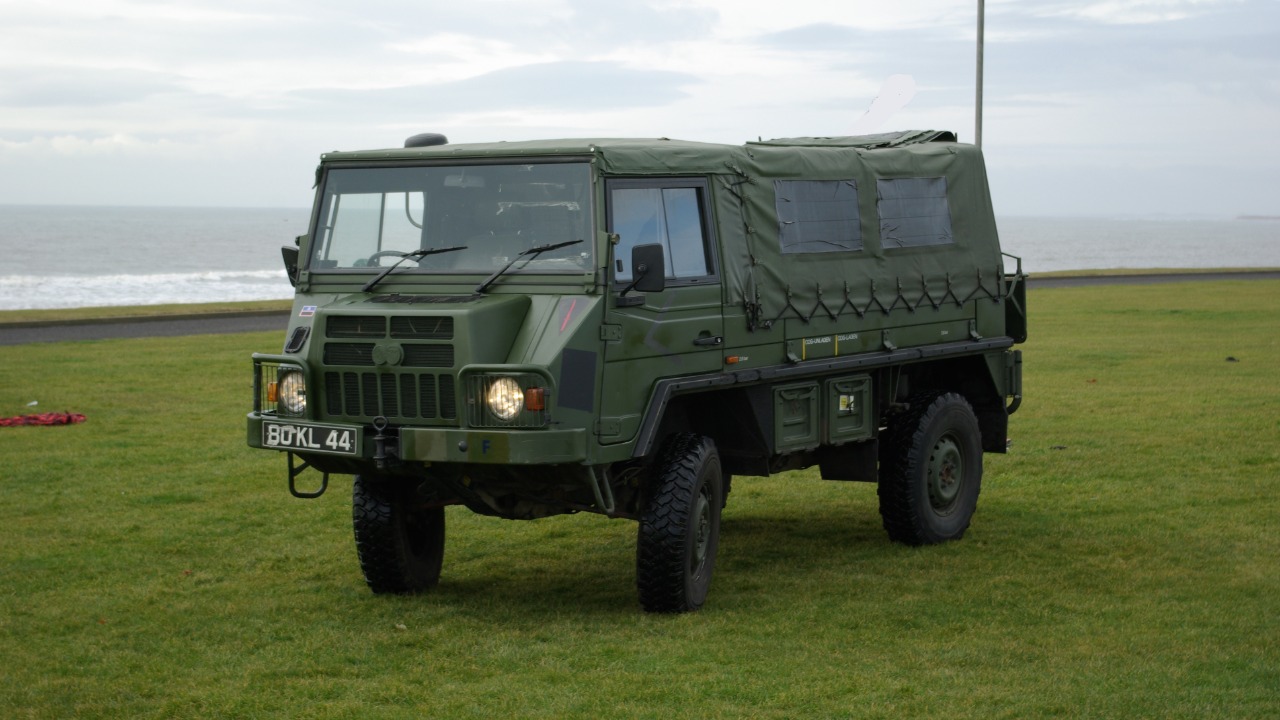
The Steyr-Puch Pinzgauer pairs an air-cooled engine with portal axles and a central tube chassis. That kind of stubborn engineering ties together every truck on this list.
These 18 are our picks, from the Steyr-Puch Pinzgauer to the older Haflinger, and each verdict is our own take, backed by the record.
1. 1979–1992 Mercedes-Benz G-Class W460
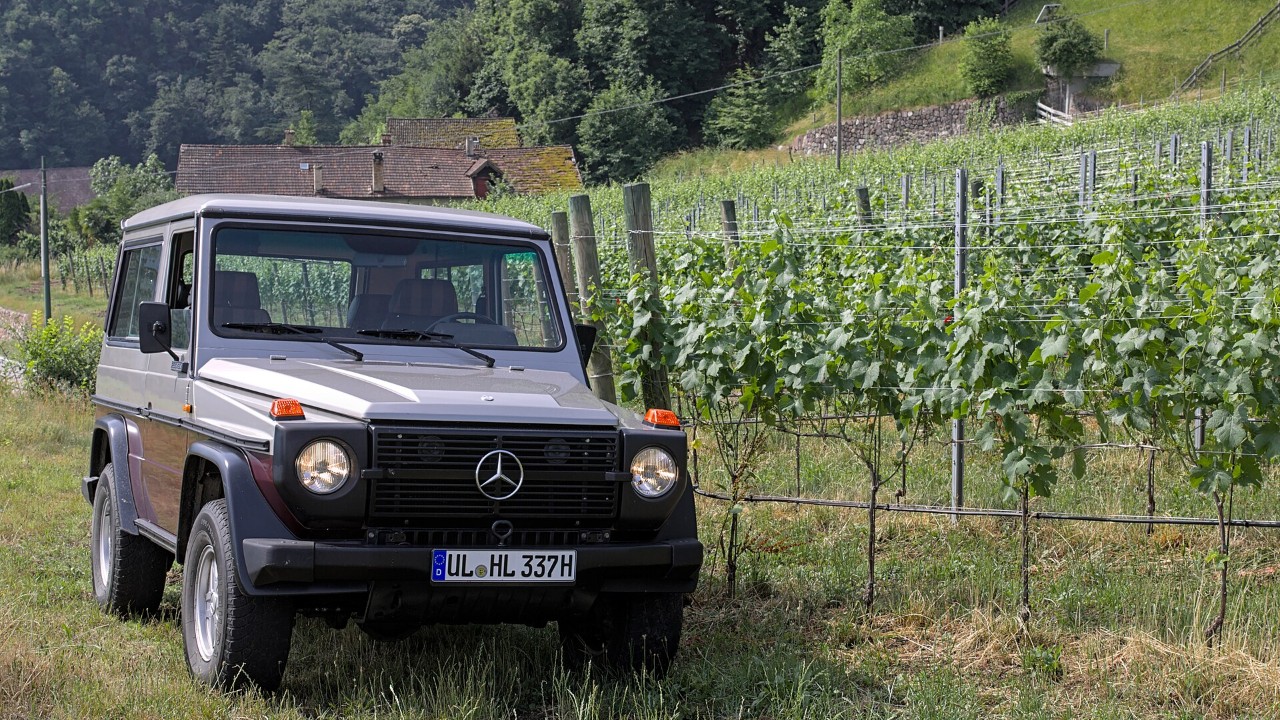
Mercedes-Benz developed the G-Class with Steyr-Daimler-Puch, and it went on show in February 1979. Since August 1981, Steyr-Daimler-Puch has built it under contract in Graz, Austria. In Austria, Switzerland and the COMECON countries, the same truck wore a Puch badge instead.
At launch, the range ran from a 72-hp 240 GD diesel to the 156-hp 280 GE, across five body styles. According to the Mercedes-Benz Classic archive, almost 52,000 civilian 460-series trucks left the line, and the 300 GD alone topped 20,000. Our take: a truck that Mercedes kept offering to professional users until 1992 has earned its place here.
2. 1983–1990 Land Rover 110
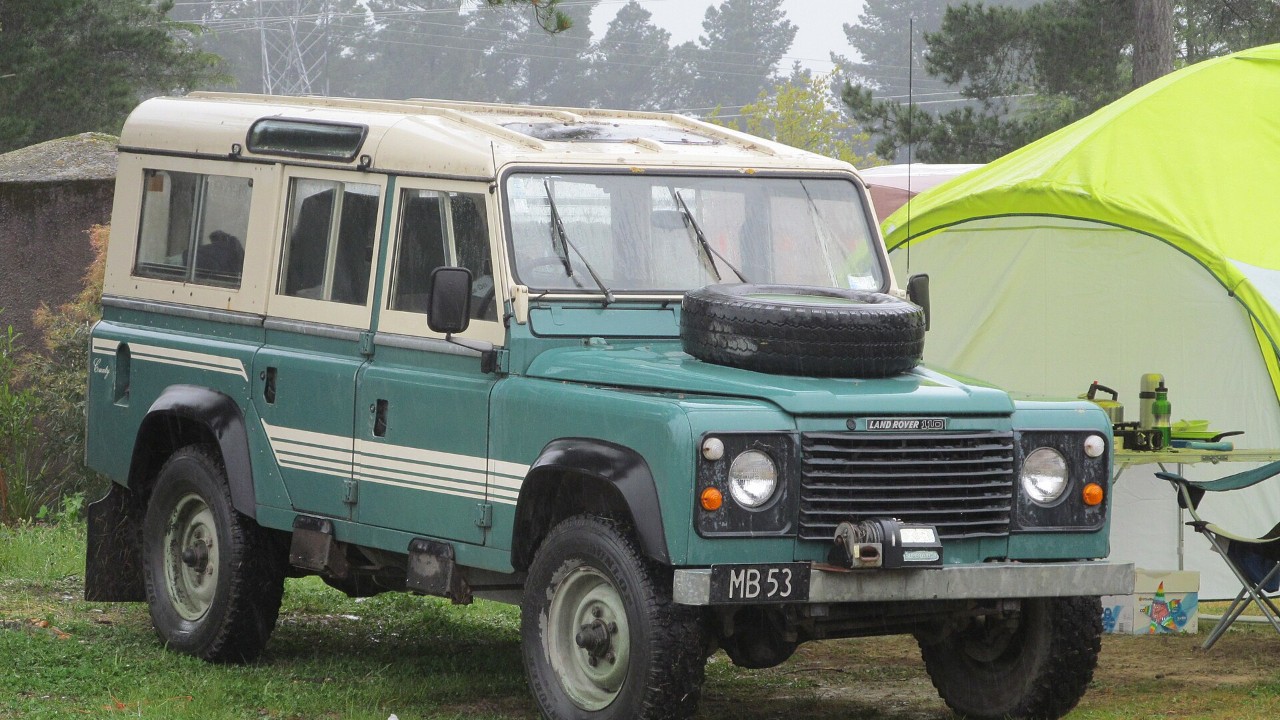
Land Rover announced the One Ten on March 10, 1983, and the name came from its 110-inch wheelbase. Its biggest change sat underneath. Coil springs borrowed from the Range Rover replaced the old leaf springs, and full-time four-wheel drive came with them, as an automotive history archive records.
Meanwhile, the four-cylinder engines grew to 2.5 liters, and the Rover V8 became a standard option, notes a Land Rover history site. A turbo diesel followed in 1986. Then, for the 1990 model year, the One Ten became the Defender 110. In our view, a design that lasted in some form until 2016 has already proved how hard it is to kill.
3. 1982–1991 Mitsubishi Pajero
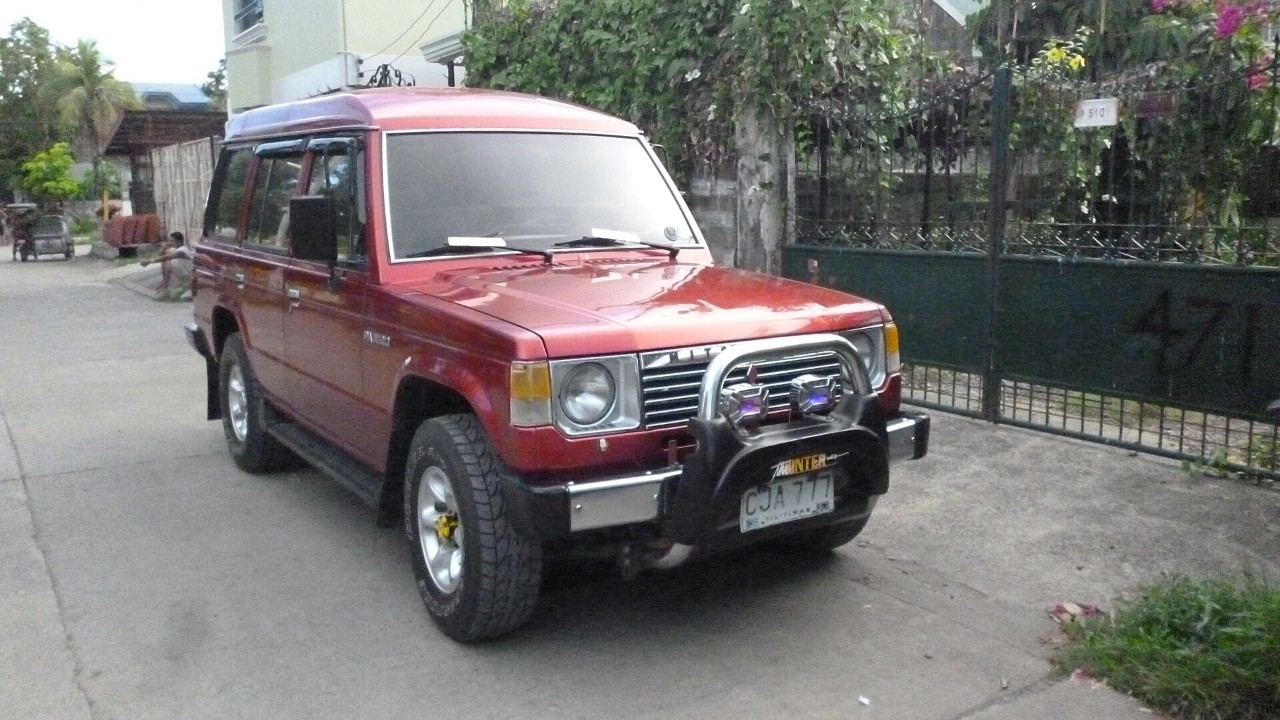
Mitsubishi showed the Pajero as a prototype at the Tokyo Motor Show in October 1981, and production began in May 1982. A long-wheelbase five-door joined in February 1983. British buyers knew it as the Shogun, while American showrooms called it the Montero.
From 1986, a 2.5-liter 4D56 turbo diesel made 73 kW with mechanical injection, so there were no fussy electronics to fail on a trail. That detail comes from a Pajero owners’ buyer’s guide, which blames age and rust, not design flaws, for most problems. Mitsubishi’s own Pajero history adds an overall Dakar win in 1985. Our take: simple, rebuildable parts make this a survivor.
4. 1981–1998 Suzuki SJ
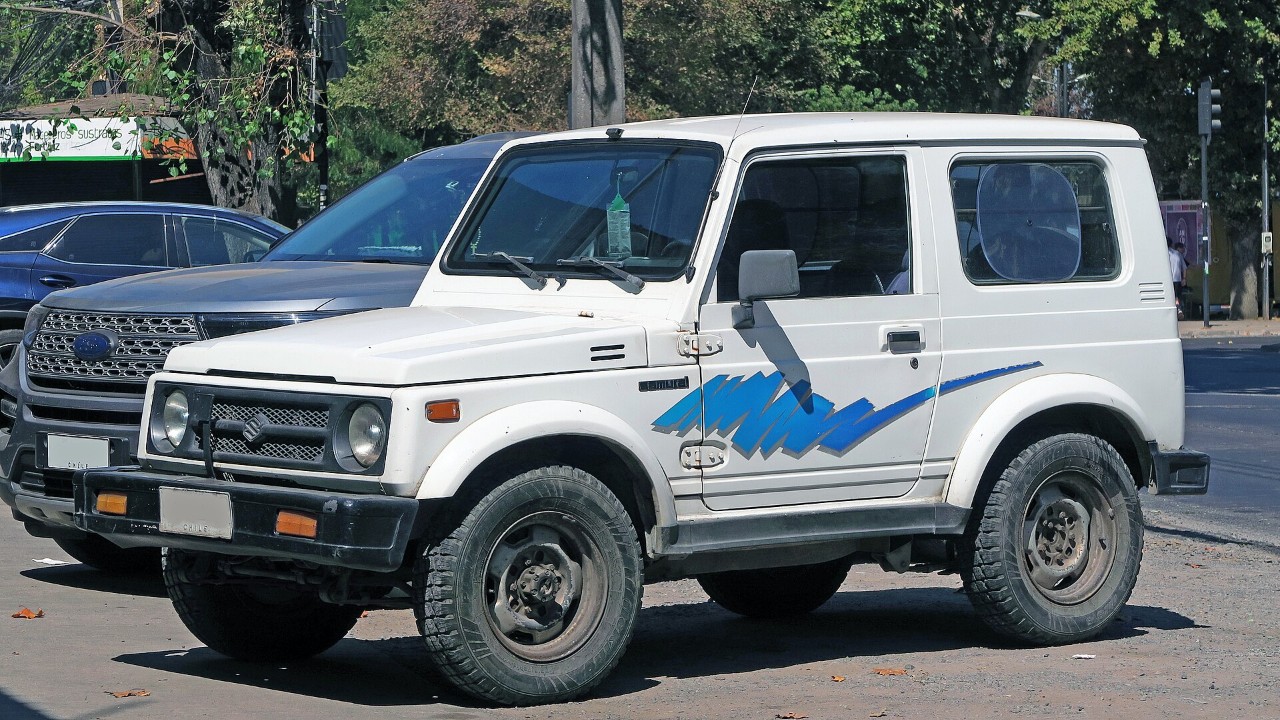
Suzuki launched the SJ30 in Japan in 1981, and export markets got it as the SJ410. Its 1,000 cc four-cylinder made just 45 hp. In 1984, the SJ413 arrived with a 1.3-liter engine and 67 hp, according to Autocar India.
India also built its own longer version, the Maruti Gypsy, from 1985 until 2019, and military crews and rally drivers both relied on it. By contrast, the Suzuki Club UK calls the SJ underpowered. However, the club’s writer adds that it goes where Land Rovers would not dare. We’d keep one for exactly that reason.
5. 1972–2010 UAZ-469
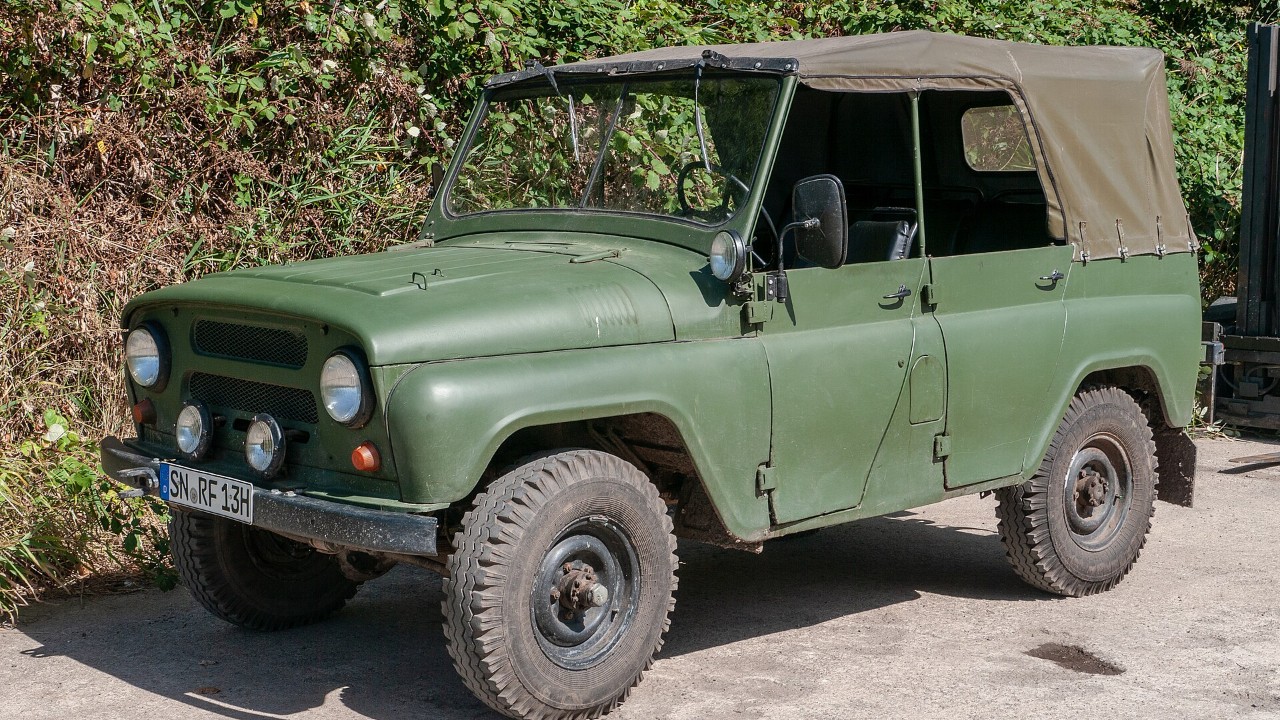
Work on a new Soviet field car began in the late 1950s, yet the first UAZ-469 left the line only on December 15, 1972. The army version used geared hubs that lifted ground clearance to 300 mm. Its approach and departure angles measured 52 and 42 degrees.
Military production ran until 2007, and civilian output restarted in 2010, says Truck Encyclopedia. Altogether, the site estimates about 1,000,000 built. In 1974, three standard UAZ-469s even reached 4,200 meters on the Mount Elbrus glacier. In our view, few trucks on this list have a tougher résumé.
6. 1971–2000 Steyr-Puch Pinzgauer
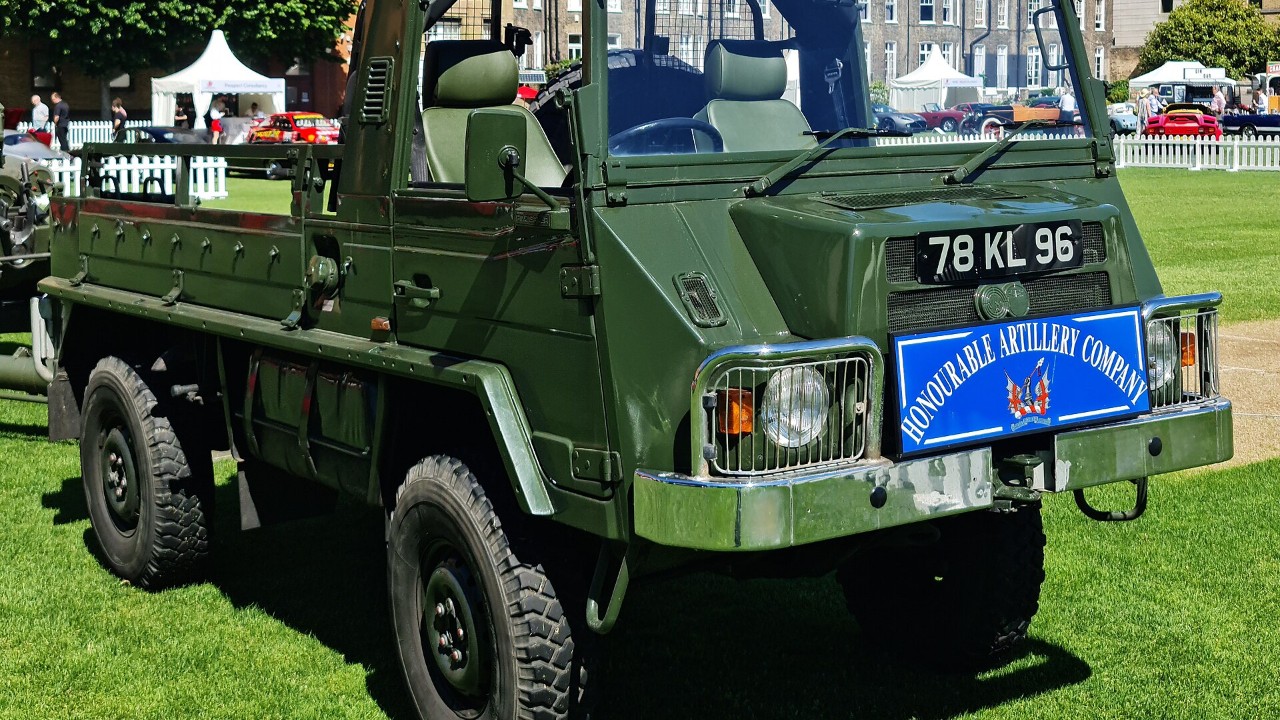
The Steyr-Puch Pinzgauer followed the smaller Haflinger from the same Austrian company. The first 710 (4×4) and 712 (6×6) used a central tube chassis and portal axles. Power came from an air-cooled 2.5-liter four with about 87 bhp, and the truck could ford more than 1.1 meters of water.
Graz production of the Steyr-Puch Pinzgauer ended on February 23, 2000, notes Truck Encyclopedia. After that, BAE Systems kept a version going in England until 2009. In addition, armies from Switzerland to New Zealand bought them, and Yugoslavia alone took 3,975. We’d call the Steyr-Puch Pinzgauer the toughest design here, and that is purely our opinion.
7. 1978–1988 Volkswagen Iltis
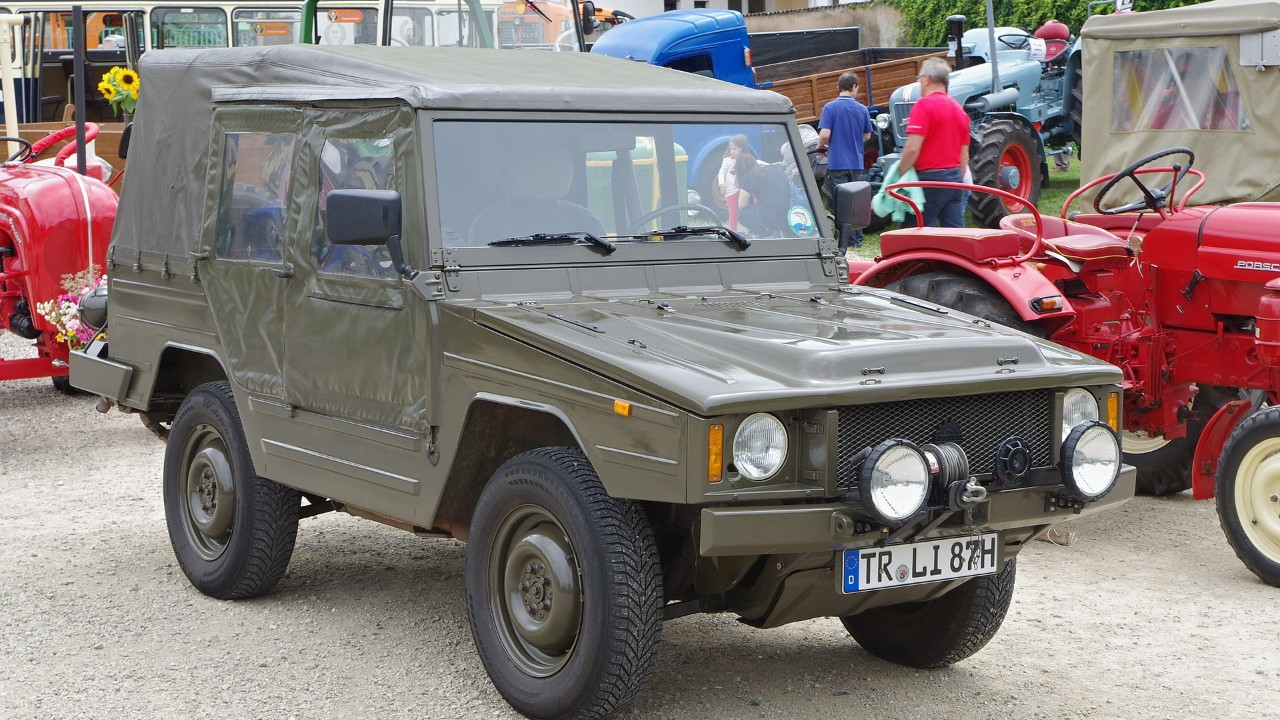
The Iltis replaced the DKW Munga in German military service. Volkswagen built it largely from parts already on the shelf, including pieces from the Audi 100, the Mk1 Golf and the Beetle. A 1.7-liter Audi four made 70 bhp through a four-speed manual.
Then it went racing. At the 1980 Paris-Dakar, Iltis trucks finished first, second and fourth, as Silodrome recounts. Bombardier also built it under license in Canada. Total output reached just over 9,500, and fewer than 200 went to civilians. Our take: a parts-bin truck that won the Dakar has nothing left to prove.
8. 1985–2002 Peugeot P4
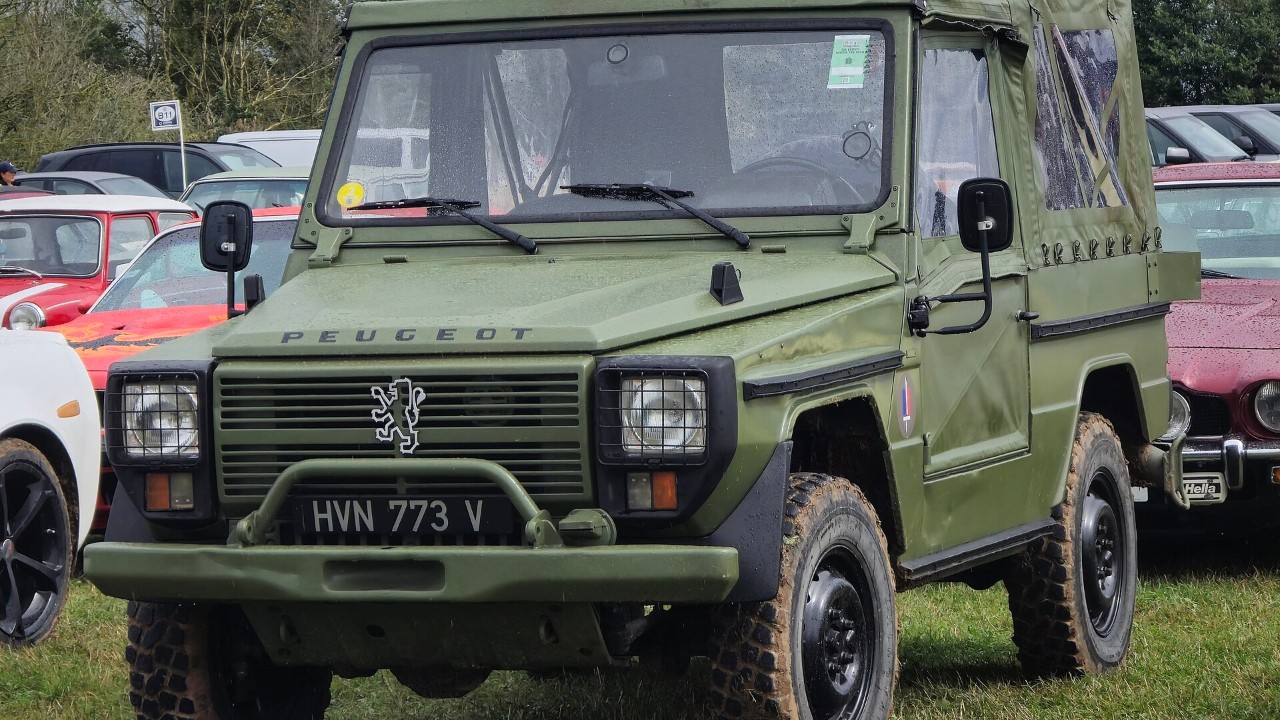
France wanted a Jeep replacement, so Peugeot built the P4 on the Mercedes W460 platform with its own mechanicals, as Unusual Cars UK explains. The French Army ordered 15,000 in 1981, but budget cuts later trimmed that to 13,500. Production moved to Panhard at Marolles-en-Hurepoix in 1985.
Engines included a 2.0-liter XN8 petrol four and a 2.5-liter XD3 diesel, according to Truck Encyclopedia. The army kept investing in them, too. About 15 special-forces P4s received upgrades in 2019, and 19 became air-defense carriers in 2018–2020. In our view, an army that keeps upgrading a 1980s truck clearly trusts it.
9. 1953–1972 GAZ-69
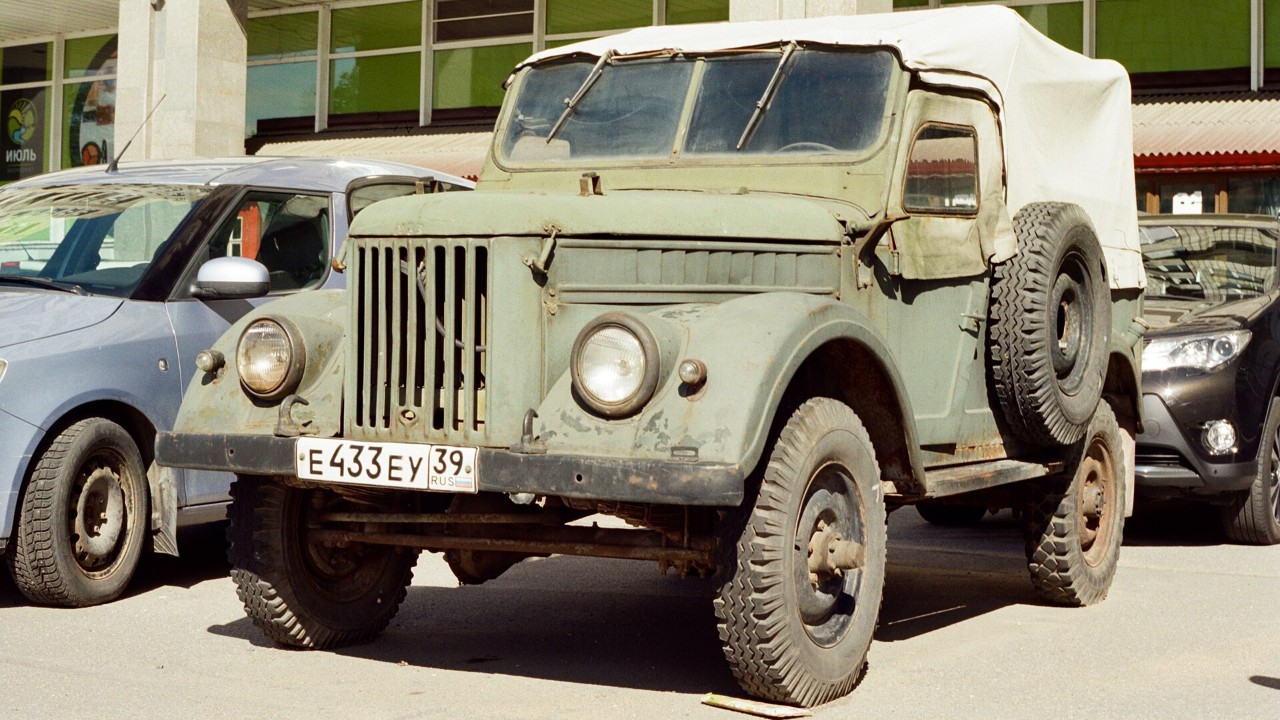
Design work on the GAZ-69 began in Gorky in 1946, soon after the war. Twelve prototypes were ready by 1948, and some covered more than 100,000 km in testing. In July 1953, it took the GAZ-67’s place on the assembly line.
Production later moved to Ulyanovsk, where the truck wore a UAZ badge until January 1972. A GAZ-69 history site says it went to 56 countries, and North Korea built it under license. Romania’s ARO also began its off-road business with the license, as item 15 shows. Our take: a truck that so many countries bought or copied deserves its spot.
10. 1955–1966 Hotchkiss M201
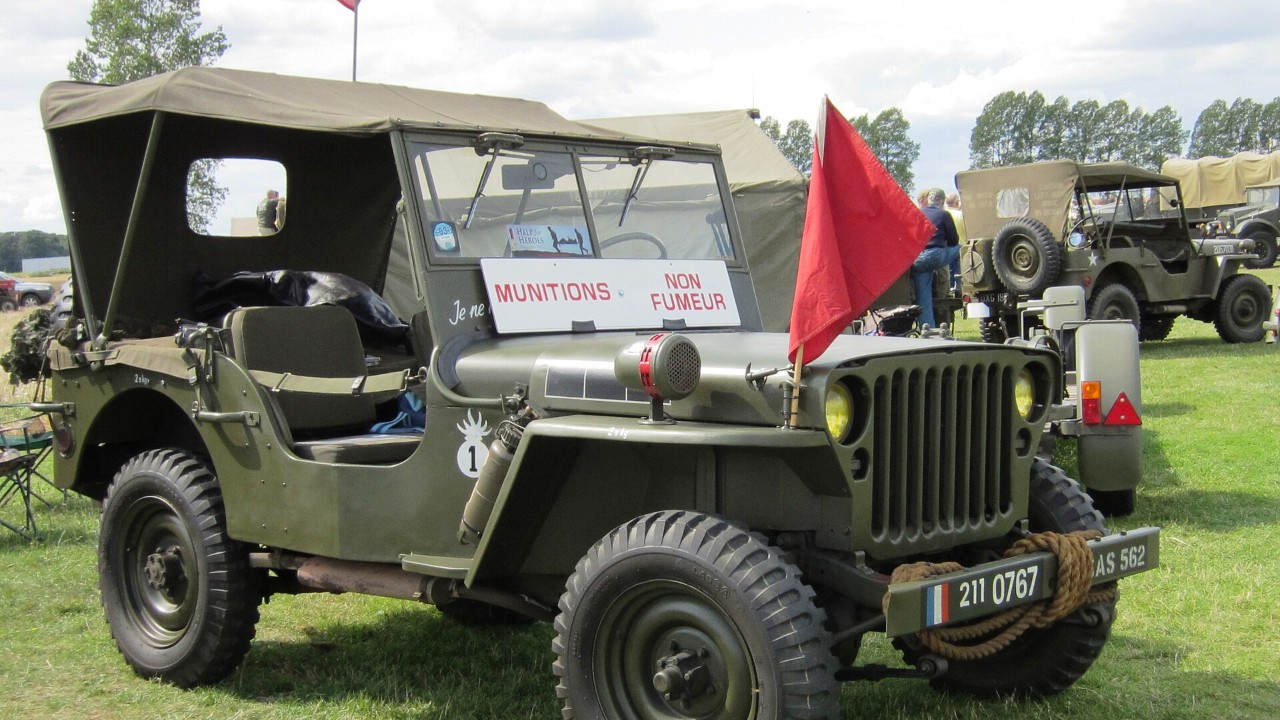
Hotchkiss signed its first Willys license in 1952 and started a French Jeep line in 1955. The first order covered 465 vehicles that were nearly identical to the American MB. Under the hood sat a 2,199 cc Go Devil four with 60 hp at 3,600 rpm.
French changes crept in later. From 1960, a 24-volt system ran on two 12-volt batteries, and a diesel option followed in 1962. The French military vehicle association AFCVM counts 27,628 M201s, nearly all for the army. In our view, the fact that the last 24-volt trucks left French service only in 2000 says plenty.
11. 1951–1987 Fiat Campagnola
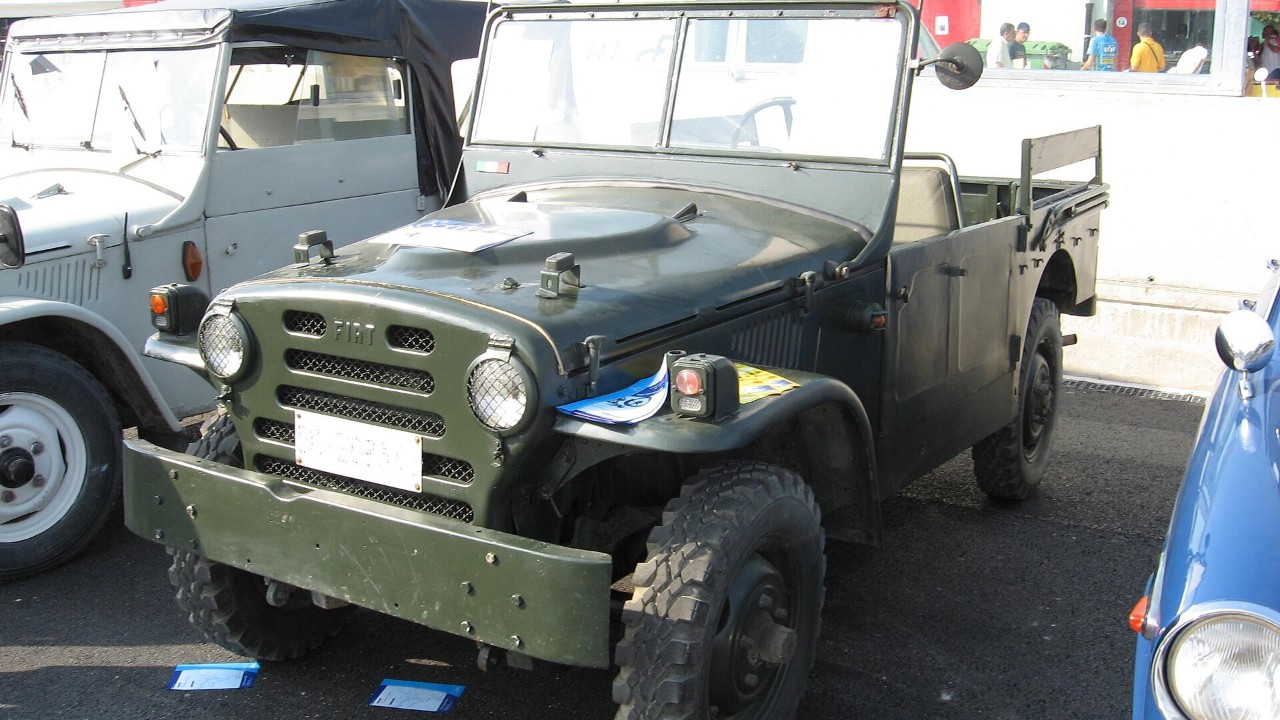
Dante Giacosa designed the AR51, which beat an Alfa Romeo proposal for an Italian army contract in 1951. It used a 1,901 cc petrol engine. Soon after, Paolo Butti and Domenico Racca drove one from Cape Town to Algiers in 11 days, 4 hours and 54 minutes, finishing on February 1, 1952.
According to Stellantis Heritage, Fiat built more than 40,000 of the original Campagnola. A new version arrived in 1974 with a Fiat 131-based engine, and it lasted until 1987. Fiat even gave a white one to the Holy See in 1980, and two Popes used it for almost thirty years. Our take: few working trucks get a career that long.
12. 1974–1984 Daihatsu Taft
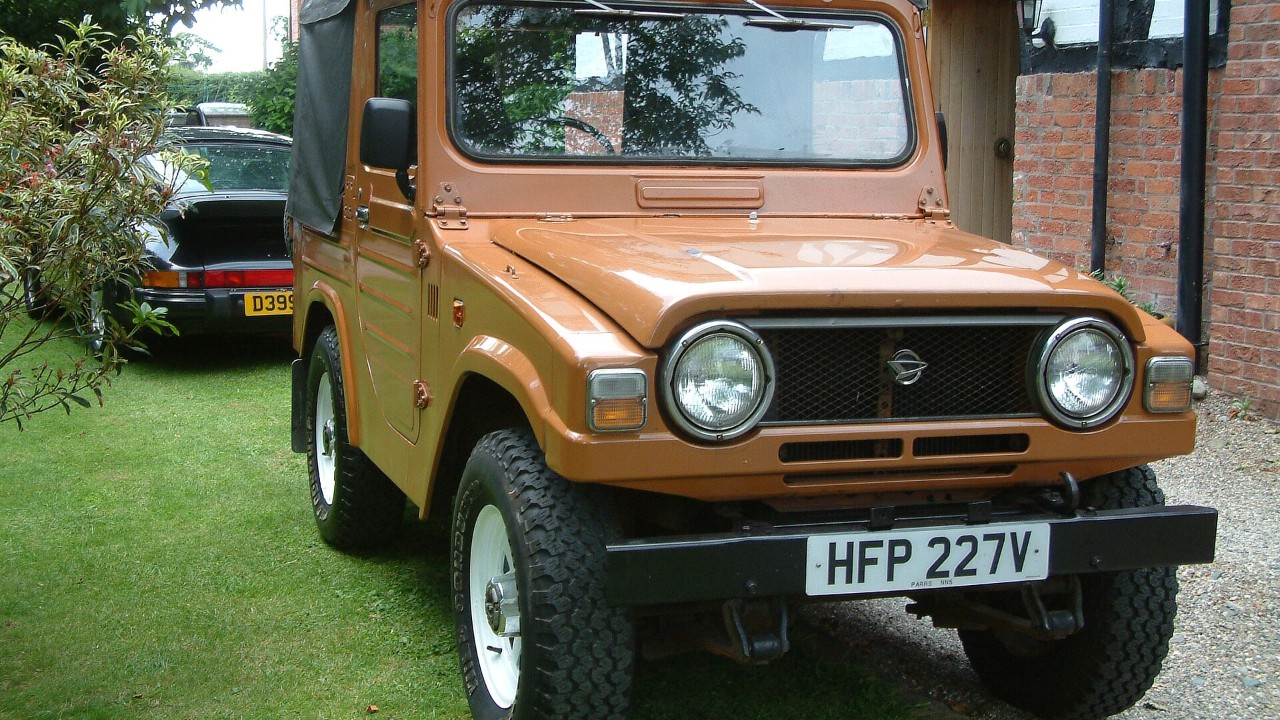
The Taft name was an acronym for “Tough and Almighty Four-wheel Touring vehicle.” Initially, the 1974 F10 used a 958 cc four with about 57 hp. A four-speed manual and a two-speed transfer case handled the rest.
Later versions grew stronger. From 1977, the F20 took a 1.6-liter Toyota petrol engine, while the F50 diesel displaced 2,530 cc, notes Car Origins. Toyota even sold the F50 as its first Blizzard from 1980. Australians knew the truck as the Scat, whereas British buyers saw a Wildcat. In our view, a truck good enough for Toyota to rebadge deserves respect.
13. 1989–1998 Land Rover Discovery
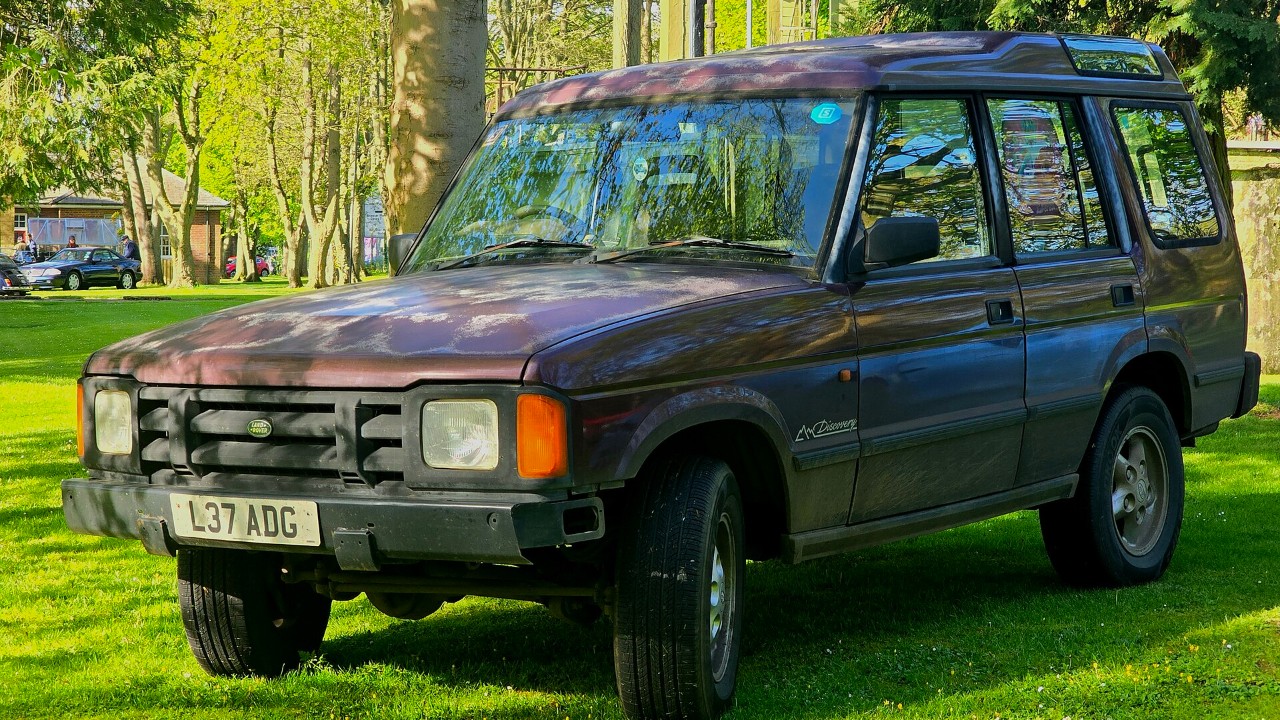
Land Rover developed the Discovery as Project Jay on the 100-inch-wheelbase Range Rover chassis. It made its debut at the Frankfurt Motor Show in September 1989, and every early car had three doors. Soon, a five-door body followed as 1990 got under way.
Launch engines were a 3.5-liter V8 and the 2.5-liter 200Tdi turbo diesel, and the 300Tdi took over in 1994. Hagerty’s buying guide warns about body rust and leaky sunroofs. On the other hand, it says the chassis generally survives well. Our take: fix the body, change the Tdi’s cambelt every 70,000 miles, and this one keeps going.
14. 1988–1998 Suzuki Vitara
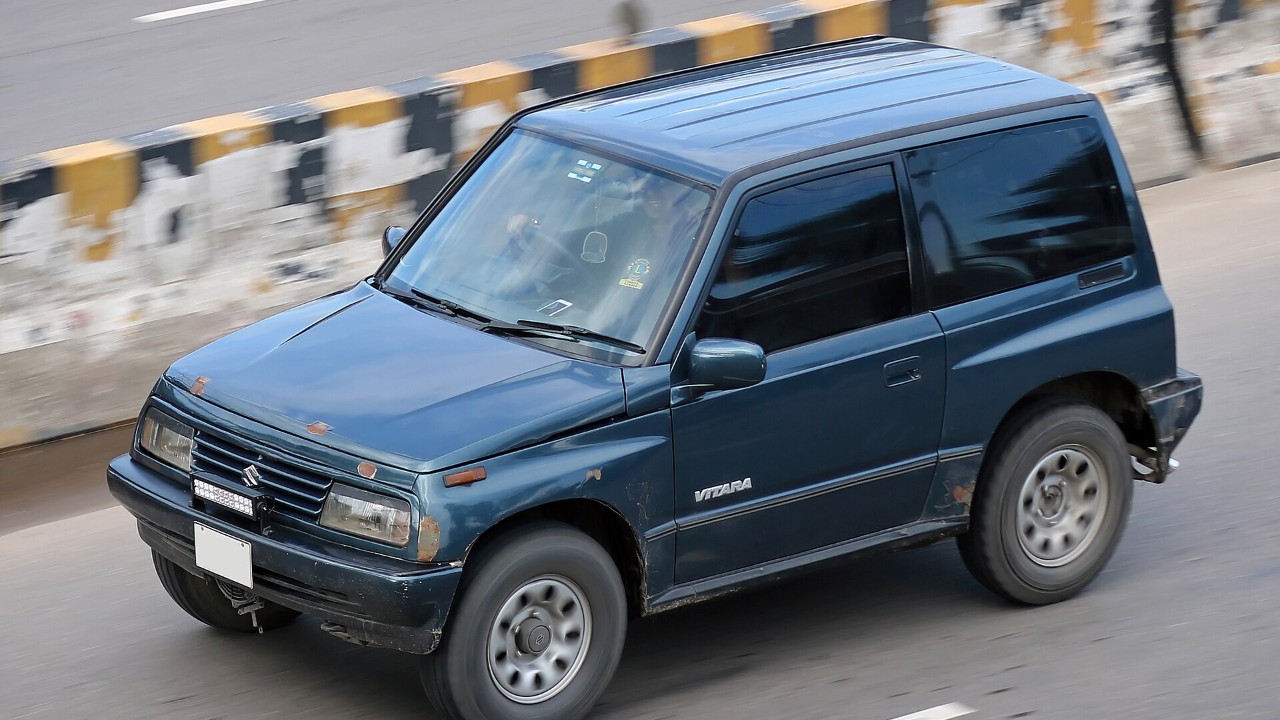
Suzuki built the first Vitara on a ladder frame, the layout trusted 4x4s use, with part-time four-wheel drive. In Japan, it wore the Escudo name. A 1990 example’s 1.6-liter four made 100 PS, according to a Japanese exporter’s model history.
British sales began in November 1988 with a three-door hardtop, and a soft-top followed in August 1989. Later, a five-door, a V6 and a Mazda-powered turbo diesel joined the range. The RAC’s used-car review calls the engines strong and reliable, though it urges buyers to check the service history. In our view, that is the right foundation for a long life.
15. 1972–2006 ARO 24
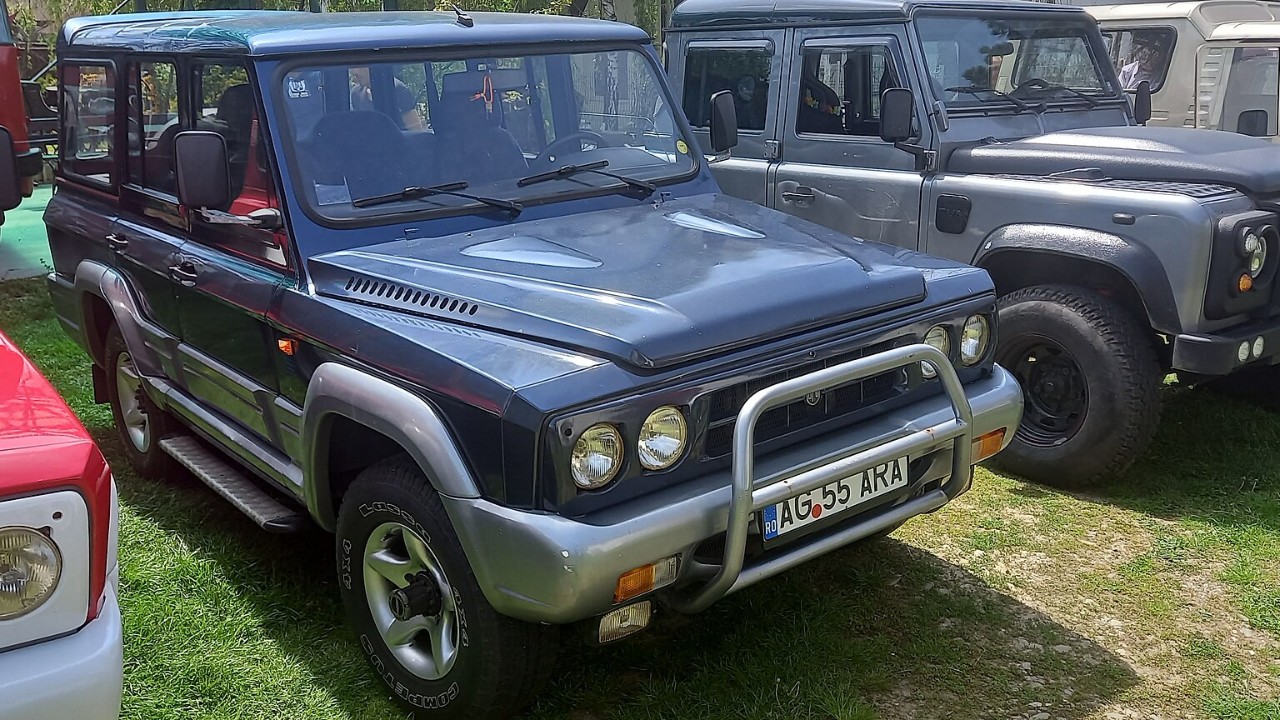
ARO began building off-roaders in 1957 with a licensed GAZ-69, then launched the 24 Series in 1972. Its first spec sheet listed a 2.5-liter petrol four with 80 hp and a four-speed manual, per autoevolution. Independent front suspension also gave it better road manners than many rivals.
Before 1989, the factory built about 10,000 a year, and roughly three quarters went abroad. Curbside Classic adds that a Portuguese-built Portaro 244 won the 1984 Pharaon Rally in Egypt. Civilian production lasted until ARO’s bankruptcy in 2006. Our take: a truck that outlived its own maker belongs here.
16. 1951–1956 Austin Champ
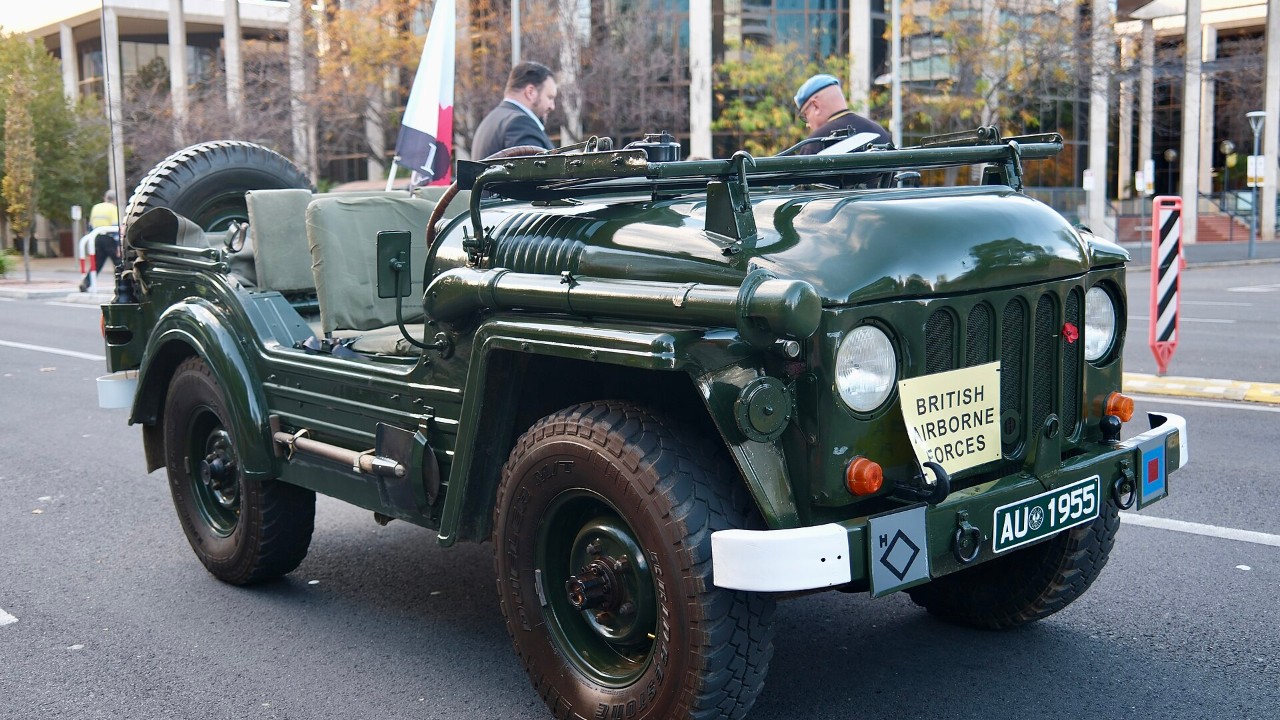
Britain’s War Office went looking for a Jeep replacement in 1947, and the Champ was the result. Before production, its prototype went by the code name Wolseley Mudlark. Alec Issigonis, who later designed the Mini, drew up its independent suspension at all four corners.
Power came from a 2.8-liter Rolls-Royce B40 four with 80 bhp. A reverse gear in the rear differential let it use all five gears backward, and it could ford water up to 6 feet deep, says Silodrome. About 13,000 left the line before production ended in 1956. In our view, it lost the cost battle to the Land Rover, but not the toughness one.
17. 1974–1984 Volvo C303
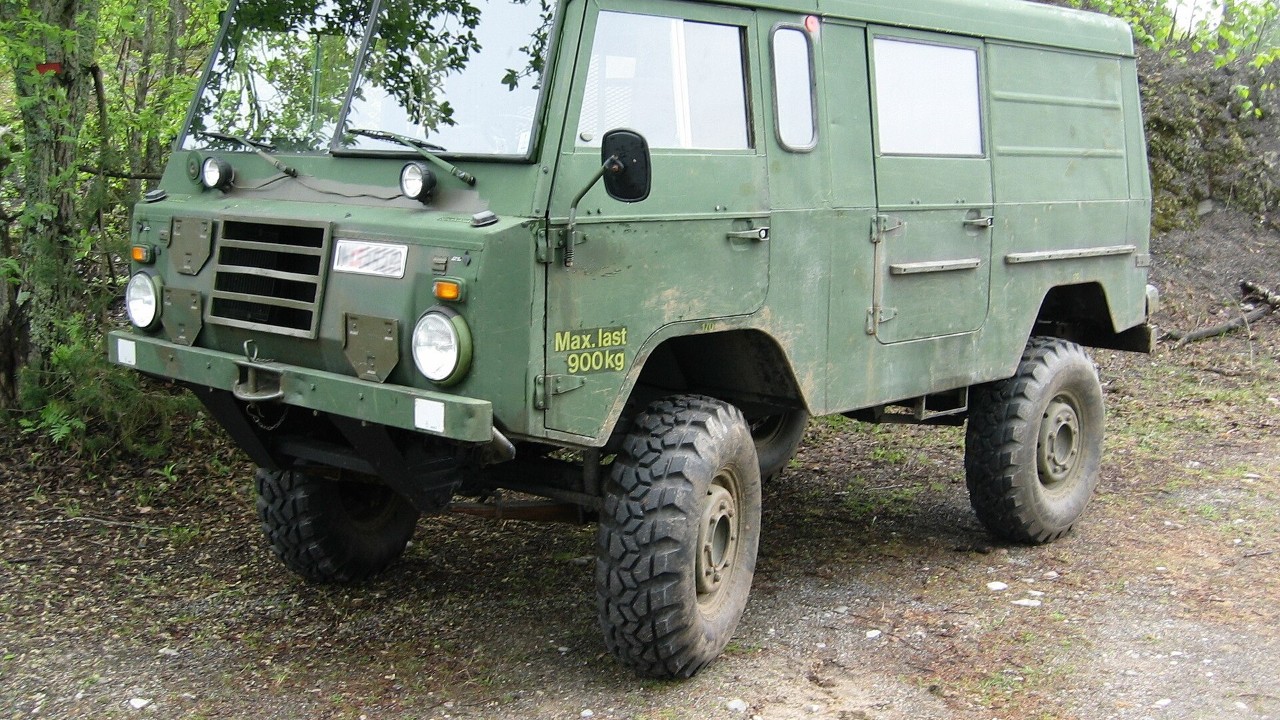
Volvo put the C303 into production in 1974 and built 8,718 by 1984. About 75 percent went to military buyers, mainly in Sweden. Thanks to portal axles, it also had 15 inches of clearance under the differentials.
Its 3.0-liter B30 straight-six made 125 hp, and a two-speed transfer case backed the four-speed gearbox. According to Silodrome, Volvo kept the design basic, with leaf springs, drum brakes and flat glass. Its top speed, meanwhile, was 125 km/h (78 mph). Malaysia, Angola and the Baltic states took deliveries as well. Our take: parts that simple are easy to fix almost anywhere.
18. 1959–1974 Steyr-Puch Haflinger
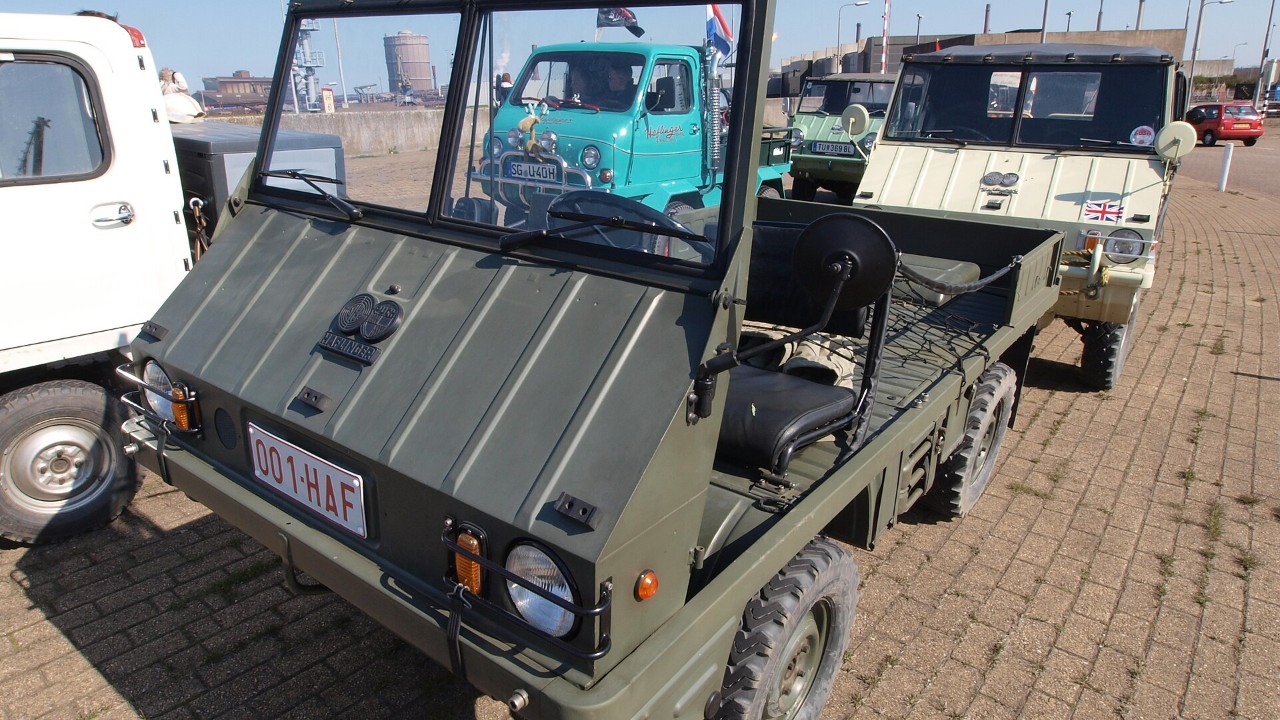
Erich Ledwinka led development of the Haflinger at Steyr-Daimler-Puch, and the final production version arrived in 1959. It weighed only 600 to 635 kg, yet it carried 515 kg. A 643 cc air-cooled flat-twin sat in the back.
Front and rear locking differentials came standard, and portal hubs added clearance, notes Silodrome. Top speed, by contrast, was governed to a little over 42 mph in period tests. Production ran through 1974, and about 16,647 left the factory. Britain’s Royal Navy used it, as did forces in Austria, Switzerland and Australia. We’d call it the best small off-roader here, and that’s our opinion.
More from Fast Lane Only